
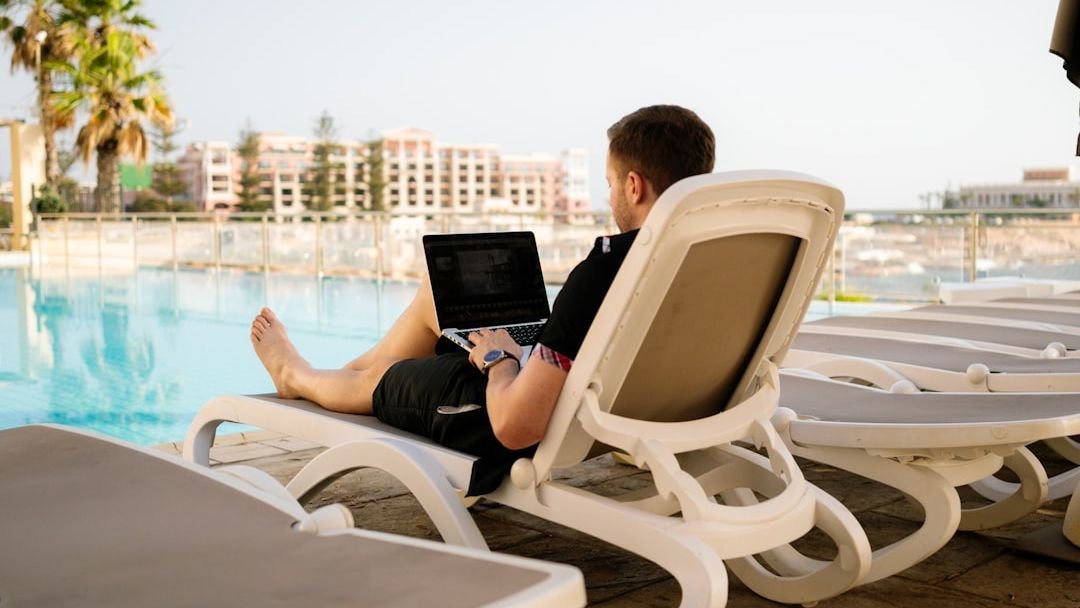
Somewhere in the sun-bleached interior of Spain, entire villages sit nearly empty. Streets that once bustled with children, farmers, and market vendors are now quiet enough to hear the wind move through them. These places are not abandoned by accident. Decades of rural exodus pulled generation after generation toward Madrid, Barcelona, and the coasts. Now, in a twist that feels almost too good to be true, some of these same villages are offering cold, hard cash to remote workers willing to move in. The deal is real, it is growing, and for the right person, it could be life-changing.
1. The Scale of “Empty Spain” Is Staggering
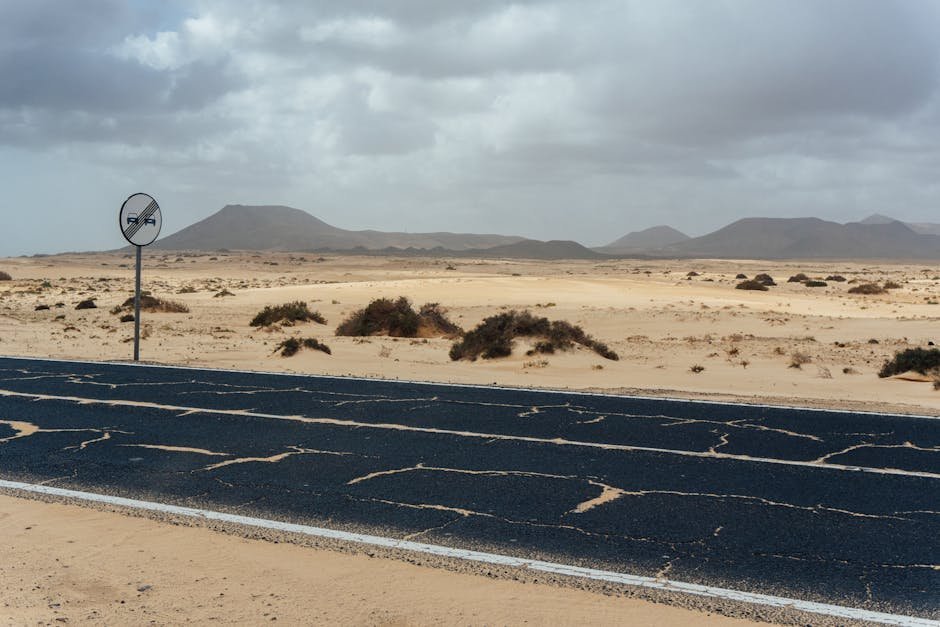
A staggering majority of Spain’s population now lives on just 2% of its territory, with 90% of Spaniards packed into just 2.6% of the country’s land, according to Eurostat figures. The rural interior has paid the price. Over 4,000 Spanish municipalities, roughly half the total, have seen falling populations, and 1,840 localities are considered rural areas at risk of irreversible depopulation, according to experts at the Autonomous University of Barcelona. The towns most at risk have an average of just 110 inhabitants, very low population densities averaging 4.3 inhabitants per square kilometer, and an average resident age close to 60. This is the demographic emergency that has forced local governments to get creative.
2. Why Villages Are Now Paying Outsiders to Show Up

Rural Spain hosted about 60% of the population in 1900, but less than a quarter of today’s population lives in rural areas, with more than 80% of rural municipalities having experienced population loss. Rural depopulation is a significant problem in Spain, where many localities have seen their populations drastically reduce, creating challenges such as a lack of basic services, the closure of schools and businesses, and an aging resident population. The lack of inhabitants means scarce resources, fewer services, and local councils now pulling out all the stops to tackle depopulation, with several municipalities rolling out tempting schemes offering cash grants, free land for new builds, or even a job if you move in. Remote workers, who bring income from outside the local economy, are seen as ideal recruits.
3. Extremadura Is Offering Up to €15,000 to Move There
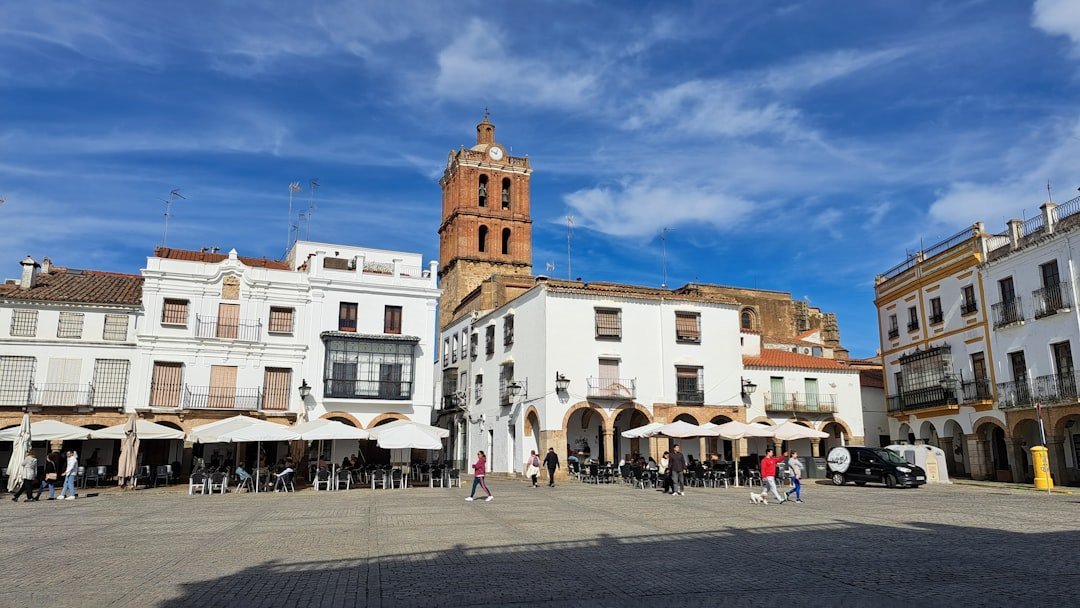
The local government of Extremadura announced it was offering up to €15,000 to move to the area for at least two years. The autonomous community has one of the lowest populations in Spain and has allocated €2 million to entice the relocation of 200 digital nomad and remote workers to the region. The scheme is part of an ongoing repopulation program called “Live in Ambroz,” which refers to the Ambroz Valley in the province of Cáceres, described in a government press release as “one of the areas that is suffering from a constant loss of population and services.” The program drew so much interest that its funding was subsequently increased. The funding allocated to the 2024/2025 call for proposals was increased to €4,250,000 to cover all applications submitted.
4. How the Grant Tiers Actually Work

Successful applicants can receive grants generally starting at €8,000, while women, young people, and those moving to villages with fewer than 5,000 inhabitants can qualify for up to €10,000. There is even a possibility of an additional €4,000 to €5,000 if you remain active in the community for three years. Extremadura is specifically targeting remote workers who are highly qualified professionals in the tech industry, who must be able to work completely remotely and online, and who commit to maintaining a remote job and living in Extremadura for at least two years. The grant money is intended to cover housing costs, arable land, and other essentials to help new arrivals get settled quickly.
5. Other Spanish Villages With Serious Incentives
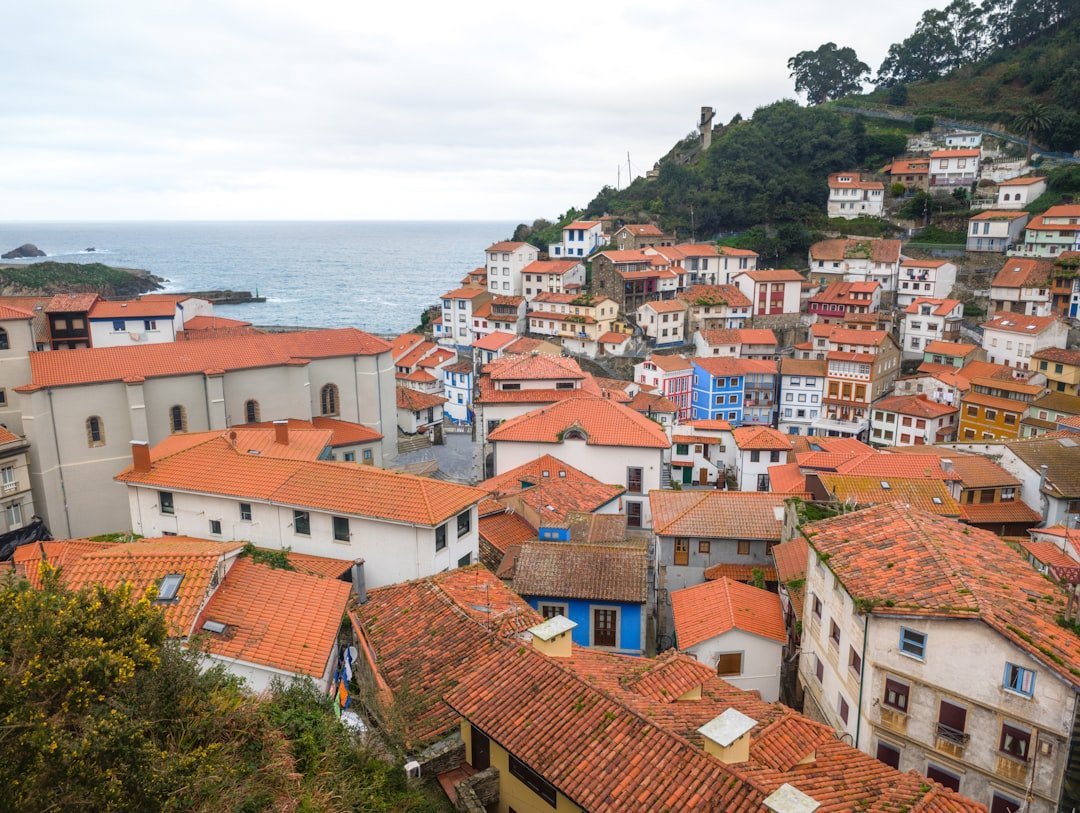
Ponga, in Asturias, offers €2,970 to each individual who relocates there, with families receiving an extra €2,970 for every child born in the town. Moreover, residents of Ponga enjoy a 60% reduction in their local property tax and a 95% discount on the Tax on the Increase in the Value of Urban Land for inherited properties. In Galicia, the village of A Xesta in Pontevedra provides housing with rental prices as low as €100 per month, while Griegos in Teruel offers newcomers three months of free rent followed by a monthly rent of €225, with a €50 reduction for each school-aged child. Olmeda de la Cuesta in Cuenca has auctioned plots of land at prices ranging from €200 to €3,000, encouraging people to build homes and settle there.
6. The Cost of Living Makes the Numbers Even More Compelling
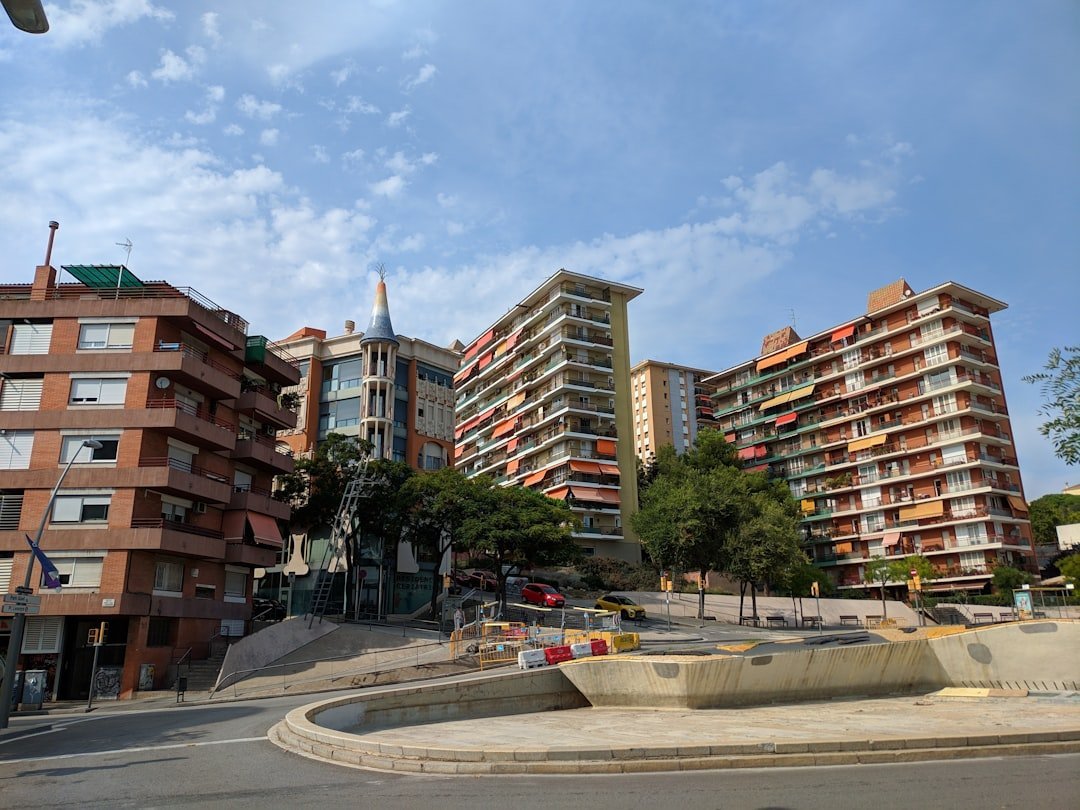
Extremadura offers a cost of living approximately 30% lower than Madrid, making it an attractive option for budget-conscious digital nomads. For instance, digital nomads can live for around $457 per week in Benarraba, a town with fewer than 500 residents in Malaga, while in Tolox, a quaint village in the Sierra de las Nieves mountains, the cost of living drops to a thrifty $175 per week. Housing remains very affordable in most areas, a fraction of the cost of Barcelona or Madrid, with a 12-bedroom, 950 square meter property spotted for €175,000 in Malpartida de Placencia. The financial incentives stack on top of this already low baseline, making the total value proposition genuinely hard to dismiss.
7. Internet and Infrastructure Are Better Than You Might Expect

Although the region lacks extensive public transportation, it compensates with excellent mobile and fiber optic coverage, exceeding Spain’s national averages. Despite its rural charm, Extremadura provides strong fiber-optic internet coverage and an increasing number of co-working spaces. Public investment in tech hubs, co-working spaces, and incubators in the region is significant. For anyone worried about losing connectivity while gaining countryside, the infrastructure reality in many of these villages is far more reassuring than the postcard images suggest.
8. Spain’s Digital Nomad Visa Is Your Legal Gateway
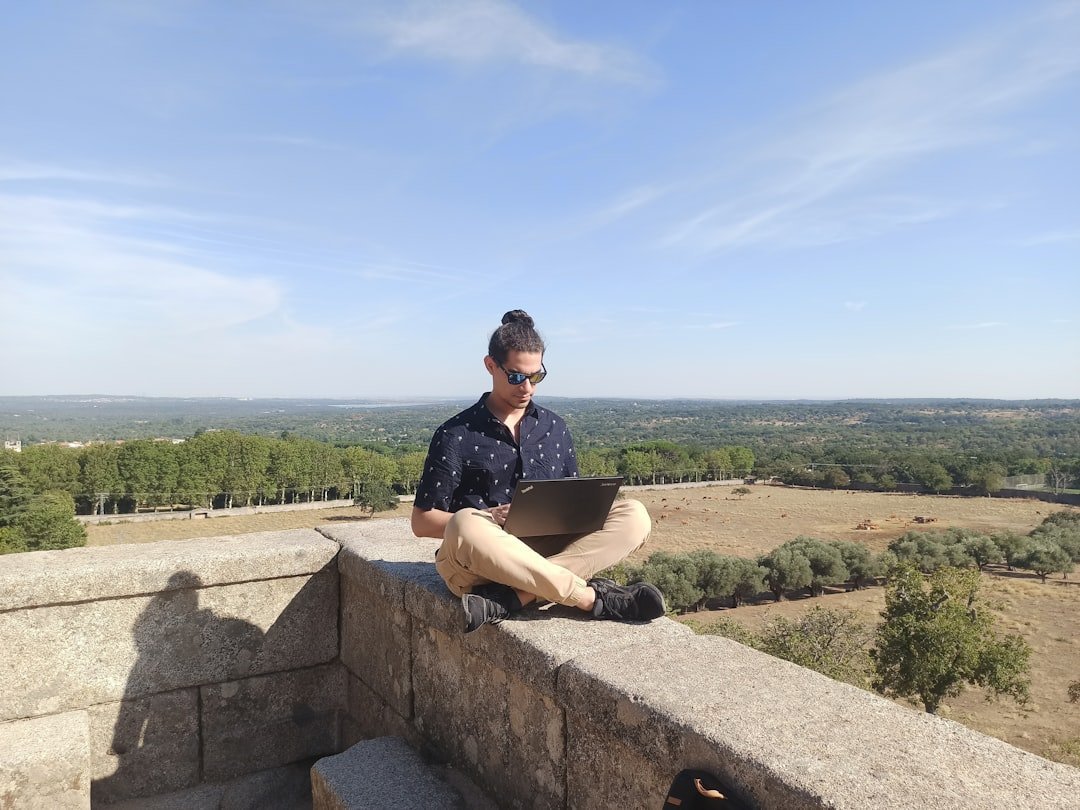
In January 2023, Spain officially launched its Digital Nomad Visa under the Startup Act, allowing remote workers to live and work in Spain for up to one year when applying from abroad through a Spanish consulate, or up to three years if applying from within Spain for a residence authorization. The income requirement is set at 200% of Spain’s Minimum Interprofessional Salary, which as of 2026 equates to approximately €2,850 per month for a single applicant. Spain ranked first in the Global Citizen Solutions Digital Nomad Report 2025 as the best country for digital nomads, reflecting strengths in accessible visa policies, reliable internet and tech infrastructure, and a safe, stable living environment. Non-EU nationals applying for village relocation grants must first secure this visa or hold legal residency.
9. The Beckham Law Tax Advantage Makes It Even Sweeter

Digital Nomad Visa holders can opt into a special regime known as the Beckham Law, which provides a flat income tax rate of just 24% on income up to €600,000. Under this regime, you generally only pay tax on the work income you perform while physically in Spain, while most other foreign-sourced income, such as dividends or rental income from abroad, is exempt from Spanish taxation. Once granted, these tax benefits last for the year you arrive plus the following five years. When combined with the relocation grants and low rural cost of living, the overall financial picture for a remote worker moving to a Spanish village becomes quite remarkable.
10. How to Actually Apply and What to Realistically Expect

Both those living in other regions of Spain and those living abroad are eligible for the Extremadura grant, as long as they have not lived in Extremadura in the previous six months, and foreign nationals must be legally resident in Spain and possess a foreign identity number, while non-EU nationals can also apply as long as they are already participating in Spain’s digital nomad visa scheme. The grants are open to a broad range of remote professionals, whether you are a solo freelancer or working for an overseas employer, provided you can show that you are set up for remote work and intend to make your base in Extremadura. In practice, organized initiatives like the Holapueblo project are helping to repopulate Spain’s rural villages by mentoring entrepreneurs and remote workers through the process. Checking directly with each municipality’s council and monitoring official regional government websites for updated calls is the most reliable way to stay current, since funding rounds open and close based on available budgets.