
There is a peculiar tax built into the modern travel industry, and it is aimed squarely at people who prefer their own company. It is called the single supplement, and millions of travelers encounter it every time they try to book a cruise, a tour package, or a hotel room alone. The single supplement is a travel industry premium charged to solo travelers when they take a room alone, and the amount involved ranges from 10 to 100 percent of the standard accommodation rate. What makes it especially frustrating is that solo travel is booming. The global solo travel market was valued at USD 495 billion in 2024 and is projected to grow from USD 559.35 billion in 2025 to reach USD 1,030.57 billion by 2030. Yet despite this explosive growth, the pricing structures punishing solo travelers have remained stubbornly in place. Here are the eight core reasons why you keep paying more for traveling alone.
1. The Double-Occupancy Pricing Model Was Never Built for You
Cruise lines base their pricing on an assumption that two people will share each cabin, hence the term “double occupancy.” This foundational assumption runs through the entire travel industry, from hotels to river cruises to package tours, and it puts solo travelers at an immediate structural disadvantage. On a small group tour, the advertised price is almost always based on two people sharing a room, called double occupancy. That’s because when two travelers share, they’re dividing the cost of one hotel room between them. The result is that any solo traveler stepping into this system is automatically treated as only half a paying unit. The single supplement is a surcharge endured by people who book a tour, cruise, or other travel package as a single person rather than with a travel partner – it means you pay more than half of what a couple pays.
2. The Hotel Charges You for the Whole Room, Not Just Your Bed
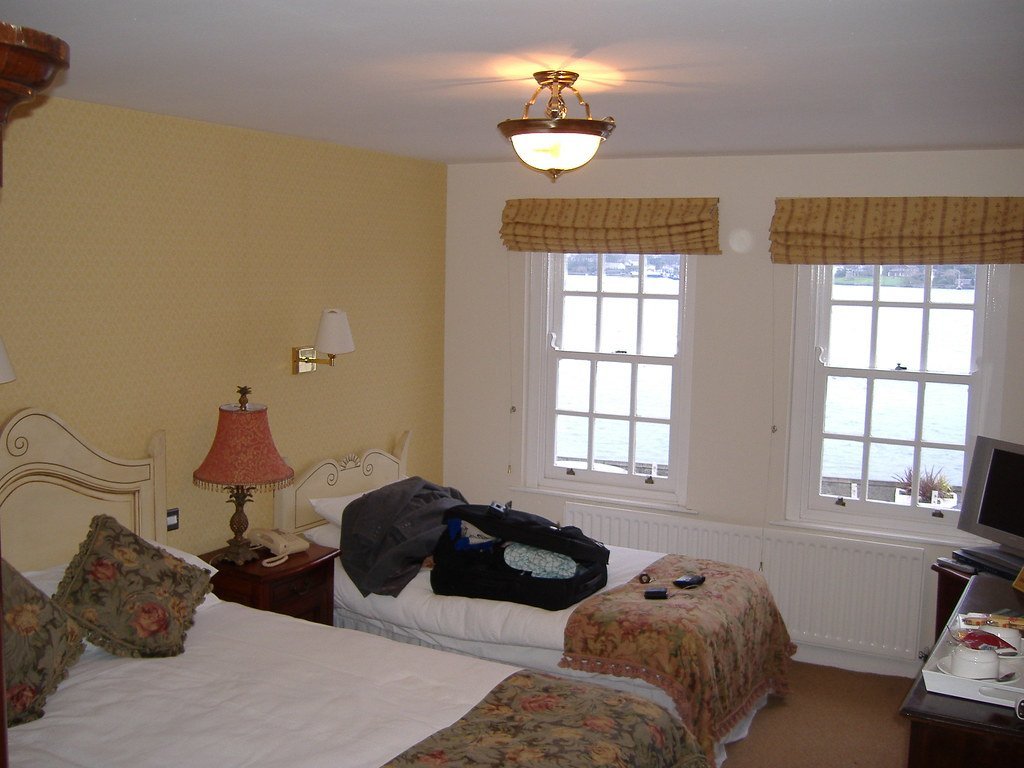
Most hotels price their rooms as doubles or family rooms and don’t discount them if they are only occupied by one person. This is justified by the hotel because they lose money with one occupant, as the cost of provisions and cleaning is still the same regardless of how many people stay in the room. The math is blunt and not in the solo traveler’s favor. Hotels base their prices on double occupancy – two people sharing a double room – so your unoccupied bed will have to be paid for by someone. They argue they have fixed costs such as cleaning, heating, and electricity. Modern hotels usually only provide double rooms, which may be offered in different sizes or luxury classes such as “Superior,” “Deluxe,” “Junior Suite,” or “Executive Room.” The near-disappearance of dedicated single rooms from the hospitality landscape means solo travelers almost always end up paying for space they simply do not use.
3. Cruise Lines Say They Are Losing Half Their Revenue Per Cabin
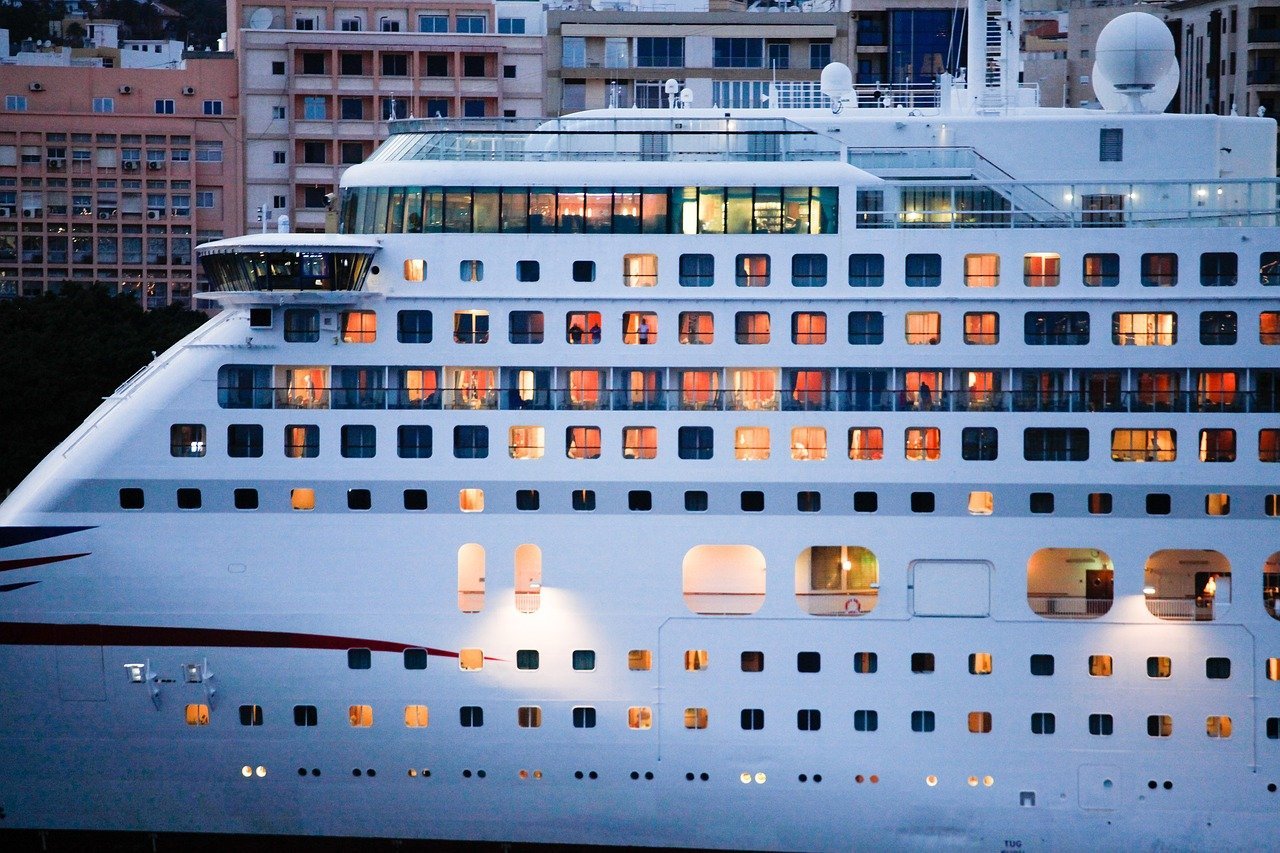
If there is only one person in a cabin, the cruise line only takes in half of what it normally would, which is why a solo traveler often pays a “200% single supplement” – essentially, the solo traveler pays for both spaces in the cabin. This logic is the backbone of how cruise pricing works and it affects nearly every major ocean and river cruise operator. The single supplement is the extra charge that covers that empty second spot, an additional percentage on top of the base fare. In practice, that means paying anywhere from 125% to double the base fare just to have a cabin to yourself. Some of the world’s biggest cruise lines are unapologetic about it. Popular cruise lines for families, such as Carnival Cruise Line and Disney Cruise Line, charge a 200% single supplement fee and do not offer solo cabins.
4. You’re Assumed to Spend Less on Food, Drinks, and Entertainment
Vendors also expect to be compensated for the cost of preparing a room for a guest, in cleaning and providing disposables, when only one person will be charged. Some vendors also charge more because they believe a solo traveler will spend less on food, drinks, and entertainment compared to a group of two or more. This assumption is baked directly into the pricing architecture of tours, resorts, and cruises. Solo travelers are also charged more because they’re considered to spend less on things like food, drinks, and entertainment. It is a controversial calculation, partly because there is limited evidence confirming that solo travelers consistently under-spend relative to pairs, yet the surcharge persists as industry standard. The solo traveler argues that traveling alone is often a necessity rather than a luxury, and that the cost of preparing rooms for guests should be distributed among customers without discrimination.
5. You’re Paying the “Privilege” Price for Privacy

The single supplement is a premium surcharge applied to a traveler who travels alone but will use a room that could fit two or more passengers. Accommodation vendors argue that solo travelers should expect to pay for the luxury and convenience of having a room to themselves. The framing here is deliberate and arguably unfair – privacy is repackaged as a premium amenity rather than a basic right. Too often, solo travelers are hit with single supplements – something guests have referred to as a “punishment” – or find themselves forced to share a room with a stranger. For solo female travelers especially, the cost of privacy is tied to safety as much as comfort. For solo female travelers, especially those over 50, single supplements can pose a substantial financial burden. A survey by JourneyWoman revealed that 78% of women identified a single supplement as the biggest obstacle to solo travel.
6. The Industry Has Been Slow to Adapt to a Fast-Growing Market

Forbes called 2024 the “year of the solo traveler,” highlighting its evolution from niche market to a considered choice for many travelers. The same year, a Skyscanner report concluded, “There is no longer any stigma attached to taking a trip on your own, and many tour companies cater specifically to this market.” Yet the pricing systems lag far behind this cultural shift. Historically, the dreaded “single supplement” – that extra charge for travelers not sharing a room or activity – has put off solo travelers, or left them feeling undervalued and even unwanted. With solo bookings rising 300% since 2021, this segment is actively looking for affordable, value-driven options. The commercial opportunity is massive, yet the industry’s response has been slow and piecemeal, with most operators still defaulting to double-occupancy pricing as their standard model.
7. High Demand and Capacity Constraints Give Operators No Incentive to Change
When hotels or tours are in high demand and quickly booked out, hoteliers or tour operators usually charge the highest possible price for rooms, following the logic of profit maximization, and do not sell them at a lower price to solo travelers. When properties and sailings are filling up regardless, there is simply no financial pressure to reform solo pricing. An operator might have to give a solo traveler a double room – with twin beds – to create a single room. That double-occupancy room, which is priced higher, is losing a guest so it can be turned into a single room. That cost has to be passed on. Some operators have started to respond to market demand. Many tour operators are responding to the rise in solo travel by reducing or eliminating single supplement fees. For instance, Tauck waives single supplement fees on all European river cruises for solo travelers booking Category 1 cabins. Still, these remain exceptions rather than the rule across the broader industry.
8. The “No Single Supplement” Label Can Still Be Misleading
Many travelers and even tour operators have an illogical idea of what is meant by “single room supplement.” It happens regularly that tour operators present travel offers with the argument “no single room surcharge,” while in reality they even have a 100% single room surcharge. The reason for that is not bad intentions, but mistakes in thinking. Understanding what you are actually paying requires knowing the math. To determine the single supplement rate, divide the price for the single person by half the price of two people. For example, if the price for one person is $1,200 and the price for two people is $2,000, your equation would be: 1,200 ÷ 1,000 = 1.2, which equals 120% and indicates a 20% single supplement. Some tour companies specialize in solo travel and offer private rooms for each traveler. However, the cost of the “no single supplement” is usually built into the overall price. Everyone is paying for the full cost of the room but getting a group discount for meeting a minimum number of travelers. The language of “no supplement” can obscure the reality that the cost has simply been redistributed rather than eliminated.
The Market Is Finally Pushing Back

As solo travel has gained in popularity, policies continue to evolve, and single supplement fees for solo travelers are being waived more often. But while that’s good news, supplement fees for solo travelers are still the norm throughout the travel industry. Some cruise lines are leading reform. Norwegian Cruise Line offers dedicated studio cabins with access to exclusive lounges for solo travelers. Other cruise lines, including Royal Caribbean, Celebrity, and MSC, have added limited single cabins on select ships. On the tour side, changes are also emerging. In October 2025, Backroads announced a new Solo Room Savings initiative that cuts private room fees on over 500 adventure trips around the world, making it easier and more affordable for individuals to join group tours without paying the usual high single-occupancy supplements. The reduced fees apply to departures across regions, including Europe, the U.S., Canada, Latin America, South Asia, New Zealand, and Africa. The solo travel market is too large, too fast-growing, and too financially significant to be ignored – and the industry knows it.
What Solo Travelers Can Do Right Now

Travel companies justify this surcharge as a way to cover the “lost” revenue from an unoccupied space in accommodations designed for two. While that might make sense on paper, the reality is that single supplements unfairly burden solo travelers – particularly women – by making independent exploration more expensive and, in some cases, inaccessible. Knowing the system is the first step to navigating it. The easiest way to sidestep the single supplement is to find a studio cabin built for one guest. They’re smaller, yes, but considerably less expensive – for example, a studio on a Norwegian ship might cost $1,099 compared to $1,898 for a double-occupancy room with a single supplement. Off-season timing also matters. When ships struggle to fill cabins, cruise lines become much more flexible with pricing. Solo travelers often find discounted supplements during shoulder seasons, such as early spring or late fall. The single supplement may be a structural feature of today’s travel industry, but it is neither inevitable nor, increasingly, unavoidable – if you know exactly where and when to look.