
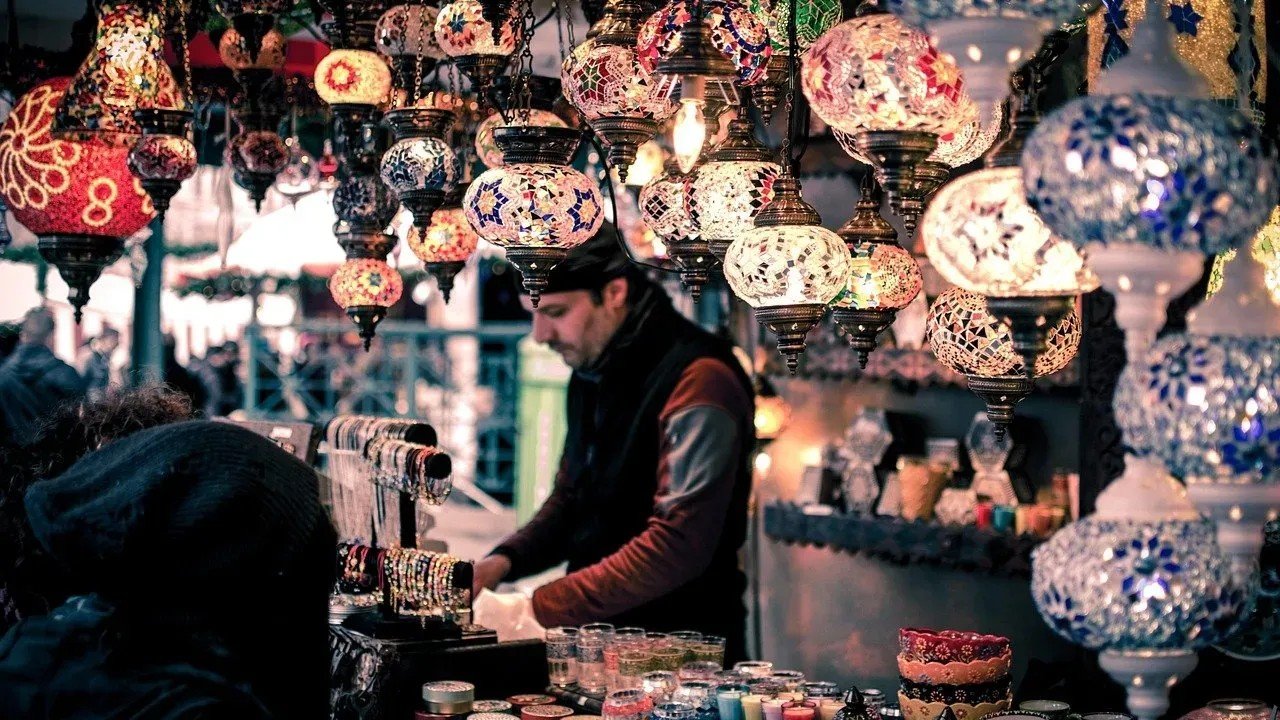
Bali is, without question, one of the most seductive places on earth for impulse shopping. The warm air, the intoxicating incense, the bursts of color at every market stall – your brain doesn’t stand a chance. You arrive with a modest budget and zero intention of bulk-buying knick-knacks, yet somehow end up waddling through Ngurah Rai Airport with an overstuffed bag and a vague sense of dread.
Here’s the thing: you’re not alone in this, and you’re not uniquely gullible either. In 2024, Bali welcomed 16.4 million visitors, up 7.9% from 15.2 million in 2023, and a significant slice of all those millions quietly handed over cash for things they’d later question deeply. Shopping and souvenir spending equals 11.04% of the average tourist spending in Bali – that’s real money going into real bags of stuff. Some of it meaningful, some of it… not so much. Let’s dive in.
1. The Barong Mask That Will Never Go on Your Wall
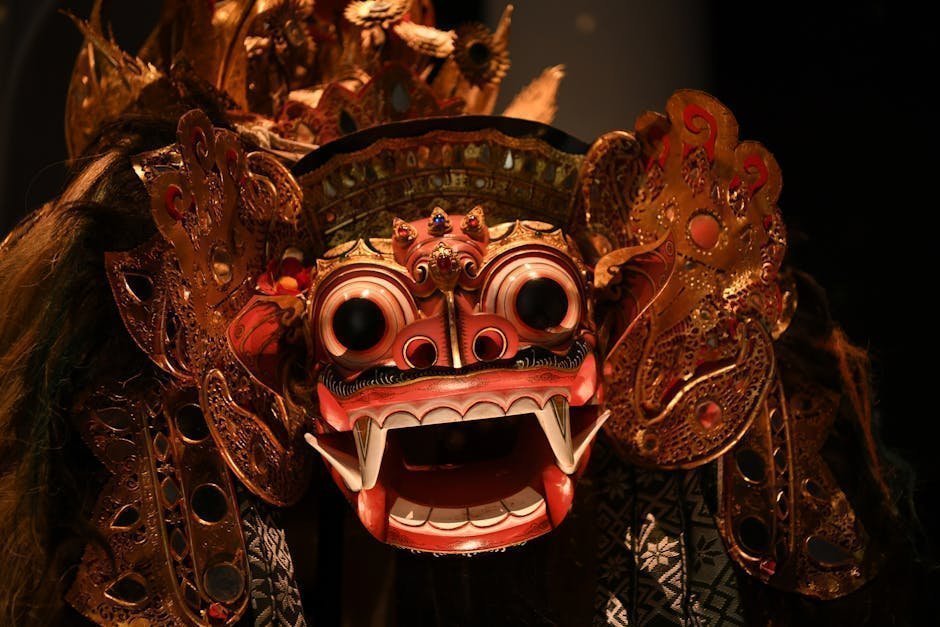
Hand-carved Balinese masks are among the most famous things to buy in Bali, traditionally used in dance performances such as Barong and Topeng, representing gods, demons, and mythical characters. In the market, under the yellow lantern glow, they look absolutely magnificent. You imagine them above your fireplace. You picture dinner guests asking about them.
Then reality hits somewhere over the Indian Ocean. The thing is heavy, the colors are aggressive, and it smells faintly of varnish. You get home and hold it up against the wall – and it looks like a Halloween prop, not a cultural artifact. Bali is famous for its wood carvings, batik textiles, and silver jewelry, but not all items sold as “handmade” are authentic. Many stalls sell machine-produced replicas that lack the craftsmanship of genuine Balinese art. The mask ends up in the garage within a month. Honest truth.
2. The Bintang Beer T-Shirt

If you’ve been to Bali, you’ve seen this shirt. If you haven’t, it’s basically the beer logo of Bali’s most famous lager slapped on a cheap cotton tee. The iconic Bintang beer T-shirt is still extremely popular. Tourists buy them by the armful, sometimes five at a time, convinced they’re giving friends a taste of island culture.
Street vendors sell cheap T-shirts featuring slogans, brand logos, and humorous designs, often for just a few dollars. Back home, you wear it once to a barbecue. Someone asks if it’s a brand. You explain. There’s a pause. The shirt goes into the back of a drawer, then disappears entirely at the next wardrobe clear-out. It’s the souvenir equivalent of a joke that was funny only in the moment you bought it.
3. Dreamcatchers (That Aren’t Even Balinese)

Here’s a fun fact that nobody tells you at the market stall: dreamcatchers are not a Balinese tradition. Not even close. Though not traditional Balinese, dreamcatchers are often sold as trendy decor items at markets. They’re Native American in origin, and the versions sold in Bali are mass-produced tourist merchandise with a tropical spin – some feathers, some shells, a splash of color.
Dreamcatchers, woven with webs, feathers, and beads, are popular souvenirs. You can easily find them in Bali’s markets, especially from local vendors selling these beautiful talismans. You hang one on your bedroom wall after returning home and feel vaguely proud. Then, about three weeks later, it starts shedding feathers on the floor. Then the string snaps. Then it’s gone. The whole thing cost you maybe four dollars, but the clutter it created was priceless.
4. Wayang Kulit Shadow Puppets
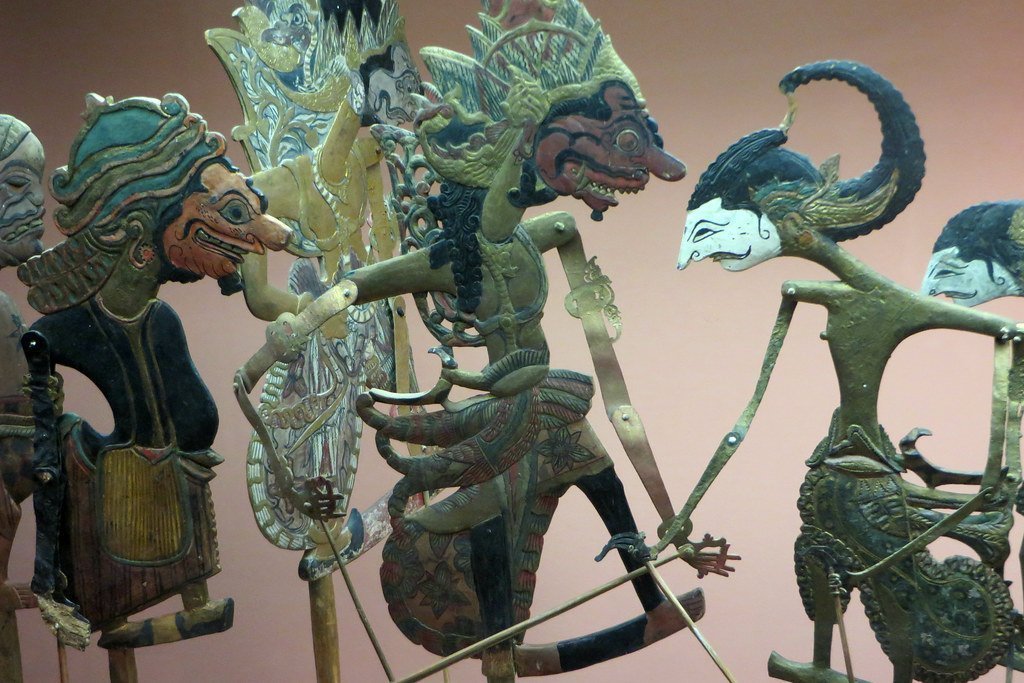
Traditional gamelan instruments and Wayang Kulit shadow puppets reflect Bali’s rich performance culture. While full instruments are large, miniature versions and puppets are popular cultural souvenirs. They’re genuinely beautiful objects – intricate, painted leather puppets used in ancient storytelling performances. In the shop, you’re sold on the artistry. You even look up “how to do shadow puppetry” on your phone while standing at the stall.
Spoiler: you will never, ever do shadow puppetry. The puppet sits on a shelf for a few weeks, accumulates dust, and slowly tips over every time someone opens the window. A key reason for souvenir buying is to bring back something tangible that will evoke memories of a trip – and honestly, this one does evoke something. It evokes the specific guilt of owning something you don’t know what to do with. Into the donation bag it eventually goes.
5. Fake Designer Bags and Sunglasses

Let’s be real about this one. Street vendors often sell knock-off designer bags, sunglasses, and watches. Be cautious, as quality can be poor, and it’s illegal to resell these items in many countries. In Bali’s markets, the pressure to buy is real and the prices are absurdly tempting – you can pick up what looks like a premium bag for the price of a coffee back home.
The problem is durability. While some high-quality replicas can survive everyday wear for a year or two, fake bags typically lack the durability of true leather or patented hardware found in authentic pieces. The zipper breaks. The stitching pulls loose. The “leather” peels. Some countries confiscate counterfeit goods at customs, which can make the whole purchase feel even less worthwhile in retrospect. The bag that looked amazing under a market light becomes painfully obvious for what it is in full daylight at home.
6. Mass-Produced “Handmade” Wood Carvings
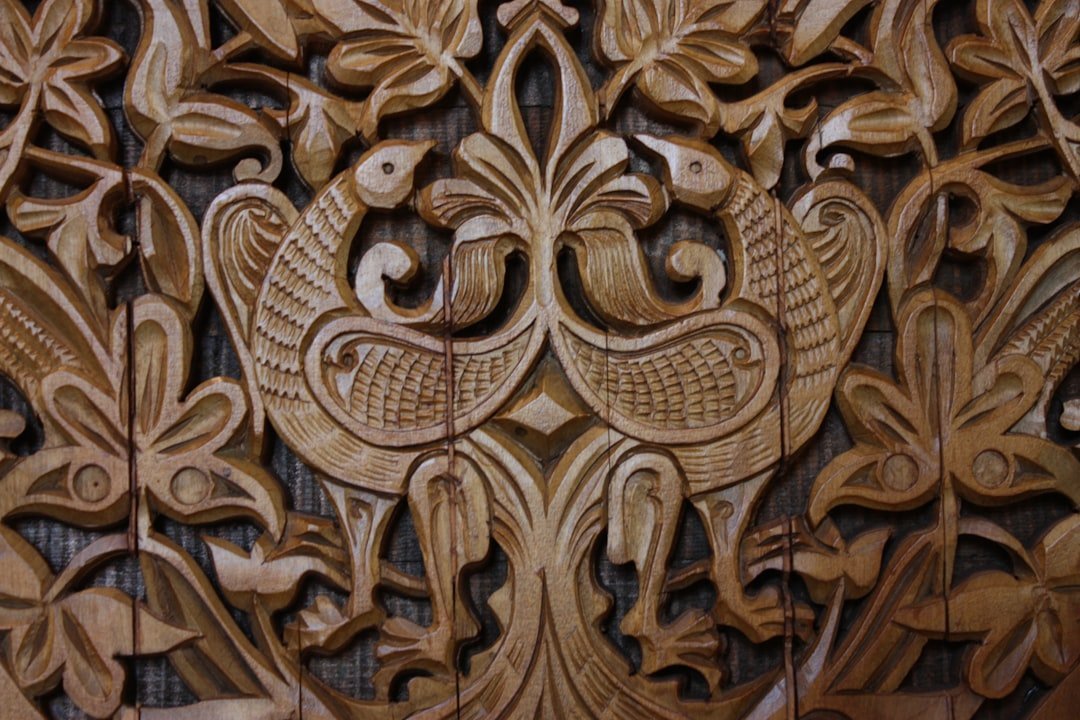
Bali has a genuine, centuries-old tradition of extraordinary wood carving. Villages like Mas and Singakerta near Ubud are famous for real artisan work. Bali is famous for its intricate wood carvings and handmade crafts. From decorative masks and statues to beautifully crafted furniture, there are plenty of carvings small enough to fit in your suitcase that make perfect souvenirs and gifts. The key word is “can.” Not all of them do.
Most souvenirs you’ll find in Bali markets are made in China, not locally on the island. That little wooden Ganesh or frog that you paid ten dollars for at a busy Kuta stall? It almost certainly wasn’t hand-carved in Ubud by a fifth-generation artisan. Many items are overpriced, mass-produced, or even harmful to the environment. You get home and put it on the kitchen windowsill, where it collects grease from cooking and begins to look slightly sinister. Not exactly the spiritual energy you were going for.
7. The Sarong You’ll Never Wear Again
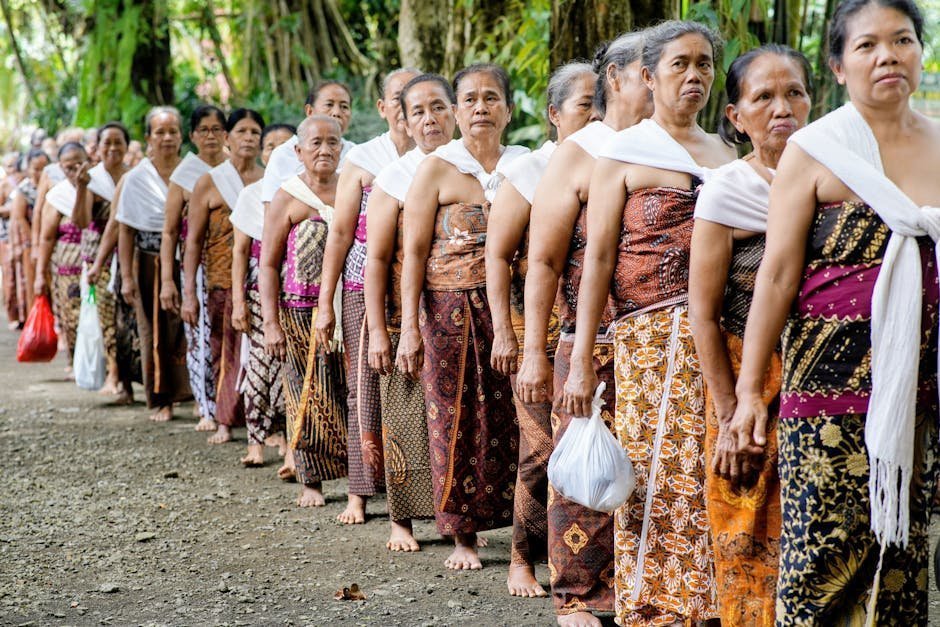
Sarongs are one of the cheapest things to buy in Bali. They are light, compact, and easy to pack, making them ideal for souvenir takeaways. In the heat of Bali, you genuinely use one every day. You wrap it around your waist at the beach, wear it over your shoulders at a temple entrance, use it as a makeshift shade on your balcony. It feels incredibly practical and deeply “you.”
Back home in a colder or more reserved climate, the sarong’s usefulness collapses almost entirely. Sarongs and Bali-style clothing are widely available, but many market vendors inflate tourist prices. Some are synthetic copies rather than the traditional batik prints made with natural dyes and wax techniques. You try wearing it as a scarf once. People look at you funny. It ends up folded in a drawer, occasionally rediscovered, occasionally sighed over with nostalgia. Then washed and donated.
8. Cheap Incense Sticks in Industrial Quantities
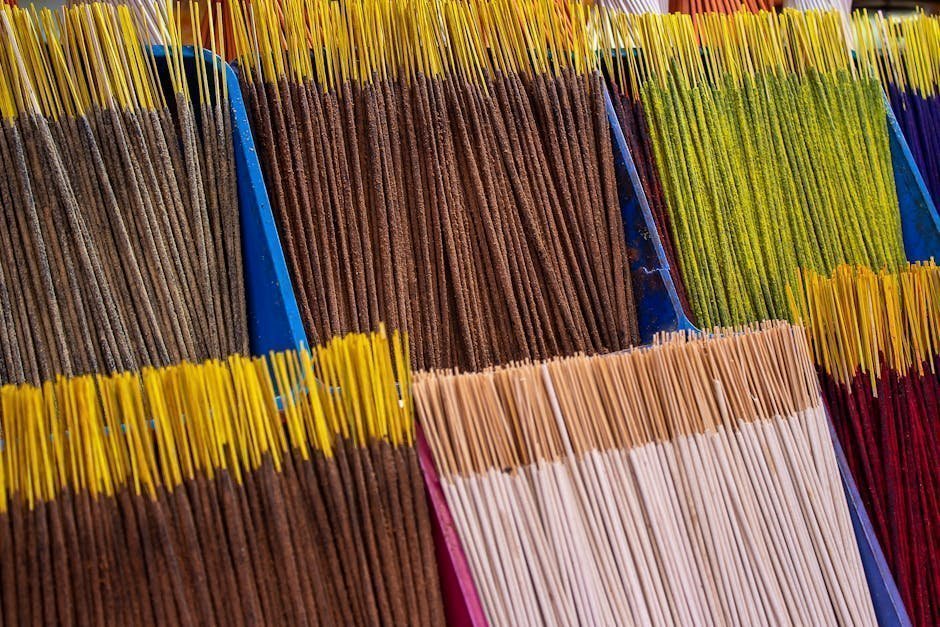
The scents of Bali’s dupa – incense – are more than just pleasant aromas; they are a bridge to the divine and one of the cheap things to buy in Bali. The use of incense in Bali is deeply rooted in the daily practice of Balinese Hinduism, where it’s used to purify the air and invite positive energy. In Bali, the incense is everywhere and it smells genuinely wonderful – frangipani, sandalwood, and jasmine drifting through temple courtyards. You buy three bundles. Then five. Then ten, because they’re so cheap.
At home, you burn one stick and your smoke alarm goes off. You open the windows. Your partner looks skeptical. These incense sticks, or dupa, are one of the best and easiest to carry Bali souvenirs. Floral scents such as frangipani or champak, often mixed with sandalwood, are two of the most common fragrances you’ll smell while exploring the island. The problem is that without the humid Balinese air, the open courtyards, and the whole tropical backdrop, burning cheap incense in a suburban home smells less like spiritual ritual and more like you’re covering up a cooking disaster. You still have nine bundles left, three years later.
9. Fridge Magnets and Keychains
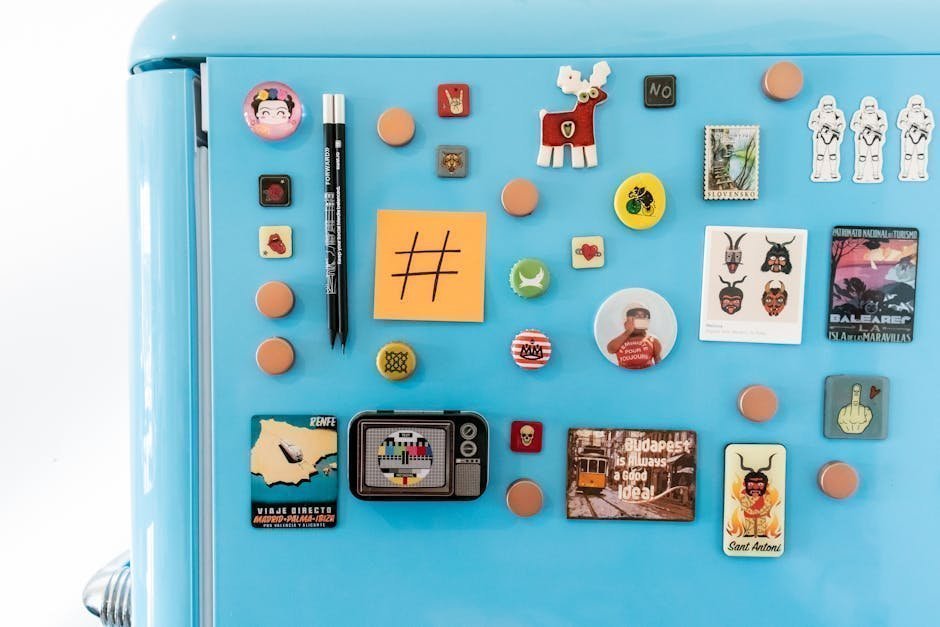
Fridge magnets are a classic souvenir, and Bali does not disappoint. These tiny collectables feature everything from sunsets and surfboards to temples and cheeky monkeys, capturing the island’s vibe in bite-sized form. Everyone buys them. It’s almost a reflex at this point. They’re cheap, they’re lightweight, and they feel like evidence that you were somewhere meaningful.
One of the main reasons people buy souvenirs is as gifts for the people back home. For example, some people insist on buying a fridge magnet for every member of their family every time they go away. The psychology behind that impulse is documented – it’s about signaling connection to the people you’ve left behind. The reality, though, is that the magnet from Bali ends up crowded on a fridge with twenty other magnets from twenty other trips, indistinguishable and slowly forgotten.
10. Bohemian Beaded Jewelry
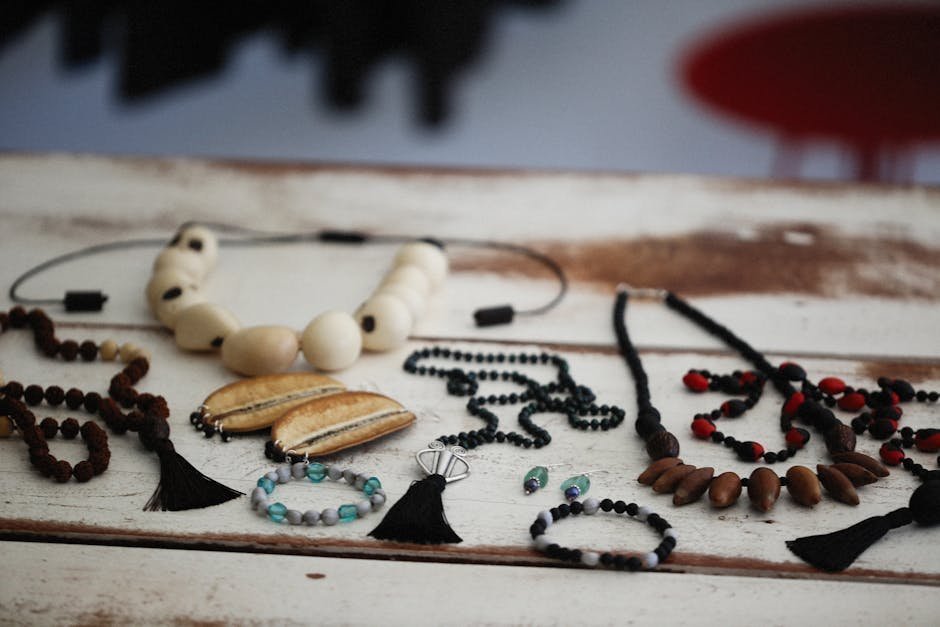
Colorful beads made into bracelets, necklaces, and other accessories are widely available across every market in Bali, and they look spectacular against a tan in the Seminyak sun. The colors are vivid, the prices are almost laughably low, and the vendors are charming. You buy six bracelets and three necklaces, convinced you’ve developed a whole new personal style during your holiday.
Then the cold grey light of home strips the magic away. The psychology behind retail therapy is well-documented. There are therapeutic benefits, like a chemical dopamine release, that come with buying objects simply for their aesthetic qualities. That dopamine spike is real – it’s just temporary. The beaded jewelry, which seemed so perfectly “Bali,” looks out of place in an office environment or a rainy Tuesday at the supermarket. The elastic weakens after a few wears. A bead pops off and rolls under the sofa. The rest follows shortly after.
Why We Keep Doing It Anyway
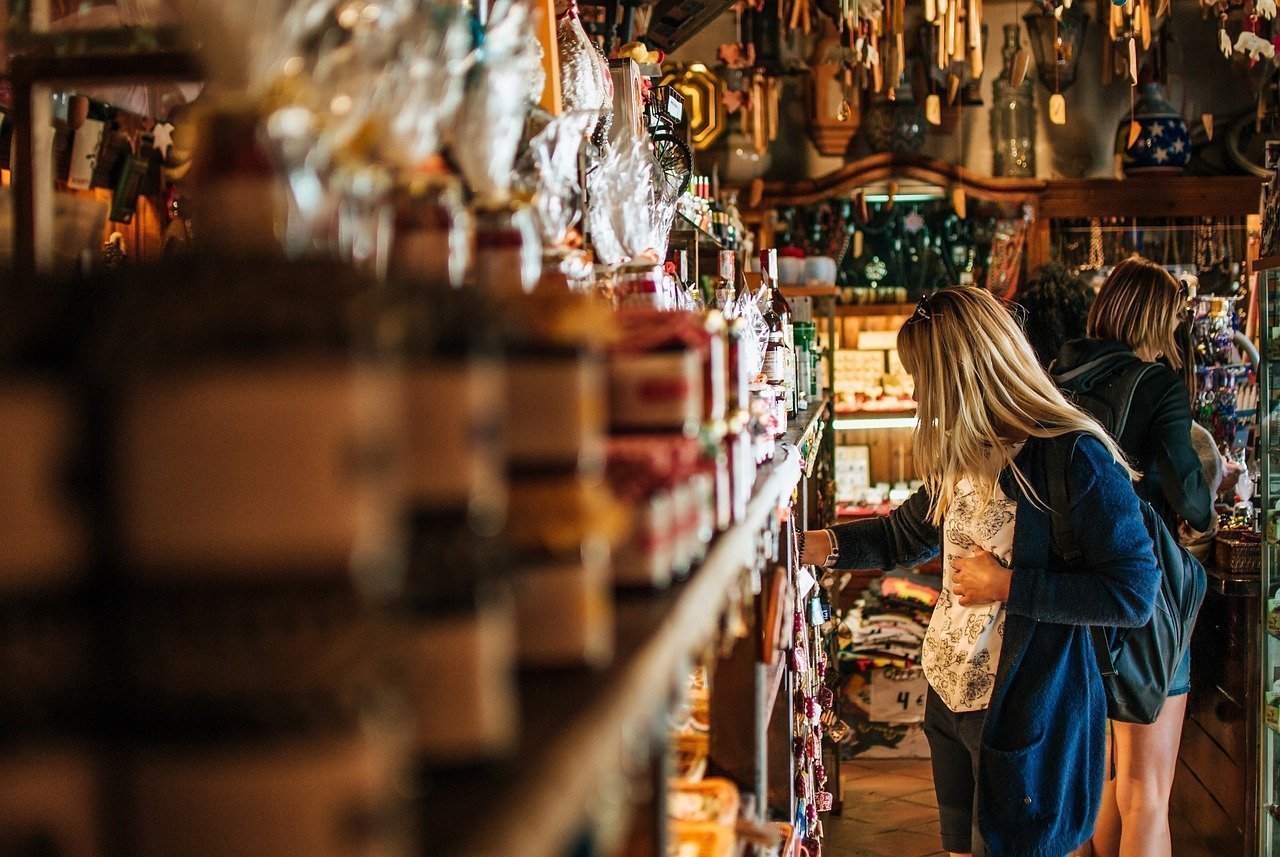
Souvenir buying has previously been thought to be all about status – filling our homes with evidence that we are adventurers who have been to exotic far-away places. More recently it’s come to be seen as more nuanced than that, with souvenir buying offering opportunities for self-expression, personal development, and maintaining social connections. Understanding that doesn’t stop you from doing it, of course. The pull is deeply human.
It has to do with the way our brains are hardwired, which lends itself to the addictive nature of consumerism and collecting, as well as the excitement of shopping while on travels – where unfamiliar items appear exotic and alluring. Context is everything. A carved turtle looks extraordinary on a sunlit market shelf in Ubud. In your apartment in Frankfurt or Melbourne or Chicago, it’s just a wooden turtle. For those who want to shop more responsibly, seeking out items that are produced locally and have a genuine use or purpose is a smarter choice. Travelers have also become increasingly aware of their environmental footprint, and the notion of waste is shedding new light on the souvenir industry.
Next time you’re standing in a Balinese market, about to hand over a stack of rupiah for something shiny – pause for just one second. Ask yourself honestly: will this still feel like Bali in six months? Or will it just feel like clutter? Sometimes the answer will still be yes, buy it. But sometimes, the most honest souvenir you can take home is the memory itself. What would you have bought? Tell us in the comments.