
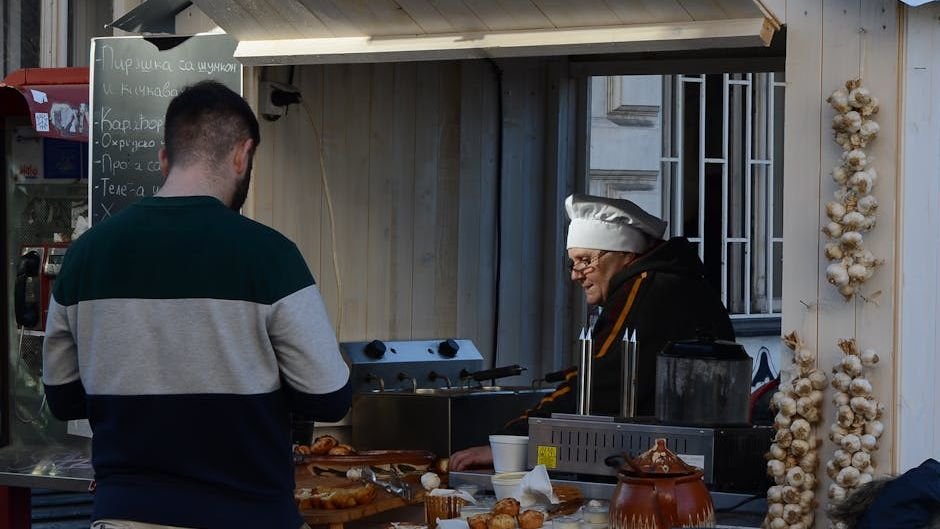
There is something almost magical about finding a street food stall in a foreign city, the kind of place where smoke curls off a grill, a vendor moves with the quiet confidence of someone who has made this dish ten thousand times, and the line stretches around the corner. That feeling is real. The problem is that an entire industry has been built to fake it.
The global street food market was valued at nearly $250 billion in 2024, and with that kind of money on the table, it should surprise no one that tourist-facing stalls have learned to mimic the look of the real thing. Spotting the difference is easier than you think, once you know what to look for. Let’s dive in.
1. The Glossy Photo Menu That Looks Like a Travel Brochure
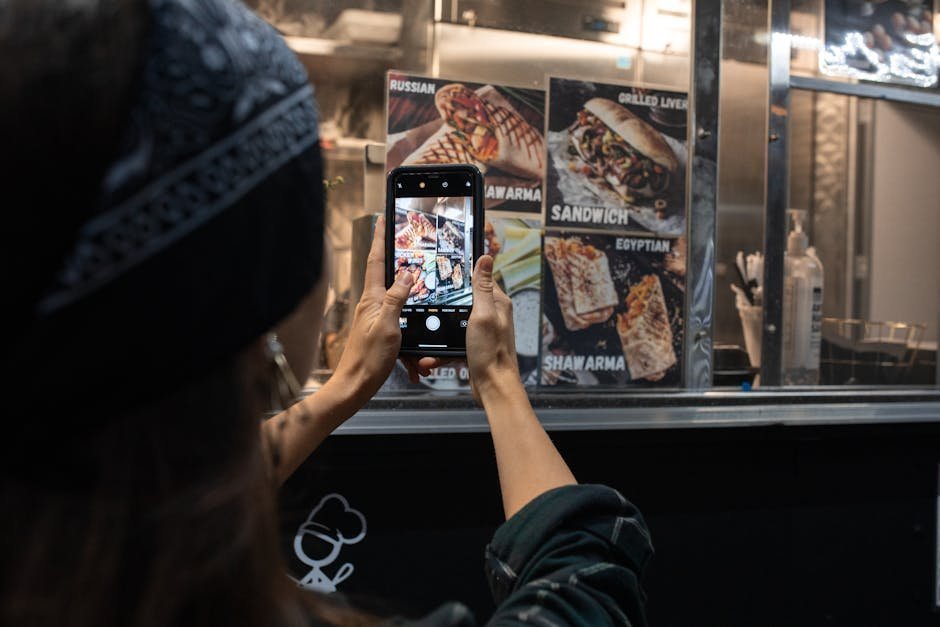
There’s something instantly suspect about any menu that appears to have been printed by the same company that makes calendars and travel brochures. When every dish is showcased in a high-gloss, perfectly lit glamour shot, you’re often looking at a stall that relies more on visual persuasion than actual cooking.
The photos are there because the place assumes you don’t know what you’re ordering, that you need visual reassurance before committing. Local regulars don’t need that. They already know what’s good.
If there are pictures of the food on the menu, there’s a good chance tourists eat there. Why would a genuinely good local stall need to show its customers what a dish looks like? The assumption is that locals already know. It’s like a jazz club putting up sheet music for the audience. Trust the places that assume you know what you came for.
2. A Menu in Five Languages with Plastic Lamination
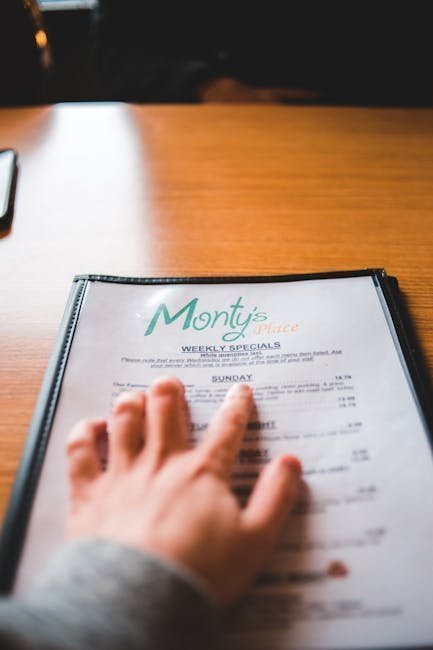
Many experienced travelers agree that multilingual menus with pictures of food and plastic covers are the ultimate signs of a tourist trap. It feels helpful on the surface, sure. But step back and think about what it actually signals.
Here’s what multilingual menus really signal: this stall expects to serve primarily tourists, and has optimized everything around that expectation. Local spots might have an English menu available if you ask, or a laminated translation sheet that someone’s cousin made on their computer. But when you’re handed a menu with tabs for English, German, French, Japanese, Mandarin, and Spanish, you’re not in a place where locals eat.
If everyone speaks fluent English and there are no signs of local language conversation among vendors and customers, it’s a huge red flag. Locals usually frequent places where they can communicate easily. Honest truth, a menu scrawled on a chalkboard in the local script is almost always a better sign than a glossy bilingual booklet.
3. The Stall Is Parked Directly Next to a Famous Landmark
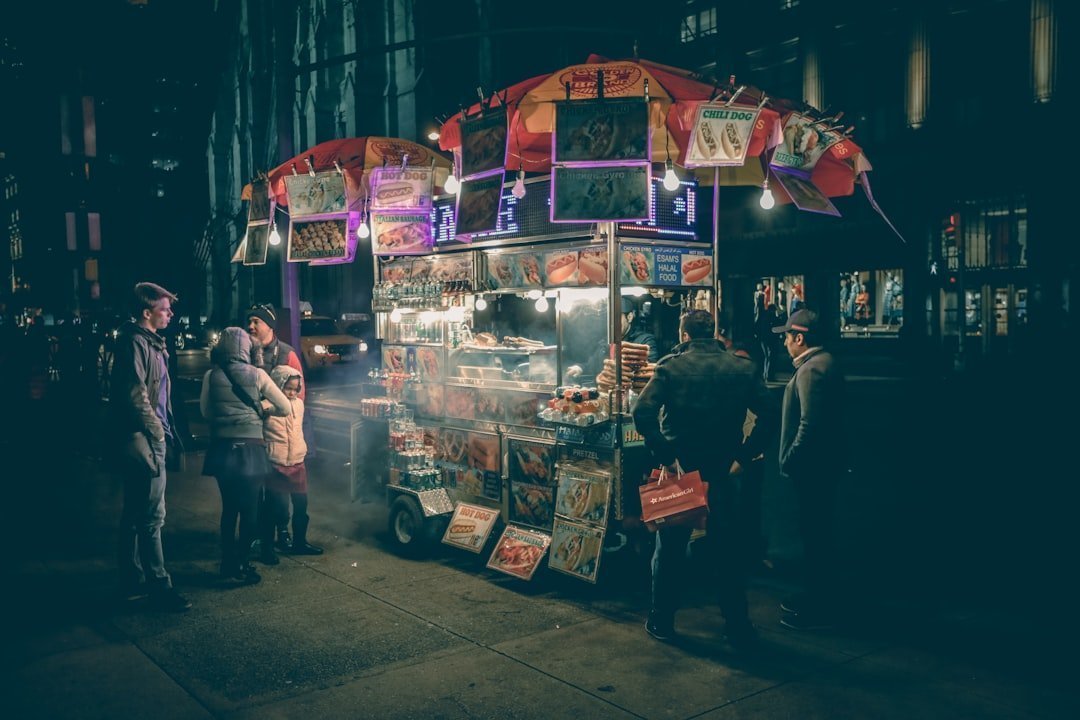
If a stall is parked so close to a famous landmark that you could practically lean out the window and touch history, hit the brakes. This is one of the oldest tricks in the tourist food playbook, and it works because hungry travelers are tired and distracted.
Close proximity to a tourist attraction likely means higher prices to cover expensive rents. Eating outside and gazing at a beautiful historic site is exactly what the owner is hoping you want to do. Most locals will not eat at a stall closely located to one of these attractions.
In Barcelona, Las Ramblas is one of the most overrated parts of the city for food, full of overpriced eateries serving mediocre food. The lesson holds everywhere, from Bangkok to Rome to Mexico City. Walk ten minutes in any direction away from the postcard view and prices drop, quality rises, and suddenly you can hear yourself think.
4. Aggressive Street Touts and Pushy Greeters
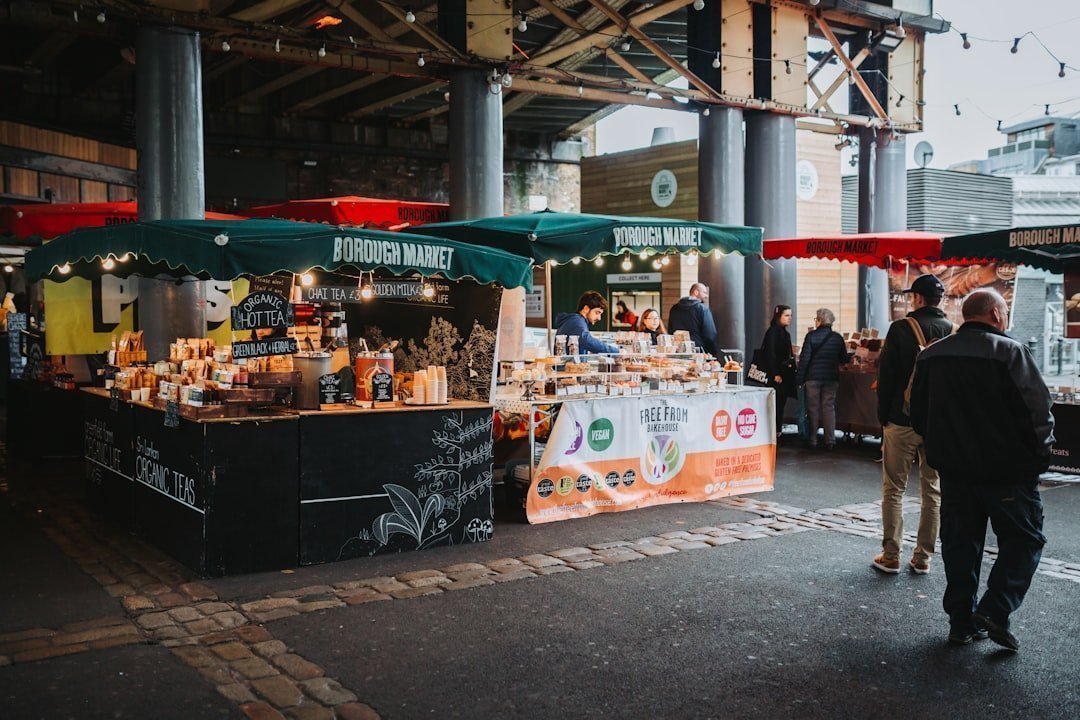
There is one specific type of stall in tourist areas you should avoid: places where a staff member is standing outside the entrance, urging you to try their “authentic, local cuisine.” If a stall relies on servers to pull in tourists, it’s often a sign that this location is a tourist trap.
In truly authentic markets, vendors are busy serving their regulars and preparing food. They don’t have time to chase after every passerby. If you’re being constantly beckoned, offered “free” samples, or pressured to buy, you’re likely in a tourist zone.
It’s rare to find an authentic stall with genuinely good food that requires an additional push from employees to attract customers. Most stalls worth eating at will have built a reputation amongst locals, who you’ll see enjoying their meals. That is a much better indicator than someone trying to drag you in off the street. Real street food vibe? The vendor barely looks up.
5. No Locals in Sight – Only Tourists Eating There
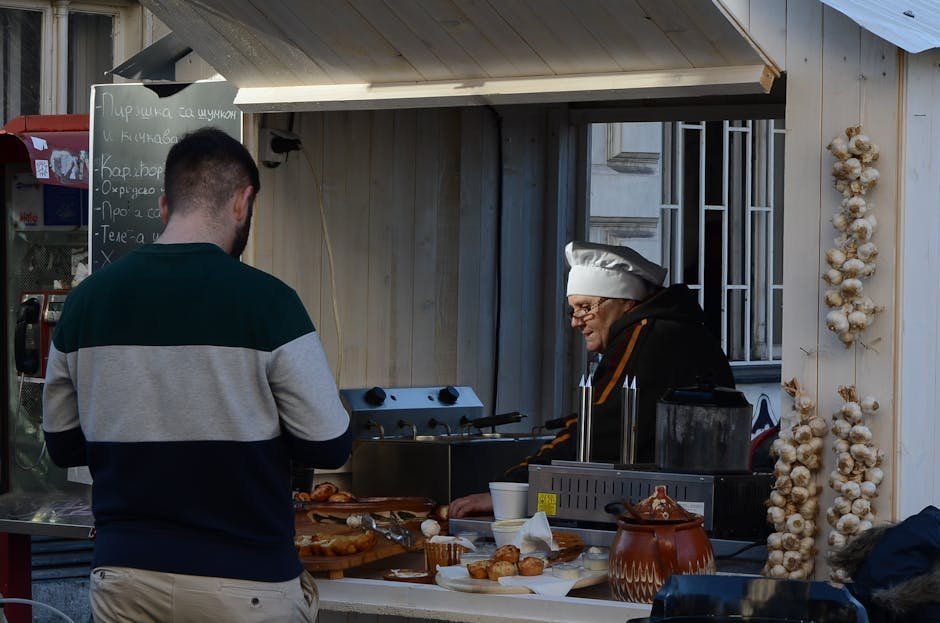
If you want a quick read on whether a stall leans touristy, start by observing who actually eats there. If the crowd is filled with people who look like they’ve stepped off a sightseeing bus, cameras still dangling from their necks, that’s usually a clue. Locals skip places built around convenience and photo ops. They already know the neighborhood and its food, so if none of them are choosing to eat there, it’s worth wondering what they see that you don’t.
The crowd composition test is arguably the golden rule. Look around. Are there more locals than tourists? If you’re surrounded by selfie sticks and fanny packs, you’re likely in a trap. Locals know where the good, affordable food is.
Honestly, this sign alone can save you more bad meals than any guidebook ever written. If grandmas are in line, if workers are eating with both hands and no photos, if no one is asking the vendor how to pronounce the dish name, you’ve probably found somewhere worth your money.
6. The Menu Is Enormous and Tries to Please Everyone
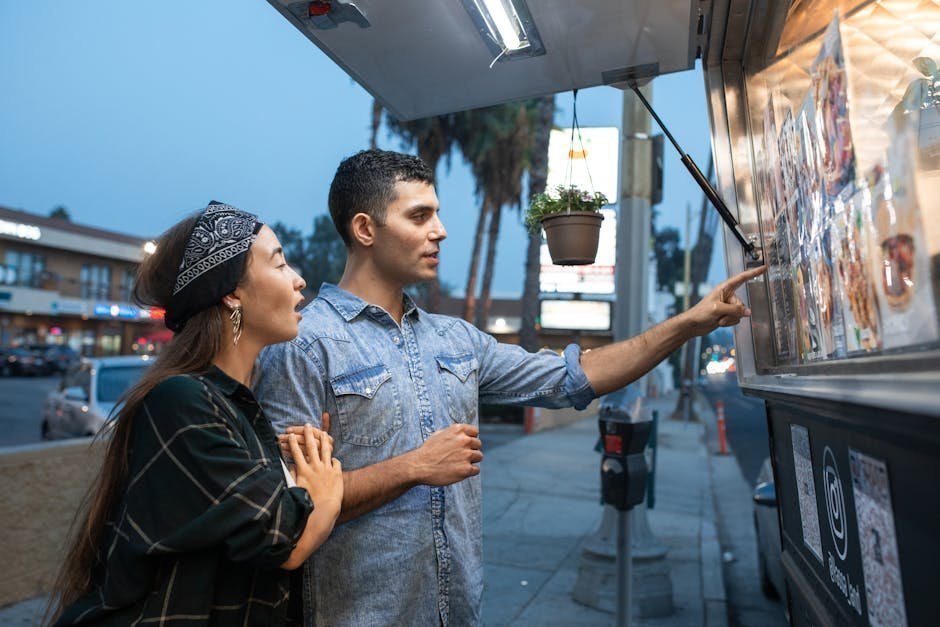
A sprawling menu is often built for crowds that are passing through. Tourists arrive with different tastes, so the stall tries to satisfy them all with one big list of dishes. What comes out is food that feels more assembled than crafted. Ingredients get repurposed in ways that keep inventories cheap and preparation quick.
If a stall claims to serve perfect paella, perfect pasta, and perfect pizza all in one place, they’re likely serving perfectly frozen everything. Real restaurants specialize.
A focused menu signals confidence. When a chef narrows their scope, they can pay attention to technique and consistency. A stall that only does noodles or only does grilled meat usually does it well, because it isn’t trying to sprint between four continents in a single service. A place that promises everything often delivers little. Think of it like a Swiss Army knife versus a chef’s blade. One looks impressive. The other actually cuts.
7. Prices Are Wildly Out of Step with the Neighborhood
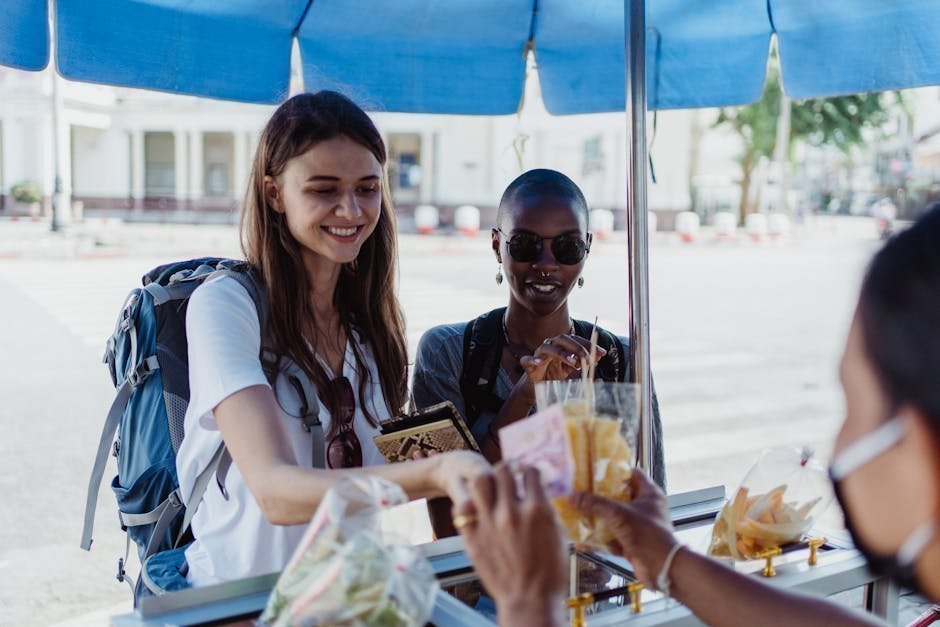
When a stall is banking on tourists, the prices tend to creep well beyond what locals would ever tolerate. It’s not uncommon for stalls around major tourist spots to be a little more expensive. Rent is high, foot traffic is continuous, and convenience has a cost. But wildly inflated pricing is a sign that the vendor expects customers who won’t compare prices, and won’t realize they paid double for something half a block away.
It’s telling when one street has stalls charging eight euros for a dish, and the next street over, the same thing costs twenty-four euros. That’s not about quality. That’s about foot traffic and tourist density. Follow the pricing gradient away from tourist attractions, and you’ll find better food for less money.
Exorbitant prices are the most obvious sign of all. If a simple street snack costs more than a sit-down meal elsewhere in the city, you’re being overcharged. There is no polite way to say it. It’s fleecing, plain and simple.
8. The Food Looks Suspiciously Identical to the Menu Photo
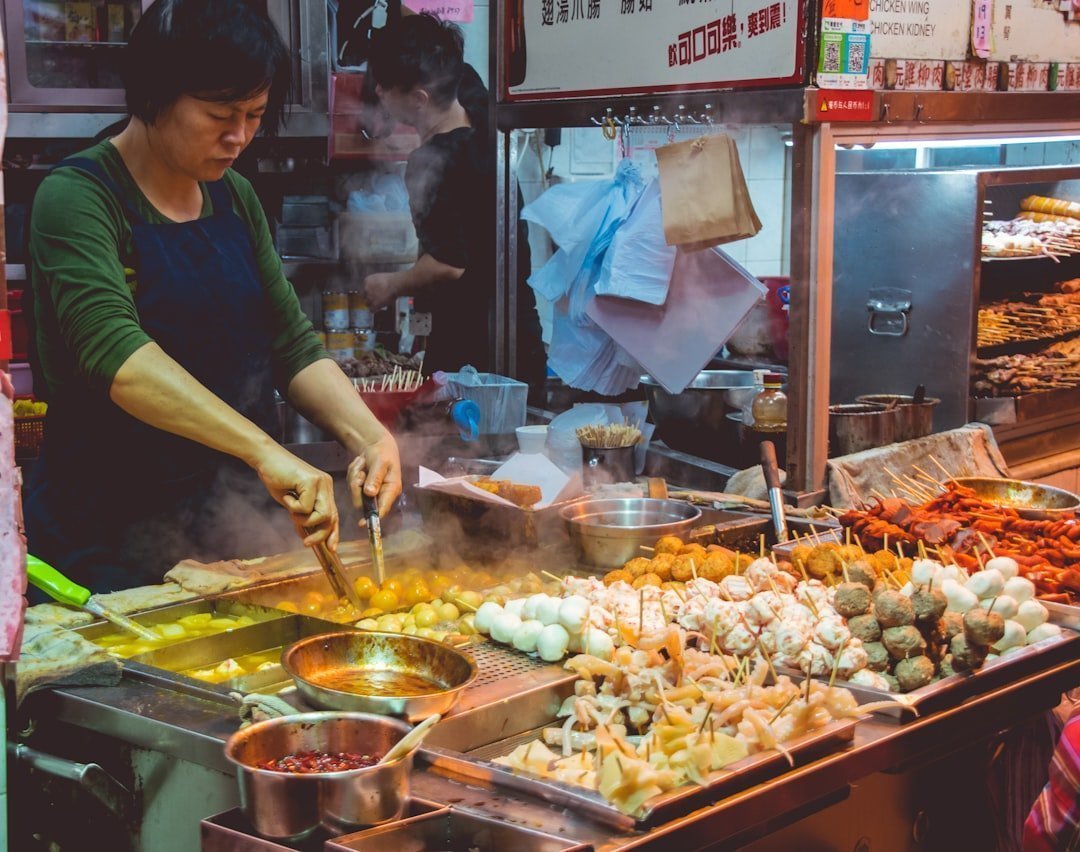
There’s no shame in sitting down, ordering something safe, and then realizing halfway through that the food looks suspiciously identical to the photo in the menu, down to the parsley garnish. That near-perfection is actually the problem. Real handmade food has variation. It has imperfections.
Tourist-facing stalls prioritize volume and convenience over authenticity, often serving watered-down versions of regional dishes tailored to foreign palates. Think of it like the difference between a handwritten letter and a printed form. Both deliver a message. Only one actually means something.
Research published in the Journal of Foodservice Business Research in 2024 found that street food experiences significantly influence perceptions of authenticity for international tourists, and that authentic experiences drive positive behavioral intentions like return visits and word-of-mouth recommendations. When the food is a costume rather than a culture, those intentions evaporate. Travelers feel cheated, and they should.
9. The Stall Uses the Word “Authentic” Everywhere
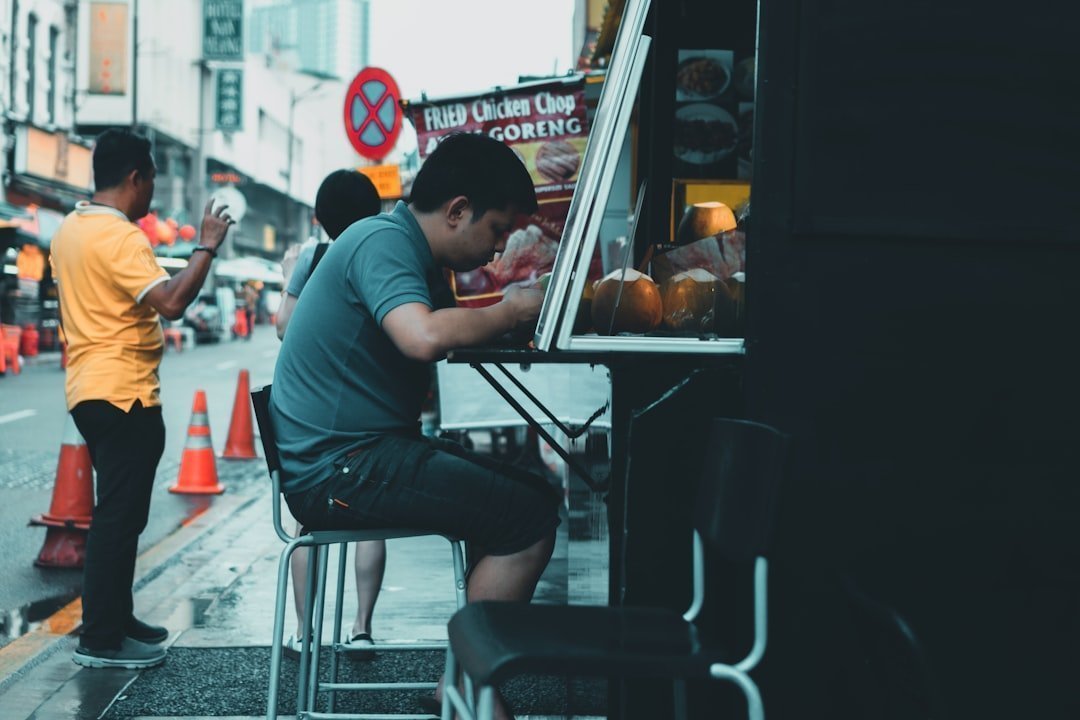
A stall that feels it needs to use the word “authentic” in every description is a very likely tourist trap. Many genuinely authentic stalls have locals dining there and do not need to advertise their authenticity. This is almost a law of culinary travel. The louder the claim, the hollower the dish.
Tourists often flock to places advertising “authentic local cuisine,” trusting the signs without realizing that locals spot red flags immediately. Experienced diners have a keen eye for stalls that cut corners, overcharge, or dilute their cultural recipes for tourist trends. These subtle clues are often invisible to visitors who are just excited to try local food.
Street food culture provides travelers with authentic and budget-friendly food experiences while playing a significant role in local economies and cultural preservation. The real version of this does not require a neon sign. When something is the real deal, the food does the advertising all by itself.
10. All the Reviews Online Are in English – and Suspiciously Glowing

If you’re in a foreign country and almost every review on a platform is in English, the place is almost certainly a tourist trap. It sounds harsh, but it holds up remarkably well as a rule of thumb.
Review platforms like Yelp, Google Reviews, and TripAdvisor can be helpful, but should be used carefully. Look for what locals are saying rather than relying on tourist reviews. Beware of overly positive or negative reviews. Focus on balanced reviews that provide specific details about the food and atmosphere.
Pre-consumption promotional touchpoints such as social media celebrities and online food bloggers have been shown to positively influence the desire to consume street food from specific vendors. This is how an average stall can end up with a queue down the street and a five-star reputation it hasn’t truly earned. I think the smart move is to look for reviews from accounts that are clearly local, even if you have to translate them.
Conclusion
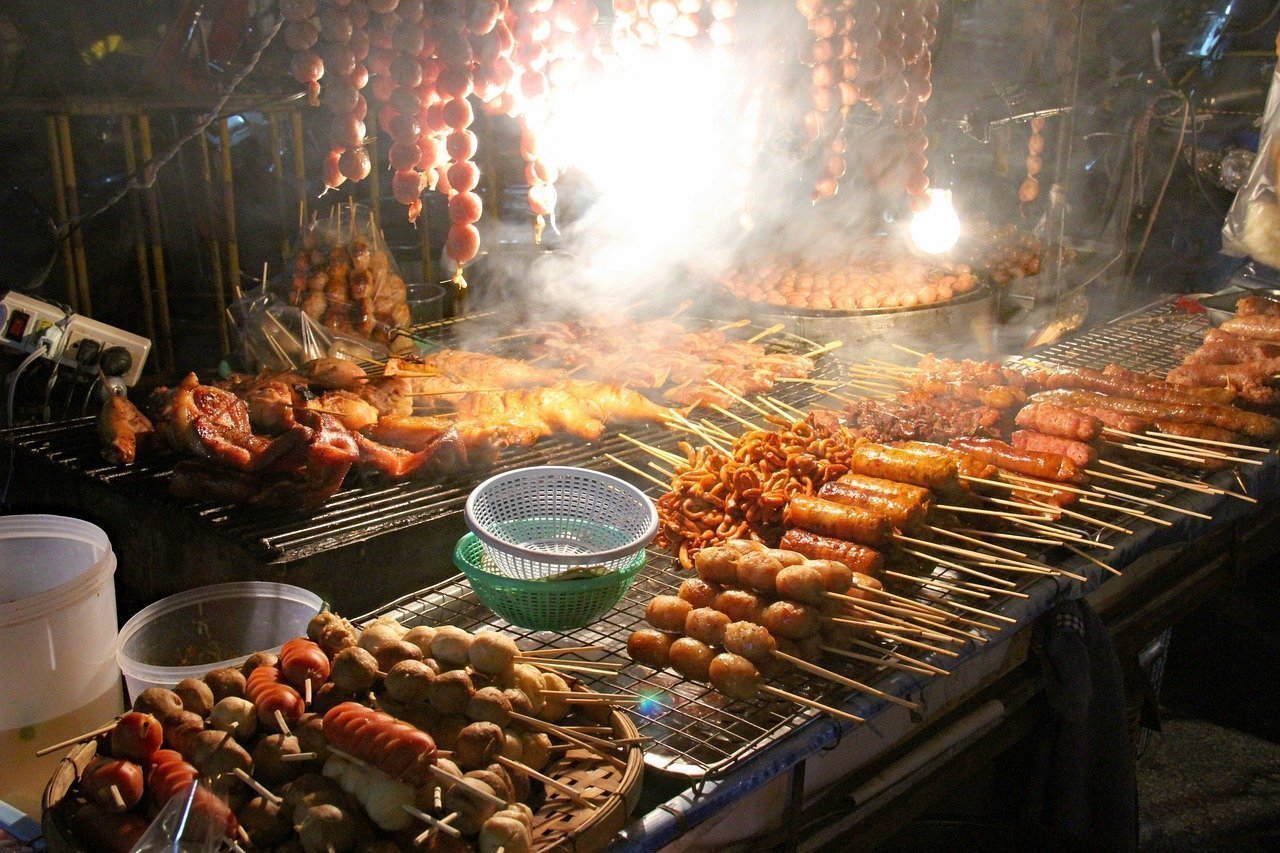
Many visitors unknowingly spend their meals in overpriced, generic stalls designed for tourists, missing the soul of local gastronomy. Authentic local food isn’t just about flavor – it’s a window into tradition, history, and community. The challenge lies in distinguishing genuine culinary experiences from polished imitations.
The good news? Avoiding the tourist traps costs you nothing except a little advance research. Step off the obvious path, walk a few extra blocks, and you will find the food that actual residents eat every day.
When tourists have positive, genuine street food experiences, their perception of the destination is also positive, leading to higher satisfaction, positive word-of-mouth behavior, and a higher likelihood of returning. The real meal, eaten at a plastic stool behind a fogged-up wok, is often the one you remember for years. The tourist trap version, no matter how photogenic, is usually forgotten by the time you get back to your hotel.
What’s the most obvious tourist trap meal you’ve ever accidentally ordered? Tell us in the comments.