
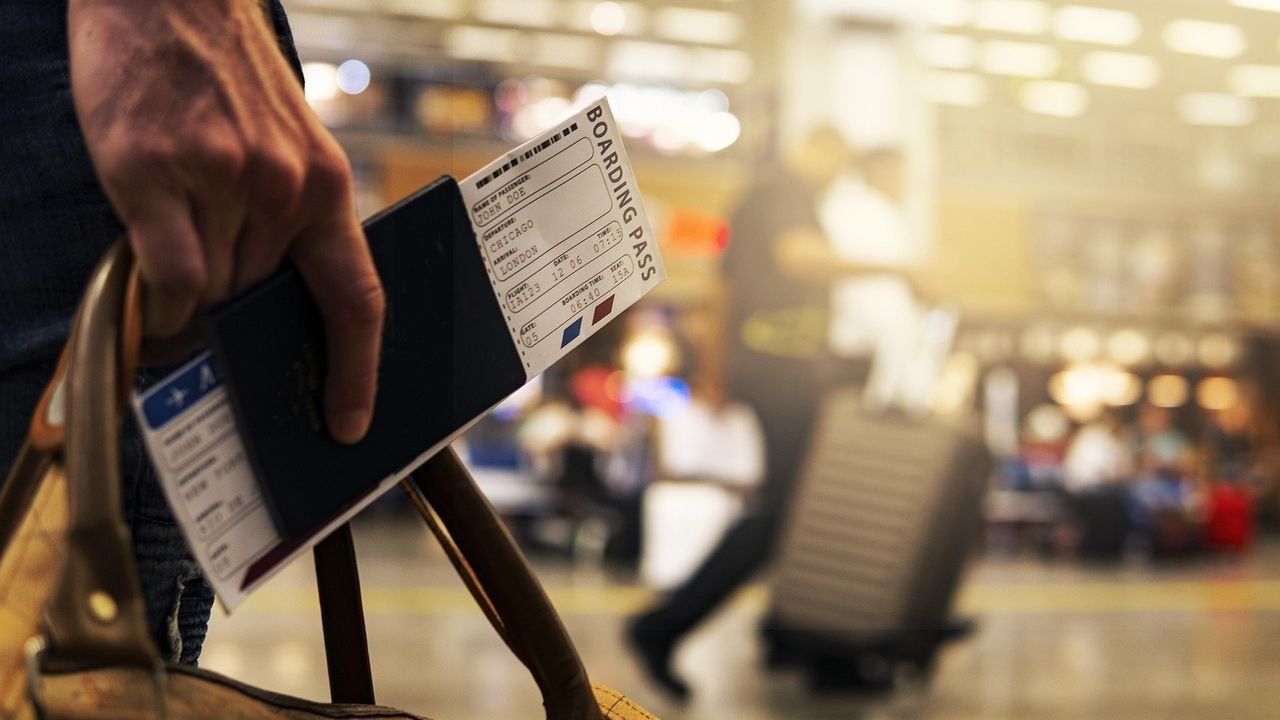
Airport baggage claim used to be the most boring part of any trip. You stand, you wait, you grab your bag, you leave. Simple. Except now it’s become one of the most targeted environments for organized crime, identity fraud, and elaborate criminal setups that can land an innocent traveler in a jail cell. The so-called suitcase swap scam has quietly evolved into a global problem, and it’s happening at major airports from Los Angeles to Frankfurt to the Philippines. If you’re a frequent flyer and you haven’t heard about this yet, read carefully – because the next victim could genuinely be you.
Theft at the Carousel Is at Record Highs
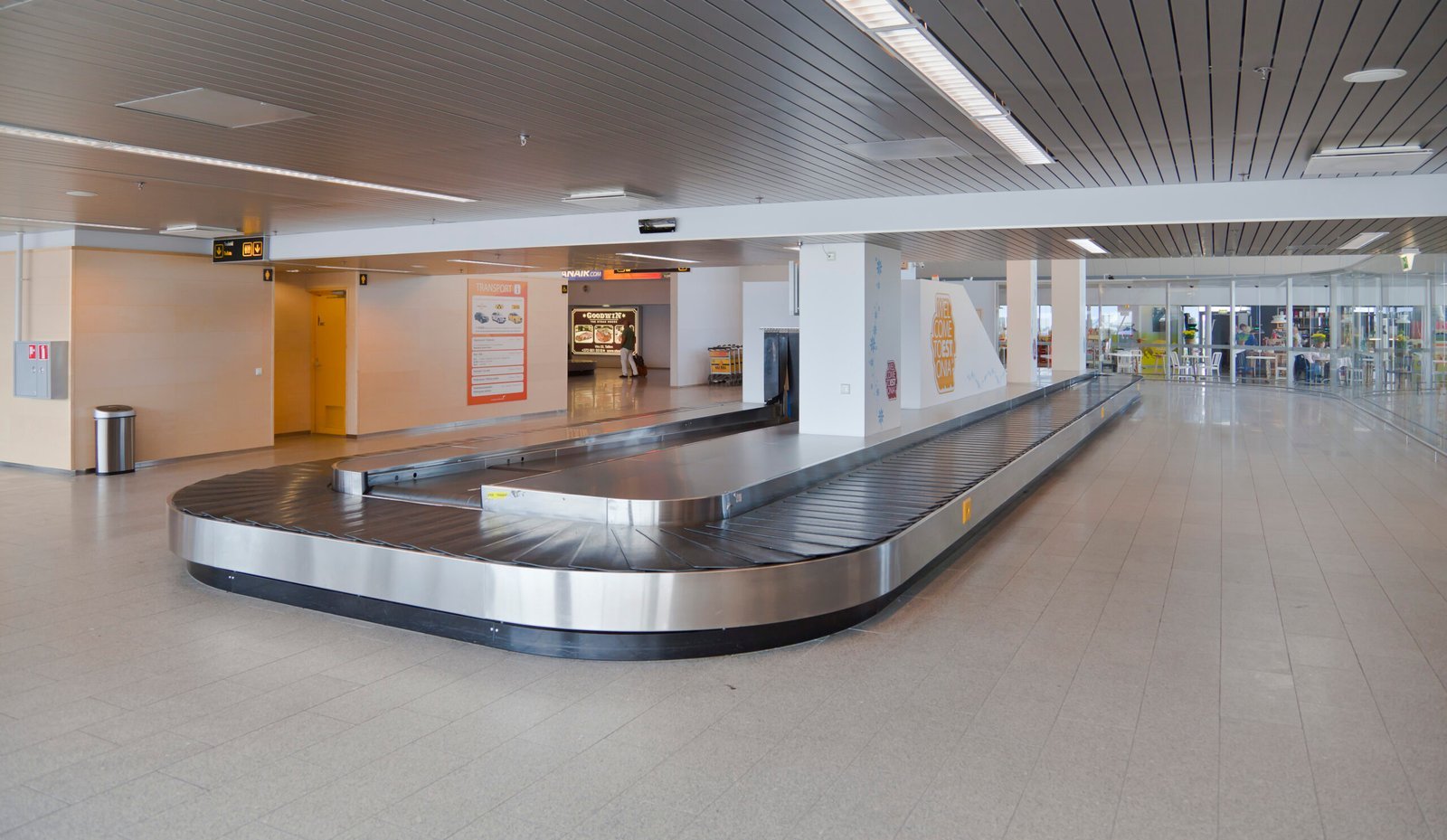
At Sea-Tac Airport alone, reported incidents of bag theft soared from a low of 97 in 2011 to a record high of 477 cases in 2022. That’s not a blip – that’s a sustained, multi-year surge that mirrors what’s happening at airports across the country. Records show that cases of baggage theft have increased over the years at Sea-Tac, especially after the post-pandemic crush of passengers.
Similar thefts from the luggage carousel have been reported in Germany, Charlotte, San Jose, Philadelphia, Denver, Miami, and Fort Lauderdale. The pattern is clear and consistent across multiple cities and multiple countries. In the latest research, DFW in Dallas is the airport with the highest incidence of baggage theft in the U.S., followed by Los Angeles and Atlanta – America’s three busiest airports, with the highest passenger volume, long walking distances, and crowded baggage claim areas.
Organized Groups Are Specifically Targeting Baggage Carousels
Picture this: you’re scrolling your phone while waiting for your bag. A stranger lifts a similar-looking suitcase and walks away. It happens daily. Organized groups target busy carousels, knowing most travelers don’t notice until it’s too late. This isn’t random opportunism. These are coordinated operations with specific roles, and members scout out bags that are identical or near-identical to give themselves plausible deniability at any checkpoint.
Analysis of five years’ worth of incident reports at Nashville International Airport found that nearly every reported theft happened at baggage claim, and many of the alleged thieves kept coming back and taking more bags off the carousels. More than a third of those reports said the thefts were committed by repeat offenders accused of stealing luggage from the terminal on multiple occasions, who had been previously identified in multiple thefts and had criminal histories.
The Drug Swap: When Your Bag Becomes a Criminal’s Tool
In a more sophisticated scam, baggage handlers swap drug-filled luggage for checked bags, even switching the luggage tags. If the drugs are found, the passenger whose name is on the tag is blamed, while the criminals get off scot-free. Two tourists in Germany were victims of the scam in 2023 and spent 24 hours in prison before officers confirmed the bags weren’t theirs. This is not just theft. This is a deliberate criminal setup, using an innocent traveler as a human shield.
Drugs are sometimes smuggled in unsuspecting passengers’ checked bags by airline workers hoping to pass them off to another worker at the destination city. If found by a drug-sniffing dog, however, the owner of the bag could get in trouble – not the airline staff. The gap in accountability is what makes this scam so dangerous. While it’s hard to avoid such scams – especially when they’re an inside job – locking and wrapping your bags could help make you less of a target. Consider also taking a picture of your luggage at the baggage drop, in case they get swapped with fakes.
Insider Theft: The Enemy Within the System
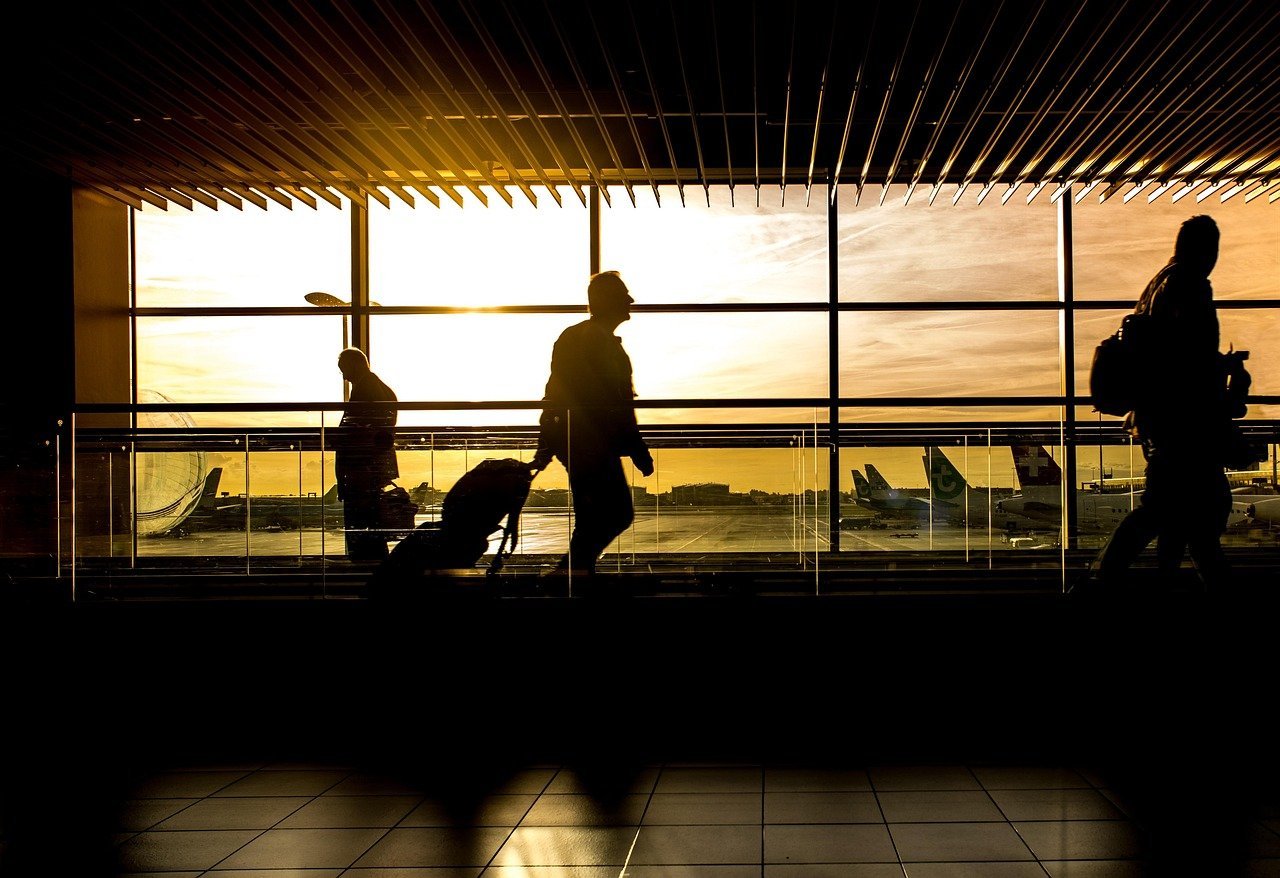
Airports worldwide have reported insider thefts where baggage handlers quietly remove valuables or even entire suitcases. A traveler at Fort Lauderdale-Hollywood used an AirTag to trace his “missing” bag straight to an airport employee’s home. Similar incidents have surfaced in Spain and the Philippines, showing just how deep these schemes can go. The alarming part is that these perpetrators have authorized access – they’re not breaking through any security barrier to do it.
Although airline baggage handlers do not have a reason to open checked baggage, they have a brief but uninterrupted opportunity to rifle through baggage during aircraft loading. TSA officials believe that airline employees are responsible for a large percentage of thefts. International flights are five times more likely to lose luggage than domestic flights, and that additional complexity in handling creates more opportunities for corrupt insiders to act undetected.
The Luggage Tag Scam: Your Trash Becomes Their Goldmine
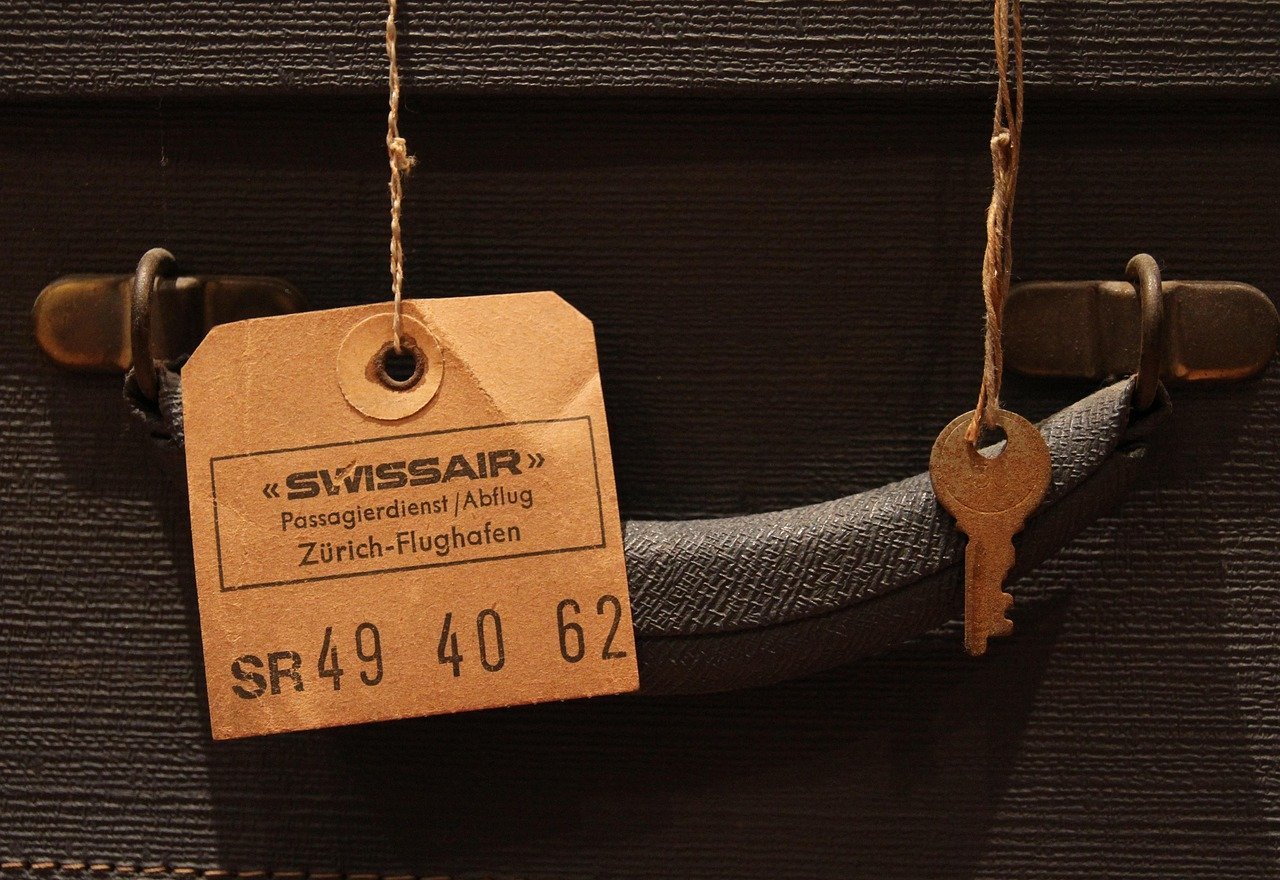
The luggage tag scam first gained widespread attention in July 2025, when a Delta Air Lines baggage claims manager posted a warning on Reddit. The manager described a sharp rise in fraudulent baggage claims, all linked to information found on thrown-away luggage tags. A baggage tag contains your name, flight numbers, airline information, baggage number, and sometimes membership numbers. Scammers can then use your name to create a fake email address and, after making up other contact information, submit a claim to an airline for a lost, delayed, or damaged bag to get money.
Fraudsters wait in baggage claim areas for travelers to throw away their used luggage tags. These tags usually show the passenger’s last name, flight number, and a unique bag tag number. Scammers then use this information to file fake claims with airlines, pretending their luggage was lost or stolen. Sometimes, they even create email addresses and contact details that match the passenger’s name, making the claim look real. The warning extends beyond just airport terminals – a former hotel employee revealed that similar fraud has occurred using bag tags discarded in hotel rooms.
How Travelers Are Fighting Back – and What the Industry Is Doing
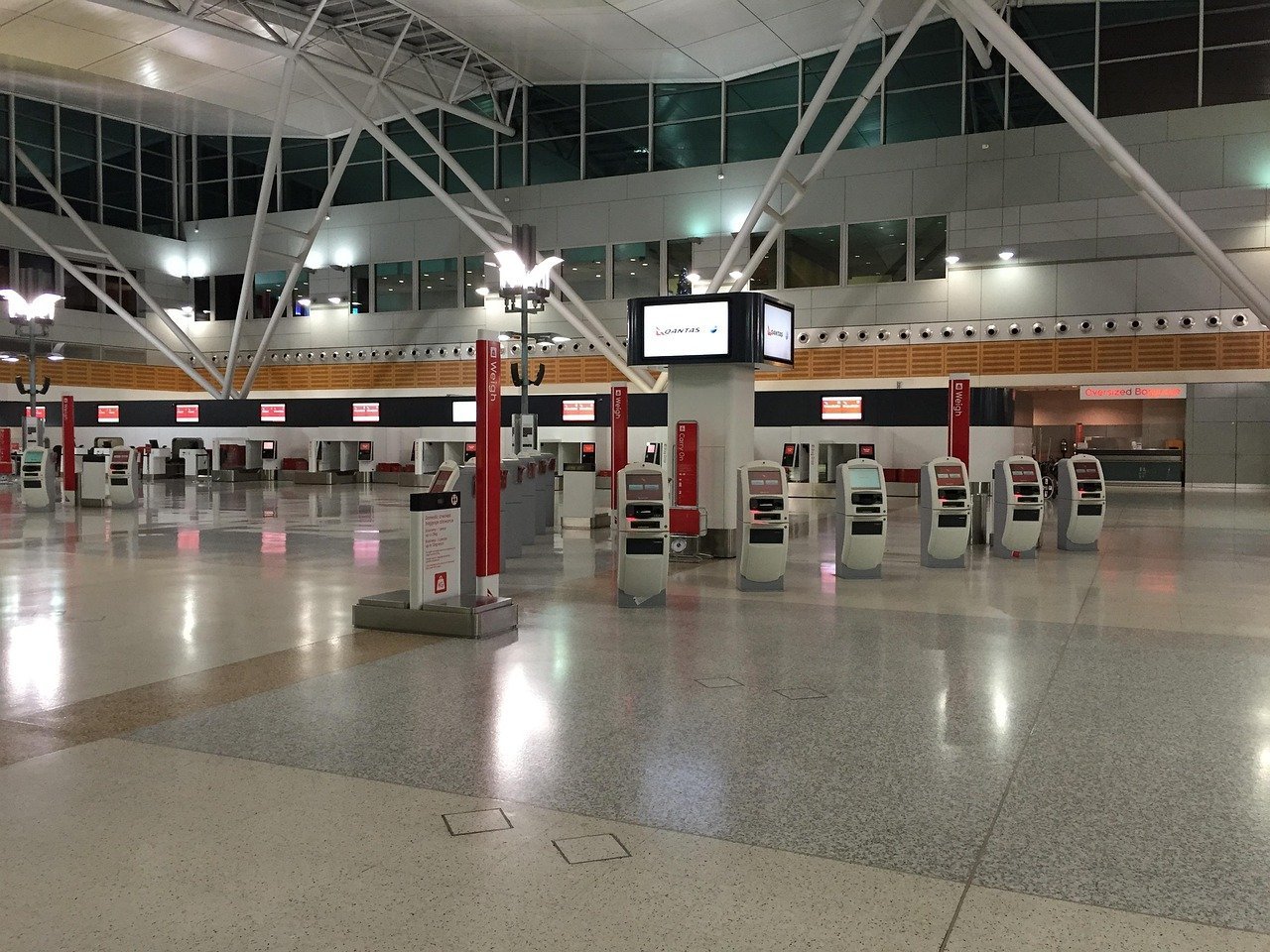
Between April 2024 and April 2025, Americans lost a whopping $2.6 million to reported travel scams, and many cases go unreported because victims never realize they’ve been conned until it’s too late. The response from technology has been significant. Apple rolled out a new “Find My” location service integrated into airline customer service at companies like Delta and United. Passengers who attach an AirTag to their luggage can share its live location with the airline, helping people track their luggage while flying – and find it if lost.
More than 15 airlines, including British Airways, Delta Air Lines, Qantas, United, Virgin Atlantic, and other global carriers, will begin accepting Find My item locations as part of their customer service process for locating mishandled or delayed bags. Initial reports from Frankfurt Airport’s trial of AirTag integration imply that the technology could potentially shorten baggage recovery times by as much as 30%. Still, technology alone won’t stop determined criminals. In 2024, mishandled baggage – including lost, delayed, diverted, or damaged items – dropped by 7.6% industry-wide compared to 2023, but theft specifically remains a stubborn and growing problem that no app has yet solved. Travelers are strongly advised to keep luggage tags until they are safely home, use TSA-approved locks, photograph their bags before check-in, and place a tracker inside every checked bag they intend to fly with.