
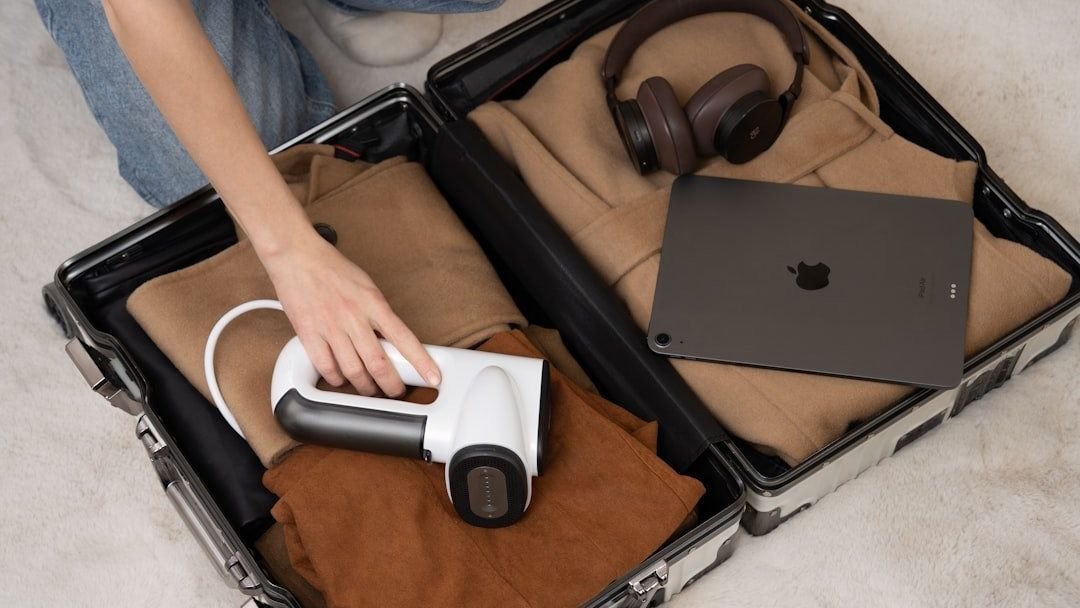
There is a very specific kind of dread that hits every traveler about 48 hours before a trip. It’s not the fear of missing a flight or forgetting a passport. It’s the quieter, sneakier panic of imagining yourself bored on a beach or restless in a hotel room with nothing to do. So you pack. Then you pack more. Then, somewhere around the third “just in case” outfit, you’ve officially crossed the line.
Overpacking is one of travel’s most universal comedies, the kind where you arrive home, unzip your bag, and find entire outfits still folded like origami, never touched, never worn. What’s really driving it isn’t poor planning. It’s anxiety. The fear of emptiness. The belief that more stuff equals more options. Spoiler: it doesn’t. Let’s dive in.
1. The Stack of Physical Books You’ll “Definitely Read”

Honestly, this one hits close to home. Books are heavy, beloved, and almost always over-packed. Research from airlines, booking platforms, and travel forums shows that people consistently carry belongings that add weight without providing real value during the trip. The physical book stack is Exhibit A. Three novels for a five-day city break is not optimism, it’s magical thinking.
The average hardcover weighs close to a pound. Pack three, and you’ve used up a significant chunk of your baggage allowance before you’ve added a single pair of shoes. U.S. carriers collected a record $7.27 billion in checked baggage fees in 2024, according to the Bureau of Transportation Statistics, exceeding pre-pandemic totals. A good chunk of that money came from people who simply packed too much stuff they never used.
The fix is easier than you think. One book, or better yet, an e-reader loaded with five titles, weighs virtually nothing. If you’re a physical book devotee, be honest with yourself about your actual reading pace on vacation. Most people read maybe a chapter a day. One book is plenty.
2. The Full-Sized Hair Dryer From Home
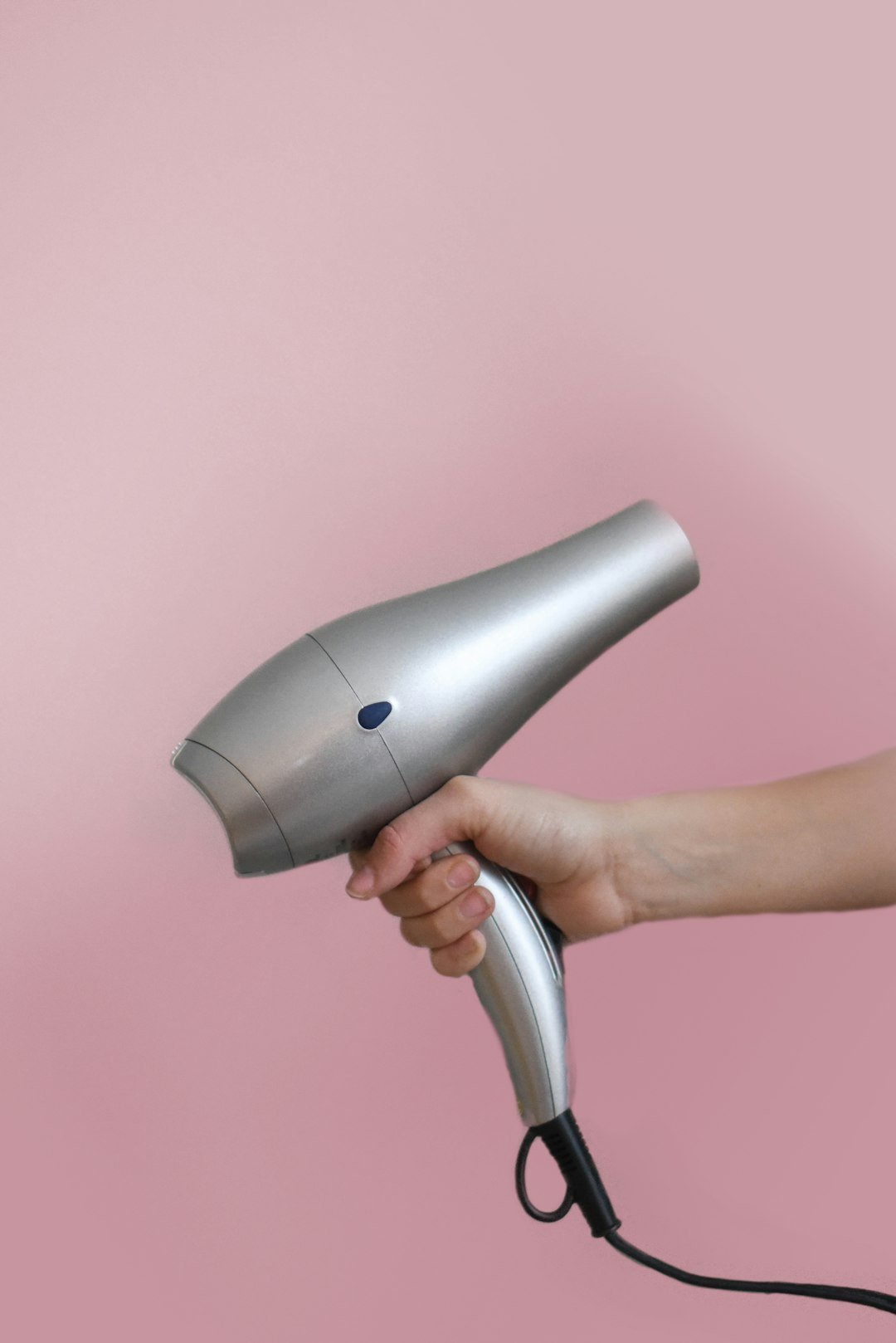
A hair dryer, while a daily essential at home, often becomes dead weight in your suitcase. Hotels usually provide these amenities, even if they’re not of salon quality. Yet nearly every overpacker I know has hauled their beloved full-sized model across time zones for no real reason. It’s pure habit dressed up as necessity.
Here’s the thing. A full-sized hair dryer can easily weigh over a kilogram. That’s a pair of shoes in weight terms, or a few extra outfits. The majority of people, roughly nearly three in every four, say they have packed too much and ended up not using some of the items they brought on a trip. Another study found that nearly one in five Americans have had to pay overweight bag fees when travelling on a plane, and roughly four in ten say they often struggle to close their suitcase when packing for a long trip.
The hair dryer is a perfect symbol of what drives overpacking. Fear. Fear that the hotel’s dryer will be weak, that your hair will look terrible, that you’ll somehow be less yourself without your own appliance. The data says: leave it behind. Your hotel has one. It works fine.
3. The “Fancy Outfit” You’ll Never Actually Wear
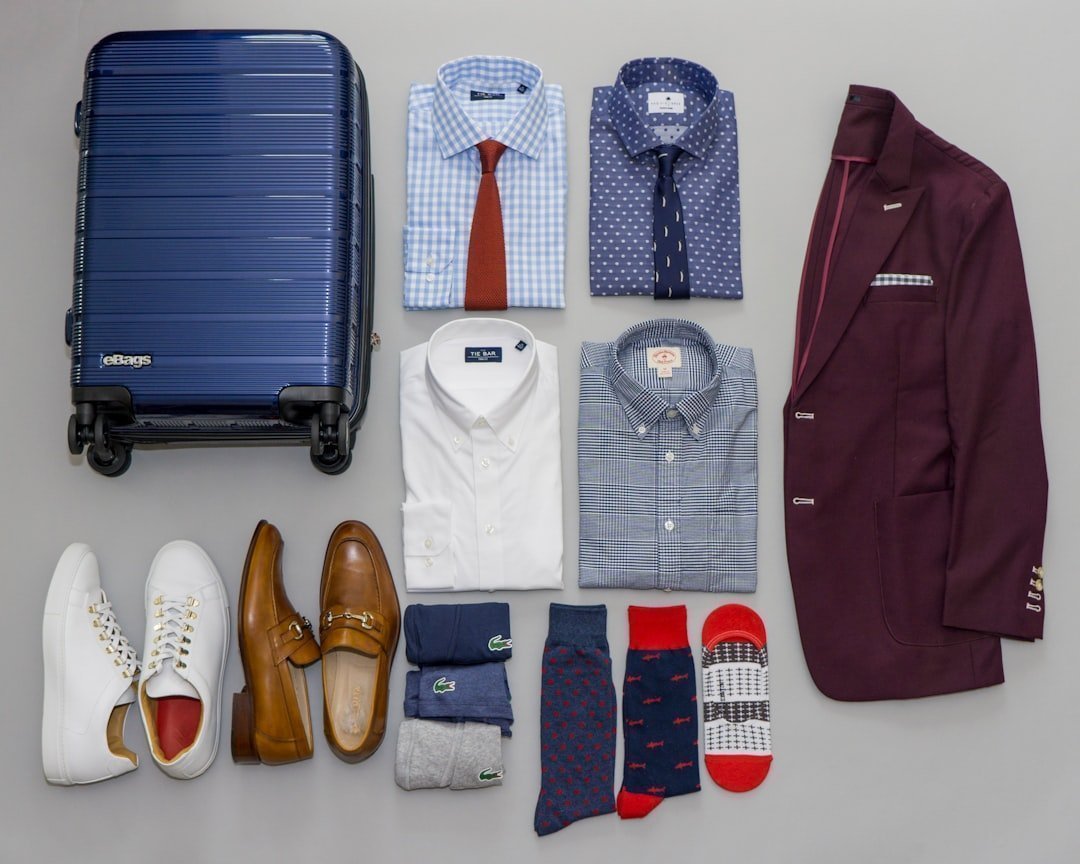
Many travelers bring a formal outfit in case a special occasion arises, but these clothes often remain untouched. Typical itineraries involve walking, sightseeing, or casual meals, and dressier clothing does not match the daily schedule. Restaurants rarely require formal attire, and hotels that request it are uncommon. Still, that black dress or dinner jacket ends up folded at the bottom of every suitcase.
Think about your last five trips. How many times did you genuinely need a formal outfit that wasn’t already covered by a smart casual look? Exactly. Four in ten Americans intentionally overpack, which can lead to some wasted space in their luggage, as 40% admit to “often” or “always” returning home with clothes they never even wore.
The formal outfit is an aspirational item, a tiny fantasy of the person you imagine you’ll be on this trip. In reality, you’ll be wearing your comfortable walking shoes at a restaurant that doesn’t care what you’re wearing at all.
4. The Travel Iron No One Requested
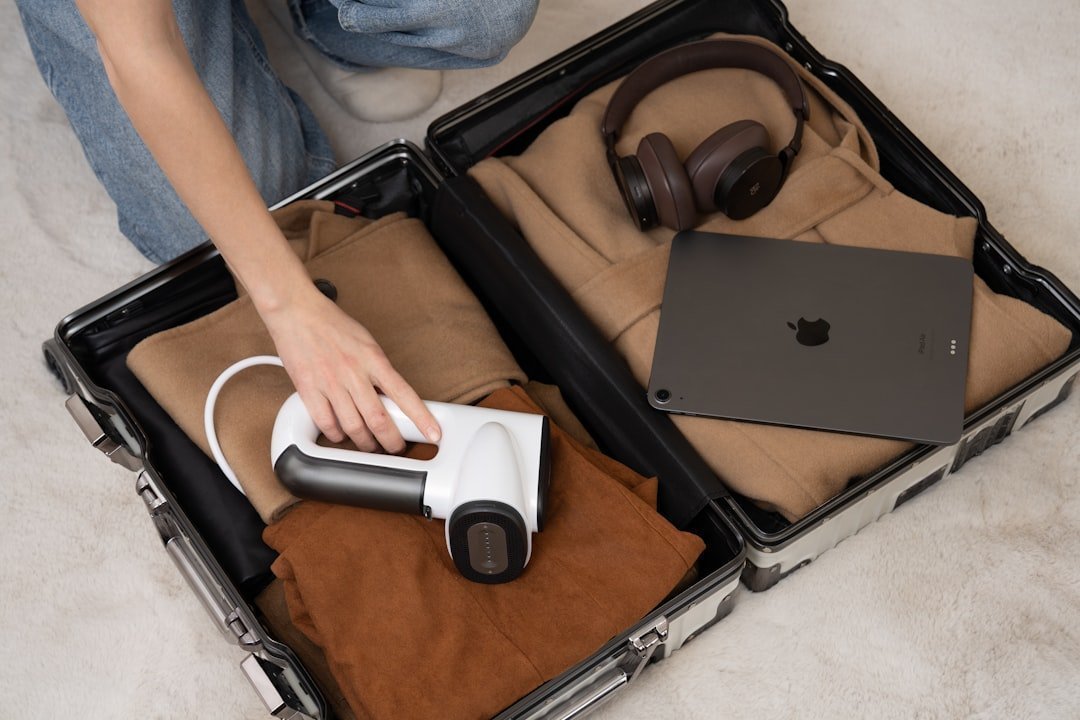
Travel irons seem practical, but hotels almost always offer irons or steamers in guest rooms. Most travelers need only a few minutes to smooth clothing using the provided equipment. Carrying a travel iron adds weight, takes up space, and increases the risk of damage if the device is packed poorly. It is, put plainly, one of the most unnecessary items in modern travel.
Let’s be real, hotel irons are usually just as good as their portable counterparts. According to a Consumer Reports study, travel irons often lack the power and efficiency you want when tackling stubborn creases. You’ll likely end up relying on steam from a hot shower to freshen up your clothes instead.
Some travelers hang clothes in the bathroom during a shower to release wrinkles, making the personal iron unnecessary. For most trips, the iron never leaves the suitcase and becomes one more unused item. It’s a classic boredom-panic purchase, something you buy “just to be safe” and then cart around for two weeks untouched.
5. The Oversized First Aid Kit
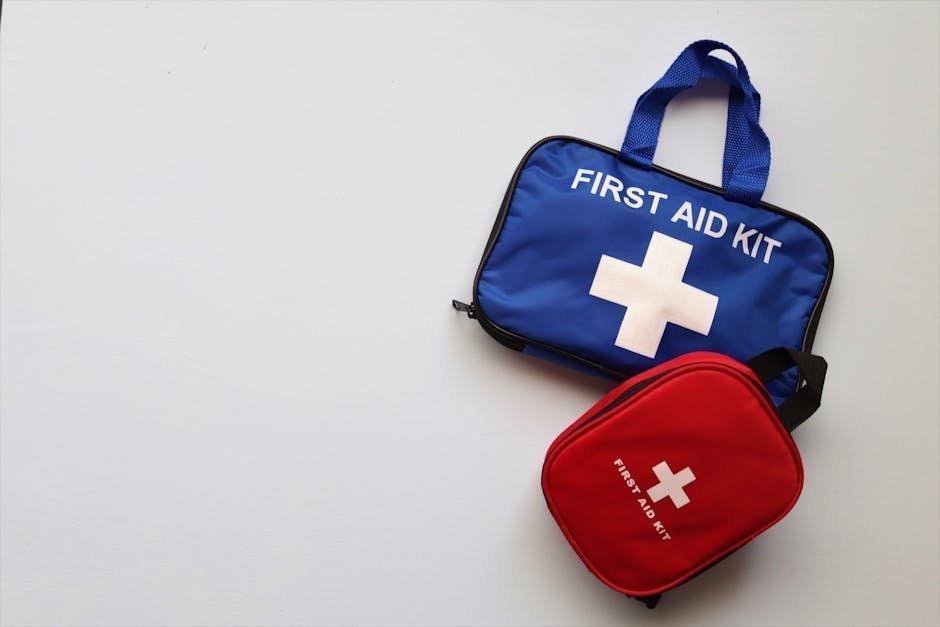
Large first aid kits contain items that rarely get used during typical travel. Most travelers only need band-aids, pain relievers, or allergy medication. Hotels, airports, and local pharmacies offer supplies that cover most small issues. Yet the full kit, worthy of a wilderness expedition, ends up in the bag for a city break in Amsterdam.
This one is driven by a genuine emotion, the fear that something will go wrong far from home. That fear isn’t irrational. It’s just wildly disproportionate to what most vacation emergencies actually look like. A blister. A headache. A mild sunburn. Packing a large kit takes up space that could be saved for essentials or left open for souvenirs. A compact set with the basics meets most needs, while the rest of the large kit stays untouched.
A slim travel pouch with a few plasters, ibuprofen, and antihistamines covers roughly ninety percent of what you’ll ever need on a standard leisure trip. A kit the size of a small toolbox covers the remaining ten percent, and costs you dearly in suitcase real estate for the privilege.
6. The Portable Bluetooth Speaker
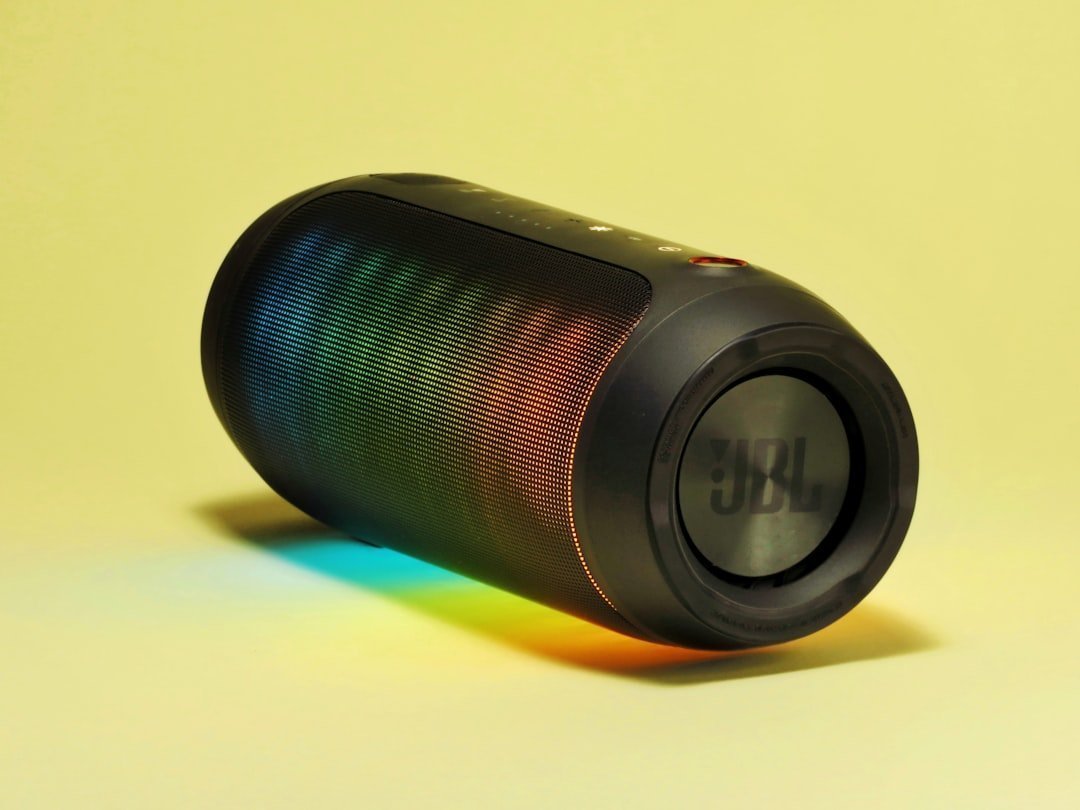
Unless you’re going on a trip where you know without a doubt that you’ll need to play music for a group in a public setting, leave your speaker at home. Most travelers pack it imagining beach parties, balcony sunsets, and spontaneous dance sessions. Most actually use it once, briefly, in a hotel room, then remember hotels have televisions.
Speakers are bulky, battery-dependent, and often disappointing in outdoor settings where ambient noise drowns everything out anyway. You don’t need a separate bag that organizes all of your cords. These things just cost money, add bulk to your suitcase, and encourage you to pack more. The speaker and its charging cable are a perfect two-piece set of things you genuinely don’t need.
The deeper truth here is the fear of silence. Of being somewhere beautiful and somehow not filling it with the right soundtrack. But here’s a thought, the destination already has a soundtrack. Let it play.
7. Extra Shoes for Every Imagined Occasion
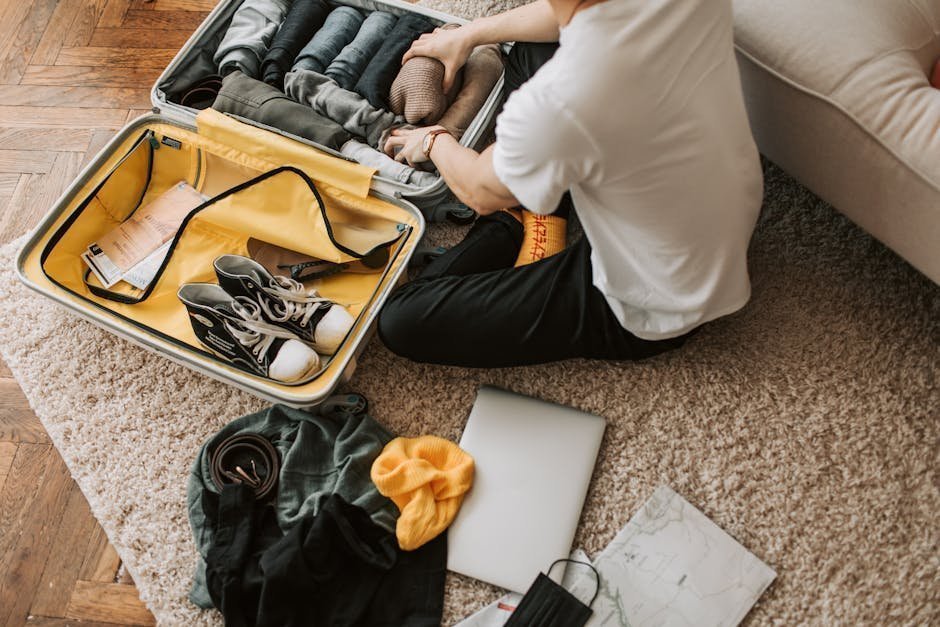
Travelers frequently pack several pairs of shoes for different situations, yet they usually rely on only two or three pairs. Extra shoes take up considerable space and add weight, which makes luggage harder to manage. Most travelers end up using a comfortable walking pair along with a slightly nicer pair for evening activities. That third, fourth, and fifth pair? Purely decorative.
Shoes are where suitcases go to die. They’re irregularly shaped, heavy, and impossible to compress. Some of the biggest overpackers pack over 10 shirts, nearly 8 pairs of pants, more than 3 pairs of shoes, a staggering 11 pairs of underwear, and 9 pairs of socks for their weeklong travels. The shoe pile alone can push a suitcase over the weight limit on its own.
Heavy or specialty shoes rarely get worn unless the itinerary requires them. Reducing the shoe selection allows travelers to simplify packing and move more easily through airports and busy transit areas. Two pairs, maximum. Wear the heavier ones at the airport. Done.
8. Printed Guidebooks and Paper Maps
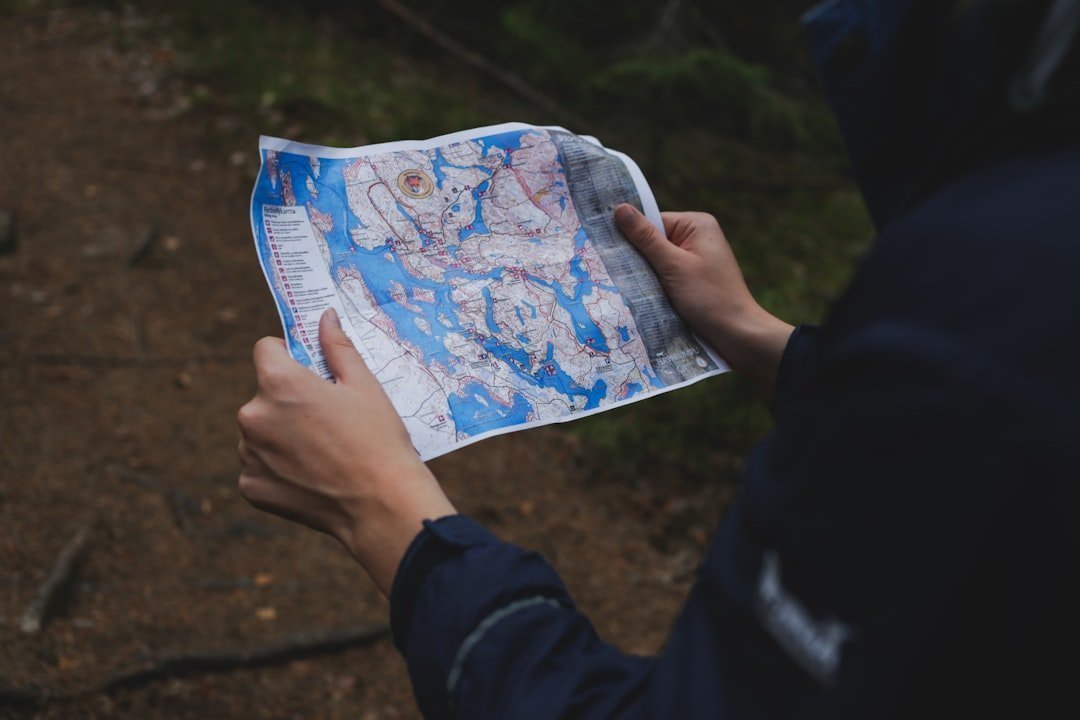
Physical maps and printed guidebooks remain common packing items, but most travelers rely on digital tools for navigation and information. Smartphones offer step-by-step directions, public transport details, and up-to-date recommendations. Printed materials add weight and require careful folding, which can be inconvenient during crowded tours or city walks.
There is something undeniably romantic about a dog-eared guidebook. I get it. The fantasy of sitting at a café circling restaurants with a pen is deeply appealing to a certain kind of traveler. But romanticism is heavy. A decent travel guidebook can weigh nearly a kilogram. That’s the weight of a packed lunch, every single day of your trip. Many people pack these items for reassurance, but never take them out. Digital access continues to reduce the need for traditional paper guides, leaving them unused during most trips.
Download the offline maps. Save your favorite restaurants in Google Maps beforehand. Your phone screen is lighter than a Lonely Planet guide, fits in your pocket, and has reviews updated this month rather than two years ago when the book went to press.
9. The Action Camera and Gadget Arsenal
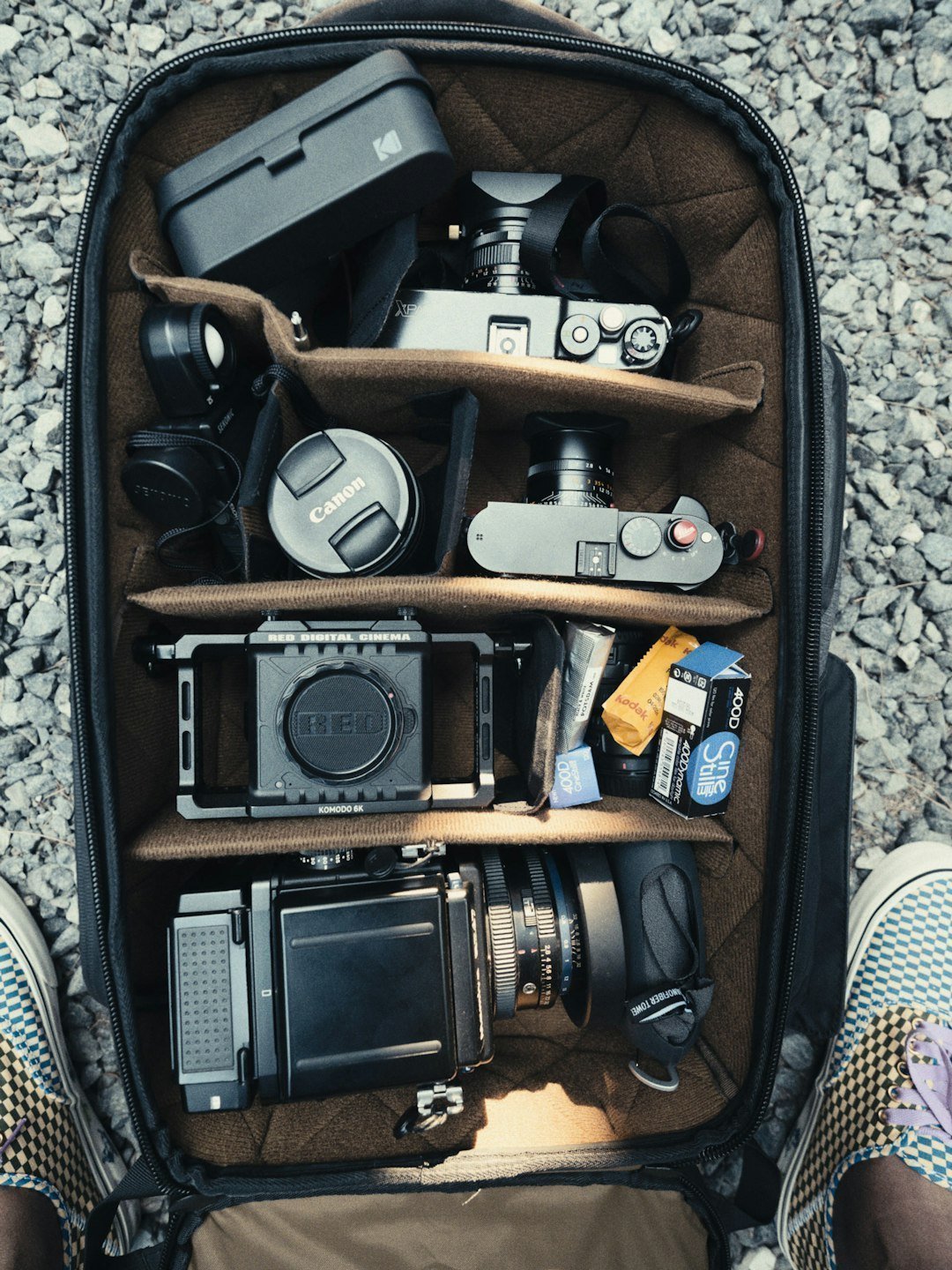
Many travelers pack action cameras, selfie sticks, and mini tripods expecting to capture better photos, yet smartphones often meet all their needs. Extra gadgets require charging, add clutter, and take longer to set up. Travelers usually prefer quick photos rather than adjusting equipment in busy locations. These devices remain at the bottom of the bag while phones handle most moments.
The logic behind packing the GoPro, the full-sized tripod, the selfie stick, and the extra lenses goes something like this: “This trip is important. I want to document it properly.” The reality? Many travelers are now four for four in taking along the full-sized tripod, and then never having it leave the suitcase. It’s one of the most repeated experiences in travel communities worldwide.
Modern smartphone cameras are genuinely remarkable. They shoot 4K video, handle low-light well, and fit in your pocket. Unless you’re a professional photographer on a working assignment, the gadget bag is driven by excitement and anxiety, not real need. Pack the phone. Leave the studio.
10. The “Just in Case” Snack Haul
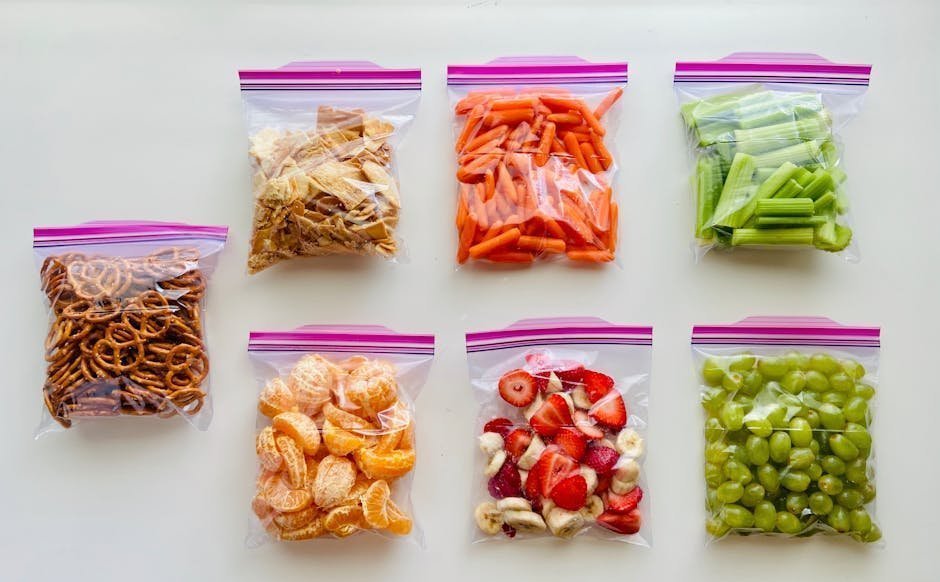
This is the one nobody talks about but almost everyone does. The handful of granola bars, the emergency trail mix, the instant coffee sachets, the protein powder portioned into small bags. All of it packed because the brain insists that food abroad will somehow be inadequate, unavailable, or worse. You don’t need to pack food when you go on vacation. The whole point of a trip is to eat the food there.
Here’s the thing about food anxiety while traveling. It is almost never justified. You’d be passing up a destination’s local food culture in favour of whatever snack you could have brought from home. Even if you’re a picky eater or have an allergy, odds are you will find something you can eat anywhere in the world. The snack haul is essentially edible anxiety, calories you carry because you’re afraid of the unknown.
Food is heavy and takes up space that could hold something useful, or better yet, nothing at all. Buy a snack at the airport. Find a local bakery on day one. Eat the thing from the street cart. That’s not bravery. That’s just the entire point of going somewhere new.
The True Cost of Packing Fear
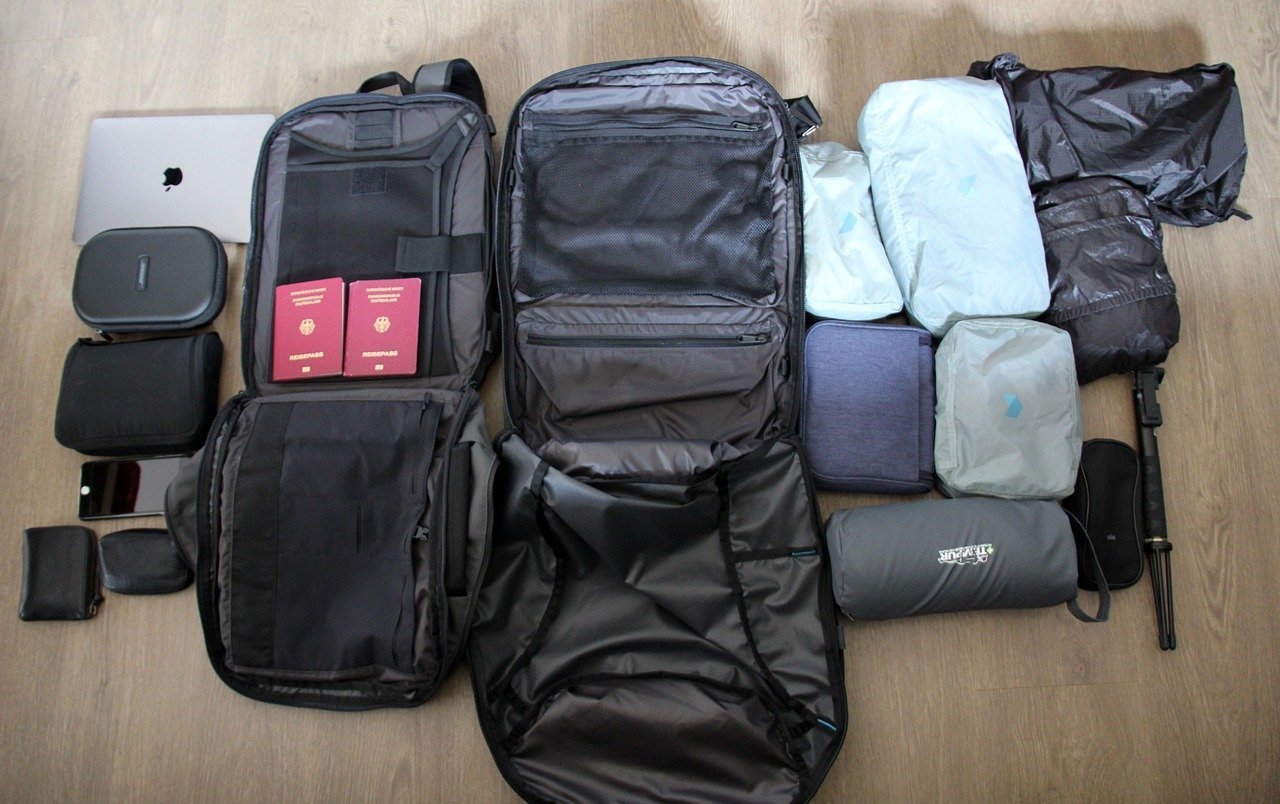
All of this adds up. Not just in terms of suitcase space, but financially. U.S. airlines earned a record $7.27 billion from baggage fees in 2024, with American, United, and Delta leading the revenue rankings. U.S. airlines generated a record $7.27 billion in baggage fees in 2024. A significant share of that revenue comes from bags that are simply too heavy, filled with things that were never used.
About one in five Americans have encountered the dreaded scenario of having to pay extra fees for overweight luggage while traveling by plane. For most airlines, bags over 50 pounds are subject to additional fees which start around $50. That’s real money, paid directly as a tax on fear-packing.
The deeper issue is that none of these items, the travel iron, the speaker, the extra shoes, the snack haul, actually cure boredom. Boredom on a trip is almost never the result of having too few things. It’s usually a sign that the trip itself needs rethinking. The cure for travel anxiety isn’t a heavier suitcase. It’s a lighter one, paired with the genuine intention to actually show up in the place you’re visiting. Next time you’re zipping up your bag, ask yourself honestly: am I packing this because I need it, or because I’m scared? The answer might just save you $50 at the check-in counter, and a pulled muscle dragging it through the airport.