
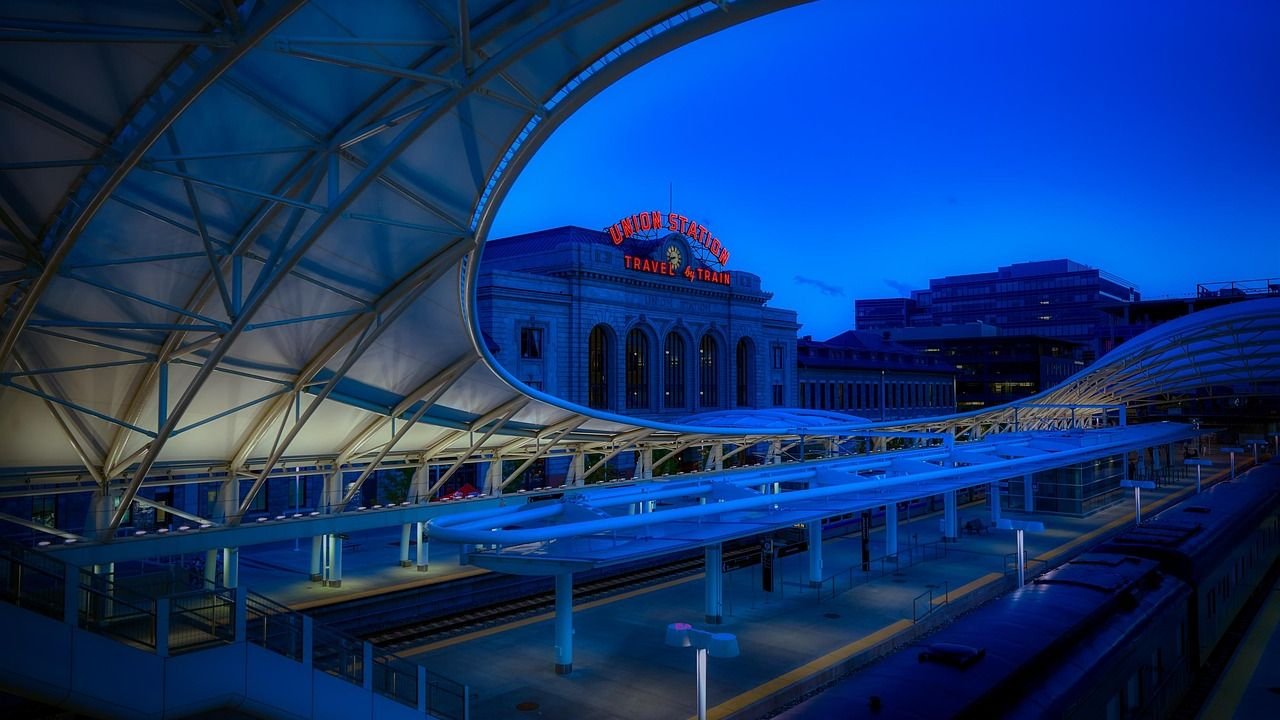
Europe’s rail network is booming. In 2024, a record 443 billion passenger-kilometres were performed by rail across the EU, the highest figure recorded since data collection began in 2004. That marks an impressive 5.8% increase compared to the previous year, driven heavily by Germany, France, and Italy. Millions of those travellers are tourists, and a huge share of them unknowingly violate the quiet, unwritten social contract that governs life on board a European train. These aren’t laws exactly – but break them and you will know it from the looks you get.
1. Sitting in a Reserved Seat Like It’s No Big Deal
On European trains, you can pay extra to reserve a seat. Those reserved seats are well marked, so don’t sit there unless it’s reserved for you. You can’t play dumb either, because the translation is not difficult – in France it says réservé, in Germany it says reserviert. At actual European stations and inside trains, reserved and unreserved seats are clearly marked. In most cars, you can check whether a seat is reserved through electronic displays above seats or seat reservation tickets. Conductors regularly patrol the cars and check reservations. If other passengers are sitting in reserved seats, they politely alert them and guide them to the correct seats. Don’t wait for that awkward moment – check before you sit.
2. Assuming a Rail Pass Means You Can Board Any Train
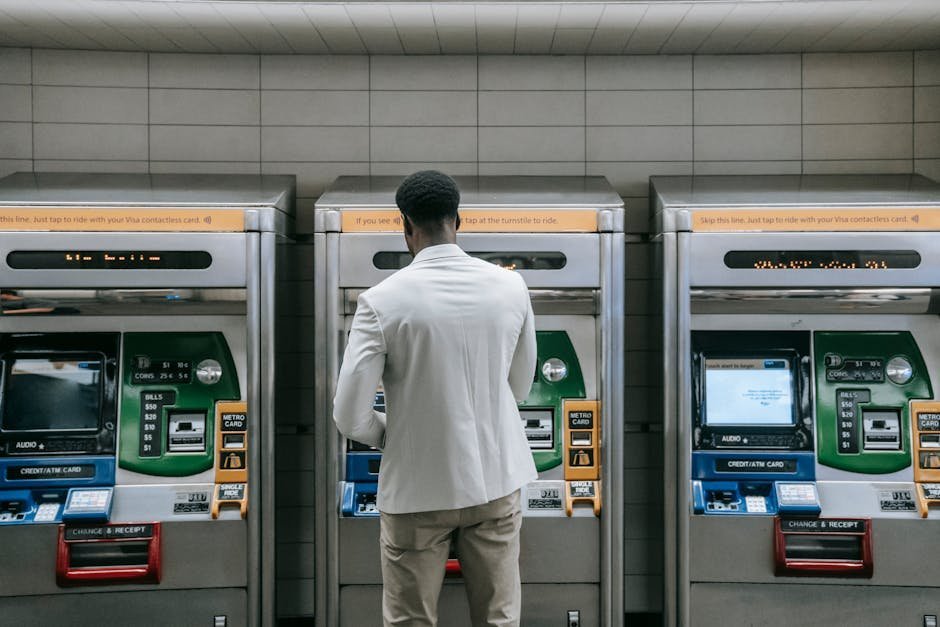
When planning European train travel, many travellers use rail passes such as Eurail passes or Swiss Travel Passes. These passes are indeed very convenient and excellent tools for creating flexible itineraries. However, simply having a pass is not always sufficient. Depending on the route and season, seat reservations may be mandatory or strongly recommended. If you are travelling on high-speed trains, or night trains, or taking train journeys in countries like Spain, Italy, and France, you are required to reserve a seat compulsorily. Seat reservations are not included in your Eurail Pass. You will have to purchase them online or at any local train station separately. Skipping this step has left many tourists stranded on the platform.
3. Talking at Full Volume in the Quiet Coach
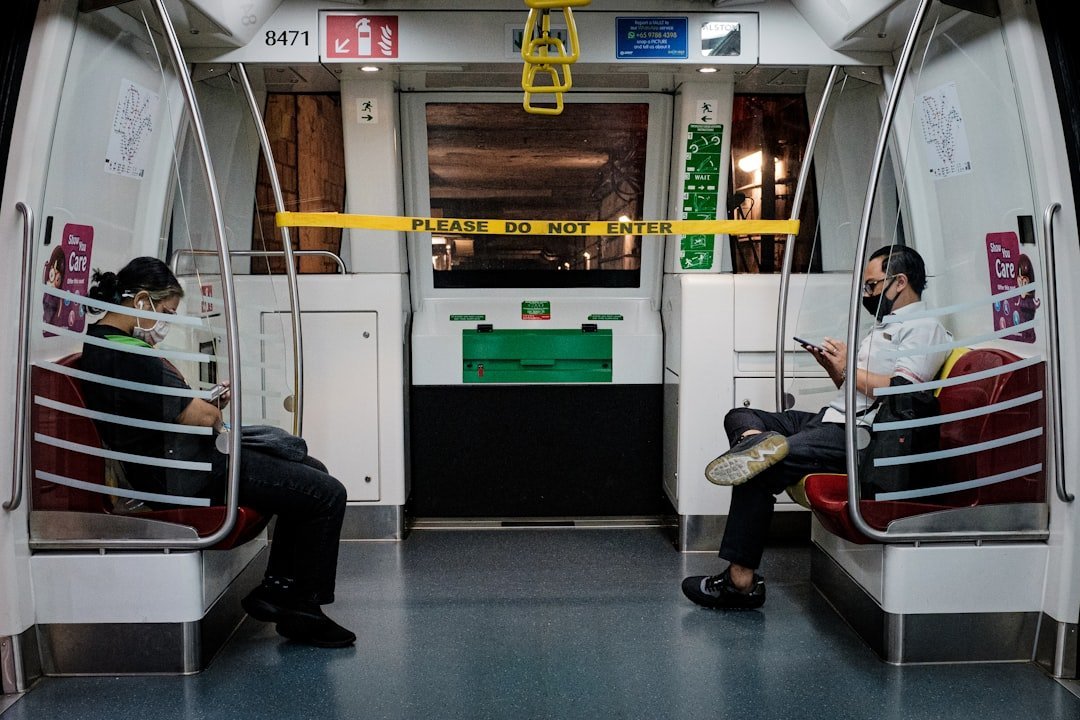
While chatting is fine unless you are in a designated quiet carriage, it isn’t necessary for half the train to hear your discussions, especially if they are about sensitive, political, or potentially lewd topics. Save it for later when you’re somewhere more private. And if you are in that quiet carriage, the longest conversations should be whispers about passing the biscuits. If you find yourself in a quiet zone, refrain from making phone calls, talking loudly, or playing music without headphones. Even outside these areas, keeping your voice low and avoiding disruptive behaviour demonstrates courtesy. Europeans are generally not as loud as Americans, and unfortunately, this is one way that tourists stand out.
4. Bringing Strong-Smelling Food on Board
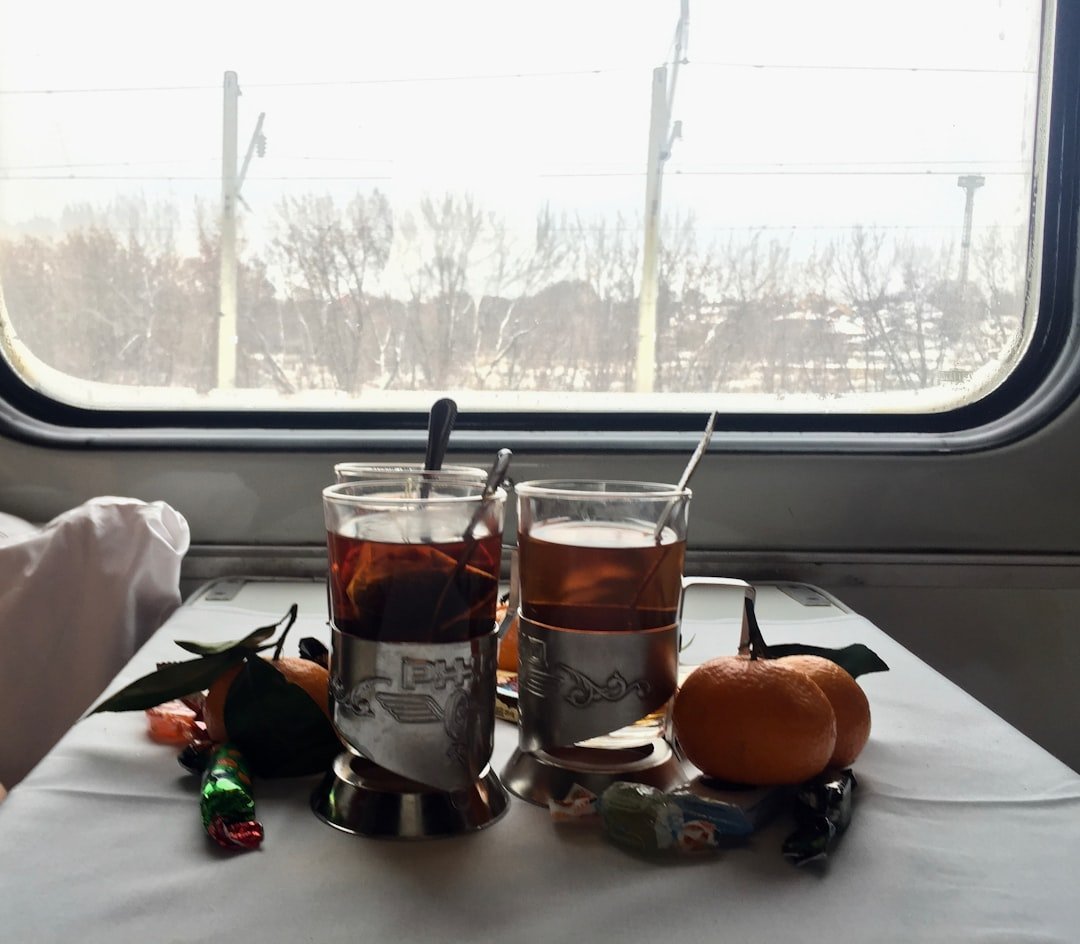
The usual etiquette is to eat things that don’t smell, so no curry, burgers, or roast chicken. Sandwiches, baguettes, cheese, salamis? Yes. It’s quite common to bring your own food on the train. But bringing smelly food or food that would in any way annoy your fellow travellers is considered rude. Unlike a plane where sound is drowned out by noise, a train seems to amplify smell and sound alike. The golden rule is simple: if it fills a carriage with an aroma, leave it for the platform.
5. Blocking the Aisle with Oversized Luggage
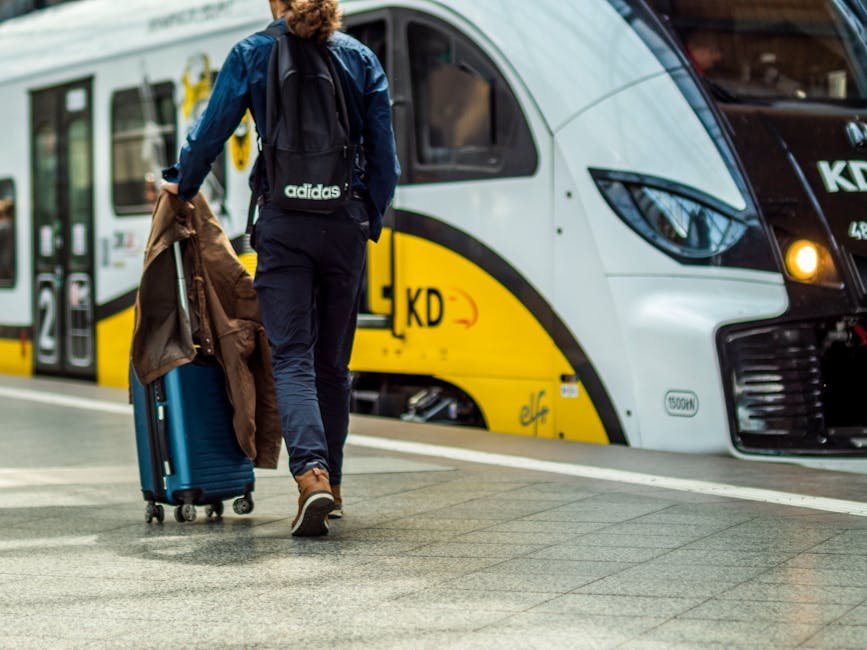
Train luggage rules are more relaxed than airline rules, but passengers are required to carry their own bags and board the train without assistance. Bags are stored in the luggage racks at the end of each carriage or in the overhead compartments. The general rule is that travellers should carry one item of luggage per passenger plus one smaller item of hand luggage. According to the GTC-CIV (General Terms and Conditions for the International Carriage of Passengers by Rail), passengers can take a maximum of three items of luggage. These items must be easy to handle and compatible with the space provided for luggage in trains. The greatest dimension of each item must be less than 85cm. Tempers were already short toward tourists trying to manoeuvre their large wheelies down narrow aisles on busy trains – so think carefully before packing that second massive suitcase.
6. Ignoring the Platform Boarding Procedure
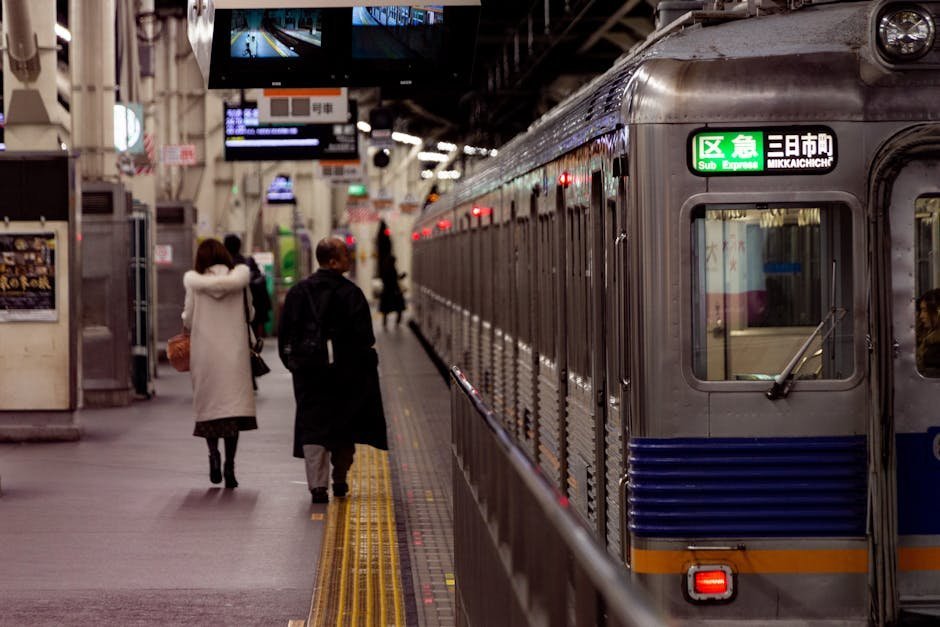
After checking the schedule and departure platform, it’s time to find your train. You should be ready to board the train the minute it arrives – station stops are often very short unless boarding is done at the beginning of the train’s route. If you have made a reservation, you have to check the car number and seat number printed on the ticket. On the platform, railway employees can show you where your car will stop, or you can search for the displays with a title like “Composition of Trains.” There you can see exactly where your car will stop on the platform. Tourists who wander up and down in a panic while locals queue calmly in the right spot are a recognisable sight at every major European station.
7. Leaving Valuables in the Luggage Rack Unattended
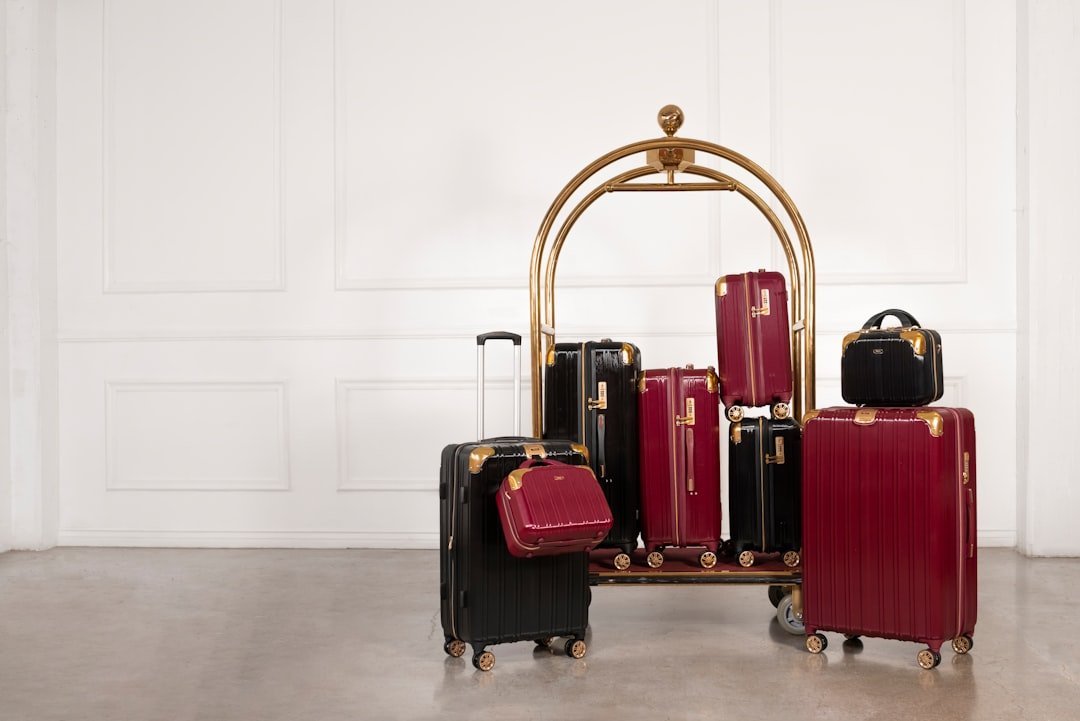
It should be obvious, but laptops, passports, iPhones, cameras, wallets, and tickets should be kept in your daypack with you, not left in your large bag on a luggage rack. You can take your day-pack with you to the toilet or bar car, unless you’re travelling with someone who can keep an eye on it for you. You will have to carry the luggage yourself and luggage placed in the luggage racks remains under the sole responsibility of the traveller. It’s advised to clearly label your hand luggage with your name and address. Railroads assume no responsibility in case of loss, damage, or theft. Treating the overhead rack like a checked bag at an airport is one of the most common tourist mistakes on European rails.
8. Ignoring Country-Specific Ticketing Rules
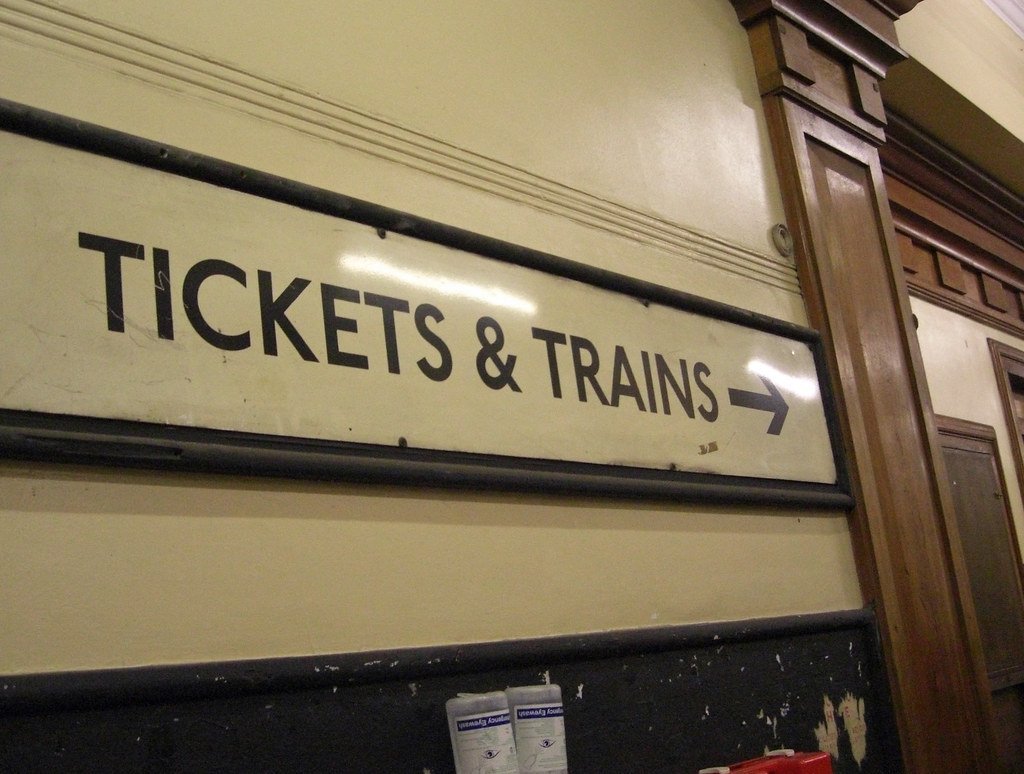
If you’re following an itinerary through borderless Schengen countries, it can be easy to forget that you’ve actually arrived in a different country. Knowing the rules matters because if you’re challenged by a train conductor because you don’t have a reservation or the right ticket, it’s likely that you won’t be able to claim immunity because you’re a tourist. The train conductors have heard too many excuses from unscrupulous travellers. Never think “I won’t bother with that compulsory reservation, what’s the worst that can happen?” The least worst scenario is that you will end up paying more than you would have if you had obeyed the rules. Each country’s rail system has its own quirks, and ignorance is no shield against a fine.
9. Spreading Out Across Multiple Seats
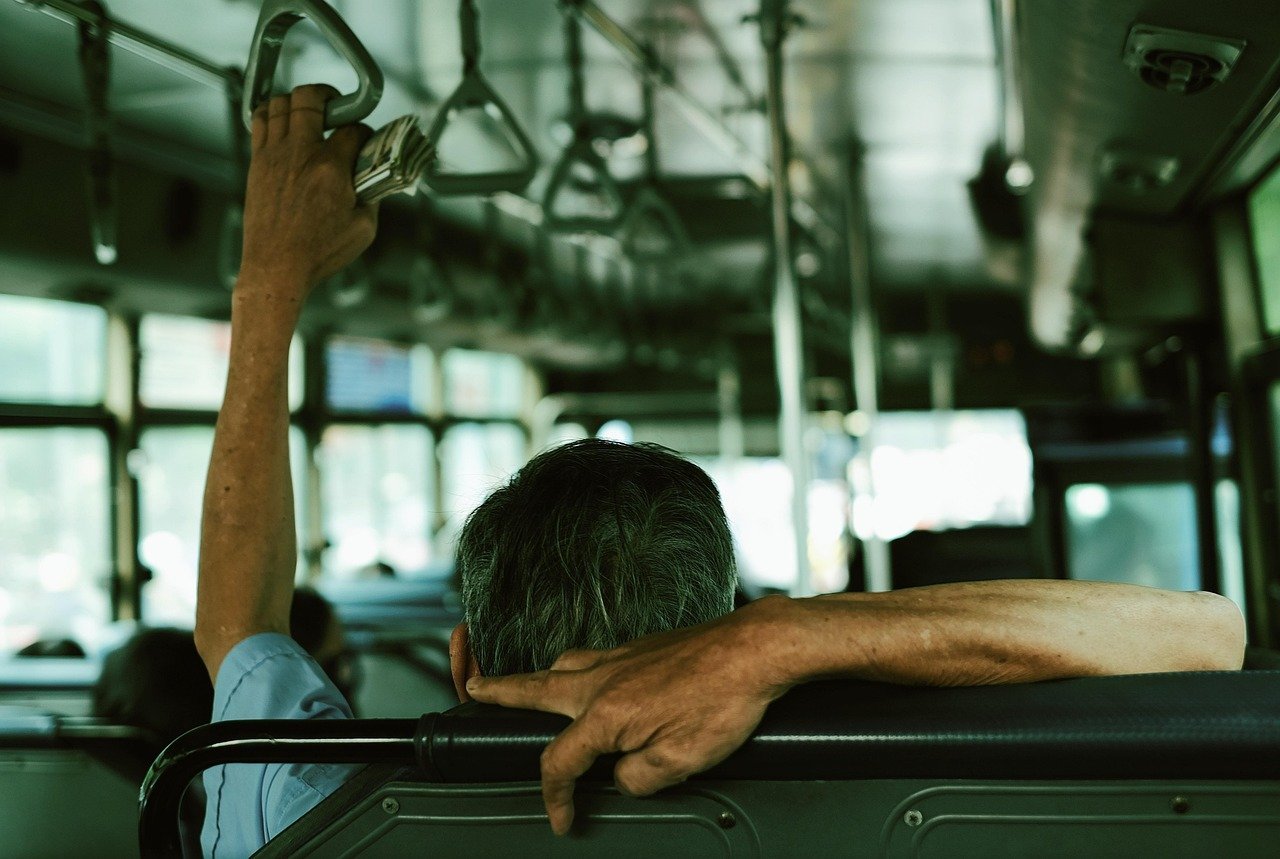
Manspreading is never acceptable, no matter how busy the train. If you’re a victim of encroachment from a neighbouring passenger, you are well within your rights to ask them to make more room. Or, if you prefer non-verbal communication, a gentle nudge will do. There are three spaces to store luggage: above seats in the small overhead luggage racks, beneath seats, and in the dedicated luggage areas by the doorways. Luggage cannot be placed on seats intended for fellow passengers. Table seats mean four people – not one – sharing a small space. Please don’t spread your food or belongings across the entire table.
10. Not Knowing Your Passenger Rights When Delays Happen
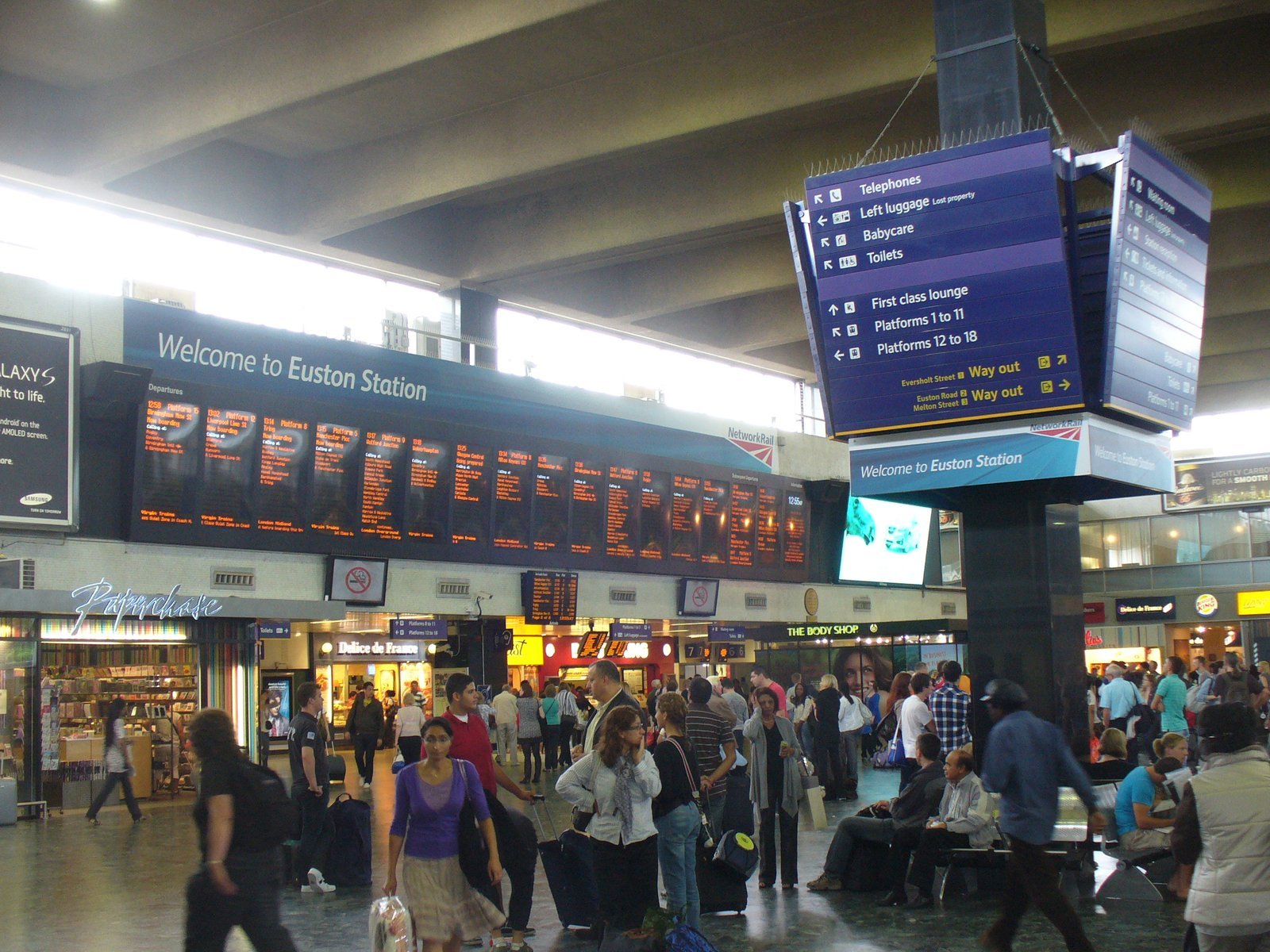
In principle, EU rail passenger rights are applicable to all rail passenger services in all EU Member States. However, Member States may exempt certain types of services from the application of these rights under Regulation (EU) 2021/782. This regulation is complemented by the Commission Implementing Regulation 2024/949, establishing a common form for rail passengers’ reimbursement and compensation requests for delays, missed connections, and cancellations of rail services. Most tourists either don’t claim what they’re owed after a delay, or they try to claim on services that are legitimately exempted – both are costly mistakes. Virtually all major stations across the continent have information desks where asking questions won’t cost you anything and can save time and money. At all major stations, the info desk staff will speak English.