

You settle into a cozy corner table, laptop open, oat milk latte steaming beside you, the cafe’s cheerful chalkboard promising “superfast free Wi-Fi for remote workers.” Then you open Zoom. The spinning wheel of death begins. Sound familiar? It should. Because that feel-good, nomad-friendly promise plastered above the pastry counter is, in far too many cases, a carefully constructed piece of marketing fiction. Let’s dive in.
1. The “Digital Nomad Friendly” Bali Cafe That Caps You After 30 Minutes
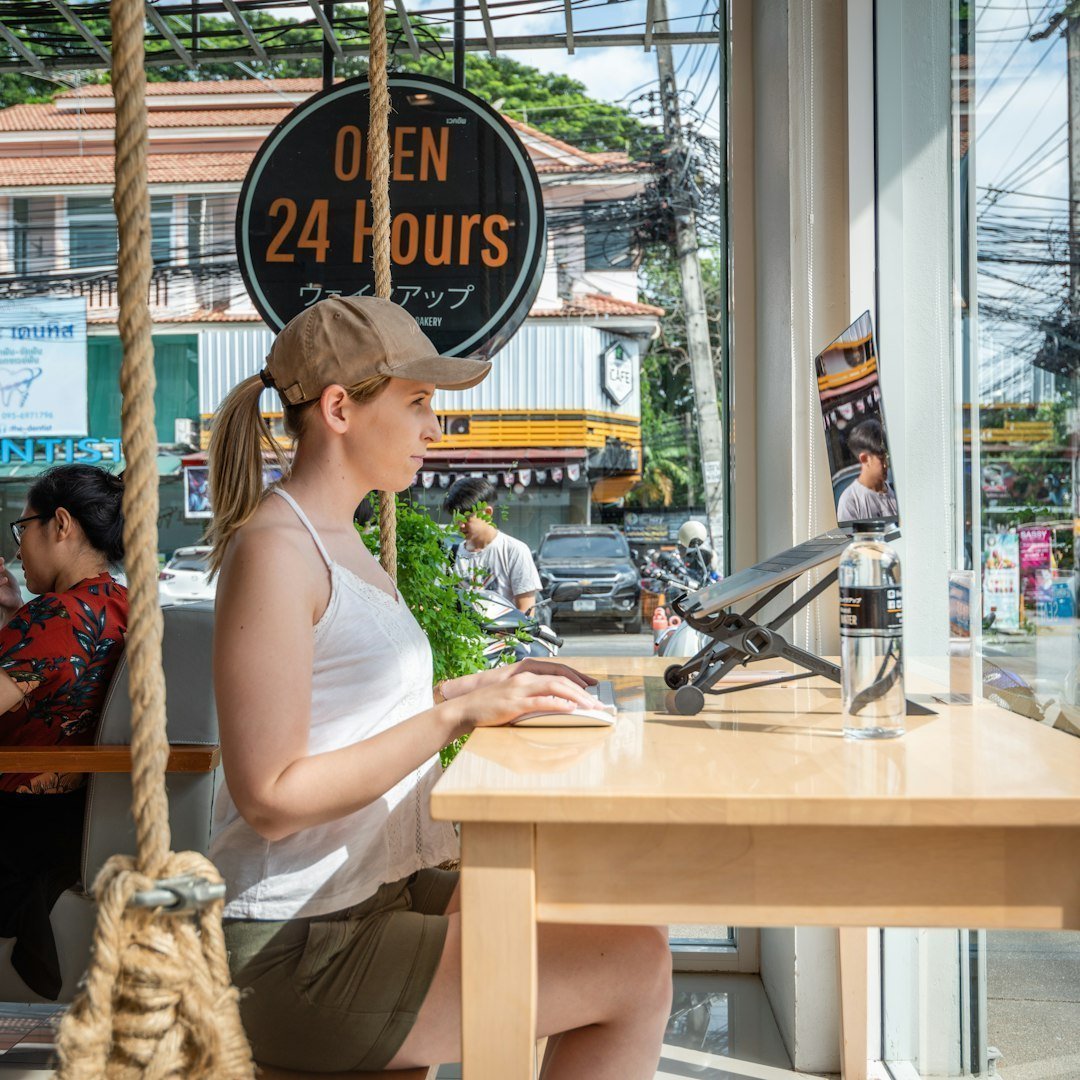
Bali has built its entire tourism identity around serving the remote worker crowd, and plenty of cafes in Canggu and Ubud market themselves as co-working-friendly destinations. While Wi-Fi access is often advertised as a standard amenity in cafes and co-working spaces, the reality can be far from ideal – overcrowded networks, sluggish speeds, and unpredictable outages can significantly disrupt workflows. In practice, many Bali cafes enforce a hard time or session cap through their routers, slowing or cutting off your connection entirely after a set period to turn tables faster.
A striking 52% of digital nomads report finding it difficult to locate a reliable and safe Wi-Fi connection for work and communication. That figure is not random noise. It reflects a systematic pattern of cafes providing connectivity as theater rather than as a genuine service, especially in high-tourism destinations where footfall matters more than your upload speed.
2. Lisbon’s Trendy LX Factory Cafes: Beautiful Spaces, Crippled Bandwidth
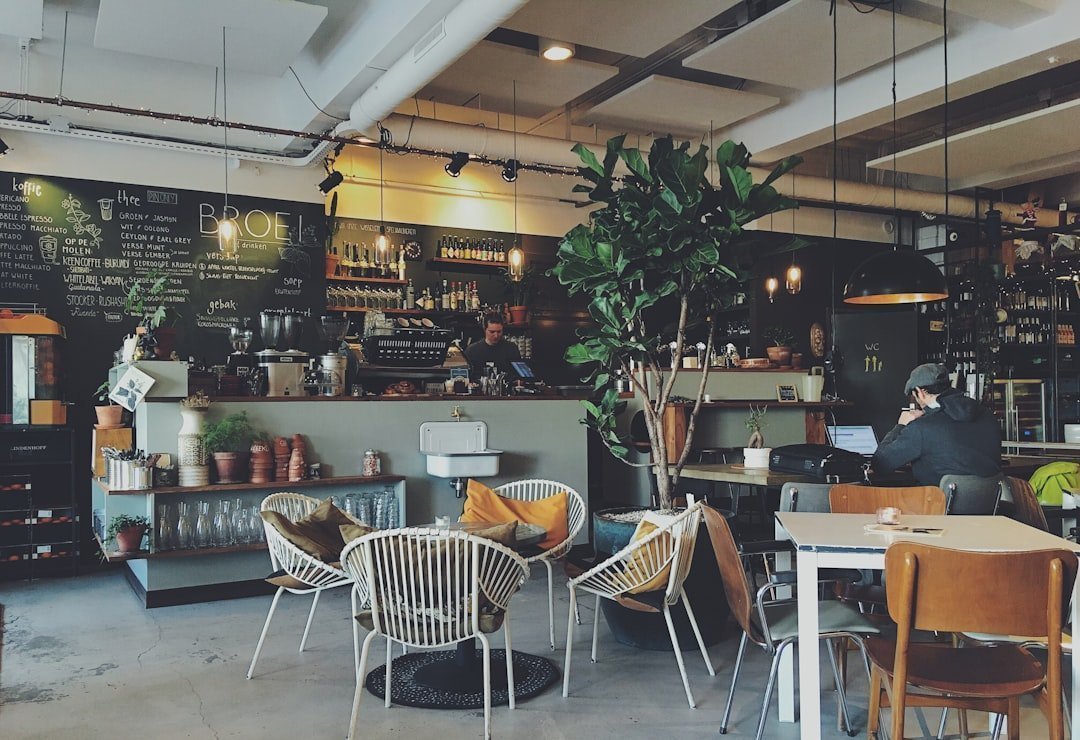
Lisbon has earned a fierce reputation as Europe’s digital nomad capital, and the cafes in LX Factory are Instagrammed to death for good reason. Lisbon’s combination of excellent internet infrastructure and affordable living costs created Europe’s digital nomad capital, with a coffee culture that respects traditional methods while embracing international innovations – cafes in LX Factory offering co-working-quality Wi-Fi with neighborhood charm pricing. Honest about the reality, though: “co-working-quality” varies wildly from spot to spot, and several well-reviewed locations throttle heavy users by design.
Your baseline internet requirements for working remotely start with 25 Mbps download and 10 Mbps upload for basic functionality, but your specific needs depend heavily on what type of work you do – if you frequently host video conferences, upload large files, or stream content, you’ll require significantly more bandwidth. The painful irony? Most Lisbon cafes that market to nomads serve speeds well below that 25 Mbps floor during peak hours, regardless of what they advertise on their menus.
3. Chiang Mai’s Laptop-Friendly Cafes and the Midday Speed Cliff
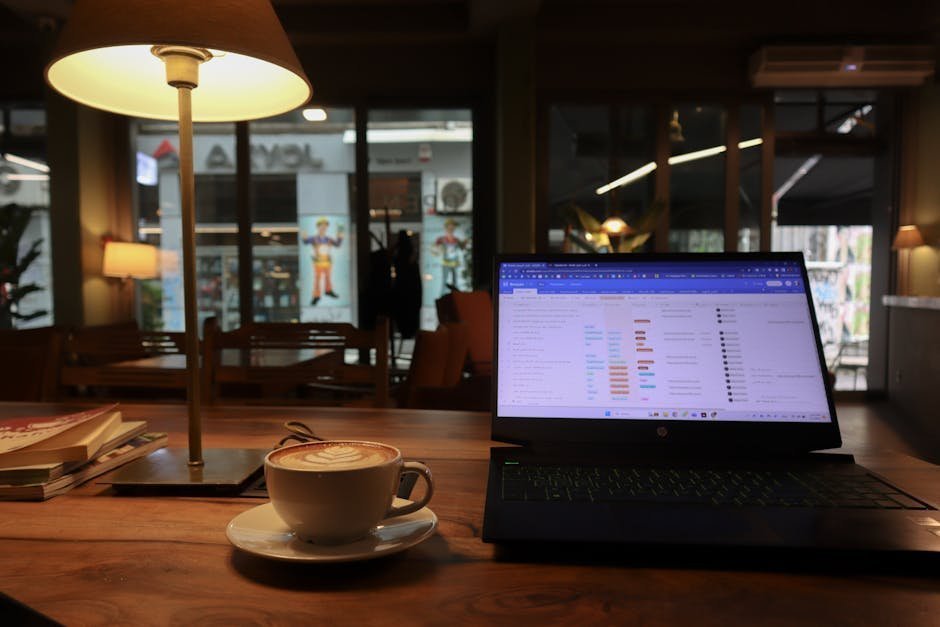
Chiang Mai is perhaps the most iconic city on the global nomad circuit. Chiang Mai is a classic – with reliable internet, a strong community of digital nomads, and a cost of living under $1,200 per month. The city is full of cafes that welcome laptops, and co-working memberships start around $100. The problem is that “welcoming laptops” and “providing usable internet” are two very different things.
What experienced nomads in Chiang Mai describe is a repeating pattern: blazing fast speeds from around 8am until noon, then a dramatic speed collapse as the lunch crowd floods in. Throttling can be used to actively limit a user’s upload and download rates on programs such as video streaming and file sharing, as well as even out the usage of the total bandwidth supplied across all users on the network. That “evening out” is precisely what happens at peak midday – and it hits remote workers the hardest.
4. Berlin’s Startup-Scene Cafes: The Paid Prioritization Problem

Berlin bills itself as Europe’s startup capital, and its cafe scene is deeply woven into that identity. Berlin’s position as Europe’s startup capital means excellent internet infrastructure combined with a coffee scene that applies German engineering principles to brewing, with affordability compared to other major European capitals – and regular cafes often providing equally good connectivity to co-working spaces. Theoretically. In reality, a number of popular Berlin cafe-workspaces operate tiered bandwidth policies that aren’t disclosed anywhere on the premises.
Plan tiering and prioritization means higher-paying plans get priority on bandwidth, while cheaper plans can get deprioritized – and some ISPs slow certain activities like heavy file sharing or specific services. Cafes essentially reproduce this exact model on their guest networks: regular customers browsing social media get smooth performance, while the nomad hammering a cloud-based video edit gets throttled into uselessness. It’s not accidental. It’s infrastructure policy.
5. Bangkok’s Nomad-Marketed Coffee Shops and the Congestion Trick

Bangkok is the second most visited city among digital nomads worldwide, according to Statista data cited by DemandSage. The city’s cafe culture is enormous, and dozens of spots openly advertise themselves as remote-work destinations. However, free public networks frequently suffer from laggy speeds due to the volume of users, connection instability from older wiring, and serious security vulnerabilities that can allow hackers to steal personal data. Bangkok cafes are especially guilty of the “older wiring” problem: the marketing is 2025, the infrastructure is 2009.
Even when Wi-Fi works, speeds are often too slow – uploading large files, streaming video meetings, or running multiple devices can cause performance issues, and slow internet can lead to missed deadlines and lower productivity. Honestly, that perfectly describes the Bangkok cafe experience for anyone doing anything more demanding than checking email. The cafes know it. They just don’t tell you.
6. Medellín’s Co-Working Cafes: The Unlimited Data That Isn’t
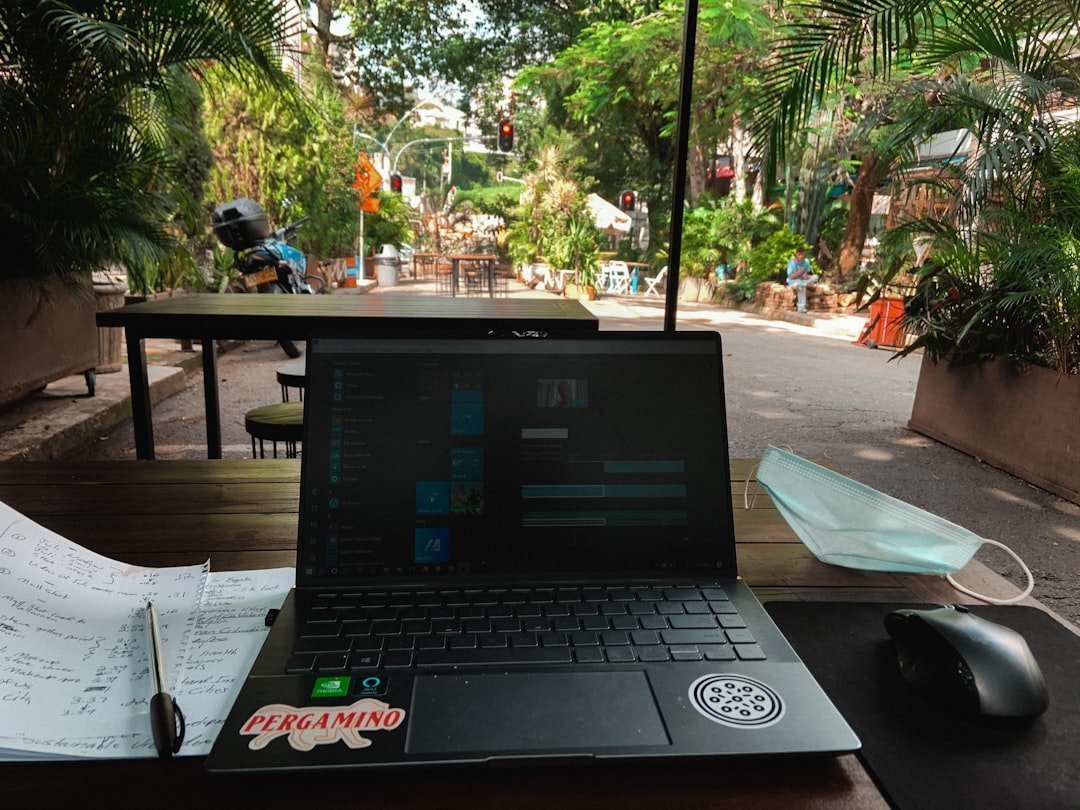
Medellín, Colombia has exploded as a nomad destination in recent years, and a wave of cafes market “unlimited” Wi-Fi to attract the remote-working crowd. Let’s be real about what “unlimited” actually means in this context. Many providers claim to offer “unlimited data,” but they throttle speeds after reaching a certain limit. This applies to the ISP contracts that Medellín cafes themselves operate under, meaning the throttle trickles directly down to you as the end user.
You might see a plan advertised with unlimited data, but then find out it throttles your speed after a certain amount – or maybe the advertised speed is only available in major city centers. Medellín’s booming nomad neighborhoods, particularly El Poblado, see dozens of cafes packed with laptops during the afternoon hours – which is exactly when that throttle kicks in hardest and you find out what “unlimited” really meant all along.
7. Tbilisi, Georgia Cafes: The Time-Based Throttle No One Warns You About
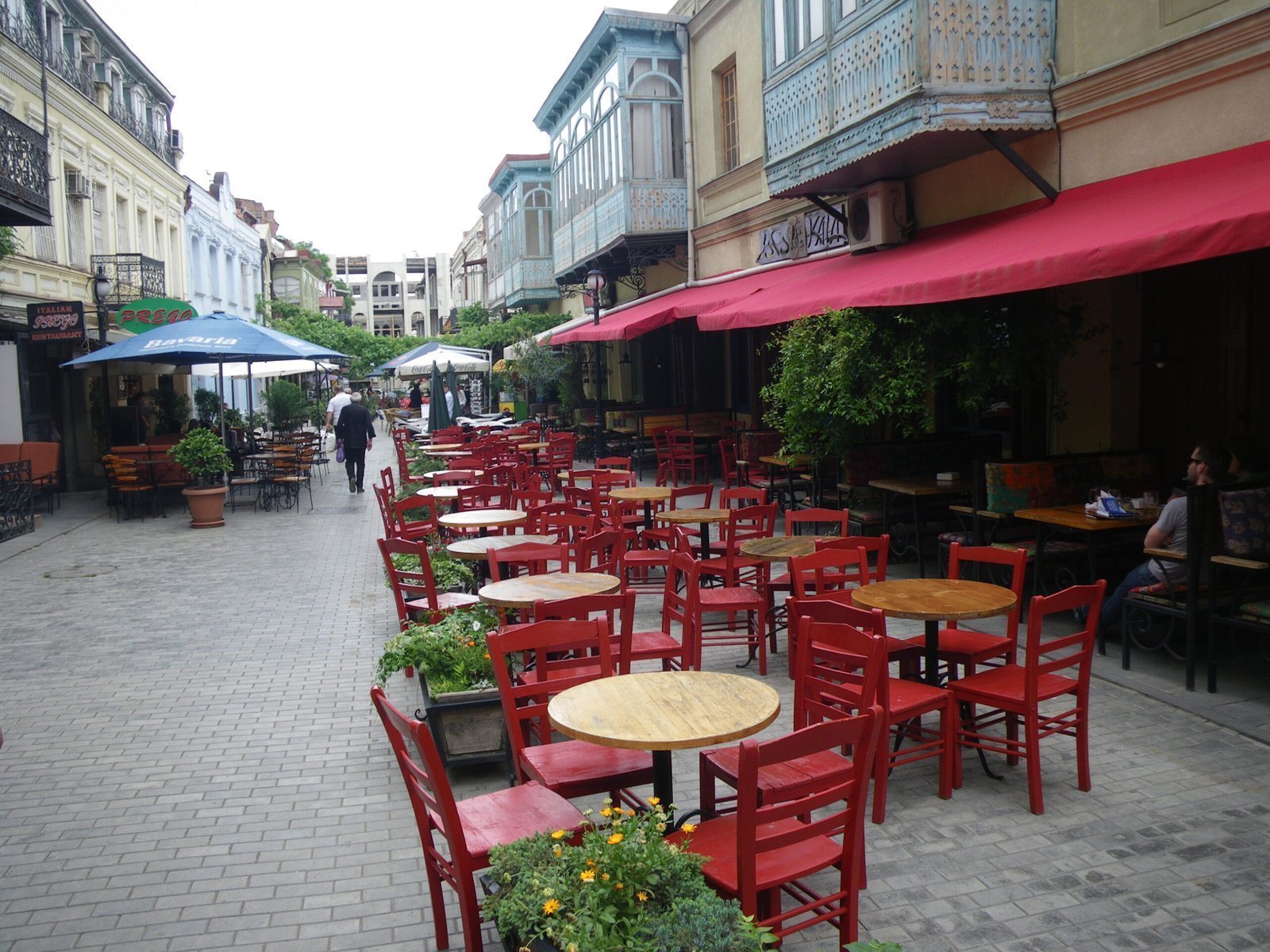
Tbilisi has become one of the surprise hits of the 2024 nomad scene, drawing remote workers with low costs and excellent visa conditions. The cafe culture there is genuinely wonderful, and the initial Wi-Fi speed tests are often impressive. The catch? Many spots apply what is technically known as time-based throttling. Time-based throttling happens at specific times of the day when the network is busiest – for example, from 7 PM to 11 PM, internet slows down significantly because the ISP tries to manage peak-hour congestion.
The nomads who discover this the hard way are typically those who scheduled a client call for the evening, confident after a smooth morning session. For accurate results, you’d need to run multiple tests at different times of day – if speeds are only slow at certain times even when you’re alone on the network, this may indicate congestion or other time-specific network conditions, including possible throttling. That test is something most nomads simply never think to run before booking a cafe as their work base.
8. Cape Town’s “Remote Work Ready” Spots and the Shared Bandwidth Trap

Cape Town has aggressively courted the digital nomad market, and cafes in neighborhoods like De Waterkant and Woodstock promote themselves enthusiastically as laptop-friendly. The problem isn’t malicious intent, exactly. It’s a shared bandwidth trap that is entirely predictable. When too many devices want too much bandwidth on a home network, everything slows down – and on the provider network, when many users are connected at the same time, the network gets congested, which slows everyone’s connection.
Think of the shared network like a single garden hose feeding twenty sprinklers at once. Each one gets a trickle. Digital nomads face constant connectivity challenges from unreliable Wi-Fi, slow speeds, public hotspots, and limited access. Cape Town’s cafes pack in the remote workers, share a single commercial ISP line, and then wonder why every customer is frustrated by 11am. It’s baked into the business model.
9. Mexico City’s Condesa Neighborhood Cafes: Where the Password Is the Last Thing You’ll Need

Mexico City’s Condesa and Roma districts are packed with beautifully designed cafes, nearly all of them buzzing with laptops. The Wi-Fi passwords are cheerfully scrawled on chalkboards. The actual speeds, though, tell a different story once the morning rush hits. Even if providers advertise “unlimited” usage, they may slow speeds dramatically after you pass a soft cap – and these models can impact everything from loading emails to enjoying smooth streaming video.
I think what frustrates nomads most here is the complete lack of transparency. Always check the fine print on data caps and speed throttling – what looks like a great deal can quickly become a frustrating experience if your internet slows to a crawl halfway through the month or during an important client meeting. There is no fine print posted on those charming chalkboards. There is just the promise of connection and then the slow, creeping reality that something upstream is very deliberately slowing you down.
10. Seoul’s Cafe Culture Vs. The Router That Never Got Upgraded
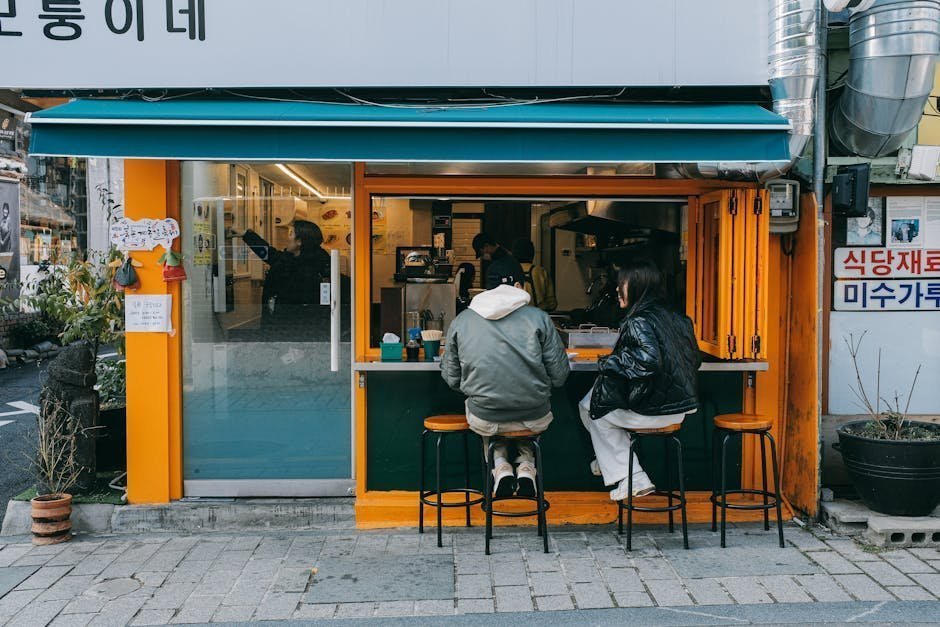
Seoul is genuinely one of the fastest-connected cities on earth. South Korea doesn’t just have fast internet – it has internet so fast it makes other countries look like they’re still using dial-up, and Seoul’s cafes offer speeds that would make Silicon Valley jealous. That national infrastructure advantage, however, does not automatically translate to your cafe table. Many Korean cafes operate off years-old routers that cannot actually pass the speed their ISP delivers into the room.
Performance issues can also be due to limits set by local network administrators, restrictions on public Wi-Fi, congestion on a website or service, background apps consuming bandwidth, or router settings that manage bandwidth. In Seoul’s case, the throttle is sometimes not even intentional – it’s the ghost of an ancient router acting as a natural choke point. The effect on your work is identical to purposeful throttling. Your file upload doesn’t care about the reason it stopped.
11. Amsterdam’s Brown Cafes and the “Managed Traffic” Excuse
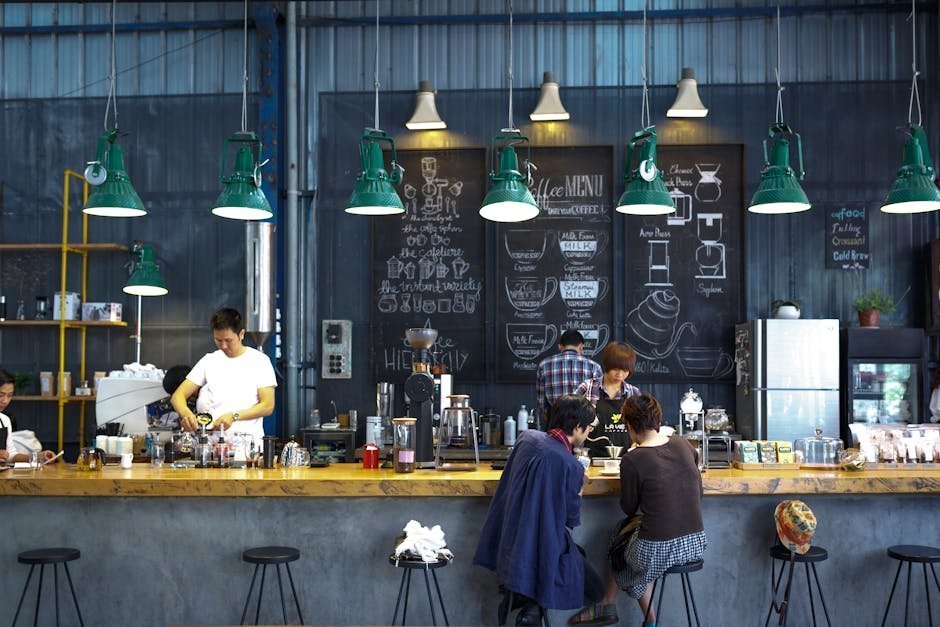
Amsterdam’s famous cafe network has evolved significantly, and many spots genuinely serve the nomad community well. Amsterdam’s cafes average around 75 Mbps, with Dutch coffee culture balancing quality with practicality – excellent beans, reliable Wi-Fi, and spaces designed for lingering – and the city’s startup ecosystem meaning most cafes understand digital nomad needs instinctively. The key word there, though, is “most.” A significant number do not.
The language used to justify throttling in cafes across Europe leans heavily on “traffic management” as a justification. In Europe, EU Regulation 2015/2120 requires ISPs to treat traffic categories consistently – but traffic management is permitted under specific circumstances, such as temporary congestion, security measures, or compliance with legal obligations. Cafes operating under those ISP contracts pass that “traffic management” logic down to their guests, and your 4K video upload suddenly becomes the congestion problem they are legally allowed to throttle. It’s a loophole the size of a canal.
12. The Nomad-Branded Coffee Chain: When Throttling Is Written Into Company Policy
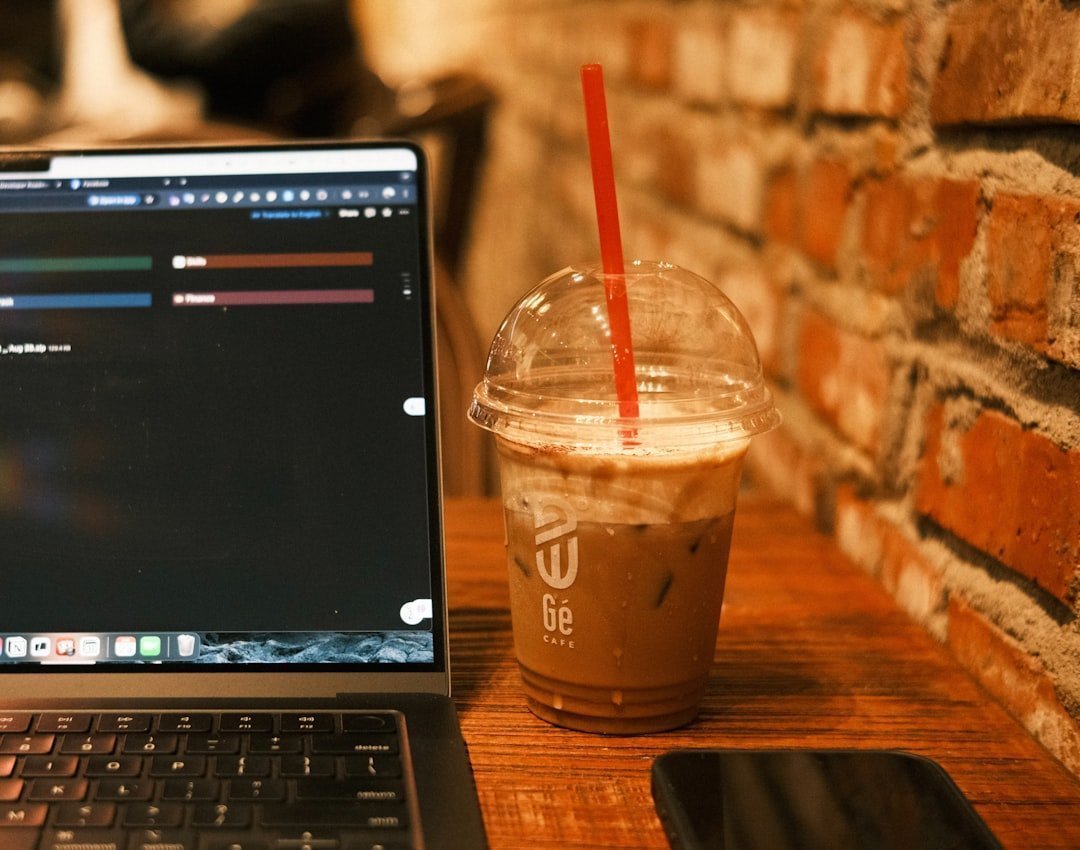
This one stings the most. Across multiple continents, a growing number of branded cafe chains have specifically positioned themselves as “the remote worker’s office.” They sell this identity hard. Then, if you have ever been at a coffee shop where browsing the internet worked perfectly, but downloading a podcast or short video seemed like it would never finish, then you encountered throttling. That is not a coincidence in these chains. It is policy.
Bandwidth throttling is often used in internet applications to spread a load over a wider network to reduce local network congestion, or across servers to avoid overloading individual ones – and also to gain additional revenue by giving users an incentive to use more expensive tiered pricing schemes. Some of these chains have begun rolling out paid “premium Wi-Fi” tiers while their free tier is deliberately kept slow – a strategy borrowed directly from ISPs and applied to your latte order. In the U.S., following the 2025 court decision overturning FCC net-neutrality protections, there is currently no federal mandate universally prohibiting ISPs from throttling, which means cafe network administrators operate in an even more permissive environment than before.
The digital nomad community has grown from roughly 7.3 million Americans in 2019 to an estimated 40 million people living as digital nomads globally by 2025, with 18.1 million in the United States alone – a 147% rise since pre-pandemic times. That is an enormous captive audience being sold a myth. The cafes know the numbers. They know nomads will come regardless. So the Wi-Fi promise remains on the chalkboard, and the throttle remains on the router. What are you going to do about it – leave a bad review from your tethered phone hotspot?
What do you think? Have you been burned by a “digital nomad friendly” cafe that was anything but? Drop your experience in the comments.