
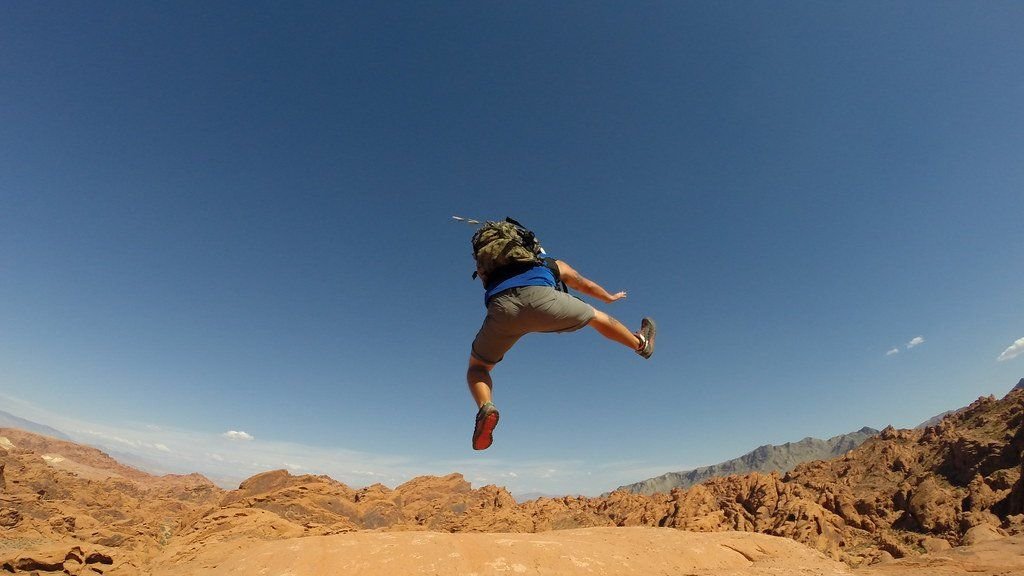
I remember that rainy afternoon in Damascus, Virginia, like it was yesterday. My feet screamed with every step, blisters throbbing worse than ever, and the thought of another 20 miles seemed impossible. Little did I know, deciding to take that unplanned zero-day would drain my wallet by $400 and push me to the brink of quitting my Appalachian Trail thru-hike.
Thru-hiking sounds romantic until the grind hits hard. You’ve got dreams of summits and sunrises, but reality bites with sore muscles and empty food bags. Let’s unpack how one “harmless” rest day turned into a nightmare that almost derailed everything.[1]
Chapter 1: The Thrill of Starting Out
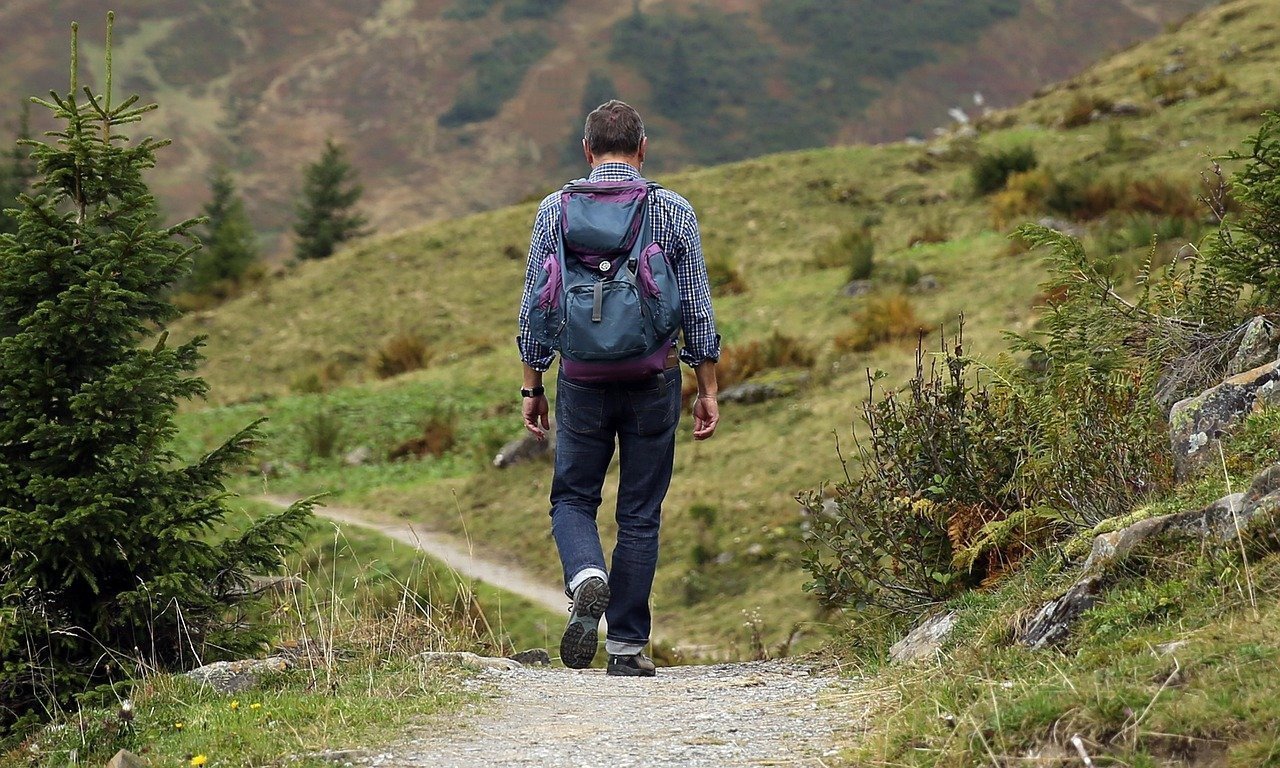
Spring 2025, I bounced out of Springer Mountain full of fire. Those first days flew by in a blur of rhododendrons and trail magic, averaging 15 miles without a hitch. I felt invincible, chatting with NOBOs who swore the AT changes you forever.
Everyone talks about the bubble, that pack of hikers moving north together. I slotted right in, sharing stories around campfires late into the night. Little did I suspect the real test waited just weeks away.[2]
Chapter 2: When the Wall Hit
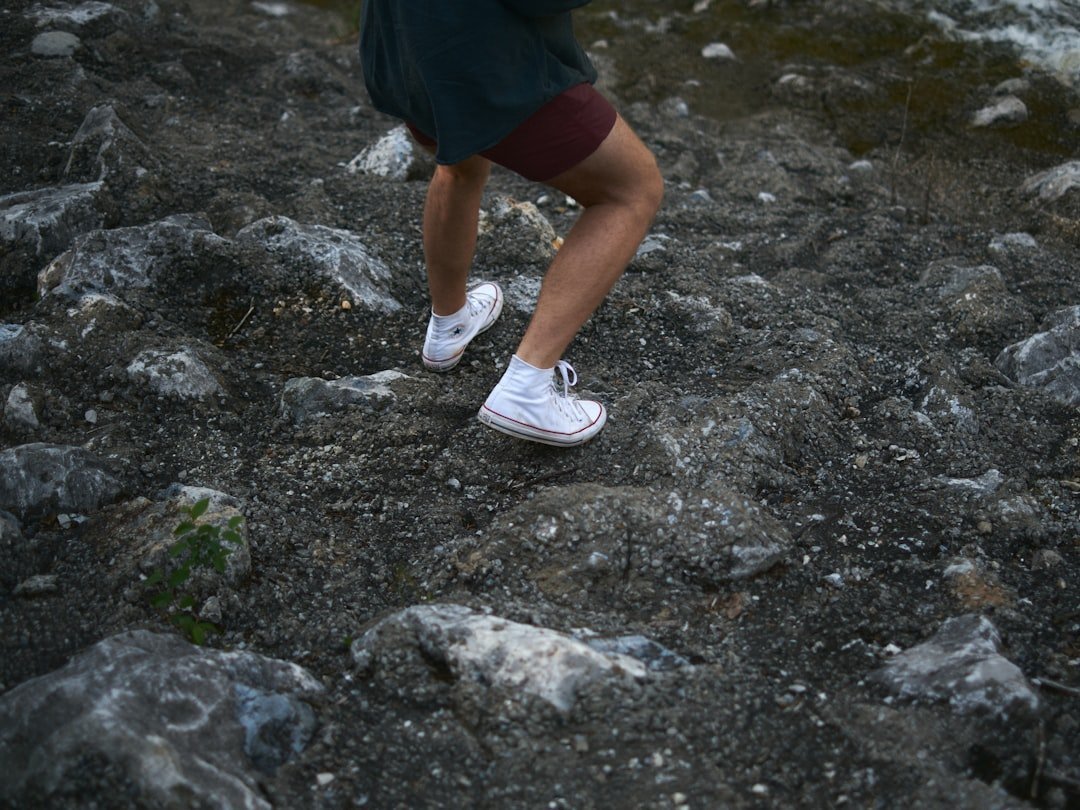
By mile 400, shin splints turned every downhill into torture. I’d pushed too hard early, ignoring the whispers of pain. Doctors later called it classic overuse, common for newbies ignoring their bodies.
I limped into a trail town, debating a nero day instead. But friends raved about full zeros healing everything. Honestly, I should’ve listened to my gut and kept moving light.[3]
Chapter 3: Town’s Seductive Pull

Damascus hit like a siren song with its breweries and burgers. After a quick resupply, my body begged for rest. I rationalized it as smart recovery, picturing stronger miles ahead.
Hostels buzzed with quitters’ tales, but I shoved those aside. One night off couldn’t hurt, right? That’s when the trap snapped shut.[4]
Chapter 4: Sinking into the Zero-Day Bliss

I crashed in a $120 motel room, devouring pizza and binge-watching shows. Laundry, a real shower, and endless coffee felt like luxury after weeks of dirt. By evening, soreness faded, replaced by contentment.
Chatting with locals extended my stay; why rush back to rain? That extra day piled on burgers, beers, and impulse buys. Bliss turned sneaky expensive fast.[5]
Chapter 5: The Shocking Bill

Checkout morning, the tally hit: $240 for two nights lodging since I extended. Add $100 on food and drinks, $40 laundry, $20 shuttles. Boom, $400 gone in 48 hours.
AT hikers averaged $7,600 total in 2024, with lodging eating big chunks on zeros.[1] My budget screamed, already tight at $6,000 planned. One slip shaved weeks of careful penny-pinching.
Chapter 6: Stiff Legs and Lost Rhythm

Back on trail, my legs felt like lead weights. That extra rest killed my hard-earned trail legs, those efficient muscles honed by constant motion. Hiking 10 miles felt heroic again.
Science backs it: prolonged rest disrupts endurance adaptation. I averaged 12 miles daily before, now struggling for eight. Frustration boiled as the bubble pulled ahead.[6]
Chapter 7: The Mental Fog Descends
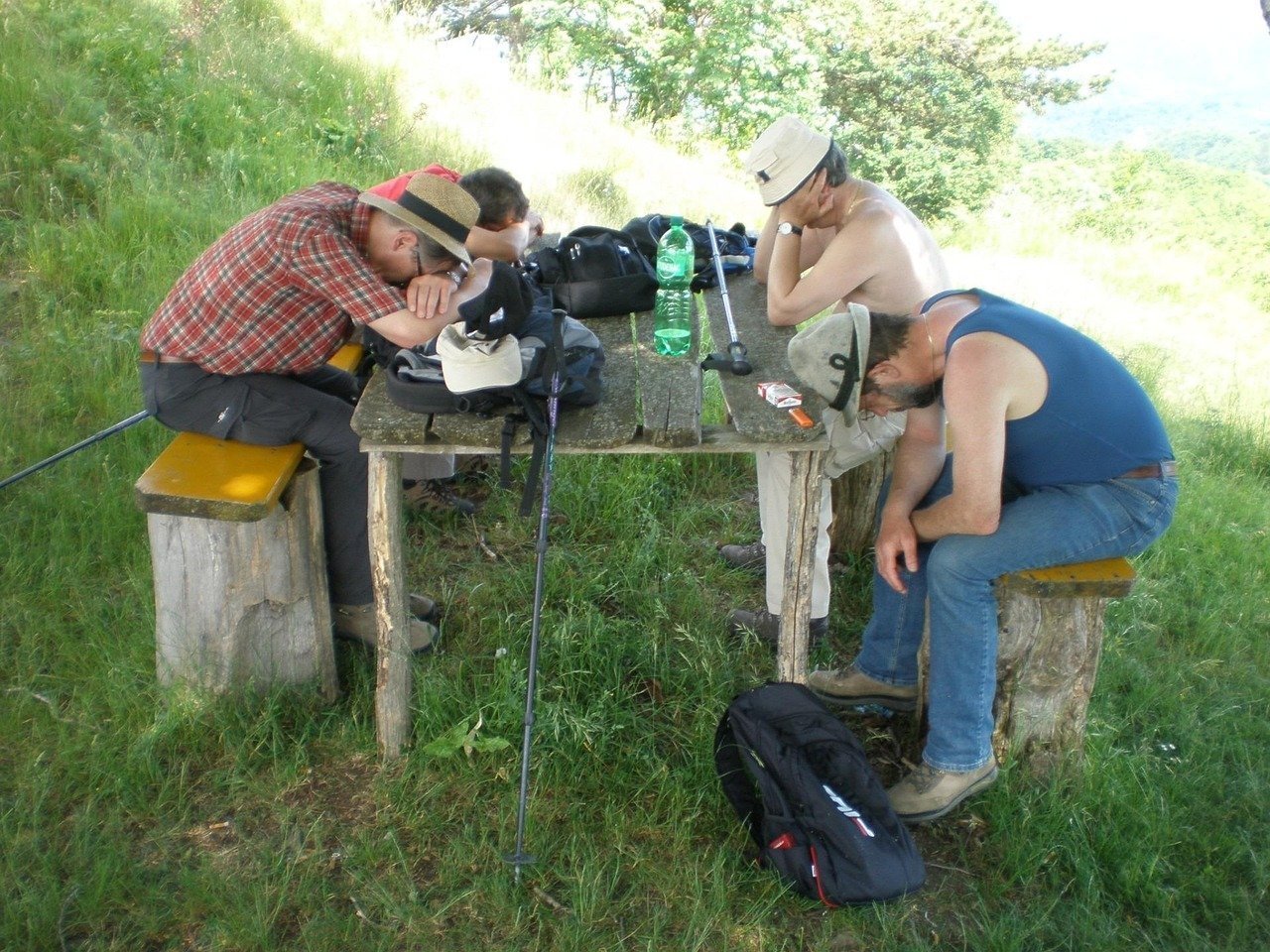
Doubt whispered constantly now. Why suffer when town comforts called? Finances loomed too; that $400 dent meant ramen stretches ahead.
Finances rank high among quit reasons, alongside injury.[7] I obsessed over mileage, watching my end date slip. The trail’s mental game turned vicious.
Chapter 8: Stats That Sting
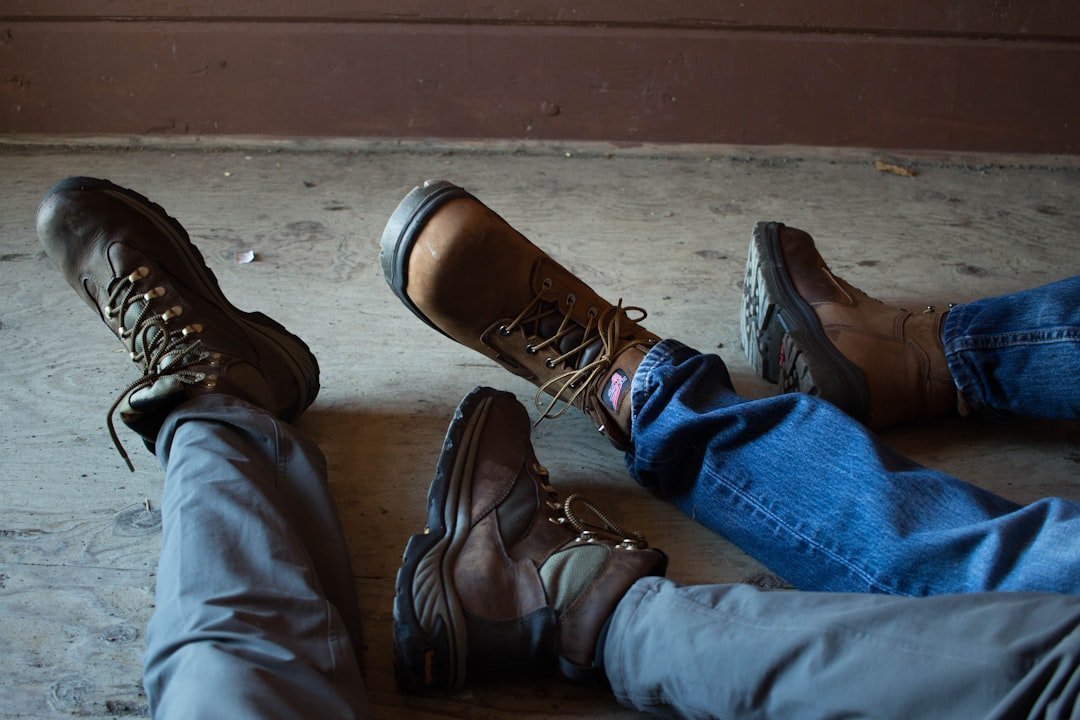
Completers take about 20 zeros on AT, every 7-10 days wisely spaced.[8][4] Mine clustered poorly, amplifying costs like PCT’s $2,000+ lodging average.[9]
Only 20% finish, injury toppling most in 2024.[3] My zero pushed me close to that stat. Data proved my slip wasn’t unique.
Chapter 9: Gritting Through the Lows
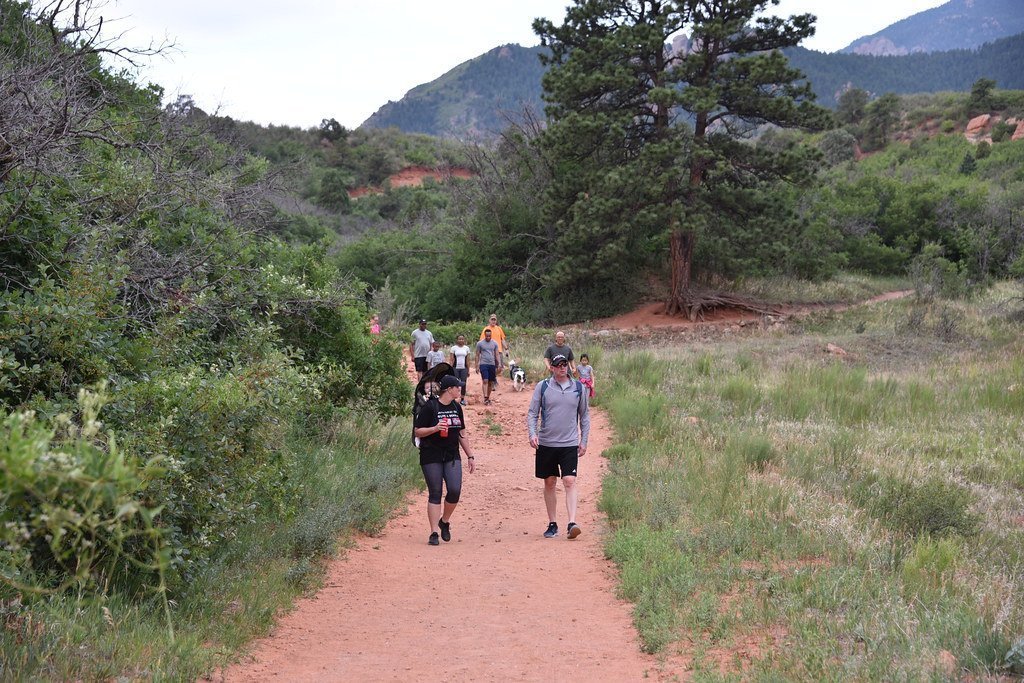
I forced nearos, tiny mileage days rebuilding rhythm. Trail angels’ snacks staved off hunger without town splurges. Slowly, momentum flickered back.
Friends from the bubble caught up, their stories reigniting fire. No more unplanned zeros; I vowed discipline. The trail rewarded persistence, one ridge at a time.
Chapter 10: Katahdin and Hard-Won Wisdom
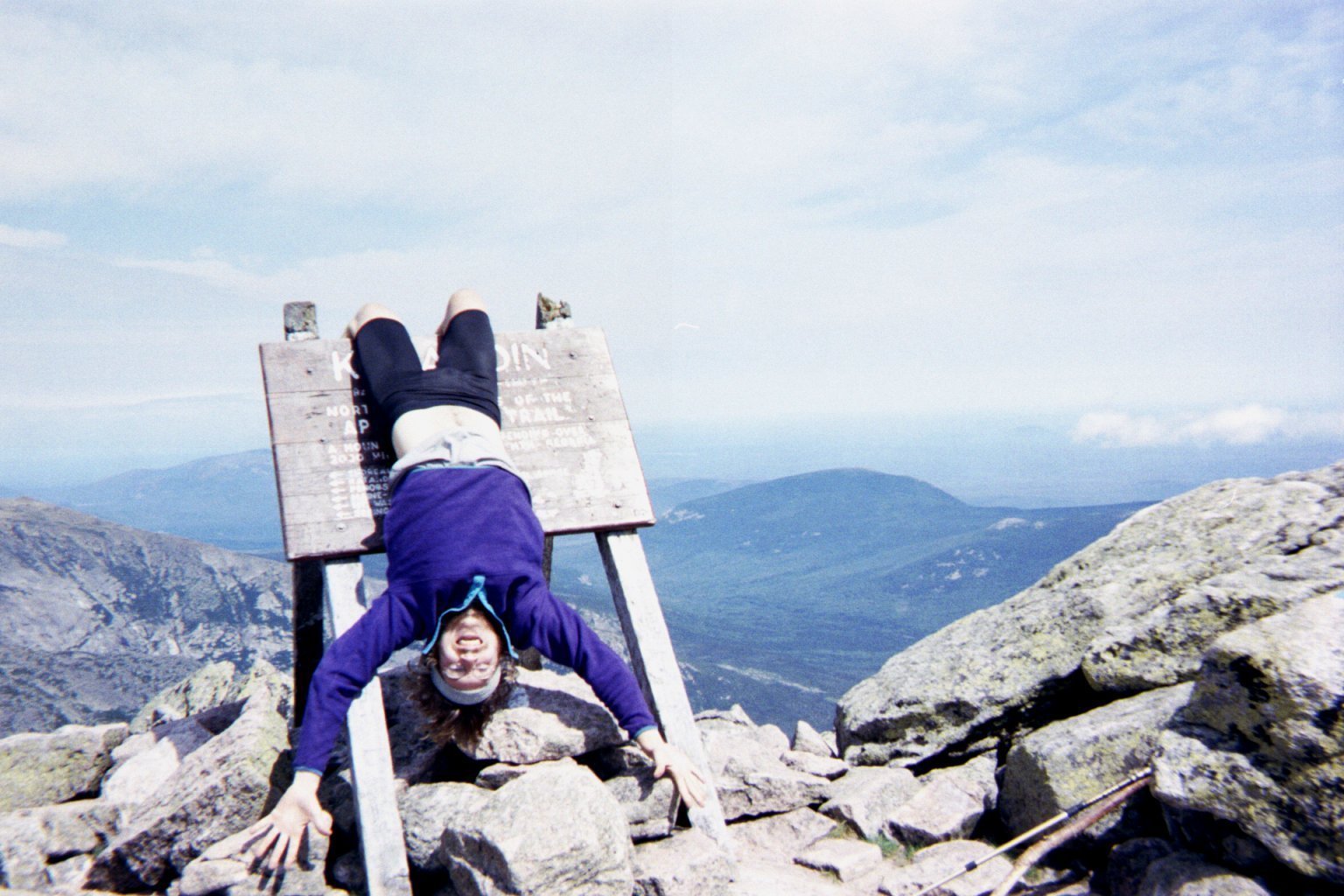
Five months later, I stood at Katahdin, battered but triumphant. That zero scarred my budget and spirit, yet taught balance. Total spend hit $8,200, over plan thanks to one day.
Here’s the thing: zeros heal, but extras trap you in comfort’s web. Plan them sparingly, stick tight. What zero-day mistake nearly broke your adventure?[1]