
The greatest show on earth is happening right above your head.
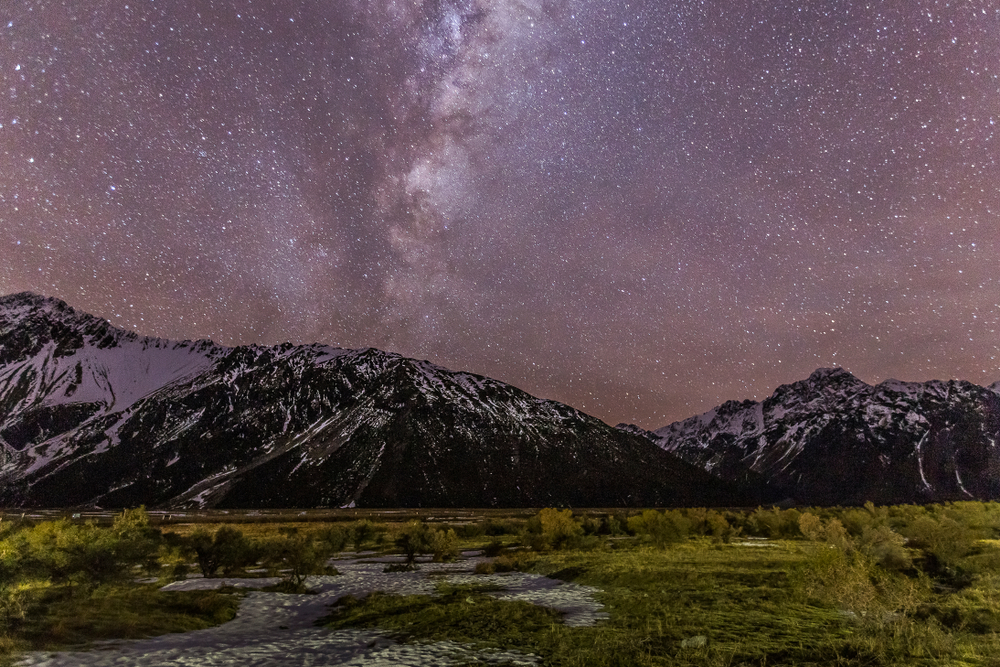
In a world of constant digital noise and distraction, a new and powerful travel trend is emerging, one that is focused on silence, wonder, and looking up. “Astrotourism,” or the practice of traveling to a destination specifically for its dark, star-filled skies, has exploded in popularity in 2025. It’s a movement born from a collective desire to disconnect from our screens and to reconnect with something truly vast and profound.
These are the places where the night sky is so clear and so dark that you can see the universe in all its glory.
1. The Atacama Desert in Chile is an astronomer’s paradise.
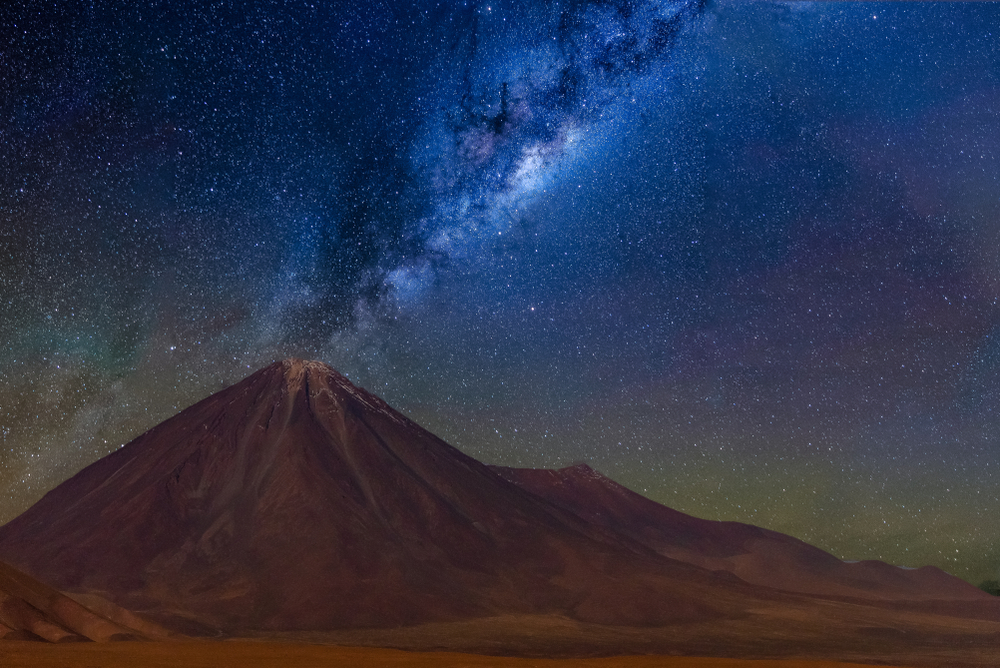
The Atacama Desert is the driest non-polar desert in the world, and this lack of moisture, combined with its high altitude and a near-total lack of light pollution, gives it the clearest and most transparent night skies on the entire planet, according to Wander Your Way. This is why the region is home to a huge number of the world’s most powerful professional observatories.
For a tourist, the experience is simply breathtaking. The sheer number of stars that are visible to the naked eye is almost unbelievable, and the Milky Way is so bright that it looks like a cloud.
2. Aoraki Mackenzie in New Zealand is a massive dark sky reserve.
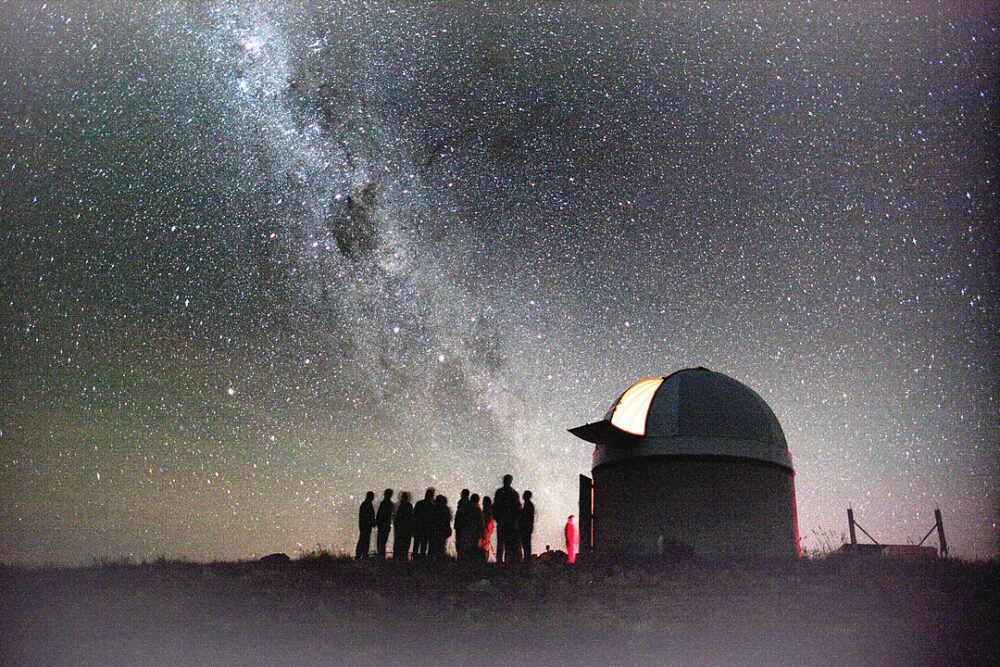
This is the largest dark sky reserve in the entire world, a massive and protected area in the heart of New Zealand’s South Island. The reserve is centered around the country’s highest peak, Aoraki/Mount Cook, and the beautiful, turquoise-blue Lake Tekapo. The clarity of the night sky here is legendary, and it is a major center for astrotourism, The Economic Times reported.
You can visit the Mount John Observatory for a guided stargazing tour, or you can simply find a quiet spot on the shore of the lake and enjoy the incredible, 360-degree view of the southern night sky.
3. Mauna Kea in Hawaii is a sacred mountain of stars.
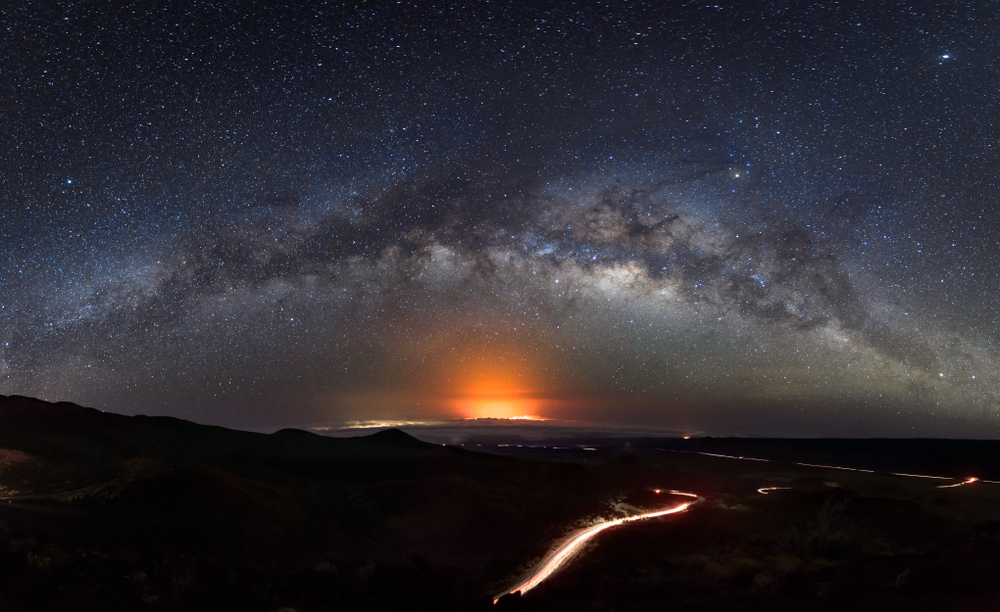
The dormant volcano of Mauna Kea, on the Big Island of Hawaii, is one of the most important and sacred sites in Hawaiian culture. It is also, due to its incredible altitude of nearly 14,000 feet and its location far above the clouds, one of the premier sites for astronomy in the entire world. The summit is home to a collection of the world’s most powerful telescopes, as mentioned by National Geographic.
While the summit is restricted at night, a number of tour operators will take you to the visitor center at 9,200 feet for a spectacular stargazing program after the sun sets over a sea of clouds.
4. The NamibRand Nature Reserve in Namibia is a pristine wilderness.
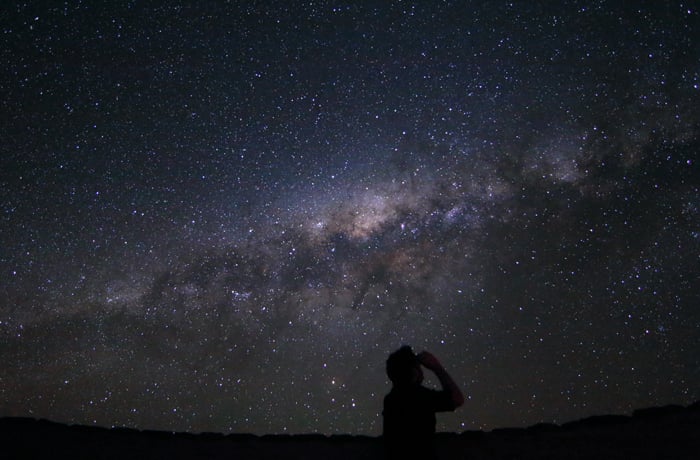
The NamibRand Nature Reserve in the Namib Desert is one of Africa’s first and largest private dark sky reserves. The reserve is dedicated to protecting the pristine, star-filled night sky for both scientific research and tourism. The air here is incredibly dry and clear, and the reserve is hundreds of miles from the nearest city, meaning there is absolutely zero light pollution.
Many of the lodges in the reserve are designed for stargazing, with some even offering the chance to roll your bed out onto a private deck to sleep directly under the magnificent, star-filled African sky.
5. Cherry Springs State Park in Pennsylvania is the darkest spot in the east.
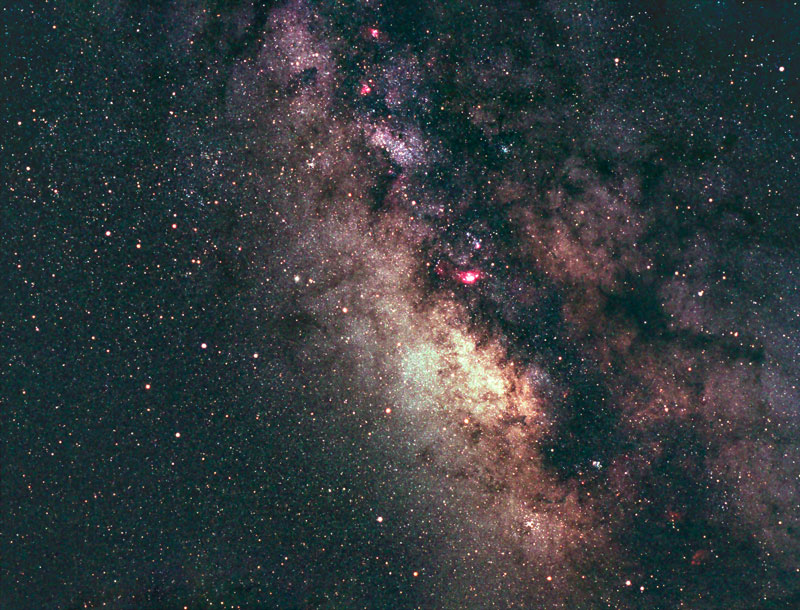
For those on the East Coast of the United States, a truly dark sky can be very hard to find. Cherry Springs State Park in a remote and mountainous part of northern Pennsylvania is a remarkable and very famous exception. It is a designated Gold-Level International Dark Sky Park, and it is renowned for having the darkest night skies in the eastern U.S.
The park’s astronomy field is a mecca for amateur astronomers, who gather here on clear, moonless nights to enjoy the incredible, 360-degree view of the Milky Way. It is a true treasure of the East Coast.
6. Jasper National Park in Canada is a massive dark sky preserve.
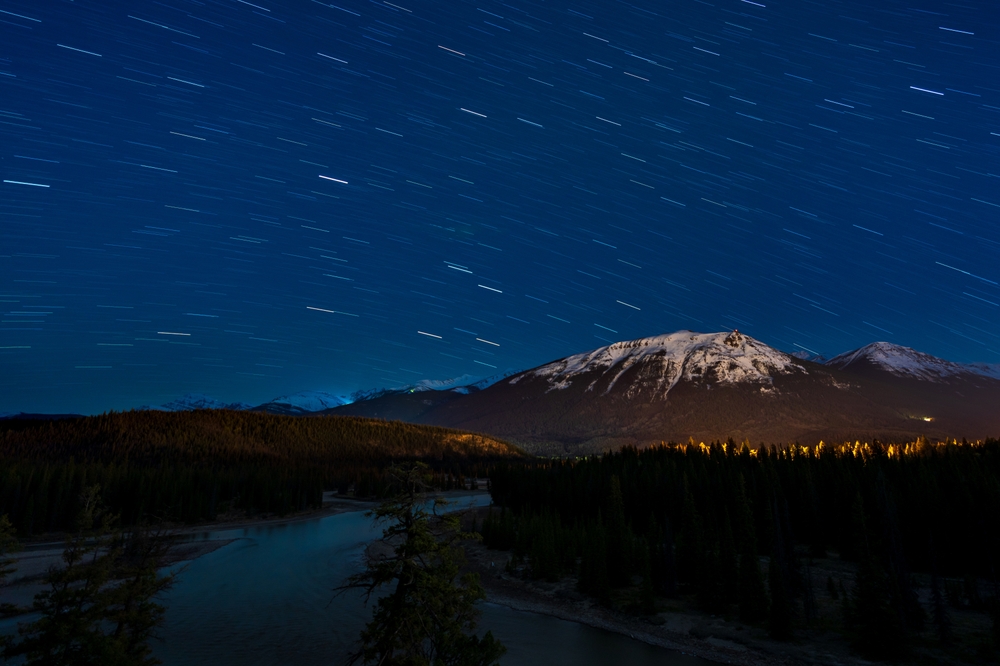
The second-largest dark sky preserve in the world, Jasper National Park in the Canadian Rockies is a stunning destination for stargazing. The park has made a major commitment to reducing its light pollution, which has resulted in an incredible quality of the night sky, even in the main townsite. Every year, the park hosts a popular Dark Sky Festival in the fall.
The experience of seeing the Northern Lights or the Milky Way reflected in one of the park’s beautiful, mirror-still glacial lakes, with the jagged, snow-capped peaks of the Rockies in the background, is a truly unforgettable and magical sight.
7. Natural Bridges National Monument in Utah was the first dark sky park.
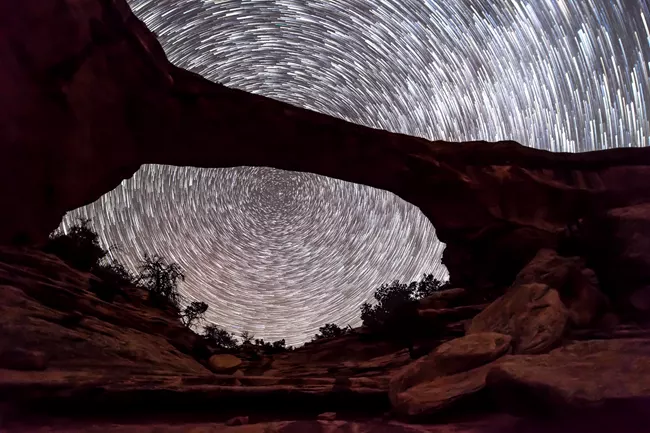
This beautiful and remote national monument in southern Utah, which is famous for its three massive, natural stone bridges, was the very first place in the world to be certified as an International Dark Sky Park. The park has an incredible quality of the night sky, and it is a fantastic place to see the Milky Way arching over the top of one of the massive stone bridges.
The park’s rangers often offer guided stargazing programs in the summer, where you can look through a powerful telescope and learn about the constellations. It is a pioneering and beautiful destination for astrotourism.
8. The Kerry International Dark-Sky Reserve in Ireland.
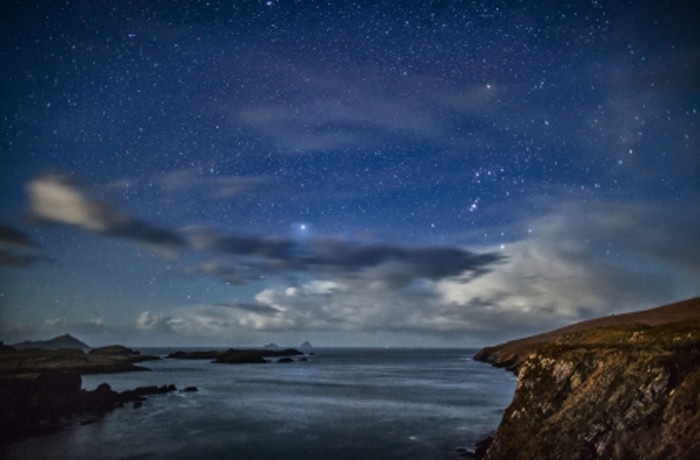
Located on the Iveragh Peninsula in the southwest of Ireland, this reserve is a beautiful and accessible dark sky destination in Europe. The area is a naturally dark region, with a very low population density and the Atlantic Ocean protecting it from the light pollution of any major cities. The reserve is a part of the famous Ring of Kerry scenic drive.
On a clear night, you can see the Milky Way and thousands of stars from the beautiful, rugged coastline. It is a chance to connect with the same, star-filled night sky that inspired the ancient Celtic myths and legends of the region.
9. Death Valley National Park in California is a certified gem.
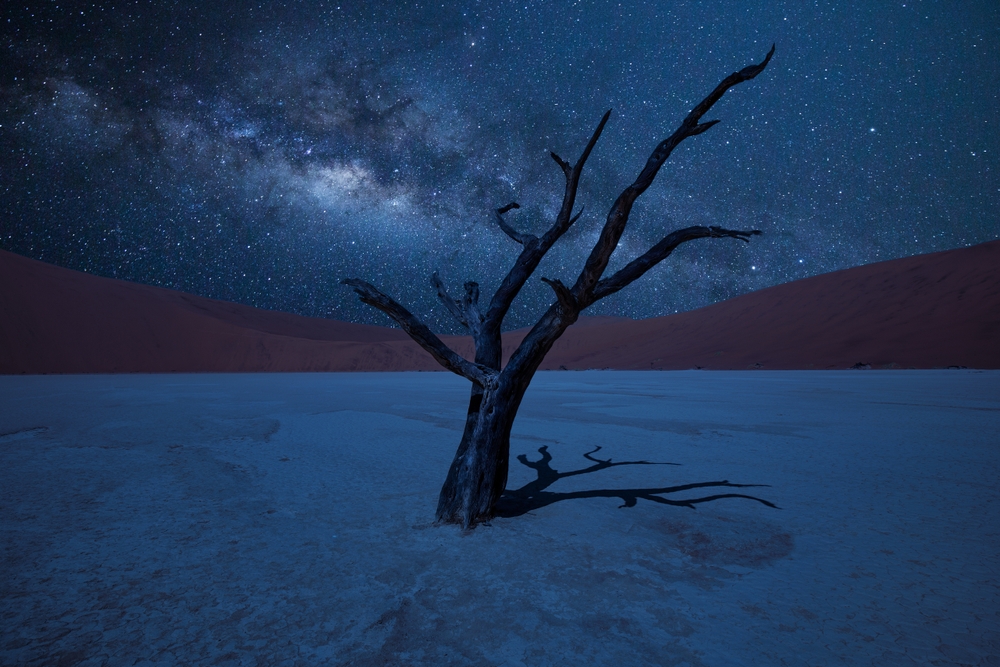
As a Californian, I know that one of the best and most accessible dark sky parks in the country is right here in my home state. Death Valley National Park is a Gold-Tier International Dark Sky Park, and its combination of dry desert air, clear skies, and a remote location make it a world-class destination for stargazing. The sheer number of stars you can see from the valley floor is breathtaking.
The park offers a variety of ranger-led astronomy programs, and the experience of seeing the Milky Way rise over the otherworldly landscape of the Mesquite Flat Sand Dunes is a truly magical and unforgettable experience.
10. La Palma in the Canary Islands is a stargazer’s paradise.
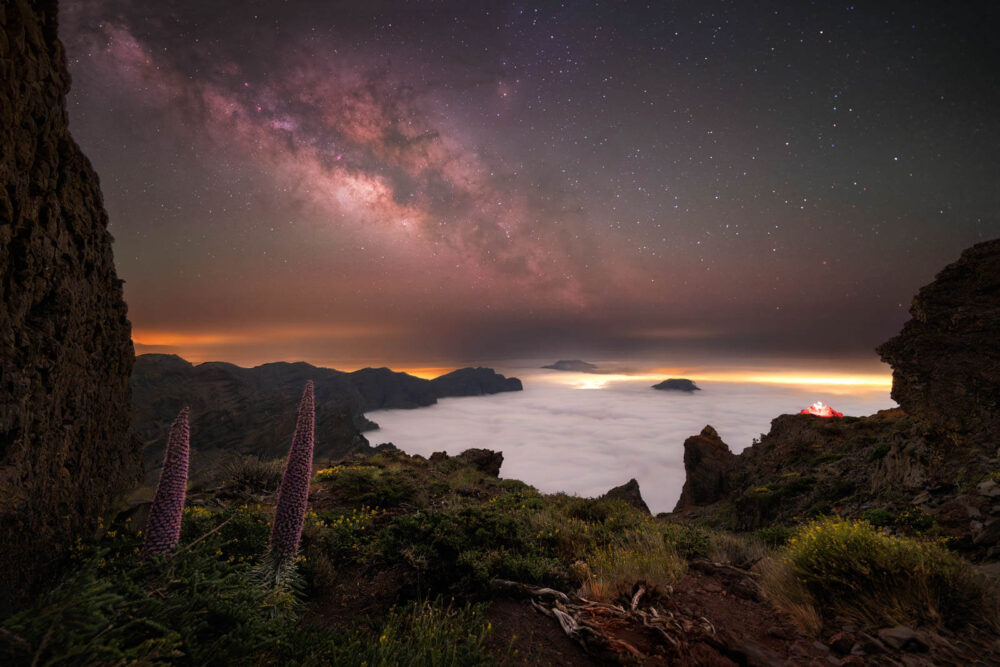
The Spanish island of La Palma, in the Canary Islands, is another world-class destination for astronomy. The island has a strict “sky law” that regulates light pollution, and its high-altitude summit is home to the Roque de los Muchachos Observatory, one of the most important in the Northern Hemisphere. The island’s unique weather patterns often keep the summit high above the clouds.
While the observatory itself is not open to the public at night, the entire island offers incredible stargazing opportunities. It is a destination that is designed for and dedicated to the preservation of the night sky.
11. Big Bend National Park in Texas has the least light pollution in the lower 48.
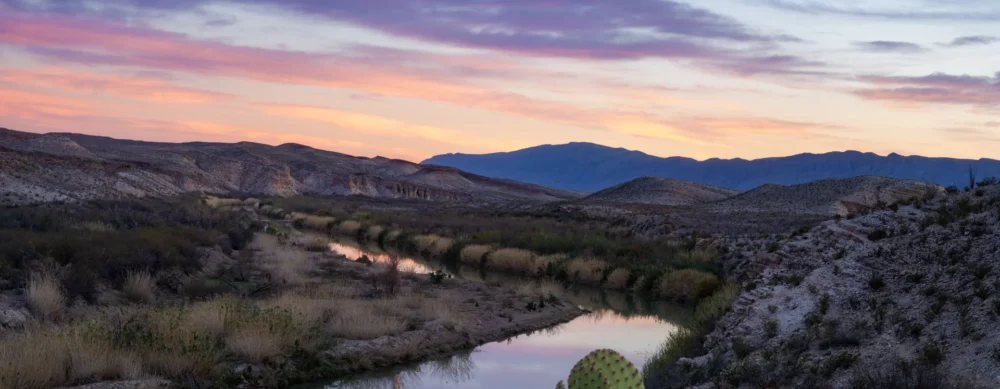
For those who are seeking the absolute darkest skies in the continental United States, Big Bend National Park on the remote border of Texas and Mexico is the place to go. The park has been certified as having the least amount of light pollution of any national park in the lower 48 states. The sheer number and the brightness of the stars here is absolutely mind-boggling.
On a clear, moonless night, the Milky Way is so bright that it can actually cast a faint shadow on the ground. It is a deeply humbling and unforgettable experience of a truly pristine night sky.