
Your blue passport won’t get you into these destinations.

The power of a U.S. passport is often taken for granted, opening doors to most corners of the globe with relative ease. However, the world map is not without its walled-off sections for American travelers. A complex web of geopolitical tensions, active conflicts, and internal instability has led a number of nations to effectively shut their doors to tourism from the United States.
As of 2025, these are the countries where a vacation is simply not on the table, a reality dictated by policies both foreign and domestic.
1. Geopolitical tensions have frozen tourist travel to Russia.

The ongoing conflict in Ukraine and the resulting deep freeze in U.S.-Russia relations have made tourist travel to Russia virtually impossible for Americans. The U.S. Department of State maintains a Level 4: Do Not Travel advisory, citing the potential for harassment, wrongful detention, and the arbitrary enforcement of local laws against U.S. citizens. Visa services for tourism have been suspended indefinitely by the Russian government.
Beyond the official warnings, the political climate is openly hostile to Americans, creating an unpredictable and potentially dangerous environment. The days of exploring the Hermitage or seeing a ballet at the Bolshoi are on hold for the foreseeable future, as mentioned by the Council on Foreign Relations. With diplomatic channels nearly severed, there is very little the U.S. government can do to assist citizens who run into trouble, making any attempt at tourism an extreme risk.
2. The hermit kingdom remains firmly sealed to American tourists.
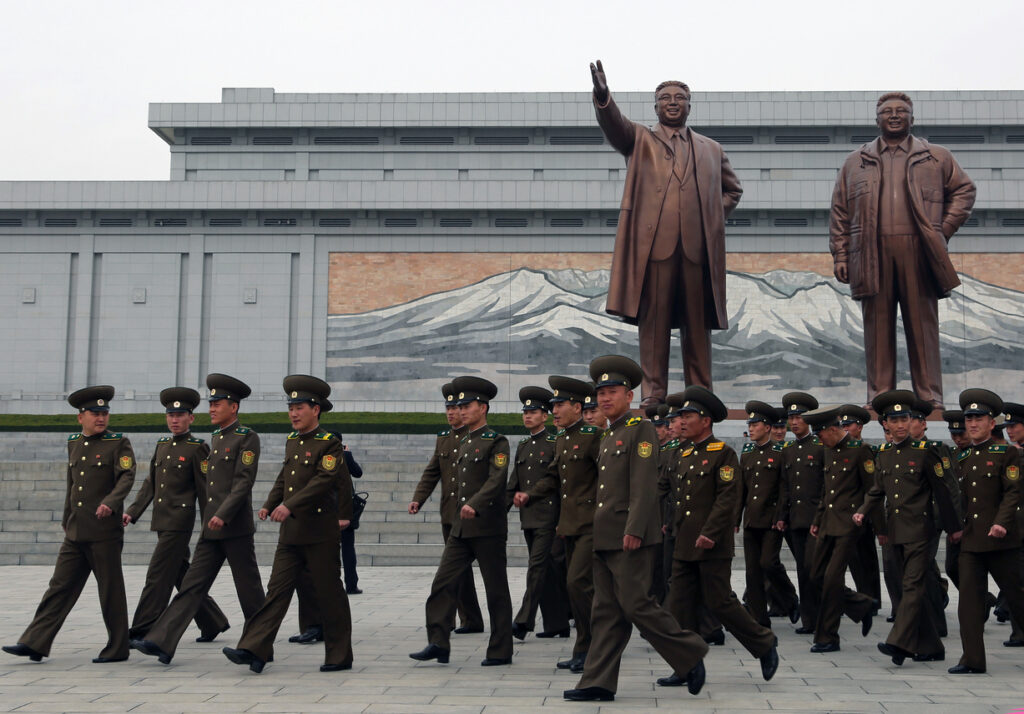
North Korea has long been one of the most isolated countries in the world, and for American citizens, its borders are completely closed. Following the detention and tragic death of U.S. student Otto Warmbier, the U.S. government took the rare step of making it illegal for citizens to use an American passport to travel to the country. This restriction has been consistently renewed by the State Department.
The North Korean government itself does not issue tourist visas to U.S. passport holders, creating a mutual and impenetrable barrier. There is no U.S. embassy or diplomatic presence in the country, meaning any American who managed to enter would have absolutely no access to consular assistance, The White House reports. This long-standing closure is one of the most clear-cut travel bans in the world, with no signs of changing.
3. A devastating civil war makes Syria a no-go zone.
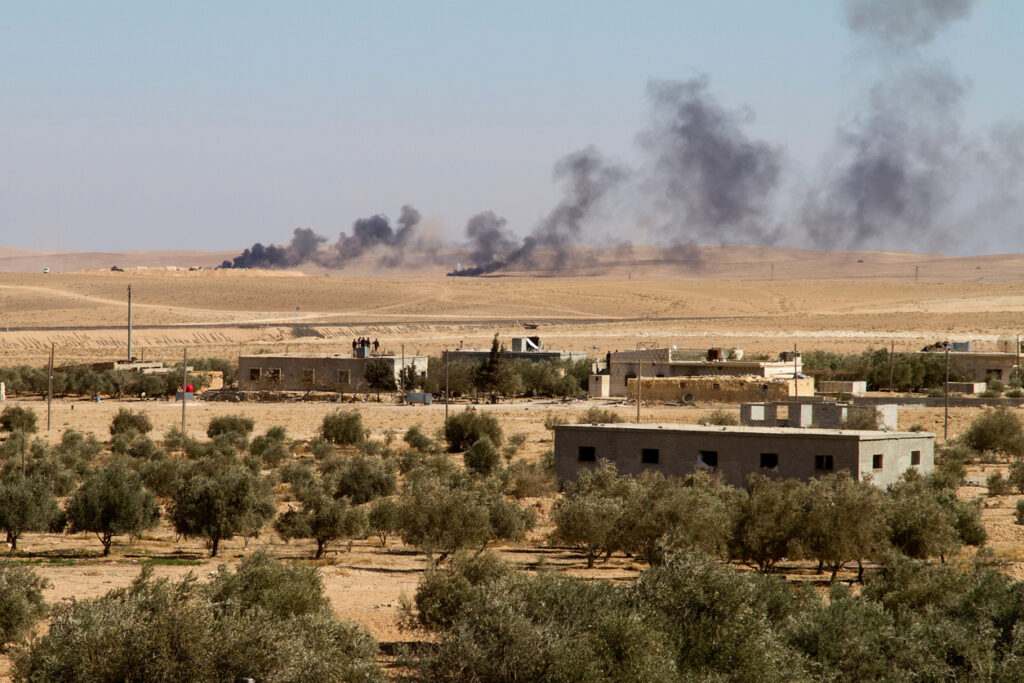
A decade of brutal civil war has left Syria shattered and extremely dangerous for any foreign visitor, especially Americans. The country is under a Level 4: Do Not Travel advisory, the highest possible warning level, due to the persistent threats of terrorism, civil unrest, kidnapping, and armed conflict. The U.S. government has no diplomatic presence in Syria, having suspended embassy operations years ago, according to Rustic Pathways.
There is no functioning tourism industry, and obtaining a visa is practically impossible for an American citizen. Various armed groups, including ISIS remnants and militias backed by foreign powers, control different parts of the country, making any movement unpredictable and perilous. The risk of being caught in crossfire or targeted for abduction is exceptionally high, leaving Syria’s rich historical treasures completely off-limits.
4. Iran’s political climate is hostile to independent U.S. travelers.
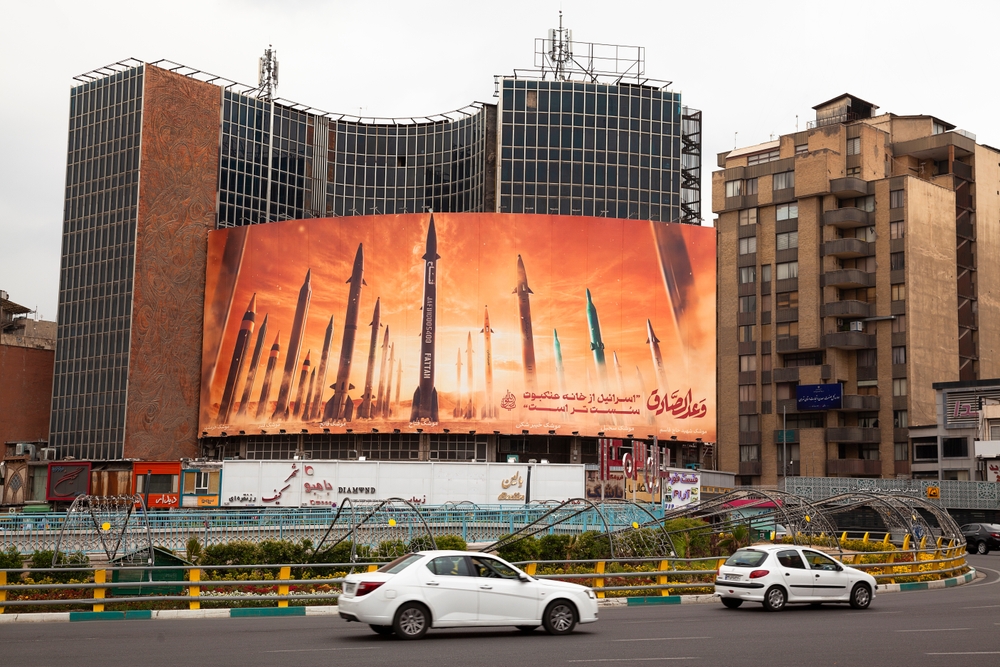
While not a formal closure in the same vein as North Korea, Iran’s policies make independent tourism for Americans effectively impossible. Due to decades of nonexistent diplomatic relations, U.S. citizens are required to be on a pre-approved, government-sanctioned guided tour at all times. The visa application process is lengthy, expensive, and frequently denied without explanation.
The U.S. State Department strongly warns against all travel to Iran, citing the serious risk of wrongful detention and kidnapping. Several American citizens have been arrested on unsubstantiated charges and used as political bargaining chips. This combination of official restrictions and a very real threat of becoming a political pawn means the country’s fascinating history and culture are inaccessible to the average American tourist.
5. Civil war and a humanitarian crisis have closed Yemen.
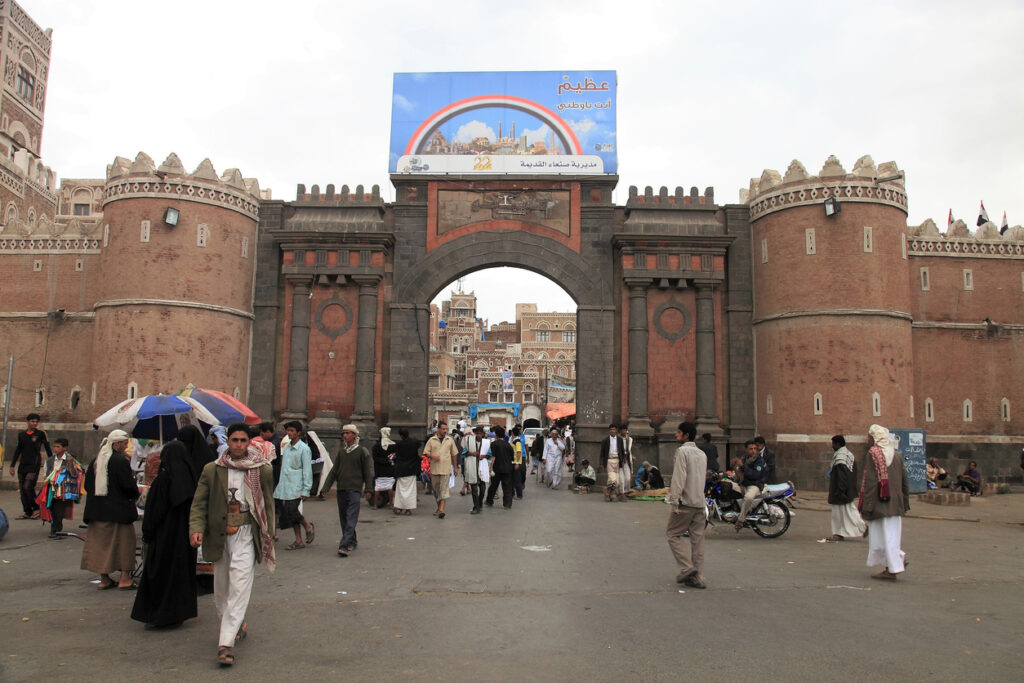
Yemen has been devastated by a protracted civil war and what the United Nations has called one of the world’s worst humanitarian crises. The country is under a Level 4: Do Not Travel advisory, and the security situation is catastrophic. There is no central government control over the entire territory, with different factions, including Houthi rebels, controlling various regions. Widespread famine, disease, and active conflict make any form of travel exceptionally dangerous.
The country’s airports and borders are not operating normally for commercial or tourist travel. The risk of kidnapping, terrorism, and being caught in armed conflict is extremely high throughout the country. As a result, Yemen and its unique culture, including the ancient city of Sana’a, remain completely inaccessible.
6. Political instability and violence keep Libya off-limits.
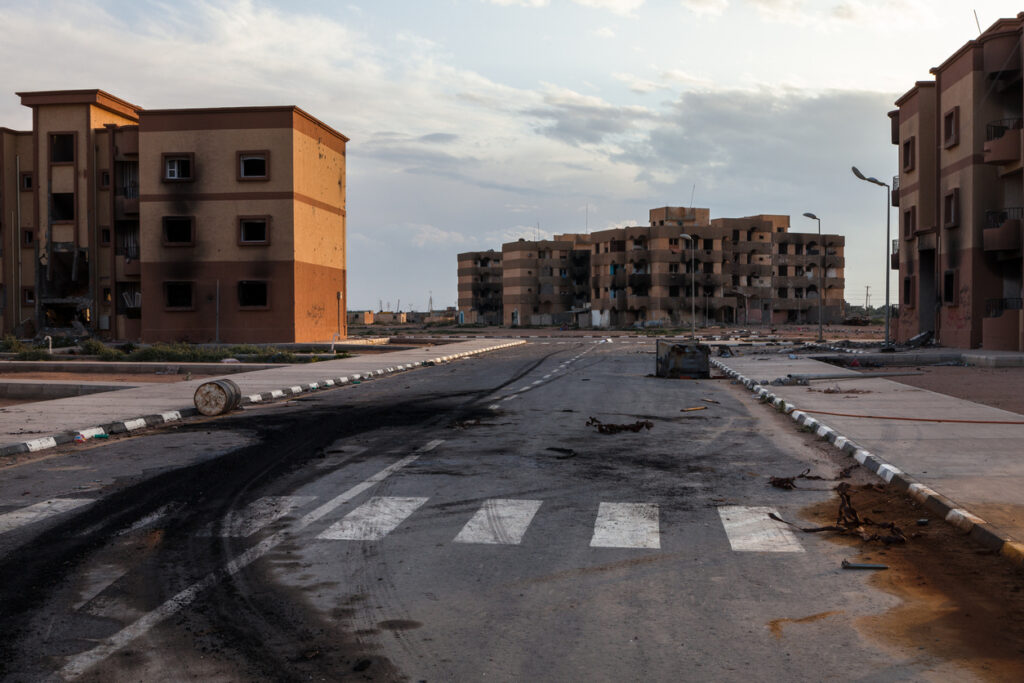
Since the ousting of Muammar Gaddafi, Libya has been plagued by extreme instability, with rival governments and various armed militias vying for control. The U.S. State Department’s “Do Not Travel” advisory is unambiguous, warning of a high risk of crime, terrorism, civil unrest, and kidnapping. The country’s security environment is volatile and unpredictable, particularly for U.S. citizens.
There is no U.S. embassy in Libya, and the government has extremely limited ability to provide assistance to its citizens there. The country’s infrastructure has been severely damaged by years of conflict, and there is no safe mechanism for tourism. The magnificent Roman ruins of Leptis Magna and Sabratha are, for now, lost to the world’s travelers due to the ongoing turmoil.
7. Belarus’s political alignment has shut the door to the West.

As a staunch ally of Russia, Belarus has become increasingly hostile toward the United States and other Western nations. The U.S. government urges citizens not to travel there, citing the arbitrary enforcement of laws, the risk of detention, and the country’s support for Russia’s war in Ukraine. The U.S. embassy in Minsk has suspended operations, leaving no consular support for Americans.
The Belarusian government has made it very difficult for U.S. citizens to obtain tourist visas, and the political atmosphere is tense. There is a real risk that American citizens could be falsely accused of espionage or other serious crimes. This political volatility has effectively closed the country to American tourists, who are now viewed with suspicion by the authoritarian regime.
8. A growing insurgency makes Burkina Faso too dangerous to visit.
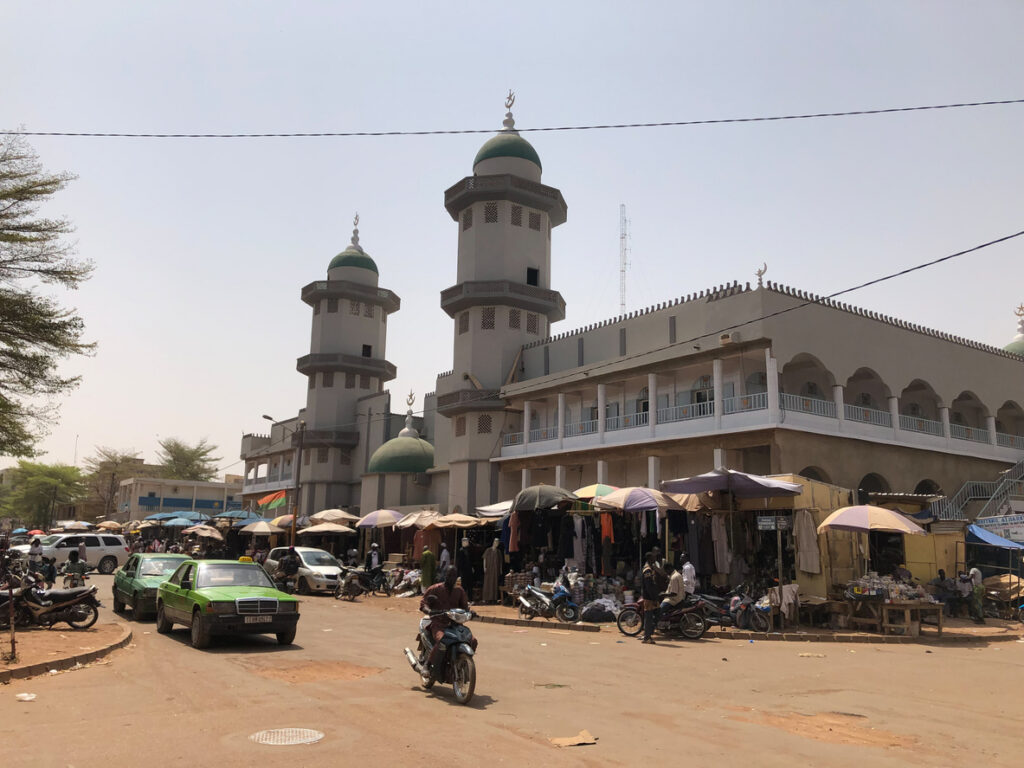
The West African nation of Burkina Faso is grappling with a severe and escalating insurgency led by groups linked to al-Qaeda and ISIS. This has destabilized the country, led to a military coup, and made it one of the most dangerous places in the region. The U.S. State Department has issued a Level 4: Do Not Travel advisory, warning that terrorist attacks and kidnappings occur frequently, often targeting Westerners.
The government has lost control of large swathes of the country, particularly in the northern and eastern regions. Travel outside the capital city of Ouagadougou is extremely hazardous, and even the city itself has been the target of attacks. With such a high level of risk and a volatile security situation, tourist travel is not feasible.