
The map of safe travel in Mexico is constantly changing.

For years, the standard advice for traveling in Mexico was to stick to the well-known tourist destinations, which were largely insulated from the country’s security problems. Recently, however, that sense of security has been fractured. A combination of shifting cartel dynamics and the rapid, often unchecked growth of tourism has led to a rise in crime and violence in several towns once considered safe havens.
As a result, in 2025, many savvy travelers and expats are sadly crossing these once-beloved destinations off their list, at least for now.
1. Tulum’s paradise image has been shattered by crime.

Tulum was once a sleepy, bohemian beach paradise, but its explosion in popularity has had a dark side. The rapid, unregulated growth of luxury hotels, beach clubs, and a massive party scene has attracted rival cartel groups looking to control the lucrative local drug trade, as mentioned by The Independent. This has led to a dramatic increase in violent crime, including shootouts in broad daylight, sometimes in popular restaurants and hotels.
While most tourists are not direct targets, the risk of being caught in the crossfire is very real. The U.S. State Department has issued specific warnings about the area, and many travelers are now choosing quieter, less-developed beach towns.
2. Acapulco is a shadow of its former glamorous self.
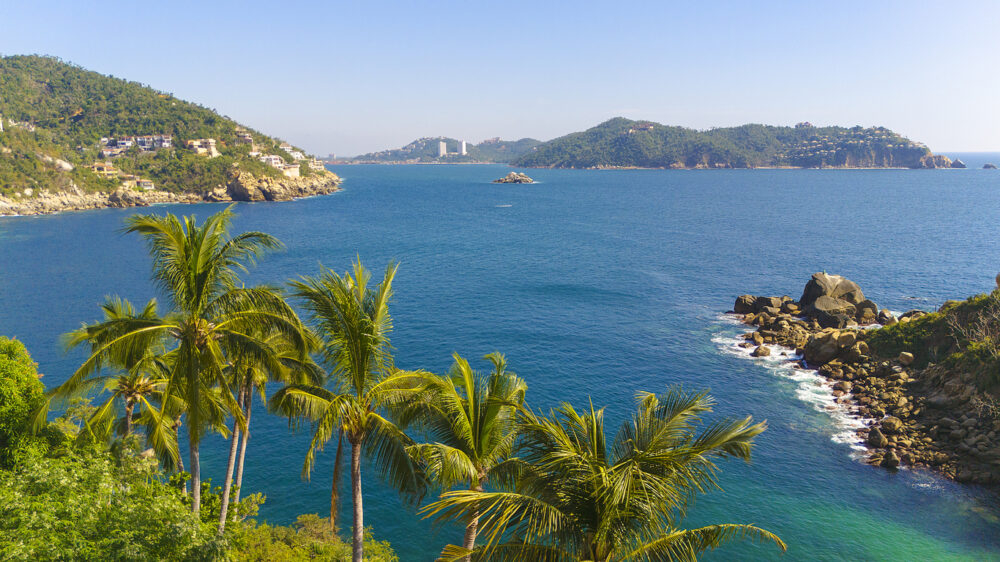
In its heyday, Acapulco was the playground of Hollywood stars and the international jet set. Those glamorous days are a distant memory. The city has been plagued by intense cartel violence for over a decade, consistently ranking as one of the most dangerous cities in Mexico. While the main tourist strip is heavily policed, the violence frequently spills over.
The U.S. State Department has long had a “Do Not Travel” advisory for the entire state of Guerrero, where Acapulco is located, according to Smarttraveller. Most international tourists have long since abandoned the city in favor of safer resort areas like Cancún and Los Cabos.
3. San Miguel de Allende is seeing a rise in cartel activity.

San Miguel de Allende, a beautiful colonial city and a UNESCO World Heritage site, has long been a haven for American expats and tourists, beloved for its safety and vibrant arts scene. In recent years, however, its home state of Guanajuato has become a battleground for cartel violence. While the city itself has been largely spared the worst of the fighting, high-profile crimes have become more common, as stated by RatePunk.
The perception of the city as a completely safe bubble has been broken. While it is still a relatively safe place to visit, the escalating violence in the surrounding state has made many long-time visitors and residents nervous, and some are choosing to stay away.
4. The state of Zacatecas is now a “no-go” zone.
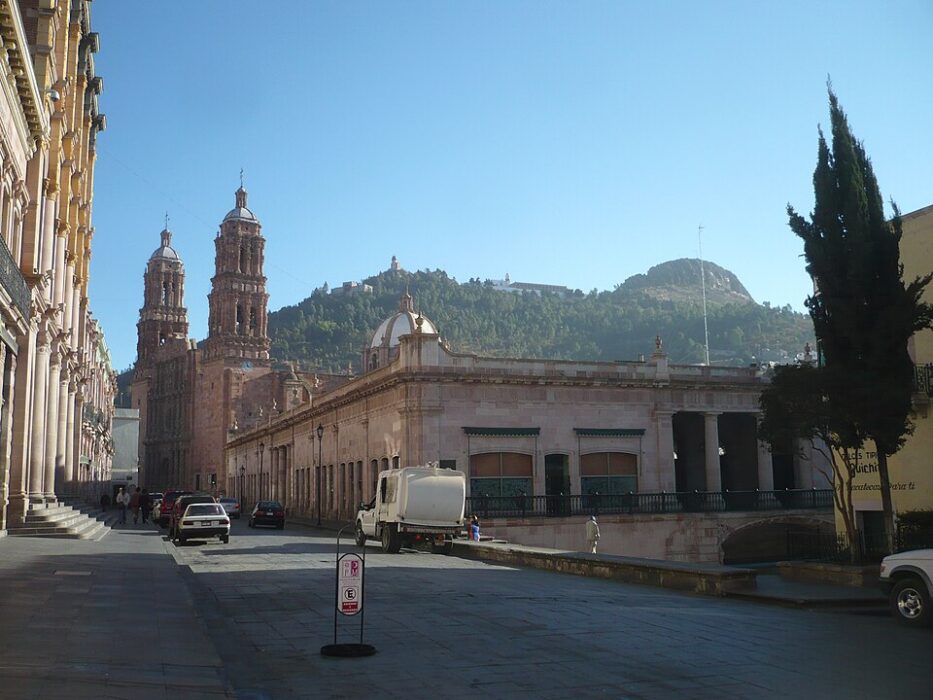
The stunning colonial city of Zacatecas, another UNESCO World Heritage site, is currently under a “Do Not Travel” advisory from the U.S. State Department due to rampant and violent crime. The state has become a key battleground between the Sinaloa and Jalisco New Generation cartels, and the level of violence is extreme.
The city’s beautiful pink stone architecture and rich silver-mining history are completely overshadowed by the dire security situation. Until the cartel conflict in the state is brought under control, this beautiful and historic city is effectively off-limits for all but the most essential travel.
5. Even the perception of safety in Oaxaca has been shaken.
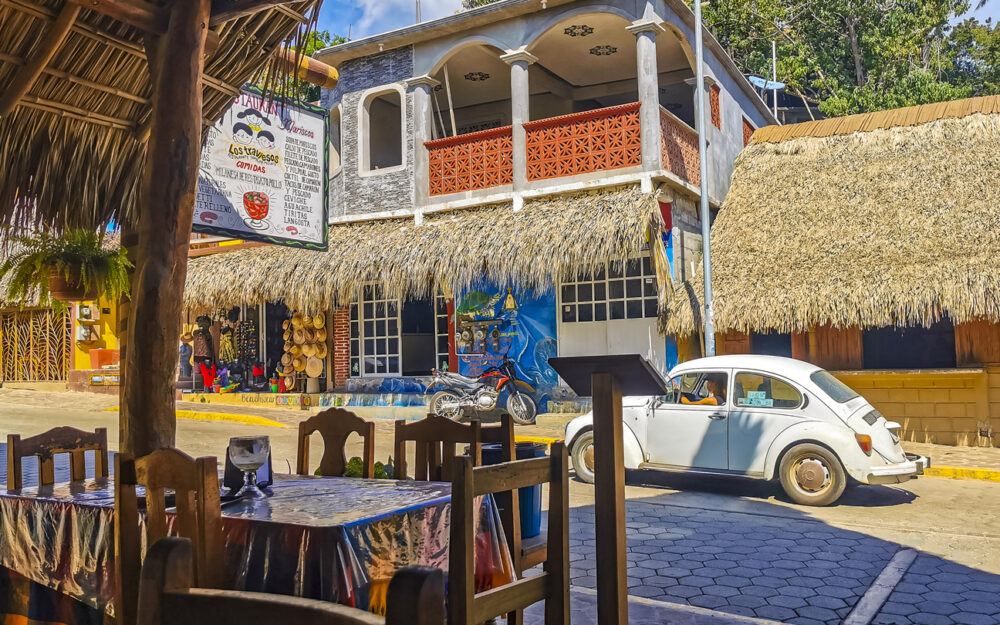
Oaxaca City is one of Mexico’s most beloved cultural destinations, famous for its incredible food, vibrant markets, and rich indigenous traditions. While the city itself remains relatively safe compared to other parts of Mexico, it is not immune to problems. The state has a long history of sometimes violent social and political protests that can shut down the city.
In addition, a recent increase in armed robberies has shaken the sense of security that many travelers once felt. While most visits are trouble-free, the growing number of incidents has led some to reconsider a trip, a sad development for a city with so much to offer.
6. Morelia and the state of Michoacán are too risky.
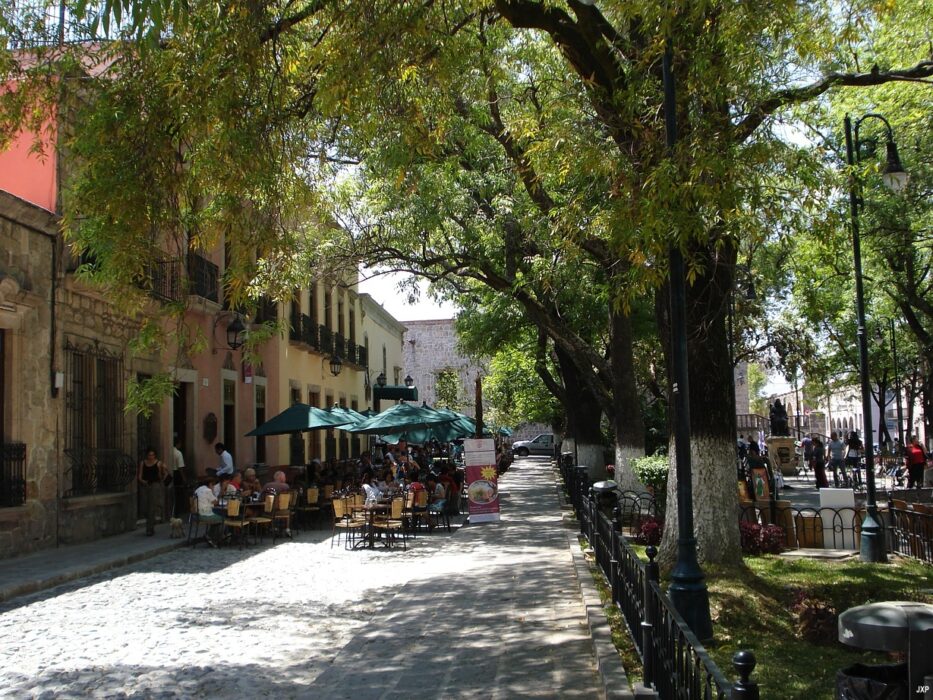
The beautiful colonial city of Morelia is the capital of Michoacán, a state that is under a “Do Not Travel” advisory from the U.S. State Department. The state is a major hotspot for cartel activity, including turf wars, illegal logging, and the avocado trade, which is often controlled by criminal organizations.
While Morelia itself is more heavily policed, the surrounding region, including the famous Monarch Butterfly Biosphere Reserve, can be very dangerous. The risk of carjacking and kidnapping is high on many of the state’s roads, making it too perilous for tourists to explore the region safely.
7. The state of Colima is facing extreme violence.
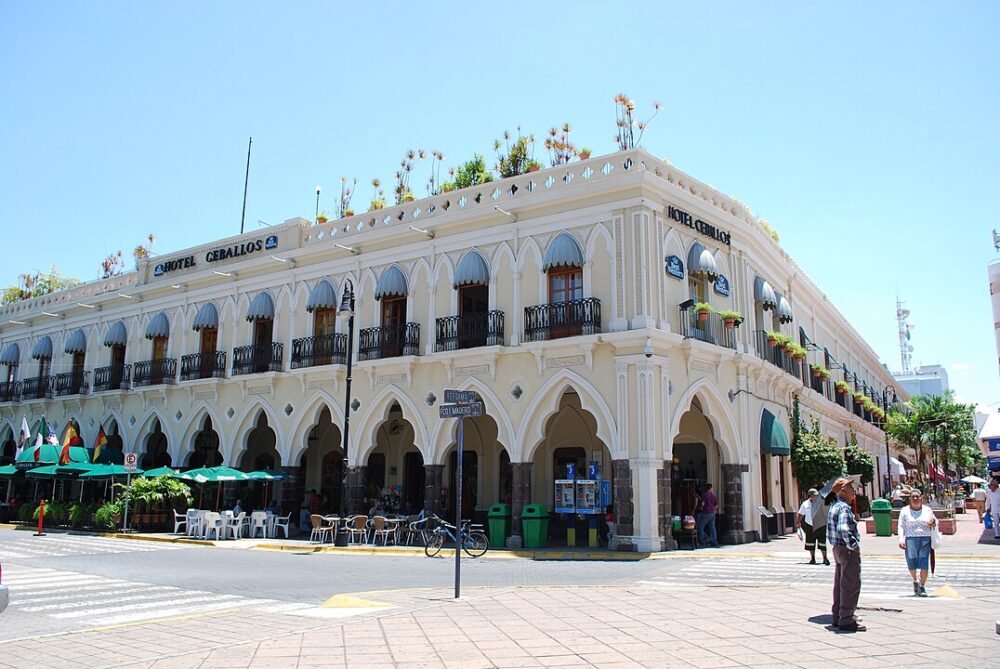
The small coastal state of Colima, including its popular port city of Manzanillo, is another region that is currently under a “Do Not Travel” advisory. The state has seen a massive surge in violent crime as it has become a key battleground for cartels fighting for control of the port, which is a major entry point for precursor chemicals used to make synthetic drugs.
The state now has one of the highest homicide rates in the world. While the violence is not typically aimed at tourists, the overall security situation is so volatile and dangerous that the State Department advises all U.S. citizens to avoid the area completely.
8. Tijuana’s reputation is a constant concern.
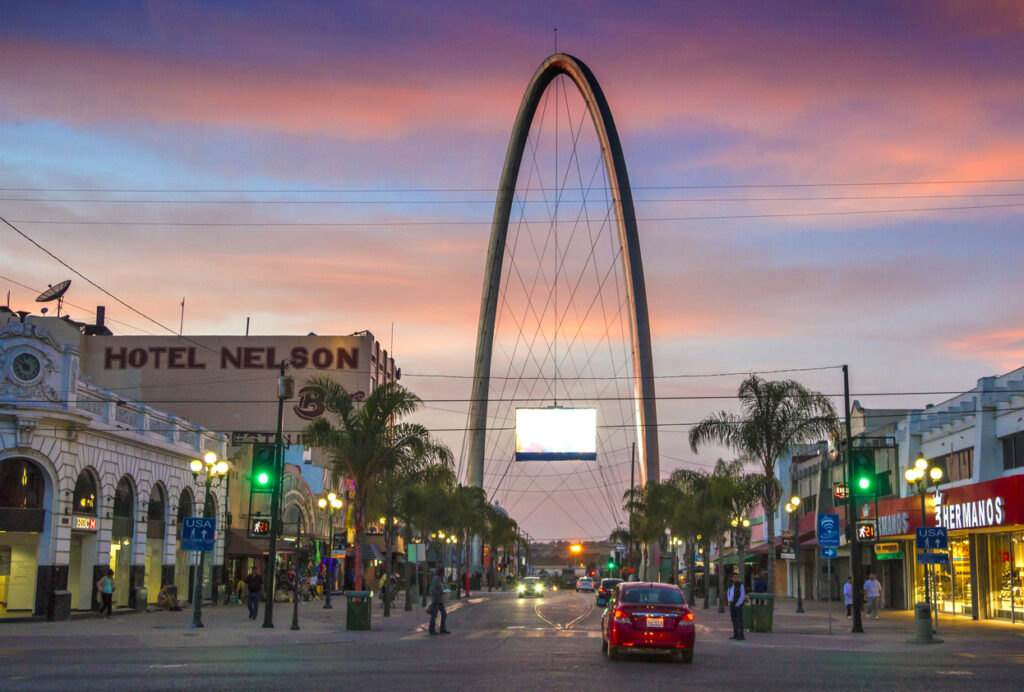
Tijuana has been working for years to shed its reputation as a dangerous border town and to rebrand itself as a vibrant culinary and cultural destination. The city has had a great deal of success, with a fantastic craft beer and foodie scene. However, it is still a major corridor for cartel activity, and bouts of extreme violence can erupt with little warning.
While the tourist areas are generally safe, the city’s proximity to this violence is a constant concern. Many travelers, especially from just across the border here in California, are still hesitant to visit, particularly when the news is filled with stories of a new flare-up in cartel violence.
9. San Cristóbal de las Casas can be affected by regional unrest.
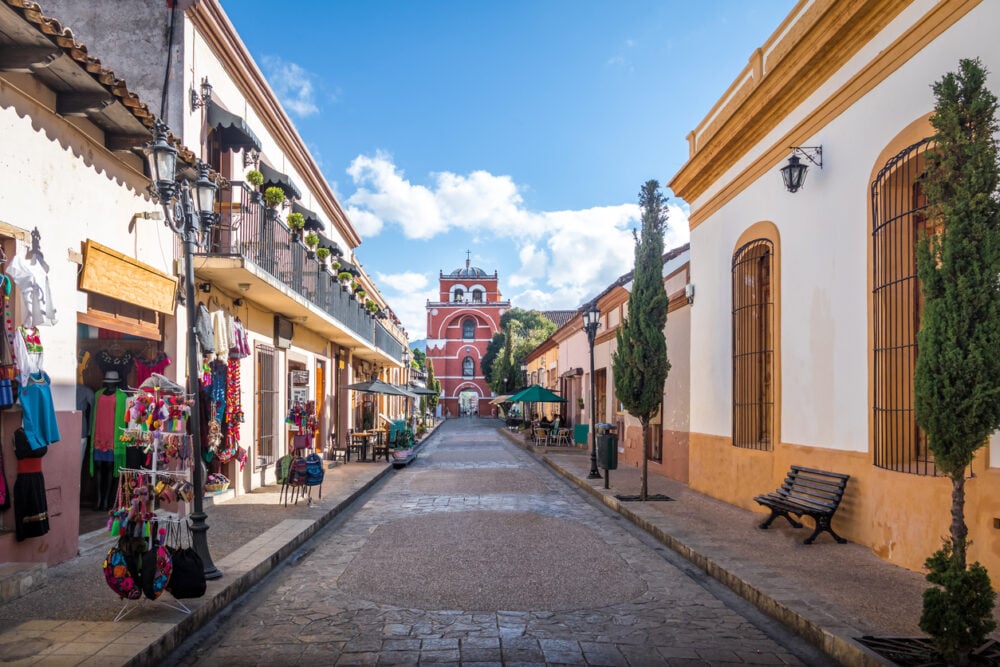
The beautiful, high-altitude city of San Cristóbal de las Casas in the state of Chiapas is a backpacker’s paradise, beloved for its colonial architecture and rich indigenous culture. The state of Chiapas, however, has a long history of social and political unrest, including the Zapatista movement. Roadblocks and protests can be common and can shut down travel with little warning.
In recent years, the state has also seen an increase in cartel-related violence as criminal groups fight for control of smuggling routes along the border with Guatemala. This has added a new layer of risk to a region that was already known for its volatility.
10. The once-sleepy surf town of Sayulita is changing.
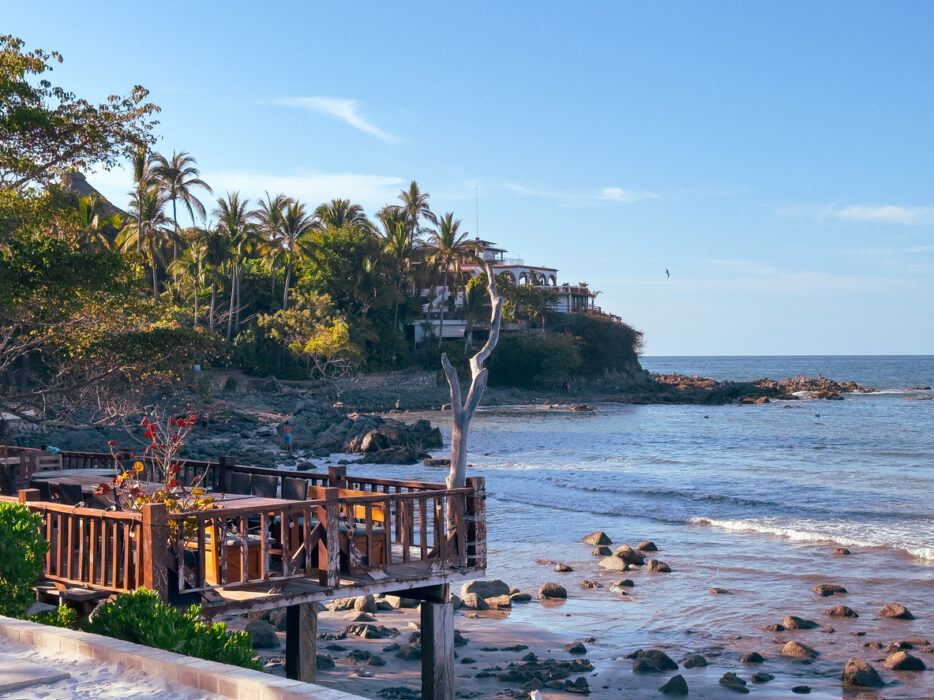
Sayulita, a small town on the Pacific coast, became famous as a bohemian surf and yoga paradise. Its popularity has led to rapid growth, and, as in Tulum, this has brought with it a host of problems. The town’s infrastructure is struggling to keep up, leading to water quality and sanitation issues that have made some tourists sick.
There has also been a noticeable increase in petty crime, as well as reports of more serious crimes, as the town has become a more lucrative target for criminal elements. Many long-time visitors now say that the once-innocent and safe vibe has been lost.
11. Guanajuato City has seen spillover violence.
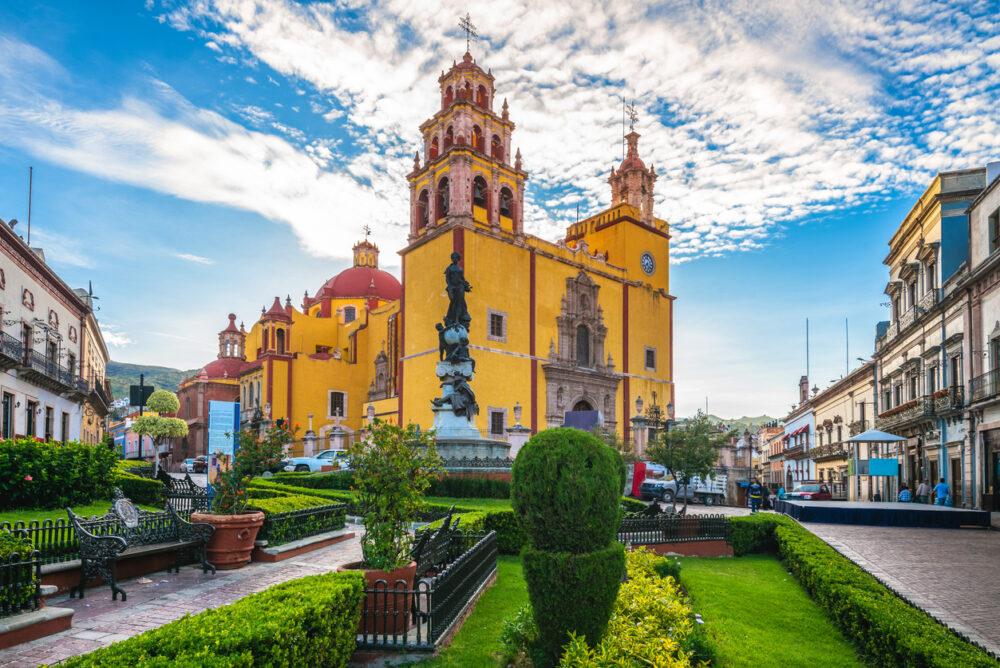
The vibrant and beautiful university city of Guanajuato, with its colorful hillside homes and underground tunnels, is a UNESCO World Heritage site. Like its sister city, San Miguel de Allende, it has long been considered very safe. However, the state of Guanajuato has become one of the most violent in Mexico due to a brutal turf war between cartels.
While the violence is not centered in the tourist heart of the city, there have been high-profile incidents, and the general sense of security has been eroded. The State Department warns travelers to exercise increased caution in the state, a warning that has led many to reconsider a visit.
12. Parts of the Baja Peninsula require caution.
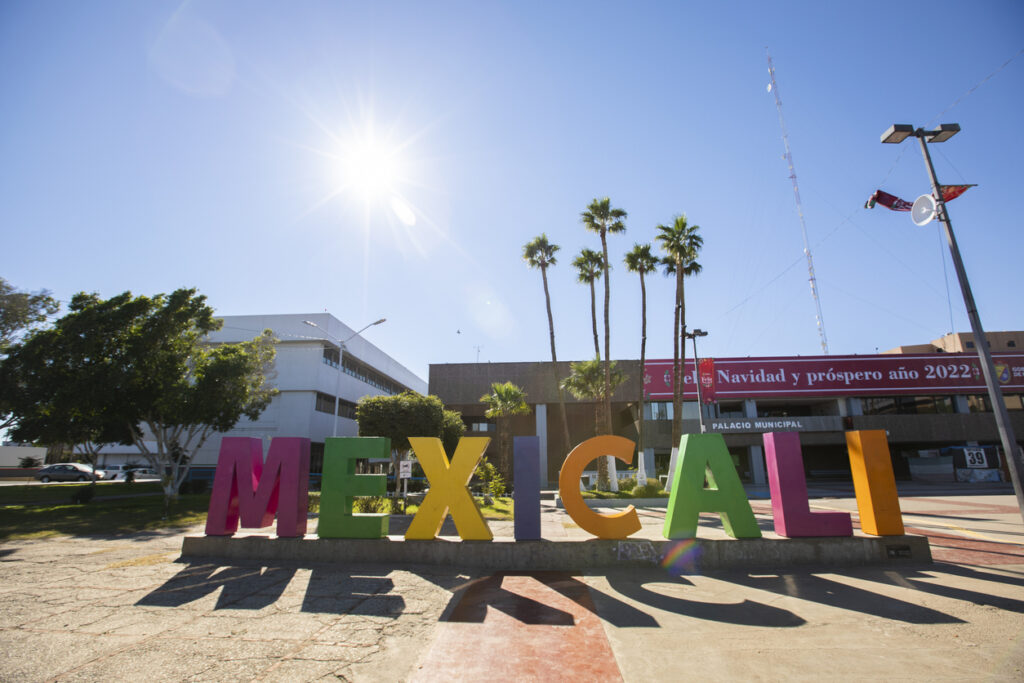
The southern tip of the Baja Peninsula, home to the tourist meccas of Cabo San Lucas and San José del Cabo, is heavily policed and generally very safe. However, areas of the peninsula outside of this tourist bubble have seen an increase in violence and crime. The U.S. State Department often has warnings in place for the state of Baja California, particularly for areas outside of the main tourist zones.
Travelers who are driving the length of the peninsula or exploring more remote towns are advised to exercise a high degree of caution. The perception of the entire peninsula as a completely safe paradise is no longer accurate.
13. Ixtapa and Zihuatanejo are in a complicated state.
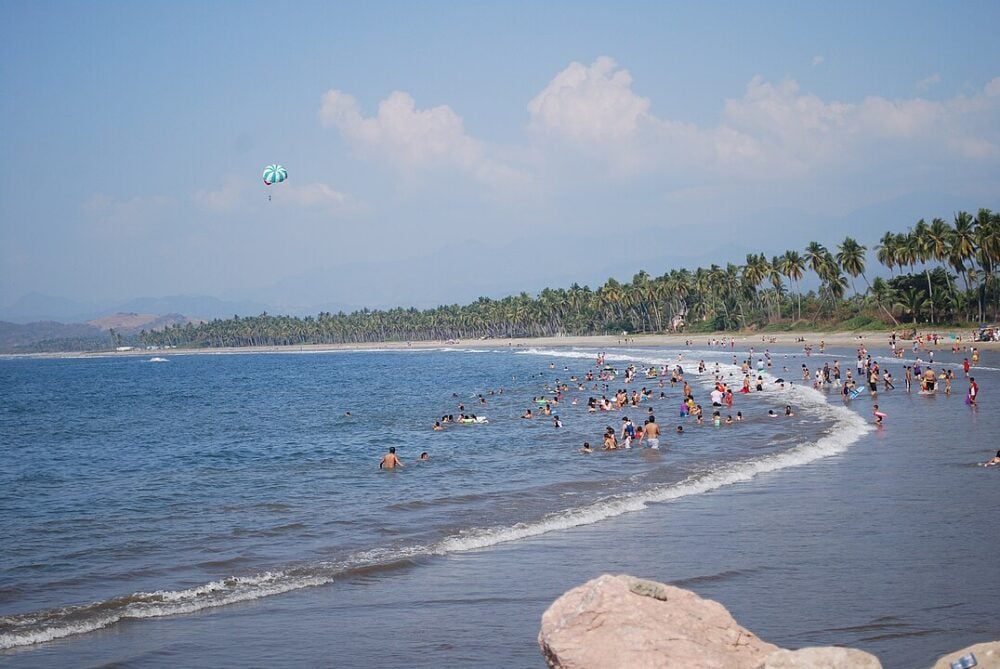
The dual beach destinations of Ixtapa and Zihuatanejo, located in the state of Guerrero, offer a beautiful coastline and a more traditional resort experience. However, they are located in the same state as Acapulco, which is under a “Do Not Travel” advisory. While the security situation in Ixtapa-Zihuatanejo is not as dire as in Acapulco, the region is still affected by cartel activity.
The State Department often advises travelers to fly into the resort area and to not travel by road from other parts of the state. This “bubble” approach can be safe, but the underlying risks in the region are a major deterrent for many tourists.