

Everyone loves a good deal. The idea of packing up and moving somewhere cheap, finally getting ahead of the bills, breathing a little easier every month – it’s the American dream 2.0. But here’s the thing: a lot of cities that get slapped with the “affordable” label are quietly pulling the rug out from under their newest residents.
Americans are genuinely struggling financially right now. Just a small fraction say they’re actually able to put money into savings, and a meaningful portion can’t even cover the basics. So when someone promises you a cheap city, you’d better read the fine print. Some of these so-called “budget” destinations are bleeding people dry in ways the headlines never mention. Let’s dive in.
1. Austin, Texas – The “No Income Tax” Mirage
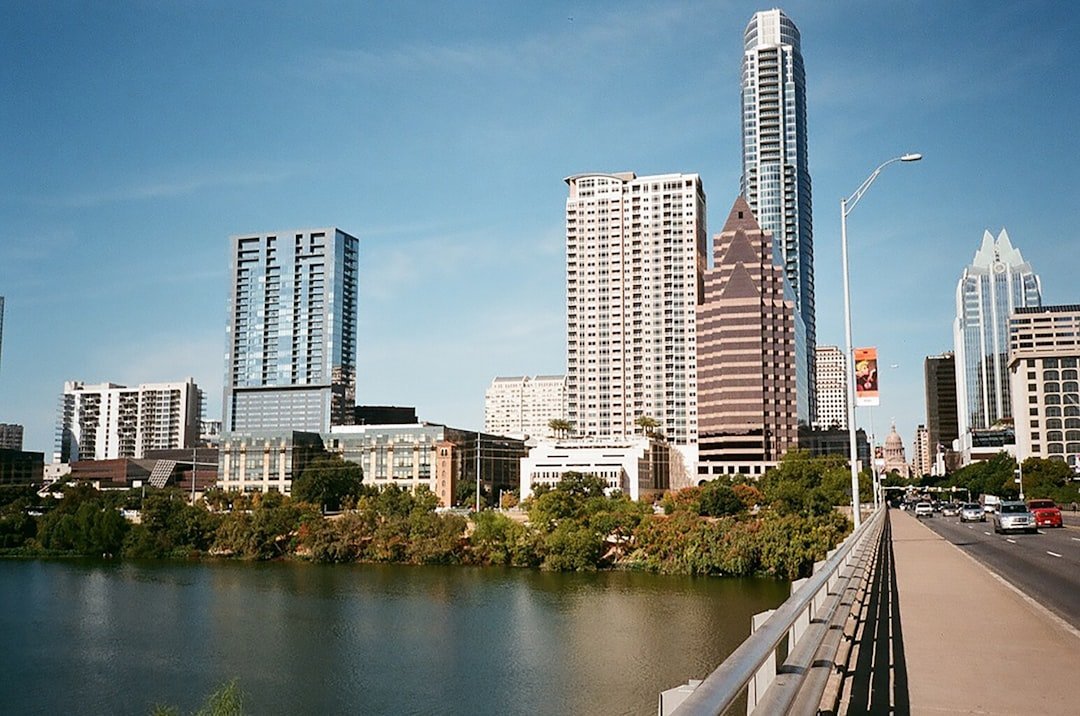
Austin gets sold as the dream: warm weather, booming tech jobs, no state income tax, and a cool music scene. People move there expecting relief from sky-high coastal costs. What they find instead is something quite different.
Austin’s cost of living index sits at 139.5, putting it nearly 40% above the U.S. average, and a comfortable life requires singles to earn at least $78,000 and families more than $145,000 per year. That’s not exactly budget territory. As of late 2024, the median home price in Austin was just over $573,000, far above the national median.
The combined property tax rate in Austin runs approximately $2.07 per $100 of taxable assessed value, and in 2025, the average Travis County property tax bill reached roughly $10,823 per year – nearly $902 added to your monthly housing cost. No income tax starts looking a lot less exciting once you do that math.
2. Miami, Florida – Sunshine With a Side of Financial Ruin
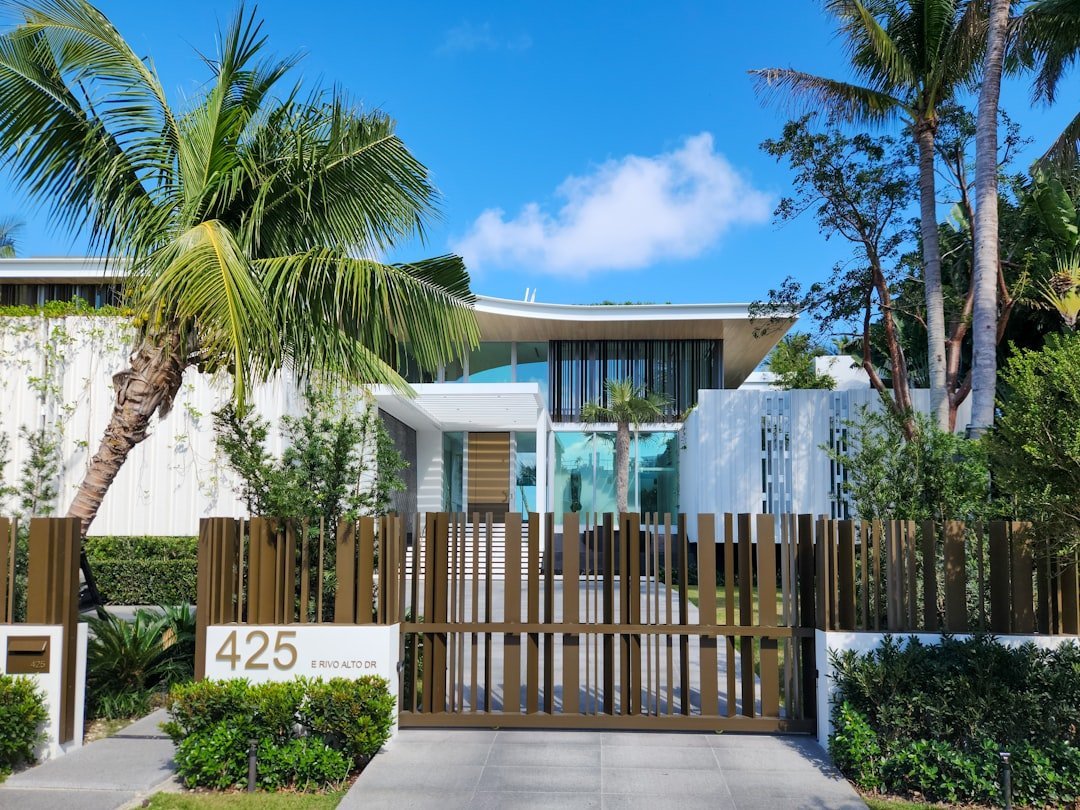
Miami has always had a flashy reputation, but over the past few years it’s aggressively marketed itself as a business-friendly, tax-light alternative to New York. Influencers, startup founders, and remote workers flooded in. The prices followed immediately.
Miami’s 2026 cost of living runs roughly $2,904 per month for a single person, with living costs now 17% higher than the U.S. national average. In Miami, a full 36% of household income goes directly to housing costs alone. That’s a punishing slice of your paycheck before you’ve paid for groceries or a car.
The median home price rose from $400,000 in 2021 to $650,000 in 2025, and home insurance premiums averaging around $10,000 per year due to hurricane risks need to be factored into any budget plan. Honestly, this is one of the steepest hidden costs in the entire country.
3. Dallas, Texas – Bigger Isn’t Always Cheaper
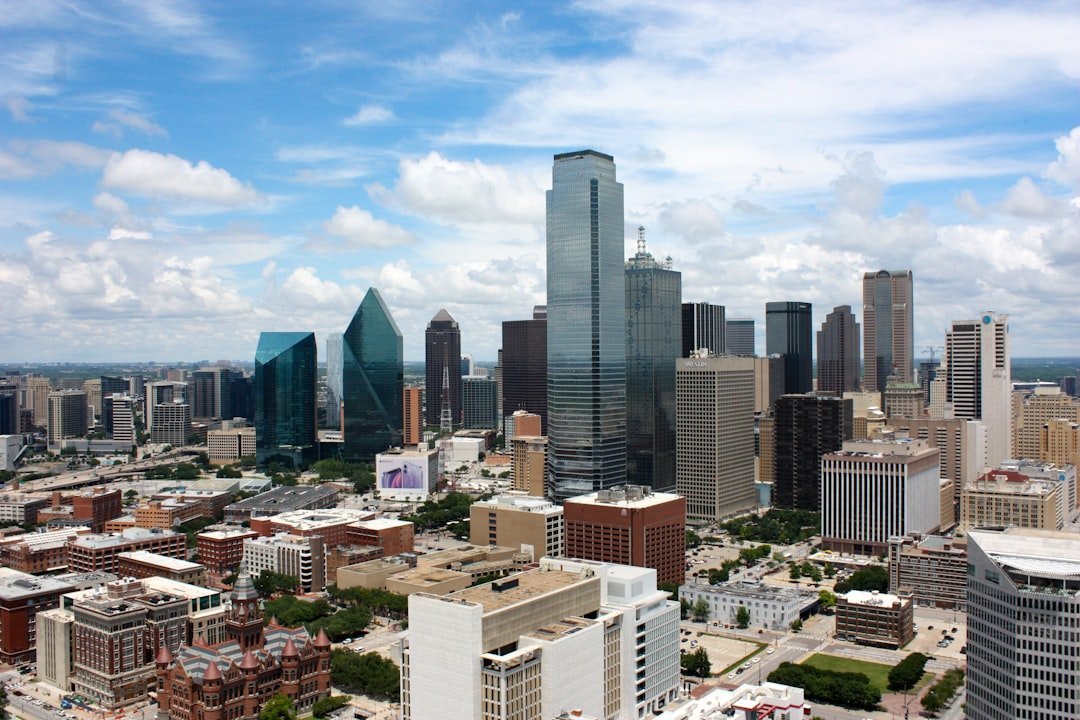
Dallas is routinely listed as a top destination for people fleeing pricier metros. The sprawling Texas skyline, job opportunities, and suburban space make it look like a bargain on paper. Look a little closer though and the story gets complicated.
Dallas actually takes the top slot in Texas for cost of living. According to a 2025 cost-of-living index, Dallas ranks as the city with the highest cost of living in the entire state. The cost of living in Dallas is 3% higher than the national average and 12% higher than the Texas average overall.
Data from Numbeo shows that a single person in Dallas spends an estimated $1,192 a month without rent, while a family of four faces estimated monthly costs totaling $4,202 before rent is even added. Add in the car you absolutely need – Dallas is not a walking city – and the numbers climb fast.
4. Raleigh, North Carolina – Rising Fast and Feeling It
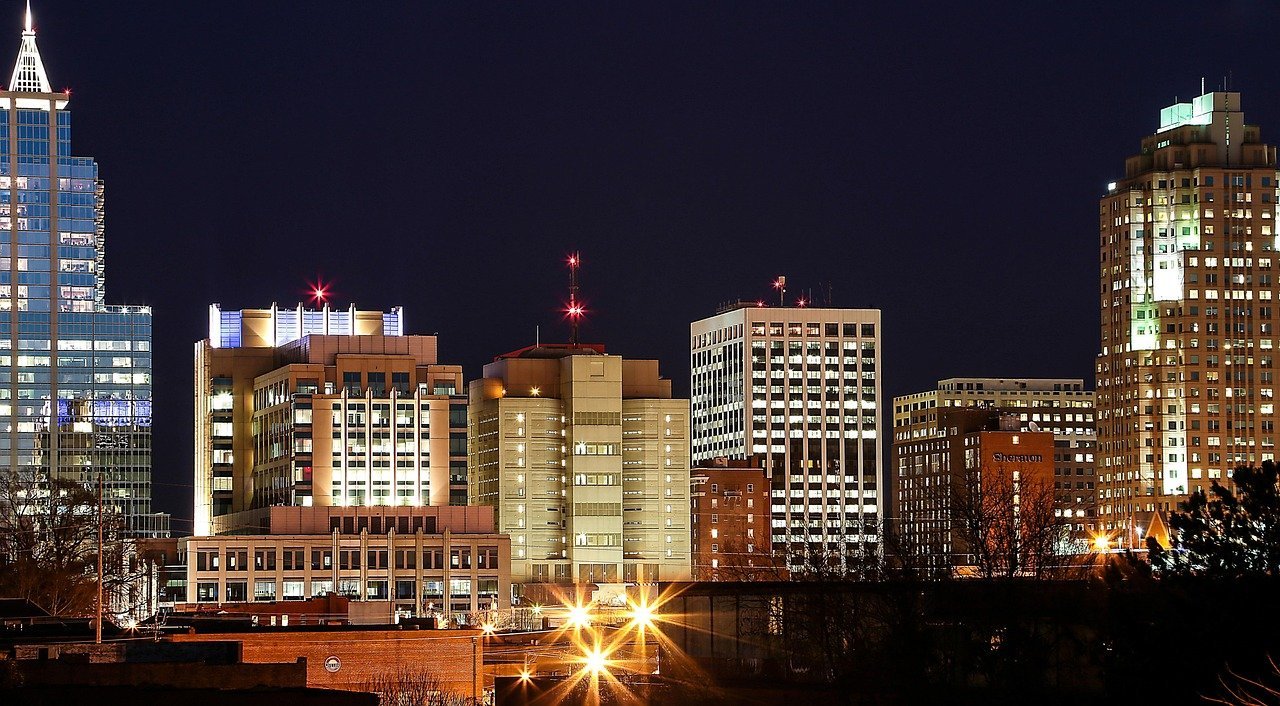
Raleigh has been one of the most hyped relocation destinations of the last five years. The Research Triangle, universities, warm-ish winters, and what used to be genuinely low prices made it irresistible. The operative phrase there being “used to be.”
Raleigh, NC residents are seeing the biggest climb in housing costs relative to income among major U.S. cities, with housing now accounting for nearly 24% of median household income in 2024, up from around 22% just a year prior. That jump happened fast. Raleigh’s 2026 cost of living runs $2,696 per month for singles, sits 9% above the national average, and reflects a 2% increase from 2025.
Many locals confirm the cost of living in Raleigh has risen far too much in recent years, with the steady influx of new residents and housing supply-and-demand dynamics serving as major contributing factors. It’s a classic boom-town trap – everyone moves there to save money, and the act of moving there makes it more expensive for everyone.
5. Nashville, Tennessee – Honky-Tonk Prices on a Bachelorette Budget
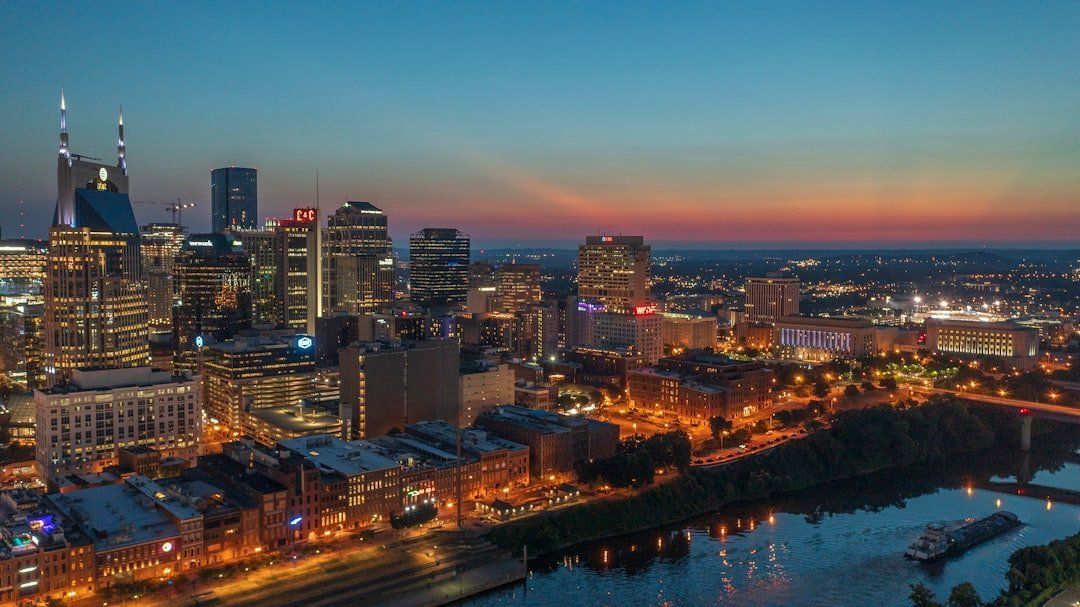
Nashville has transformed dramatically. What was once a genuinely affordable Southern city has become a top-tier destination for music lovers, remote workers, and real estate investors. And with that transformation came a staggering price surge that caught long-time residents completely off guard.
Generally speaking, the cheapest places are in the South and Midwest, while the West Coast and Northeast are the most expensive – but Nashville is rapidly bucking that Southern affordability trend. Home prices in cities that were once affordable have gone up slowly at 3 to 6% per year, but boomtowns often see increases of 10 to 15% per year. Nashville falls firmly in that boomtown category.
The tourism economy doesn’t help everyday residents either. Restaurants, bars, and entertainment venues cater to the bachelorette party crowd, which means prices at many local spots are set for visitors with expense accounts, not locals on tight budgets. It’s hard to say for sure when the tipping point happened, but Nashville crossed it a while ago.
6. Boise, Idaho – The Pandemic Darling That Priced Itself Out

Few cities experienced a more dramatic affordability collapse during the pandemic era than Boise. It was poster-child perfect – outdoor recreation, low crime, clean air, and what were once genuinely modest home prices. Then the remote workers arrived en masse, and the city hasn’t been the same since.
Boise’s 2026 cost of living is now $2,654 per month for a single person, with living costs 7% higher than the U.S. national average and rising 3% from 2025 alone. The primary drivers of Boise’s cost of living are soaring housing costs, elevated transportation expenses, and rising food prices.
In 2025, Idaho saw one of the highest net migration gains in the country, with a gain of +63.2 per 10,000 residents – a direct consequence of people fleeing coastal prices. Ironically, all those people fleeing expensive cities have made Boise considerably more expensive. The savings aren’t what the brochure promised.
7. Charlotte, North Carolina – The Banking City With Unbanked Costs
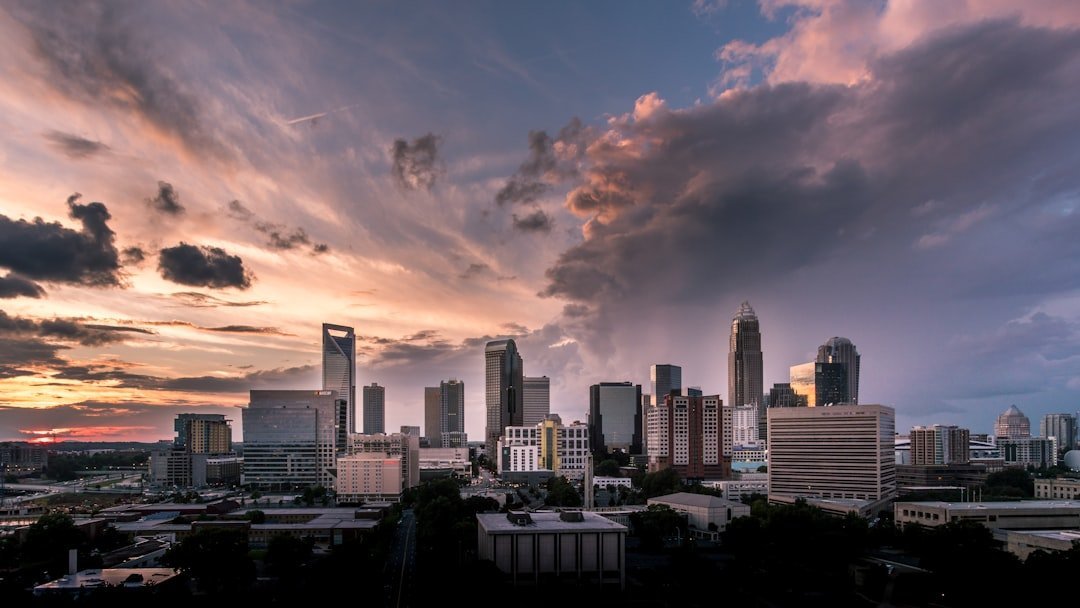
Charlotte gets regular mentions as an affordable alternative to the Northeast, and for years it genuinely was. A strong banking and finance sector, reasonable weather, and a relatively central location on the East Coast made it a go-to recommendation from personal finance writers everywhere.
Nearly 15 million Americans moved in 2025, with many relocating across state lines in search of lower costs and job opportunities. Charlotte absorbed a significant chunk of that migration, and the resulting demand pushed housing costs sharply upward. According to Statista, the median home price in the U.S. was $419,200 at the end of 2024 and is expected to rise toward $426,000 by the second quarter of 2026, making affordable options increasingly harder to find.
Charlotte now sits in a strange no-man’s land: too expensive to be considered truly affordable, yet not quite prestigious enough to justify the prices to people coming from genuine top-tier metros. Add in rising property taxes and a car-dependent layout and it adds up faster than most newcomers expect.
8. Denver, Colorado – Where the Mile-High Lifestyle Costs a Mile-High Salary
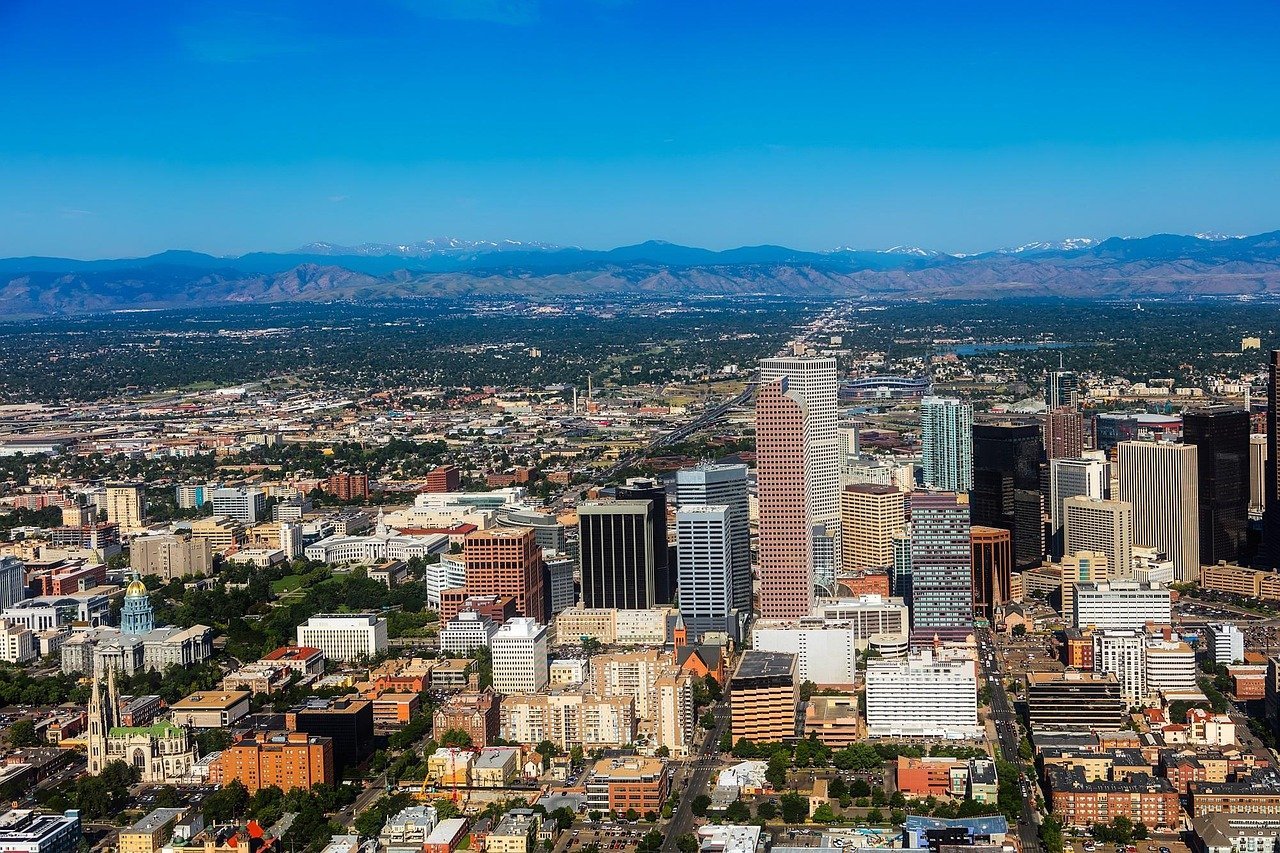
Denver seems like a slam dunk for the outdoorsy, adventurous type. Mountains nearby, craft beer scene, a growing tech sector, and what looked like reasonable prices compared to California. Let’s be real though – Denver stopped being cheap a long time ago, and people are only now catching on.
New York and California continue to rank among the most expensive places to live, but Denver has been quietly creeping toward that tier. Using the 50/30/20 budget rule, singles in big cities need roughly $85,000 and families of four need close to $200,000 to live comfortably. Denver is well within that pressure zone.
The outdoor recreation lifestyle also costs money that doesn’t show up on basic cost-of-living indexes. Ski passes, gear, REI memberships, weekend road trips to mountain towns – these are the “soft costs” of Denver life that nobody puts in a spreadsheet but that drain savings at a steady, relentless pace.
9. Phoenix, Arizona – Scorching Temperatures and Even Hotter Bills
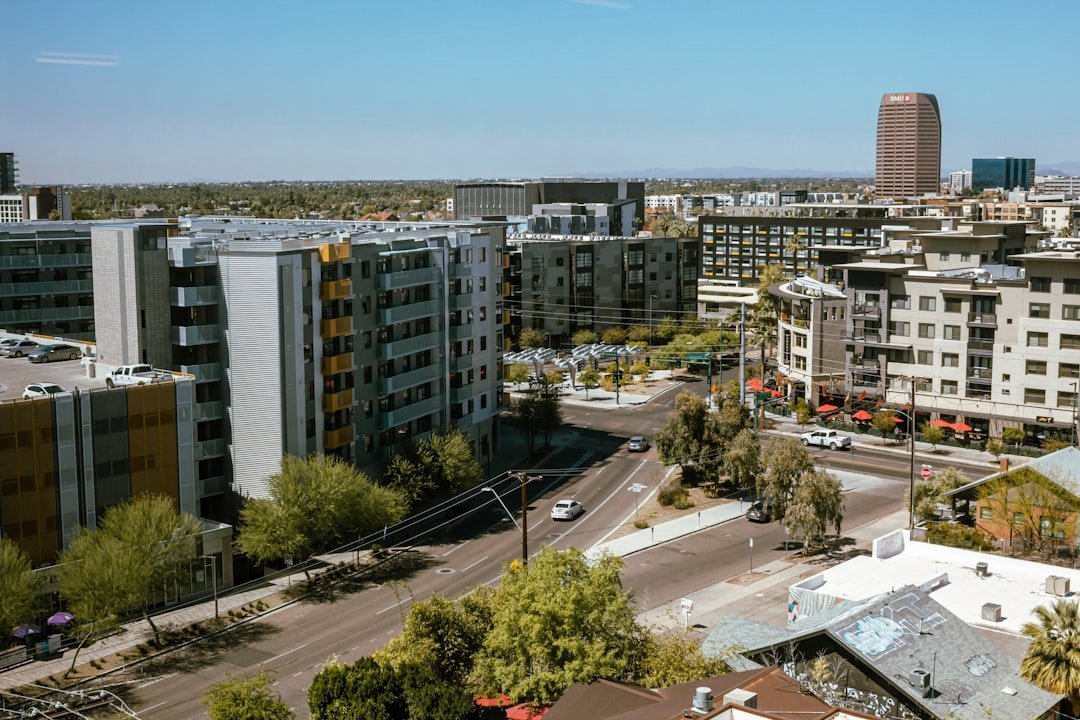
Phoenix has been absorbing a tidal wave of transplants for years, most of them chasing lower home prices and no state income tax incentives. It still looks affordable in raw number comparisons. The devil, as always, is in the details – and in this case, the electricity bill.
Hawaii had the highest cost of living as of the third quarter of 2024 according to the Council for Community and Economic Research, but Arizona’s hidden costs are sneakier. Running air conditioning in Phoenix from May through October is not optional – it’s a survival requirement. Summer electricity bills can be bruising, regularly topping $300 or more per month for average households during peak heat.
High-cost states like California and New York continue to see net population outflows, and a huge portion of those outflows land directly in Phoenix. That sustained demand surge has driven housing costs up faster than local wage growth can keep pace with, leaving many residents in a genuinely tight spot.
10. New York City – The Most Expensive City in the World
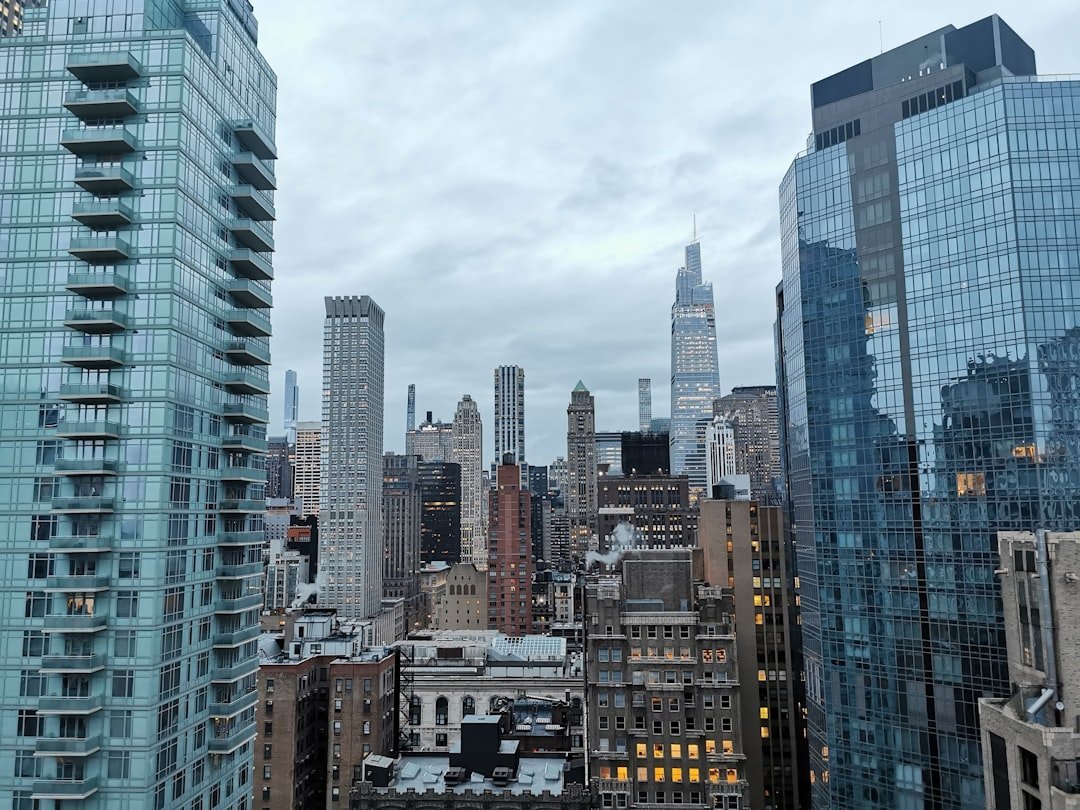
Some people still move to New York City thinking they’ve found a path to make it work on a regular salary. They’ve read about neighborhoods that used to be affordable, seen apartment listings that seem reasonable by Manhattan standards, and convinced themselves the lifestyle will be worth it. The numbers tell a harder story.
New York City is the most expensive city in the world to live in, as high housing demand and limited supply drive up prices, according to data measured in a Cost of Living Plus Rent Index as of mid-year 2025. New York City is the most expensive city in the U.S. to live in mainly due to sky-high housing costs and expensive taxes, with housing costs in New York City running 222.5% higher than in the average U.S. city.
A $120,000 salary in San Francisco has the same buying power as $185,000 or more in Des Moines or Pittsburgh – and the gap is even more extreme when you compare a New York salary to somewhere genuinely affordable. Yet every year, hundreds of thousands of people move there anyway, optimistic about their ability to out-earn the costs. Most find it harder than they anticipated.
Conclusion: “Affordable” Is a Word That Needs a Second Look

The cities on this list aren’t bad places to live – several of them are genuinely exciting, full of opportunity, and worth considering for the right person with the right income. The problem is the marketing. Words like “budget-friendly” and “affordable alternative” get thrown around long after the window of actual affordability has quietly closed.
Wages may be lower in areas with low costs of living, so you still need to be mindful of how you’ll pay the bills – and in cities that have shed their “cheap” status while keeping their “affordable” reputation, that warning matters even more. According to U.S. News Best Places rankings, quality of life is now the most important factor for Americans thinking about moving, with affordability ranking as the second most important consideration.
Before you pack a single box, run the actual numbers. Look beyond the headline cost-of-living index and dig into property taxes, insurance, transportation needs, and utility costs specific to that city. A great-sounding “budget” city can quietly drain your savings just as fast as the expensive one you were trying to escape. What would you have guessed – and did any of these cities surprise you?