

Every year, millions of Americans fly to Japan, China, South Korea, and neighboring countries, wide-eyed with excitement, fully intending to be respectful visitors. Most of them are. The problem is that good intentions don’t automatically translate into good behavior across cultural borders.
Some of the habits that make Americans charming, generous, or downright “normal” back home can land with the subtlety of a foghorn in East Asian societies. The cultural gaps here run deep, rooted in centuries of tradition, Confucian philosophy, and social codes that simply don’t show up in any travel brochure. So before you board that flight, here’s what you genuinely need to know. Let’s dive in.
1. Leaving a Tip at a Restaurant

Here’s the thing – the generous instinct to tip after a good meal is so deeply embedded in American culture that not doing it feels almost criminal. Roughly seven out of ten countries in the world have little to no tipping culture at all. The American model is the exception, not the rule. That’s a striking fact that most travelers simply don’t know.
East Asian countries represent the clearest “no tipping” zone globally. In Japan, South Korea, and China, tipping can cause genuine confusion or discomfort, as it implies the establishment isn’t paying fair wages – a subtle insult. To the Japanese, attempting to give a tip suggests their employer does not value them enough to offer sufficient pay. Think about that for a second. What feels like a reward is actually perceived as an accusation.
In Japan, staff may even chase you down the street to return money left on the table. A survey revealed that almost two thirds of UK holidaymakers did not know it was rude to tip in Japan, while almost eight out of ten were unaware that Chinese could also take offense to the practice. Americans, conditioned to tip at least a fifth of any bill, often make this mistake without thinking twice.
2. Speaking at Full Volume in Public

Americans are consistently ranked among the loudest tourists in the world, with conversation volumes noticeably higher than locals in European cafés and Asian trains. What feels like normal conversation volume in New York or Texas comes across as shouting in Kyoto, where public spaces are treated like shared living rooms that deserve quiet respect.
Speaking at a strong volume is common in American restaurants, buses, and trains. In other countries, especially Japan, such behavior feels deeply disruptive. Commuters value quiet, and loud voices stand out immediately. Imagine a library, but the entire city operates on that principle. That’s closer to daily life in Tokyo or Seoul than most visitors realize.
The cultural disconnect is so pronounced that it has become a defining characteristic of American tourists abroad, often resulting in locals avoiding them or businesses quietly asking them to lower their voice. Honestly, no one enjoys being that person. Lowering your voice by even a small degree makes an enormous difference.
3. Wearing Shoes Inside a Home (or Temple)
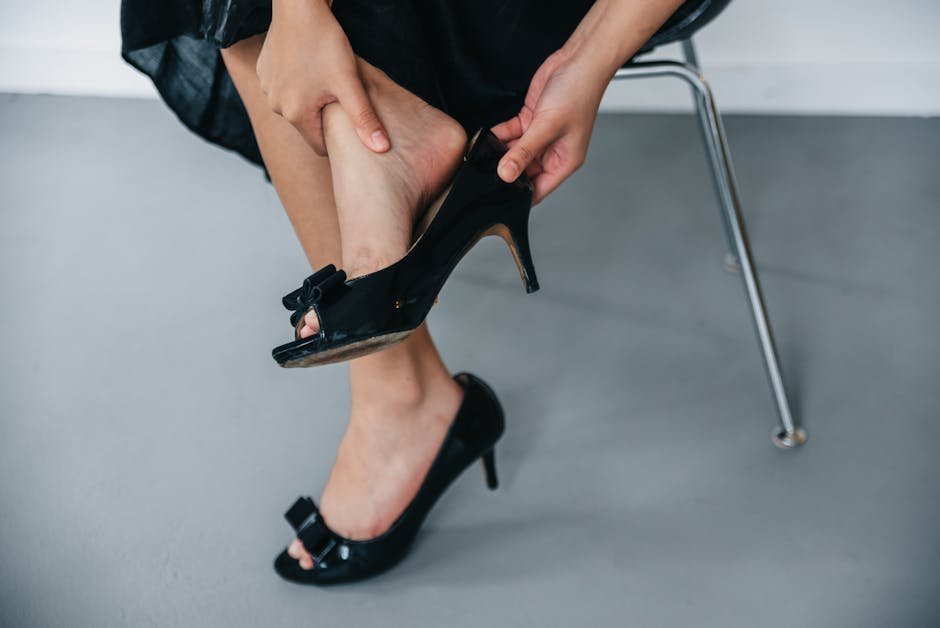
Americans often walk into homes with shoes still on, yet in many parts of the world, this is viewed as careless. In Japan, shoes are linked with dirt, so stepping on clean floors or tatami mats is simply unacceptable. Most homes have an entryway where visitors remove their footwear before going inside.
Slippers are usually offered, and using them shows respect. The same custom exists in many Asian cultures, where clean living spaces hold great importance. Ignoring this rule makes guests appear thoughtless, even if hosts remain politely silent. Hosts in Japan and Korea will rarely say anything directly, but the discomfort is real and remembered.
The easiest fix is also the most obvious. In much of the world, shoes off at the door is basic respect. Tracking street grit into someone’s home is a no-go. Americans often don’t think twice; hosts elsewhere certainly do. Watch for the shoe rack by the door – that’s your universal signal.
4. Sticking Chopsticks Upright in Your Rice Bowl
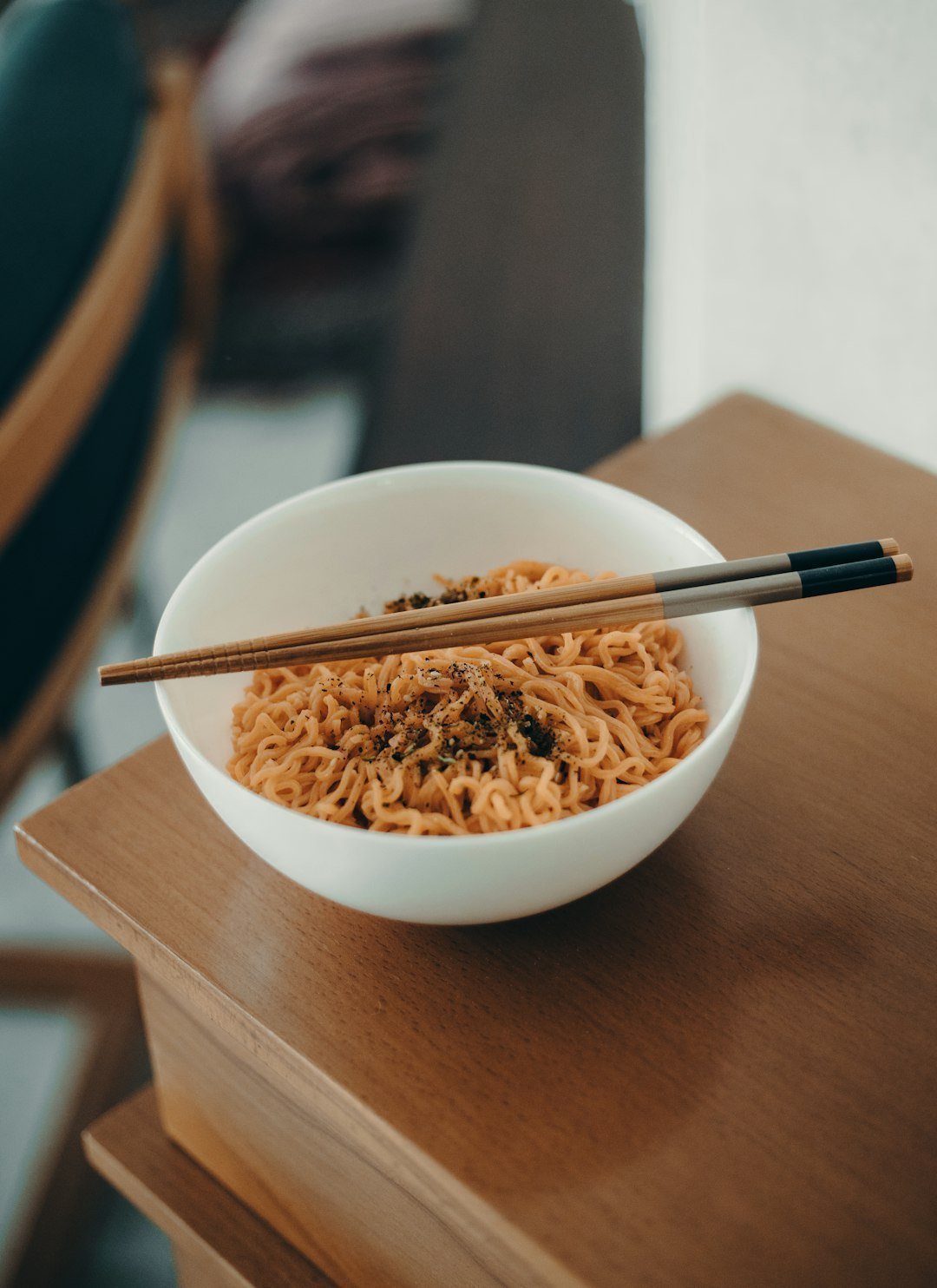
This one seems so small, so innocent. You set your chopsticks down, stick them into your rice bowl to free your hands for a moment, and suddenly the entire table goes quiet. In some countries, sticking your chopsticks upright in a bowl of rice is considered deeply unlucky because of its association with the funeral ceremony.
According to Japanese food culture sources, the prevailing belief is that upright chopsticks resemble funeral incense and therefore symbolize death. More traditionally, the connection comes from funeral services, where rice is offered to the dead with their chopsticks stuck upright in the bowl. In East Asian cultures, placing chopsticks upright in a bowl of rice is a gesture reserved for funerals, symbolizing incense offerings to the deceased. This is a cultural taboo shared across Chinese, Japanese, and Korean culture.
Never pass food from chopsticks to chopsticks either, as this resembles the ceremonial way cremated remains are transferred to an urn during Japanese funeral rituals. Both mistakes involve death symbolism so serious that even many locals shudder at the sight. These are not minor slip-ups – they’re genuinely upsetting to witness.
5. Blowing Your Nose at the Table

For Americans, blowing your nose at a restaurant table is perfectly unremarkable. You grab a napkin, take care of business discreetly, and move on. In East Asia, this reads as something entirely different. In China, Japan, and Korea, clearing your nasal passages at the table is considered offensive, and you are better off excusing yourself to the restroom.
In Japan, sniffling is actually preferred over blowing your nose in public. If you have to blow your nose, the expectation is to find a private spot, like inside a bathroom. And naturally, you hold onto your tissues until you find a bin. It sounds extreme compared to Western habits, but consider the logic: meals in East Asia are social ceremonies, and nothing breaks the mood faster than bodily sounds.
Blowing one’s nose at the table, even if the meal is spicy, is considered offensive in South Korea as well. If such an action is necessary, it is recommended to leave the table or otherwise be very discreet. Spicy food will genuinely test this rule, but locals navigate it every day. You can too.
6. Aggressive Friendliness with Strangers

Americans are famously warm. A big smile, a cheerful “How are you doing?” to the cashier, striking up a conversation with a stranger on the subway – all of this reads as natural, even virtuous, back home. In East Asia, however, it registers quite differently. What Americans call “Southern hospitality” reads as boundary-violating or performative in East Asia, and many find American-style friendliness exhausting or insincere. In these cultures, warmth is earned through time and trust, not dispensed freely to every passerby.
In East Asia and some big-city centers elsewhere, overt friendliness can read as intrusive or fake. People aren’t cold – they’re giving you privacy by default. Constant warmth from strangers can actually feel like a demand to perform friendliness back. Think of it less as coldness and more as a different form of respect. They’re leaving you alone because they assume you’d prefer that.
The adjustment here is surprisingly simple and pays off immediately. Starting neutral and calibrating, mirroring local greetings – nods, soft “good mornings,” or eye contact without a wide grin – goes much further than forcing enthusiasm. Let warmth develop organically rather than exporting the American model wholesale.
7. Asking Personal Questions Too Soon

Small talk in America almost always gravitates toward work and personal life. “What do you do?” “Are you married?” “Do you have kids?” These questions feel friendly and curious in an American context. Abroad, they land very differently. Questions like “What do you do?” or “Are you married?” within minutes of meeting someone read as invasive interrogation across much of Asia. Asian cultures consider personal details too intimate for early conversations.
Americans can be surprisingly open about money and personal life compared to other cultures where such discussions are deeply private. Asking someone what they paid for something, how much they earn, or making comments about prices can be incredibly rude. In many East Asian social frameworks, trust must be built first. Personal information flows from that trust, not before it.
Cultural observers note that American question patterns mirror job interviews rather than social connection, which explains why people in other cultures often feel they are being sized up rather than befriended. Start with food, travel experiences, or observations about your surroundings. The personal stuff comes in time.
8. Giving Gifts in Groups of Four (or Giving a Clock)
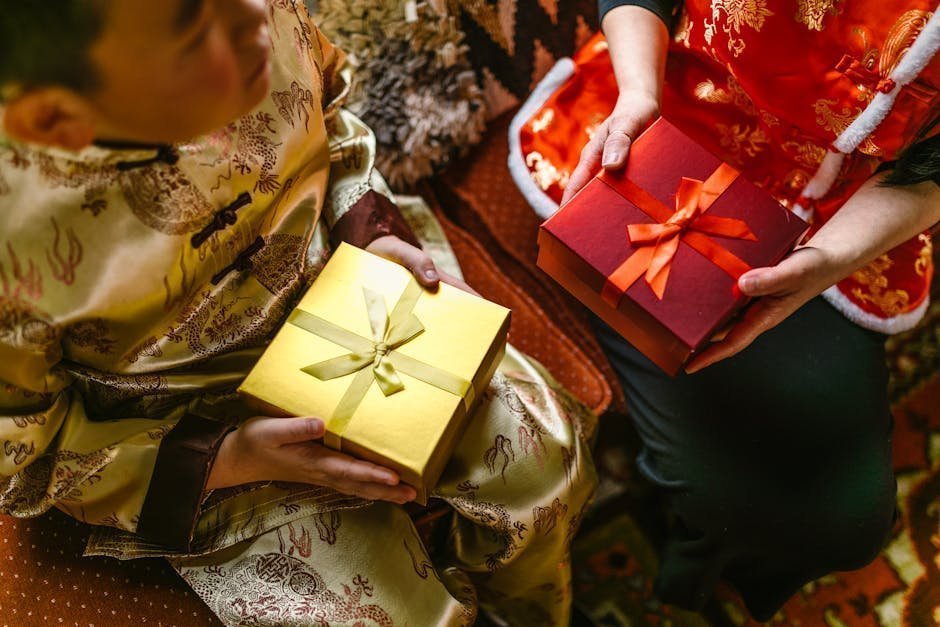
Gift-giving in East Asia is a serious and deeply symbolic act. Americans tend to think of gifts as simple gestures of goodwill. In China, Japan, and Korea, the wrong gift – or the wrong number of items – can communicate something deeply unfortunate. Certain gift-giving taboos exist throughout Asia, such as not giving scissors or knives, and critically, not giving four of an object, as the number “four” sounds like the Chinese, Korean, and Japanese words for “death.”
The number four is particularly avoided due to its phonetic resemblance to “death” in Chinese. Meanwhile, the number eight is celebrated for its connotations of prosperity and wealth. Sending a clock as a gift is considered a curse in China, where “sending a clock” phonetically resembles “sending someone to death.” These aren’t old superstitions confined to rural grandparents – they are alive and relevant in modern East Asian social interactions.
Colors matter for gift wrapping too. White, blue, and black are associated with funerals and should not be used for wrapping. Red, yellow, and pink are seen as joyful colors and perfectly acceptable. Americans who casually grab a gift bag without thinking about color are rolling the dice in ways they don’t even realize.
9. Pointing at People or Things with One Finger
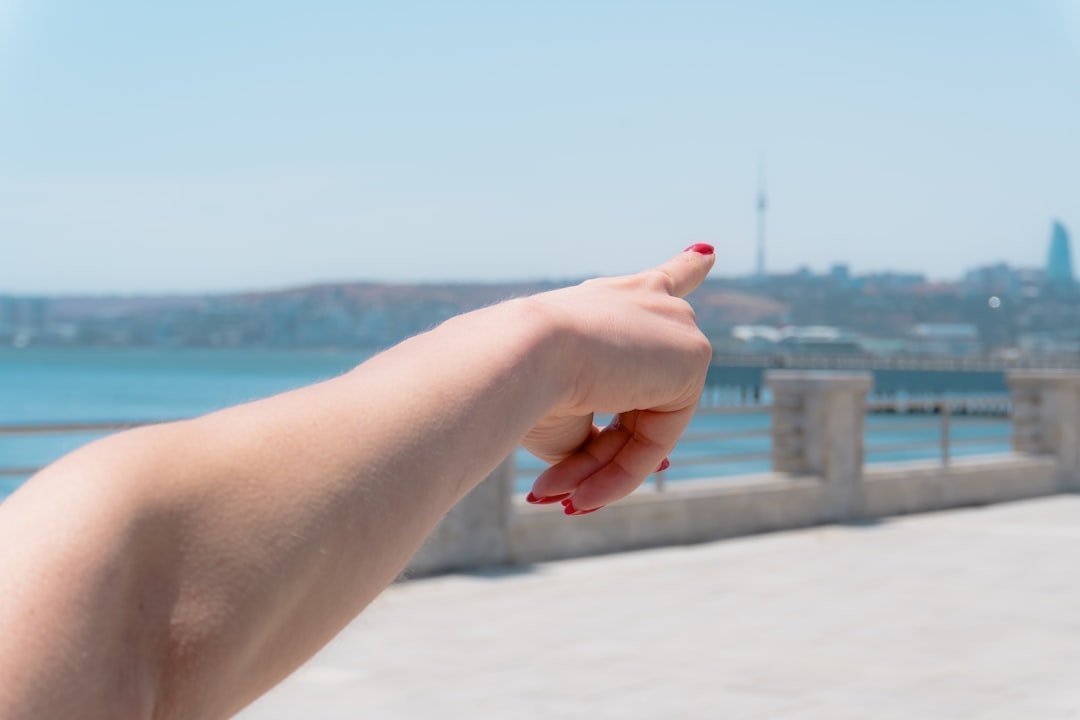
Pointing at something across the room feels like the most natural gesture in the world. You want to indicate a landmark, a dish on a menu, or a friend across a crowded space. In much of East Asia, pointing with a single extended finger is considered quite rude. Raising the tips of your chopsticks higher than the back of your hand or pointing at anything or anyone with your chopsticks is regarded as extremely rude in Japan.
The same principle applies to general hand gestures beyond just chopsticks. In Cambodia and other Southeast Asian countries, pointing with one finger is rude. If you need to single out something or indicate a direction, it’s safest to gesture with your full hand, palm up. It’s a subtle shift but one that signals genuine cultural awareness.
In Korea, Japan, and Thailand, giving or receiving anything with one hand is also a significant no-no. With everything from giving gifts to handing money to a cashier, you should always use two hands. Using two hands is an easy habit to adopt, and locals notice it positively every single time.
10. Ignoring Elder Hierarchy at the Dining Table
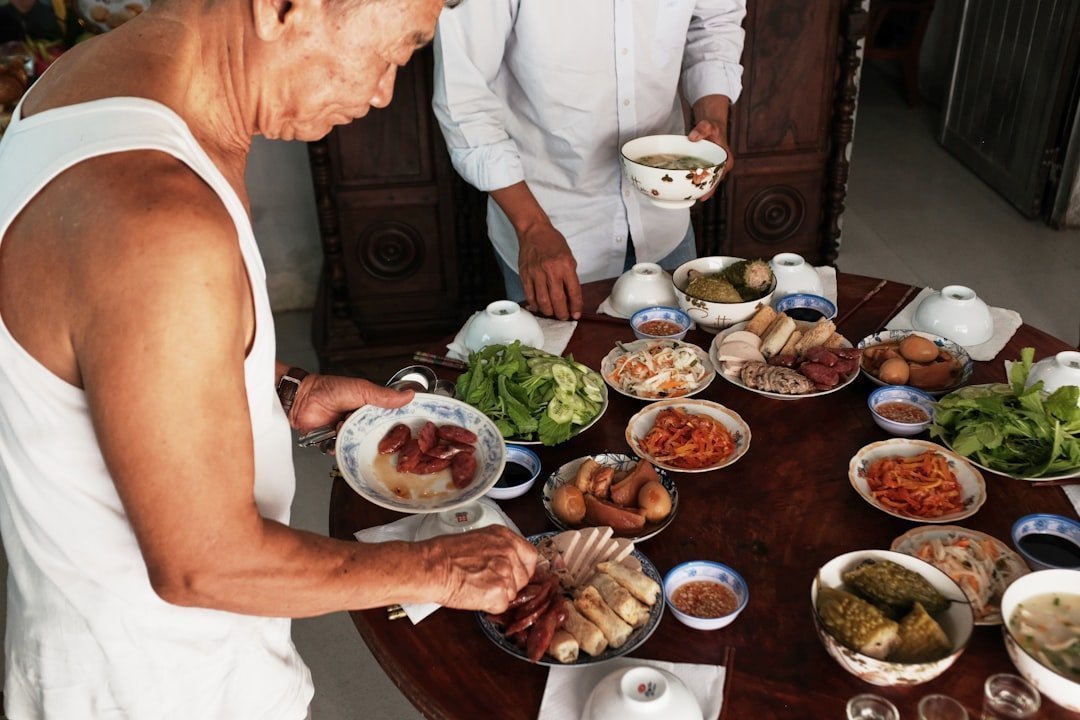
American meals are largely egalitarian affairs. Everyone digs in when the food arrives, the youngest person at the table grabs the bread first, nobody thinks much of it. In East Asian cultures, especially in Korea, the order in which you eat carries genuine social meaning. In many Asian countries, such as China or Korea, it’s customary to wait for the eldest or most senior person to start eating before you do.
In Korea, even more so than in surrounding countries, it is important to respect elders. It’s rude to pick up your chopsticks at the start of a meal or get up from the table before the oldest people do so. When in doubt, defer to elders. This isn’t ceremony for ceremony’s sake – it reflects a Confucian worldview in which age commands genuine deference, not just polite formality.
Showing respect to elders is important in most cultures, but Asian and African cultures often prioritize elders particularly strongly. You should greet them first and give them priority at meals. Allowing elders to take the lead in social situations is usually a sign of good manners. Honestly, once you understand the “why,” it’s a beautiful tradition rather than a strange inconvenience.
11. Being Loud on Public Transportation
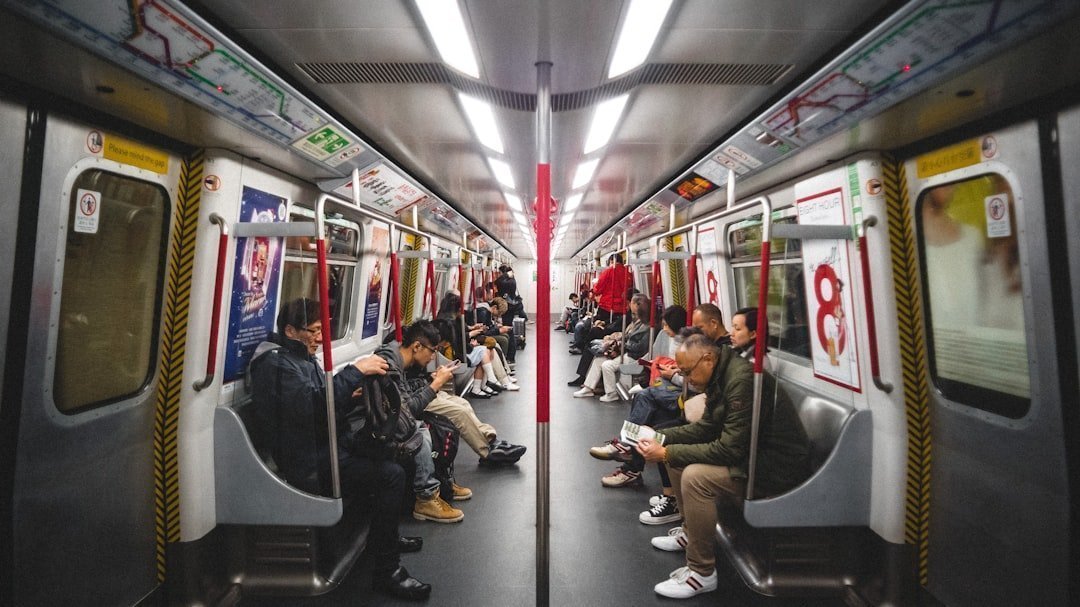
Getting on a train in Tokyo or Seoul and launching into a lively phone conversation is the kind of thing that will earn you stares so intense you’ll feel them on the back of your neck for stops. Public transit in East Asia operates on a near-sacred code of quiet. Loud FaceTime calls with speakerphone blaring, oversized laughter, and personal storytelling on trains and buses disrupts the “shared quiet space” etiquette that Seoul and Tokyo residents hold sacred.
In Japan, you should never barge your way onto the train. Platforms have markings that show where to form orderly queues, and you always let others disembark before getting on. Once on board, try to keep noise to a minimum. Loud chatter or behavior is frowned upon because it invades others’ personal space. You should avoid talking on the phone and send messages instead.
I think this is genuinely one of the most jarring adjustments for American travelers, because the contrast is so stark. Loud FaceTime, speakerphone calls, blasting headphones, or storytelling that belongs in a booth can make you “that American” within just two stops. In Seoul and dozens of other cities, train etiquette is firmly coded: low voices, minimal phone noise, and bags off seats. Embrace the quiet. It’s actually kind of wonderful.
12. Walking and Eating at the Same Time
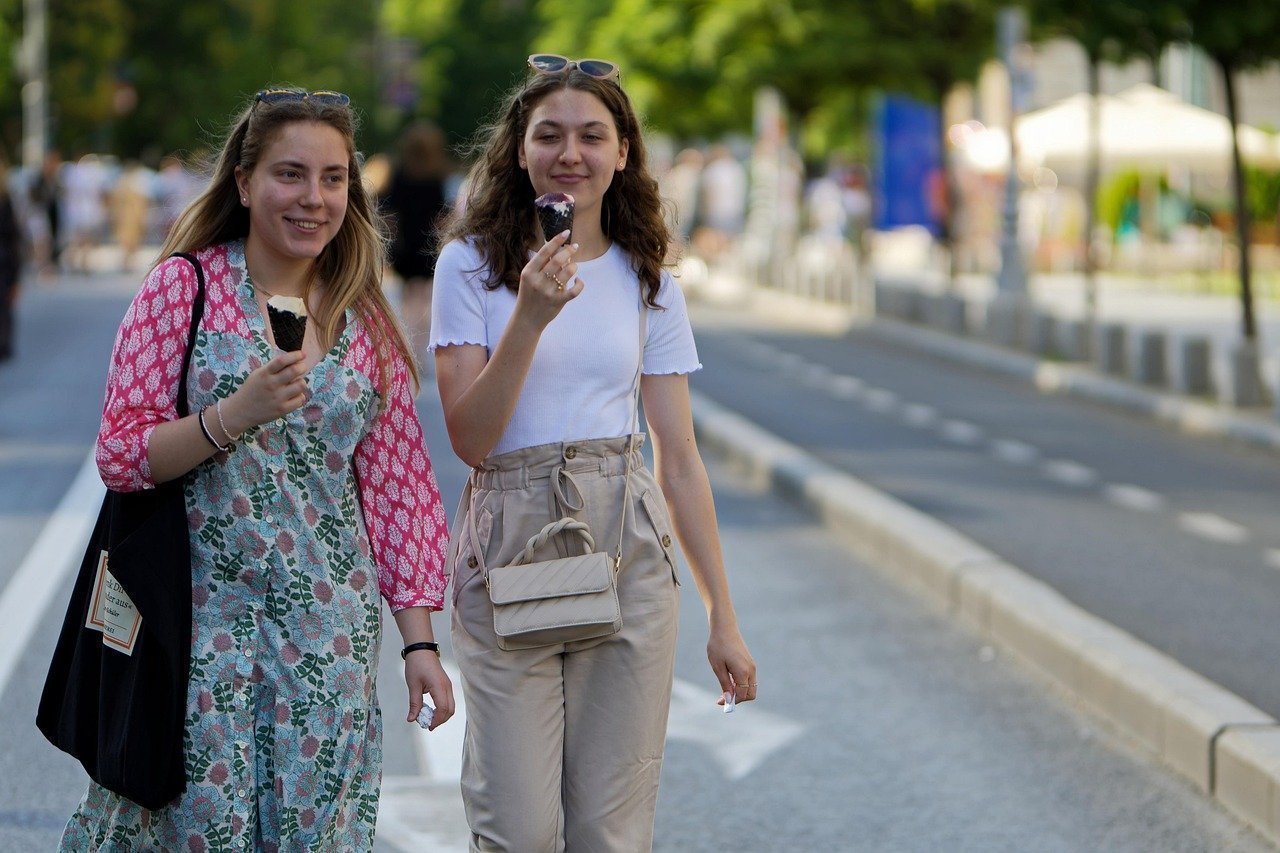
Grabbing a coffee and walking through a busy neighborhood while eating a snack – this is practically the default mode of American urban life. In Japan especially, and to a strong extent in China and Korea, eating while walking is considered somewhat disrespectful and uncivilized. In parts of Asia, eating is an activity that deserves your full attention and respect. Walking while eating is seen as rushed, uncivilized, or just plain rude. Food is meant to be savored, not multitasked.
The cultural logic here runs deep. Meals are social events, not fuel stops. Finding a bench, stopping at a café, or waiting until you reach your destination is the expected approach. Your food will taste better, and you won’t mark yourself as the oblivious tourist. It’s hard to argue with that. The food genuinely does taste better when you sit down for five minutes.
There’s also a tidiness dimension to this. Many Japanese cities have areas designated for eating and strict expectations around leaving no trace of food in public spaces. With your focus on new and different visuals, food, and language, it can be easy to forget that cultural norms are also different and vary widely among countries. Even something as casual as a street snack eaten while strolling can signal disrespect in ways that are invisible to most tourists but obvious to everyone else around them.