

You pull up the map, shortlist your dream destinations, and start comparing flights. Sounds simple enough. But here’s what most travel blogs won’t tell you upfront: some countries that look incredible on Instagram can be genuinely miserable experiences for American tourists, and the data backs it up more than ever.
A Global Rescue Snap Survey of more than 1,400 current and former members conducted in 2025 found that the vast majority of the world’s most experienced travelers expect U.S. tourists to be less welcome and perceived more negatively internationally. The reasons range from politics and cultural friction to outright legal risk. So before you hit “book,” let’s talk about the countries that keep making American travelers feel unwelcome, overwhelmed, or just plain uneasy. Let’s dive in.
1. France: The Gold Standard of Cold Shoulders

Honestly, this one surprises nobody. France has held the top spot for unwelcoming attitudes toward Americans for years, and the numbers are still not flattering in 2025. France is purportedly the least welcoming country for American tourists, with roughly one in seven French respondents claiming their country was the least welcoming to U.S. tourists, and nearly half of American travelers themselves predicted France would take the dimmest view of them.
France’s disapproval rating for the United States now sits at around two thirds, a level of animosity that can make it hard for Americans to feel welcomed regardless of how hard they try. That’s not an abstract feeling. It plays out in cafes, shops, and at train stations every single day.
Runners-up Hungary at nearly nine percent, Norway at eight percent, Denmark at seven and a half percent, and Spain at about seven percent were also noted as unwelcoming by European survey participants. Still, France wears the crown, and for American travelers who arrive hoping for a warm Parisian welcome, the reality is often a sharp reality check.
2. Russia: Don’t Even Think About It
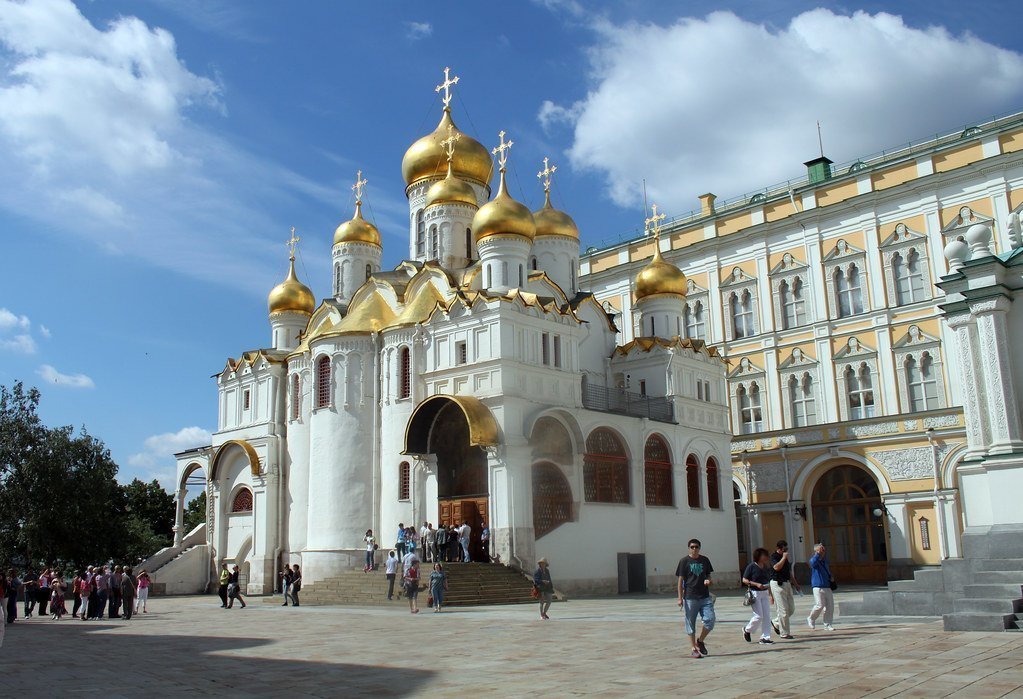
Let’s be real, this is not just about attitude. Russia presents genuine legal and physical dangers for Americans that go far beyond a waiter rolling his eyes. Since Russia’s invasion of Ukraine in early 2022, visiting Russia has become more dangerous and logistically challenging for international travelers, particularly U.S. citizens. Travel in and out of the country is extremely limited, U.S. credit cards no longer work there, and Russian law enforcement officials are known to target U.S. citizens and impose harsh punishments.
America and Russia have consistently clashed, and that tension has culminated in Americans not exactly being welcome in the country. The Russian government actively promotes anti-American sentiment to make its people distrust Americans. Think of it like trying to attend a dinner party where the host has been telling everyone you’re the villain for decades.
At the end of 2024, China and Russia together accounted for roughly a third of all known cases of Americans being unjustly held abroad. That statistic alone should give any American traveler serious pause before considering a Russian visit.
3. China: Beautiful Country, Alarming Legal Risks
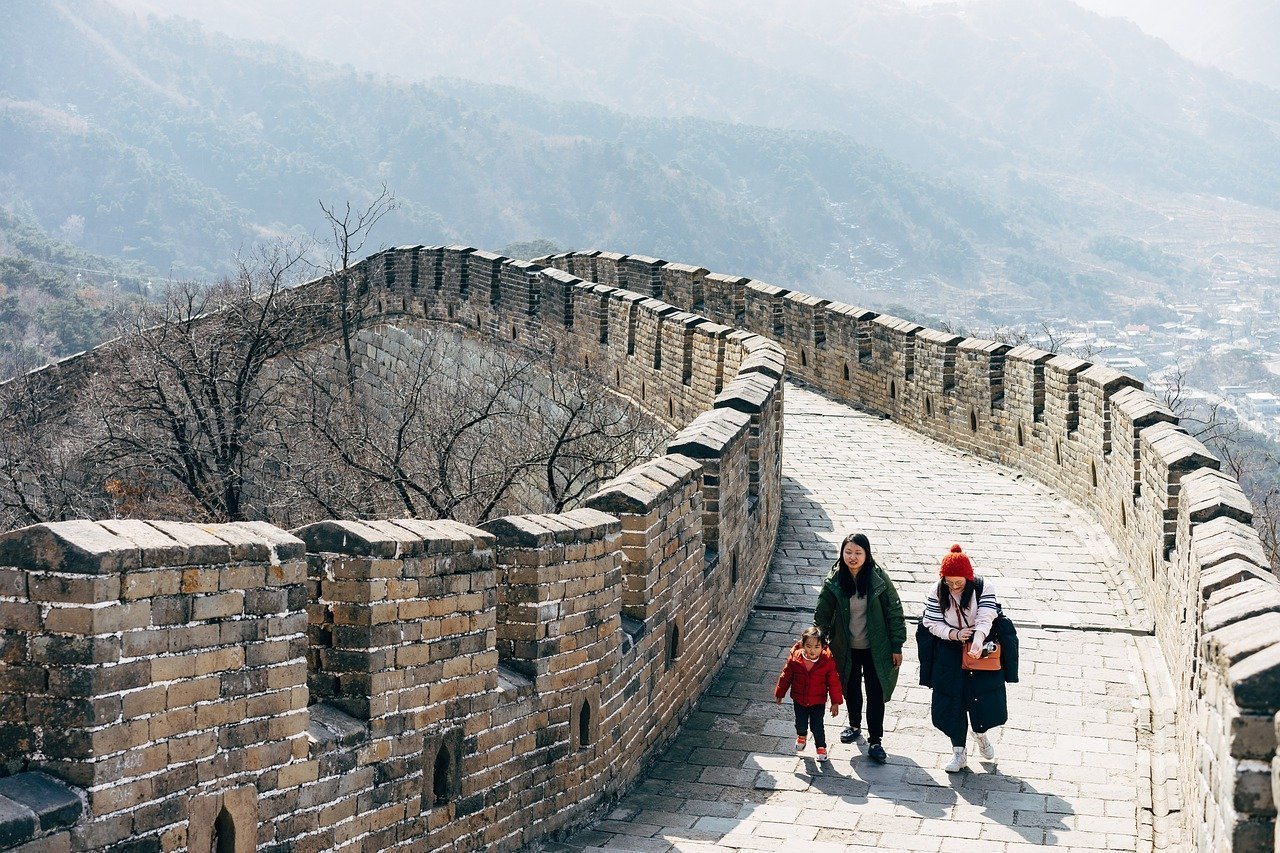
China is one of the most historically and culturally extraordinary places on earth. I think most people who have visited will tell you that. Yet for American tourists right now, the risks attached to traveling there are deeply serious and backed by hard data.
According to 2024 research by the Foley Foundation, China holds the most wrongfully detained Americans of any country. At that time, the East Asian nation had eight wrongful American detainees formally on record. More troublingly, the Dui Hua Foundation estimated that at least 200 Americans are still unjustly imprisoned in China, with 30 of those cases also subject to unlawful exit bans, according to a September 2025 report.
The U.S. State Department currently advises Americans to exercise increased caution when traveling to Mainland China due to arbitrary enforcement of local laws, including in relation to exit bans. The trade war between Washington and Beijing has only deepened the tension. The Chinese Ministry of Culture and Tourism has now issued guidance telling tourists to the U.S. to fully assess the risks of traveling, while the Ministry of Education issued similar warnings for students considering U.S. universities. The hostility, in other words, is mutual and institutional.
4. Japan: A Dream Destination Turning Hostile to Tourists

Japan consistently tops the bucket lists of American travelers, and for good reason. The food, the temples, the efficiency of everything. It really is extraordinary. Yet something significant has shifted there over the last two years, and visitors are starting to feel it.
A survey conducted by the Development Bank of Japan and the Japan Travel Bureau Foundation found that over 30 percent of foreign visitors reported experiencing problems related to congestion during their trips in 2024. The influx of too many visitors has resulted in overcrowding at tourist destinations and on transportation networks, with complaints increasing about tourists blocking roads, entering private property, and causing disruptions for local residents.
In Japan, locals don’t even use the term “overtourism” – they call it “kankō kōgai,” meaning “tourism pollution.” It’s used to express how the flood of visitors affects their daily lives, and many Japanese residents feel genuinely and negatively impacted. Kyoto residents have started avoiding their own neighborhoods near Gion because tourist crowds make daily life feel impossible. Quiet streets have turned into open-air photo studios overnight. That’s not a welcoming signal to anyone paying attention.
5. Hungary: Political Frost Meets Real Unwelcomeness
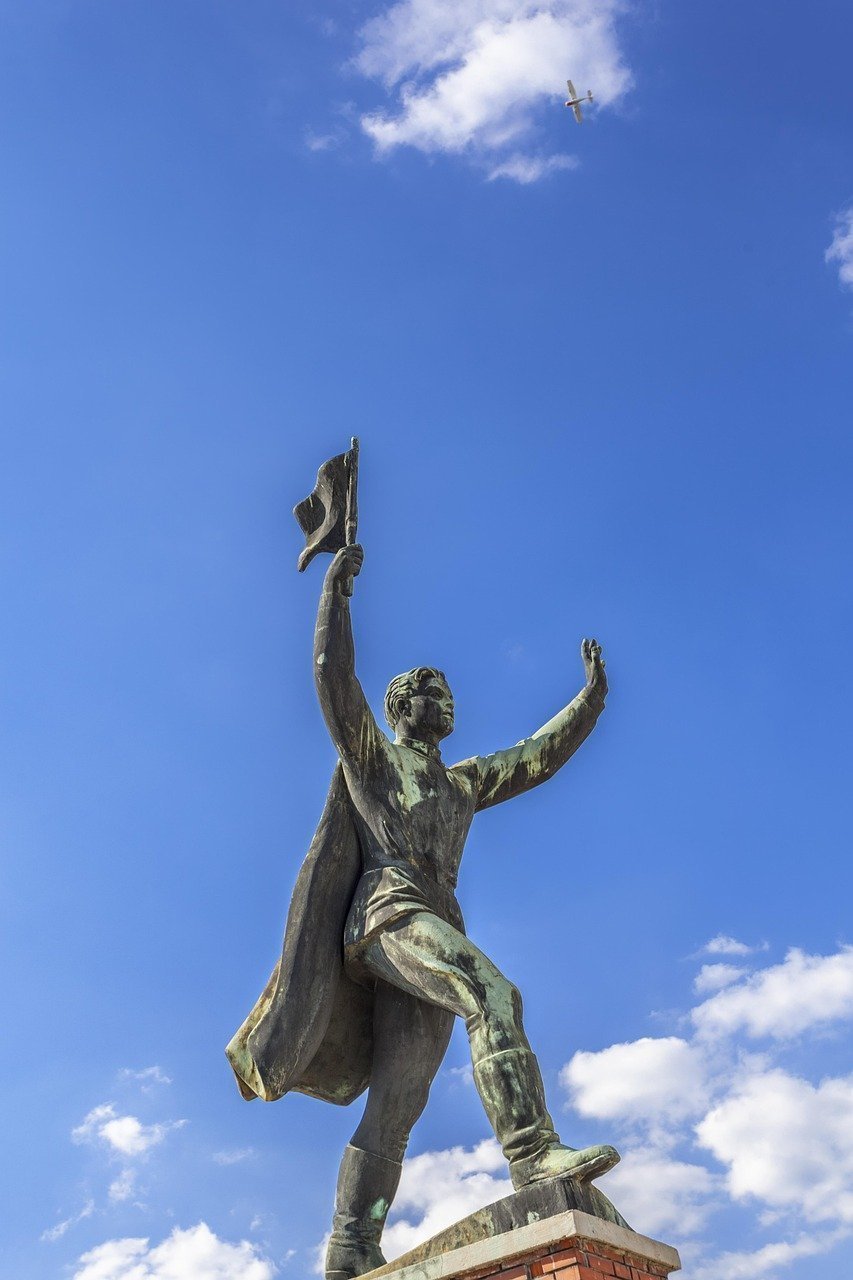
Hungary is a fascinating country with incredible architecture and a rich history, but it consistently ranks among the most unwelcoming European nations for American travelers based on current survey data. Hungary ranks at nearly nine percent of respondents who view their own country as the least welcoming to Americans, placing it second only to France on the European unwelcomeness scale.
Here’s the thing: Hungary’s political landscape under Prime Minister Viktor Orbán has created a government posture that often runs directly against mainstream U.S. positions. That trickles down into everyday interactions. American values around democracy, press freedom, and foreign policy are not exactly in sync with Hungary’s current direction, and many locals are aware of and vocal about these differences.
American travelers themselves are not naïve about this dynamic. More than half of Americans worry at least a little about their reputation when traveling internationally, and nearly three in four believe Americans overall have a bad reputation overseas. Hungary is one of the places where that reputation is tested most visibly.
6. Norway: Cold Weather, Colder Welcome
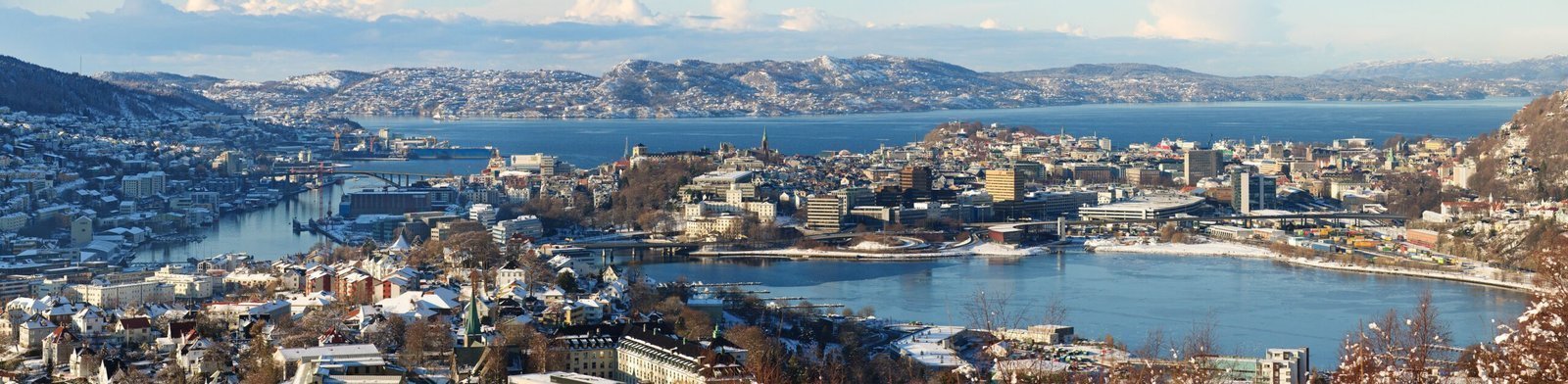
Norway is staggering to look at. Fjords, the Northern Lights, incredible seafood. It genuinely deserves its reputation as one of the most beautiful countries on earth. Yet Norway ranks among Europe’s most unwelcoming toward American tourists, and about eight percent of Norwegian respondents view their own country as among the least welcoming to Americans.
Nearly 40 percent of respondents in the Netherlands and around 38 percent in Portugal and Belgium said they hold a negative view of American tourists, and Scandinavia as a whole tilts toward a skeptical view of American culture. Norwegians, in particular, tend to value understatement, environmental consciousness, and social equality – traits that clash with stereotypical American tourist behavior in ways that are hard to ignore.
The noise complaint alone is significant. Noise is the number one behavior hurting U.S. travelers’ reputations overseas, with nearly two thirds of European respondents saying Americans are far too loud. More than six in ten believe Americans expect everyone to speak English. In a country as culturally reserved as Norway, that combination lands particularly badly.
7. Denmark: Data Points Don’t Lie
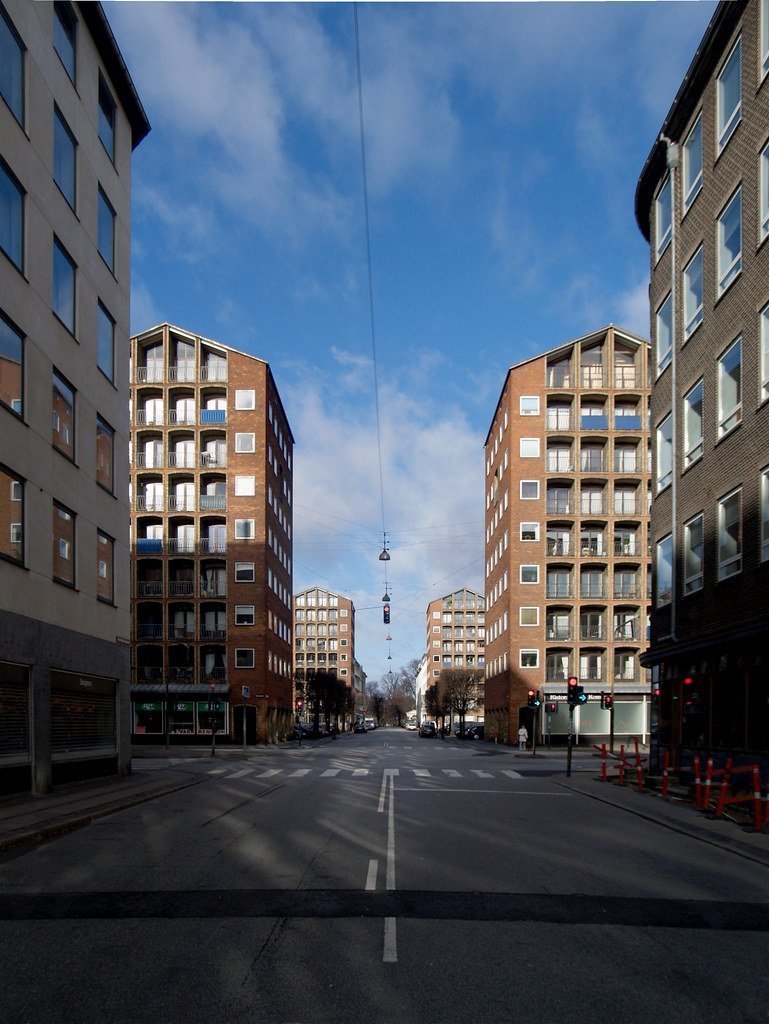
Denmark is one of those countries that always ranks among the happiest on earth. Great design, excellent food, forward-thinking cities. So it might feel puzzling to find it here. Denmark ranks at seven and a half percent among the European countries whose own residents consider it unwelcoming to American tourists, which is not trivial for a country of its size and tourism infrastructure.
There is also a noticeable political dimension playing out in real numbers. As a tourist generator, Western Europe was down significantly, with visitors from Denmark dropping by nineteen percent, reflecting a broader cooling of goodwill between Denmark and America. The Greenland controversy in 2025 did not help matters either, casting a diplomatic shadow that many Danish locals are openly unhappy about.
It’s hard to say for sure how much of the attitude in Denmark is rooted in day-to-day cultural friction versus geopolitical frustration. But when nearly one in five Danish visitors to the U.S. disappeared in a single year, that’s a signal worth paying attention to before you book your flights to Copenhagen.
8. Spain: Overtourism Has Created a Backlash

Spain is one of the most visited countries in the world, and that is precisely the problem. Tourism is the main driver of many economies around the world, but 2024 was when the negative effects of mass tourism came to a head in protests across Europe. Barcelona ended apartment rentals by foreign tourists and Amsterdam banned construction of new hotels. Spain sits at the center of that storm.
Spain ranks at nearly seven percent among countries that view themselves as the least welcoming to Americans, but the bigger issue is the boiling frustration local communities feel toward tourists broadly, with American visitors often perceived as among the loudest and least culturally aware. Protests in Barcelona, Mallorca, and the Canary Islands made international headlines in 2024 and continued into 2025.
If you imagine overtourism like a bathtub slowly filling with water, Spain hit overflow in 2024. Residents holding up signs telling tourists to go home were photographed in major cities. That’s not general bad mood – that’s a genuine breaking point, and Americans traveling with zero awareness of local culture tend to fare the worst.
9. Jordan: Deep Historical Resentment Toward Americans

Jordan is genuinely stunning, home to Petra, Wadi Rum, and the Dead Sea. Many Americans who go there return with nothing but good things to say about individual experiences. Yet the underlying sentiment toward the U.S. in Jordan runs deeply negative, and that matters on the ground. American favorability ratings have dropped thirteen points in Jordan since 2009, leaving around 85 percent with an unfavorable view of the United States.
Much of this resentment is rooted in American foreign policy in the Middle East, including the U.S. stance on the Palestinian conflict. Americans may feel unwelcome particularly in nations opposing U.S. foreign policy and where America is actively involved in international politics, including various countries in the Middle East. Jordan is one of the clearest examples of this.
The irony is that Jordanians as individual people are often warmly hospitable – Arab hospitality culture is real and deeply felt. But beneath the surface, the political hostility toward the American government spills over into how tourists are perceived. The gap between surface warmth and underlying resentment can be jarring for first-time American visitors who arrive with no awareness of the history.
10. Greece: Resentment at the Ruins
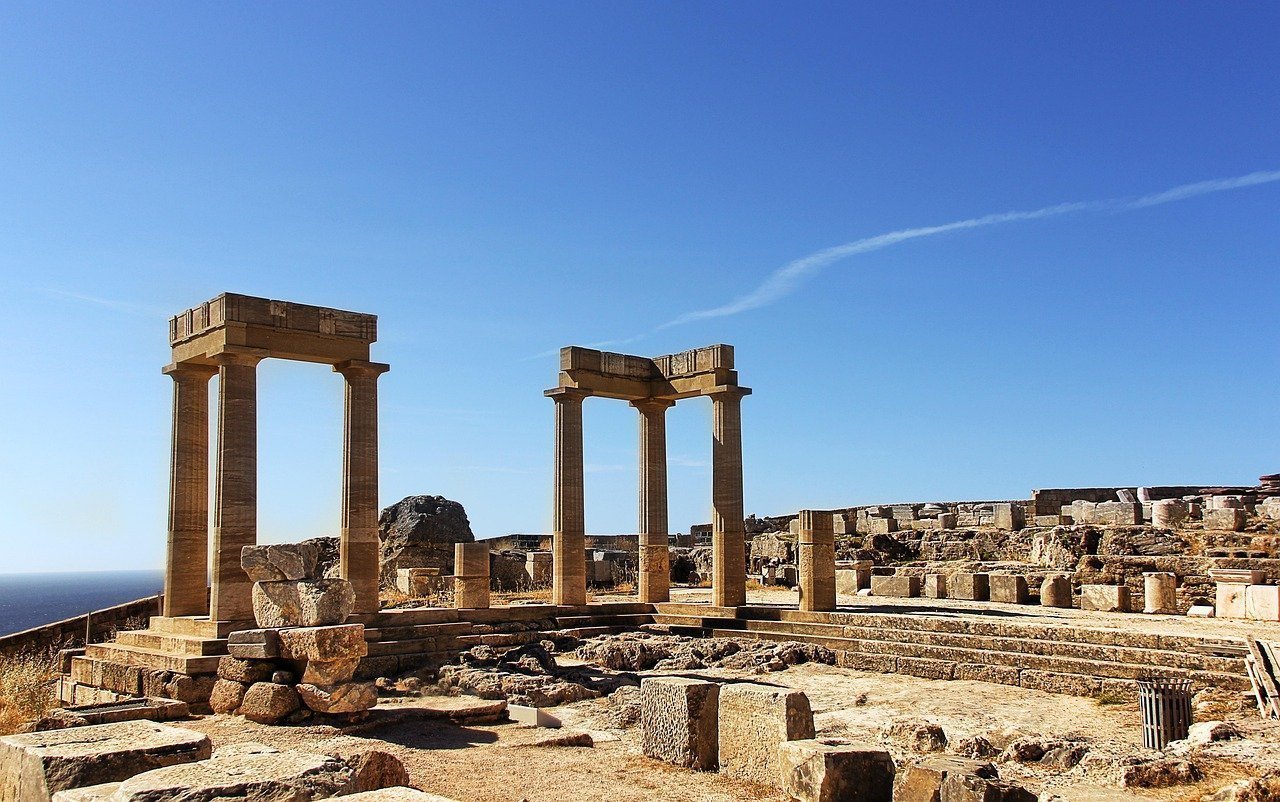
Greece might seem like an odd entry here because millions of Americans visit each year and many love it. But the data is hard to argue with. Debt-ridden Greece registers a 63 percent unfavorable rating toward the United States in Pew Research surveys. That’s not a fringe view – that’s the majority of the Greek population.
One recurring complaint among Greek locals has to do with public drinking. They tend to look down on people who let themselves go in public, which is exactly what many young American tourists do when they visit. Greek locals feel genuinely disrespected by this behavior, particularly at historical sites or places full of spiritual and cultural significance.
Think of it this way: imagine someone visiting your grandparent’s home, drinking loudly, and treating it like a nightclub. That’s roughly how many Greeks view the tourist-heavy islands during peak season. Some travelers have already reported experiencing anti-American hostility and political confrontations overseas, and Greece is one of the spots where that tension rises fastest when cultural sensitivity drops to zero.
A Final Word Before You Book
None of this means these countries should be crossed off your list forever. Most of them are genuinely incredible places with complex, fascinating cultures that reward curious, respectful travelers. The point is not fear. It’s awareness. More than one in four Europeans hold a generally negative opinion of American tourists, and walking into that reality unprepared makes a difficult experience much worse.
Nearly three in four surveyed travelers believe U.S. tourists will be perceived more negatively abroad in 2025. Experts advise American travelers to stay informed, maintain a low profile, and be culturally aware. That’s not a dramatic demand – it’s basic travel intelligence. Learn a few words of the local language. Research local customs. And maybe skip the volume dial.
The world is still worth exploring. You just have to go in with your eyes open. What destination on this list surprised you the most? Drop your thoughts in the comments.