
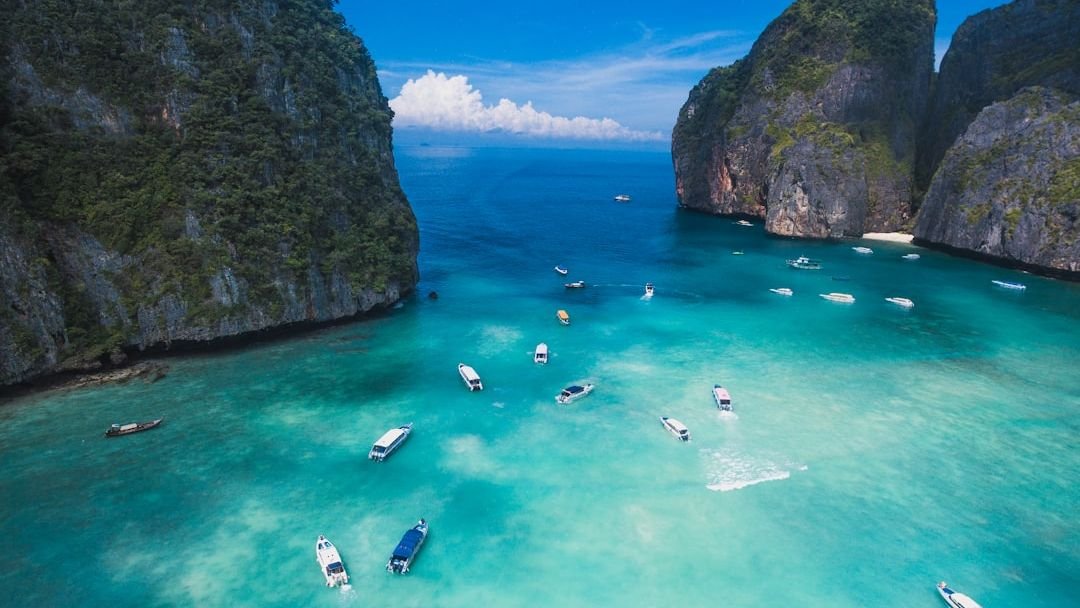
Imagine sinking your toes into powdery white sand, sipping a coconut under swaying palms. These spots sold the ultimate escape, drawing dreamers from everywhere. Yet whispers from locals paint a different picture, one of strained smiles and fading beauty.
Something shifted fast in recent years. Swarms of visitors have tipped the balance, turning bliss into bustle. Stick around to uncover which gems are gasping for breath.[1]
Bali, Indonesia
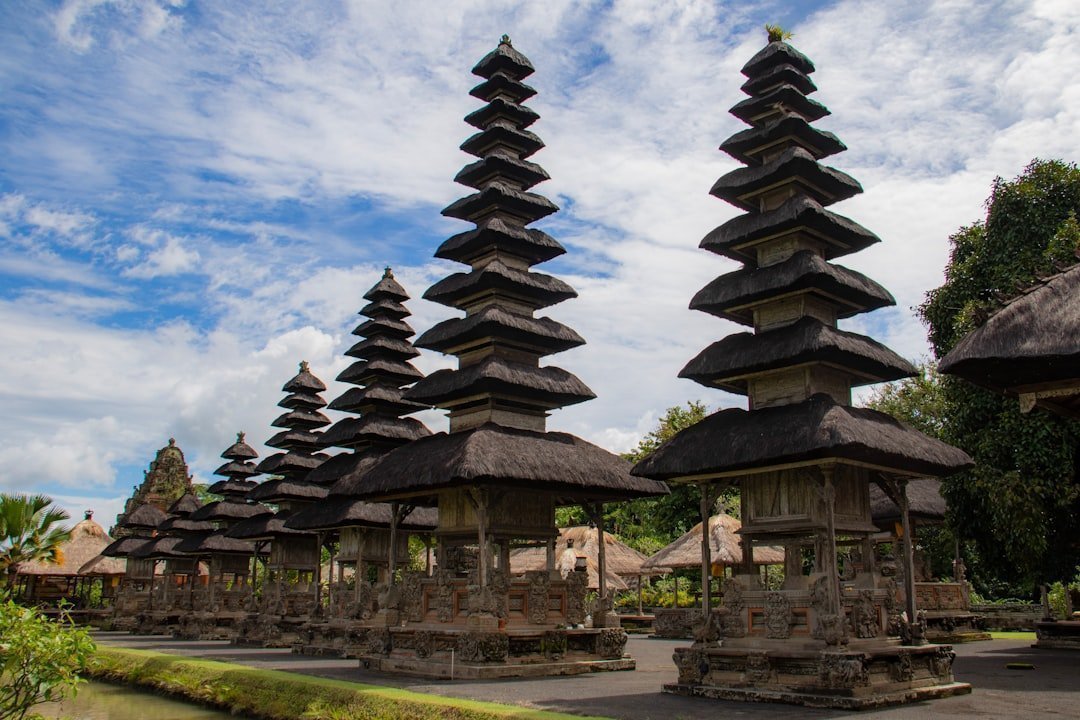
Those iconic rice terraces and beach clubs once felt like a secret shared among friends. Now Bali reels under 6.3 million foreign tourists in 2024, with projections hitting 6.5 million in 2025.[2] Traffic snarls choke the roads daily, while beaches battle plastic waste and erosion. Honestly, it’s heartbreaking to see sacred sites disrespected amid the party crowds.
Locals protest the housing crunch as villas sprout everywhere. Water shortages plague villages, all fueled by this boom. Fodor’s slapped it on their No List for 2025 and 2026, urging a rethink.[3][1] Here’s the thing: paradise shouldn’t feel this crowded.
Phuket, Thailand
Phuket’s glittering bays promised serenity and sunset parties. Yet the island now hosts 118 tourists per resident, straining every corner.[4] In 2026, tourism surges past infrastructure limits, sparking warnings from local associations. Congested roads and water woes hit hard, turning vibes sour.
Rising complaints highlight waste buildup and rental spikes pushing locals out. Even as Thailand eyes quality over quantity visitors, Phuket buckles. I know it sounds wild, but those Patong nights feel more frenzy than fun now.[5]
Maya Bay, Phi Phi Islands, Thailand
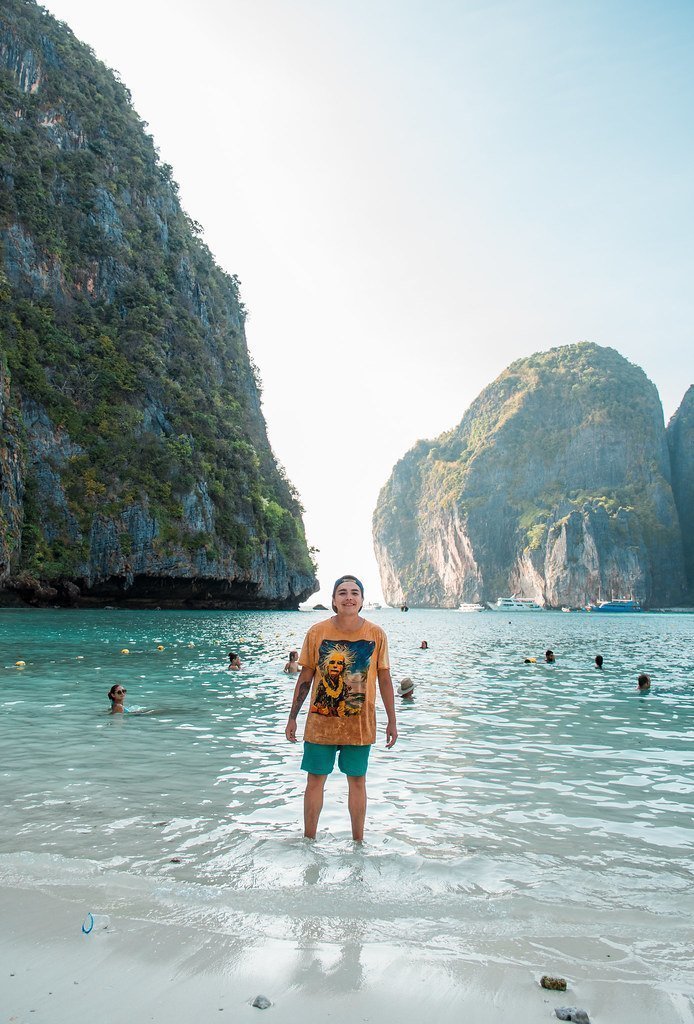
Maya Bay’s cliffs and emerald waters starred in dreams after that movie. Overtourism wrecked the reefs, leading to a four-year closure before 2022 reopening with rules. Still, it shut again August to September 2025 for repairs.[6] Boats crowd the no-anchor zone, and paths overflow with selfie seekers.
Coral clings to life amid sunscreen slicks and trampling. Daily limits exist, but enforcement lags in peak frenzy. It’s like watching a postcard fade before your eyes, a stark reminder of too much love.[7]
Boracay, Philippines
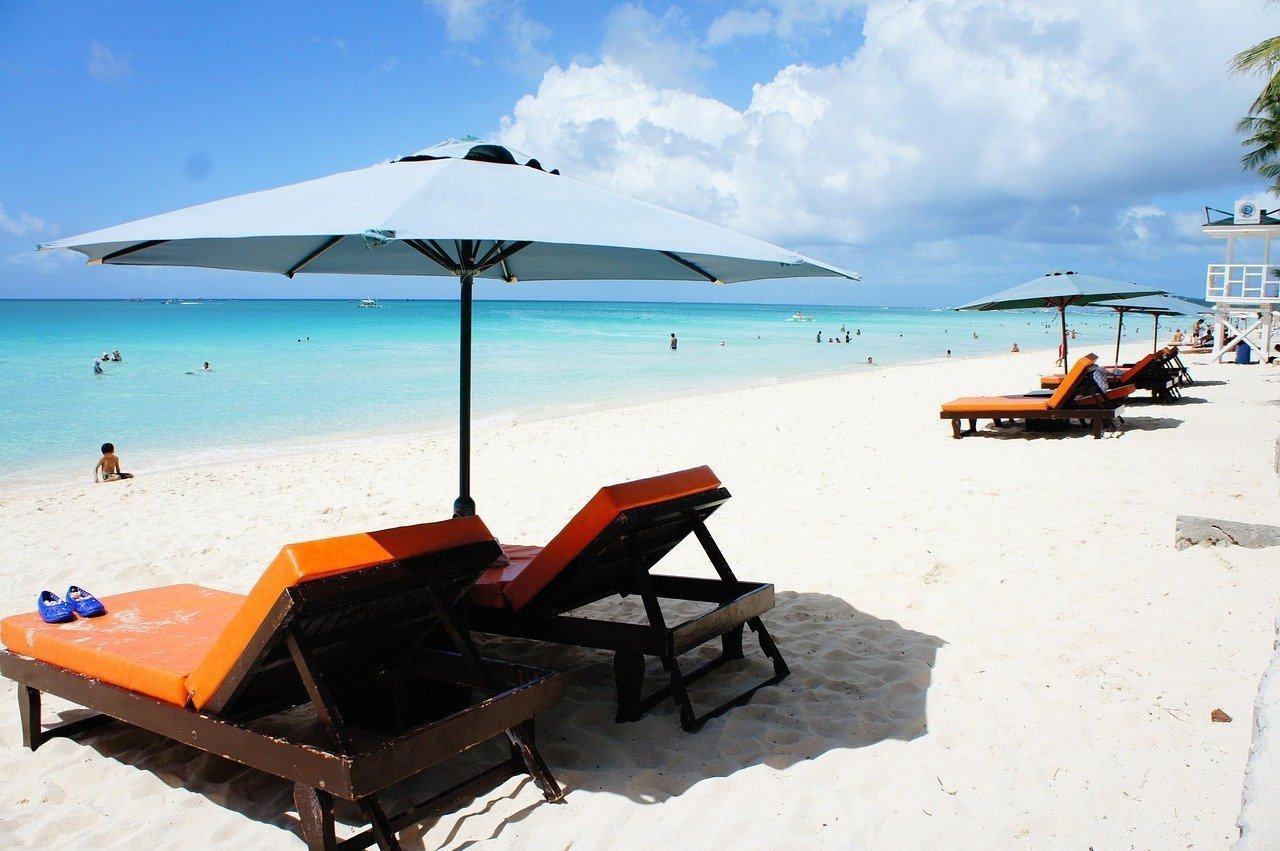
Boracay’s four-kilometer beach glowed as Asia’s finest. Over two million tourists flooded in 2024, missing the 2.3 million target but breaching capacity during Holy Week 2025 with 29,056 arrivals.[8] The infamous 2018 shutdown lingers in memory, yet crowds test limits again. Sewage and sand erosion creep back despite fixes.
Locals eye 2.3 million for 2026 warily. Party scenes drown out quiet sunrises. Let’s be real, this white-sand wonder risks another heartbreak if unchecked.[9]
El Nido, Palawan, Philippines
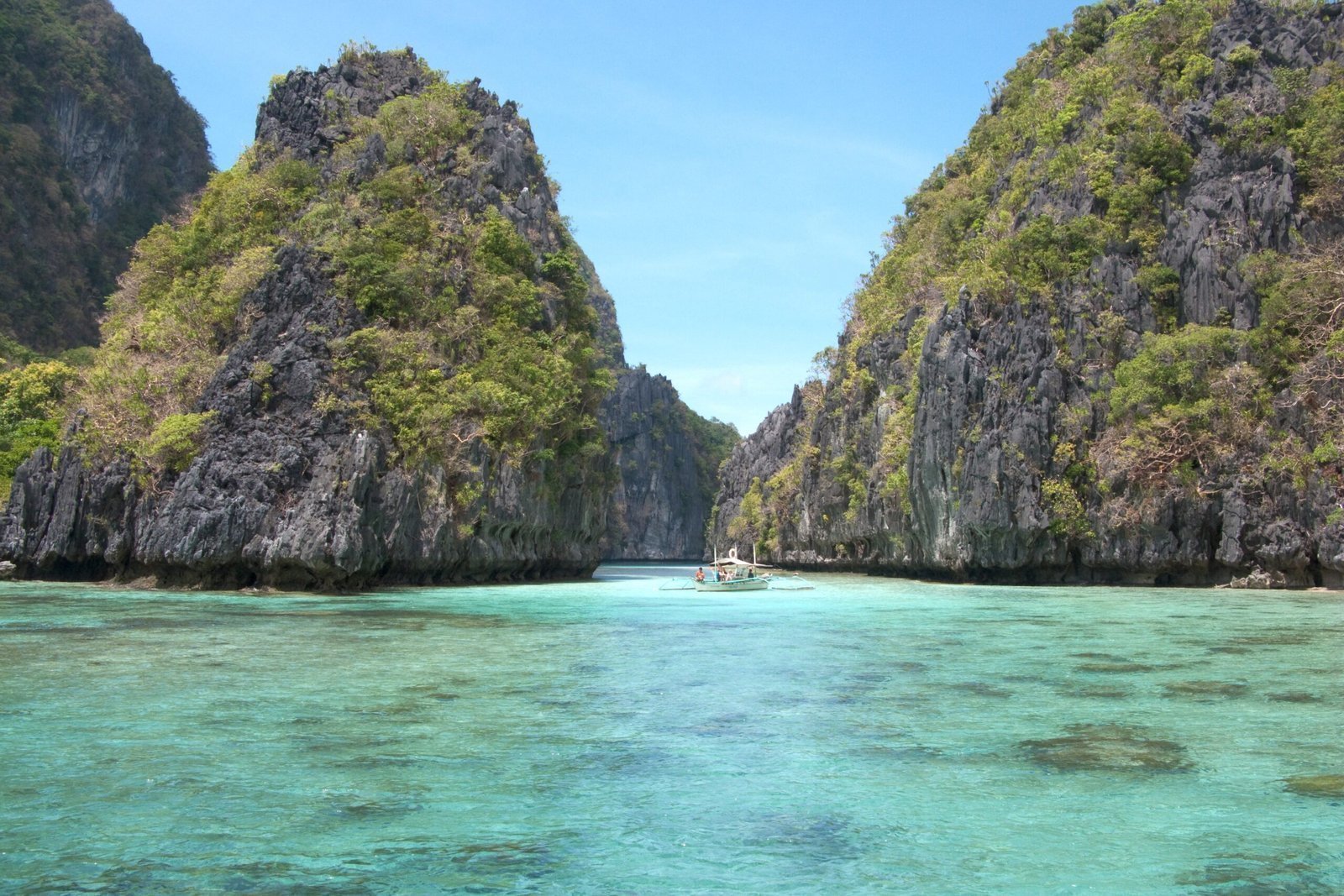
Limestone karsts piercing lagoons made El Nido Instagram gold. In 2023, half a million visitors swamped the 50,000 residents, overwhelming sewage systems.[10] High fecal coliform taints coastal waters into 2025. Reefs die from boat anchors and diver hordes.
Tourism dollars flow, but infrastructure gasps. Off-peak visits help, yet popularity surges. Picture kayaking through trash flecks, not the pure scene of old tales.[11]
Maui, Hawaii
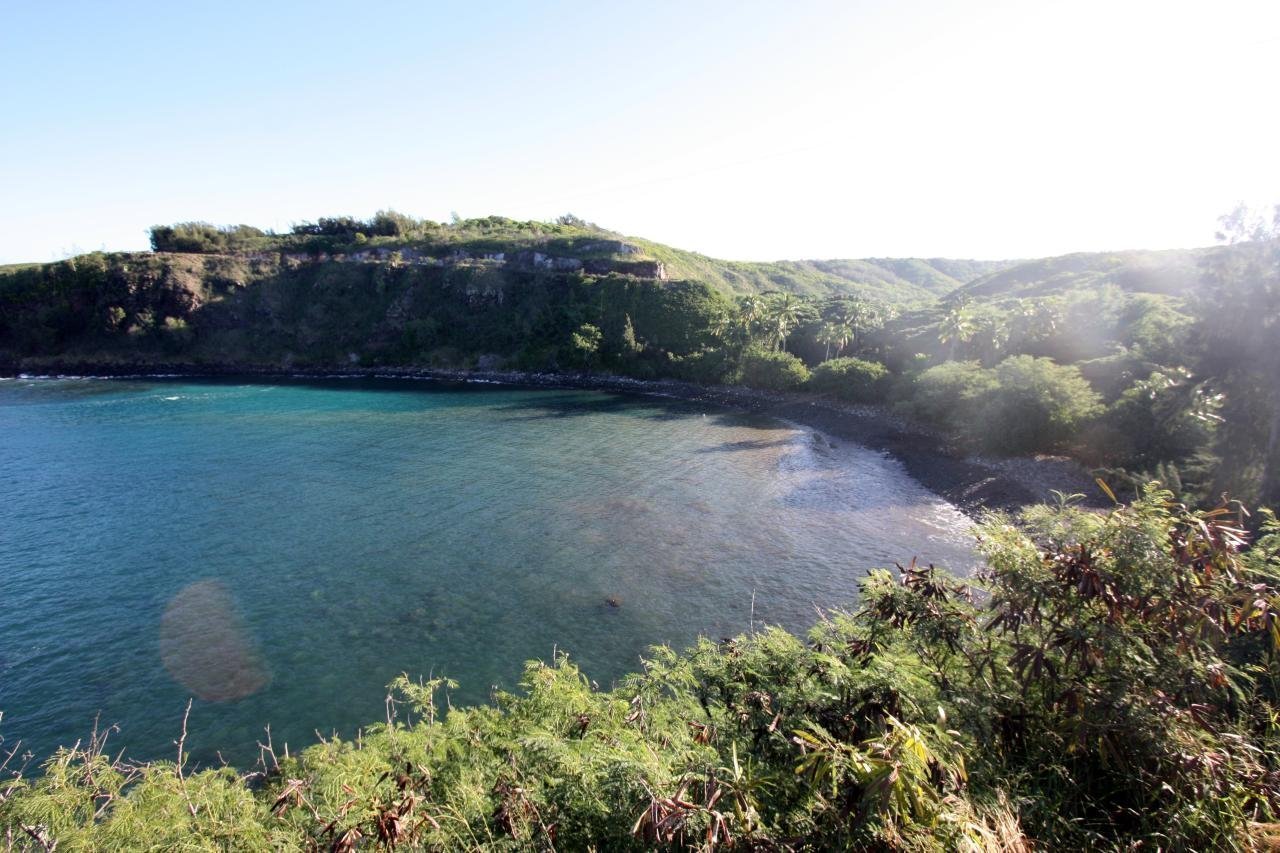
Maui’s Road to Hana twists through rainforests to waterfalls. Over 2.5 million visitors arrived in 2025, with hotspots like Honolua Bay hitting 1,200 daily in summer.[12] Illegal parking and trespassing spark safety scares, especially for elders. New 2026 plans push shuttles and stewards to ease the crush.
Seventy percent of locals feel the island caters too much to outsiders. Bamboo forest trespasses rack up rescues yearly. Those lava flows and bays deserve breathing room, not bumper-to-bumper chaos.
Canary Islands, Spain
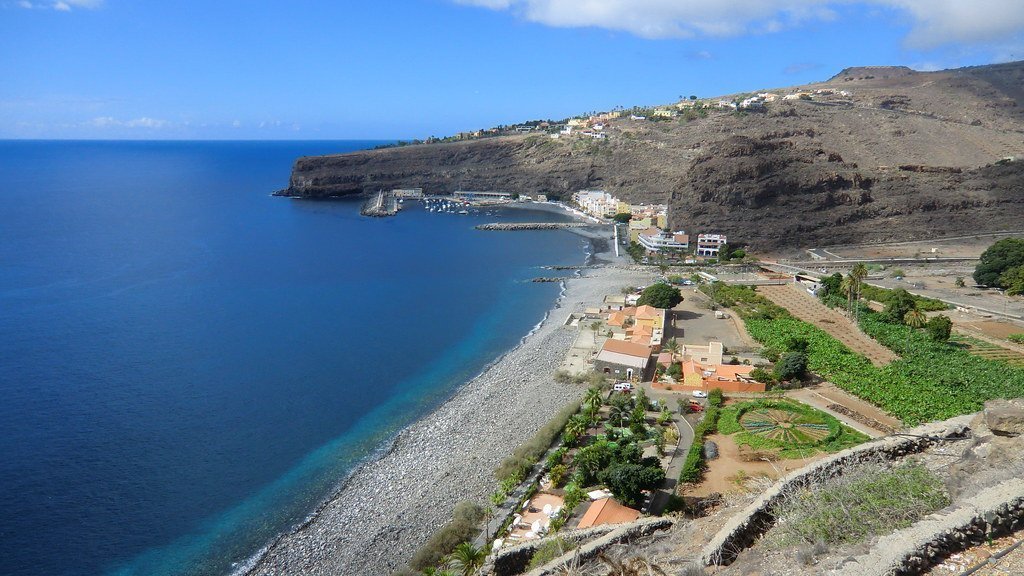
Tenerife and Lanzarote boast volcanic beaches and eternal spring. First-half 2025 saw 7.8 million visitors, August alone 1.23 million.[1] Protests erupted in May under “Canaries have a limit,” raging at housing hikes and sewage dumping 100 million liters daily. Biodiversity vanishes amid sprawl.
A €25 trail fee debuts 2026 in key parks. Traffic and water fights intensify. This archipelago’s fiery charm dims under tourist weight, much like a party past midnight.
Mombasa, Kenya
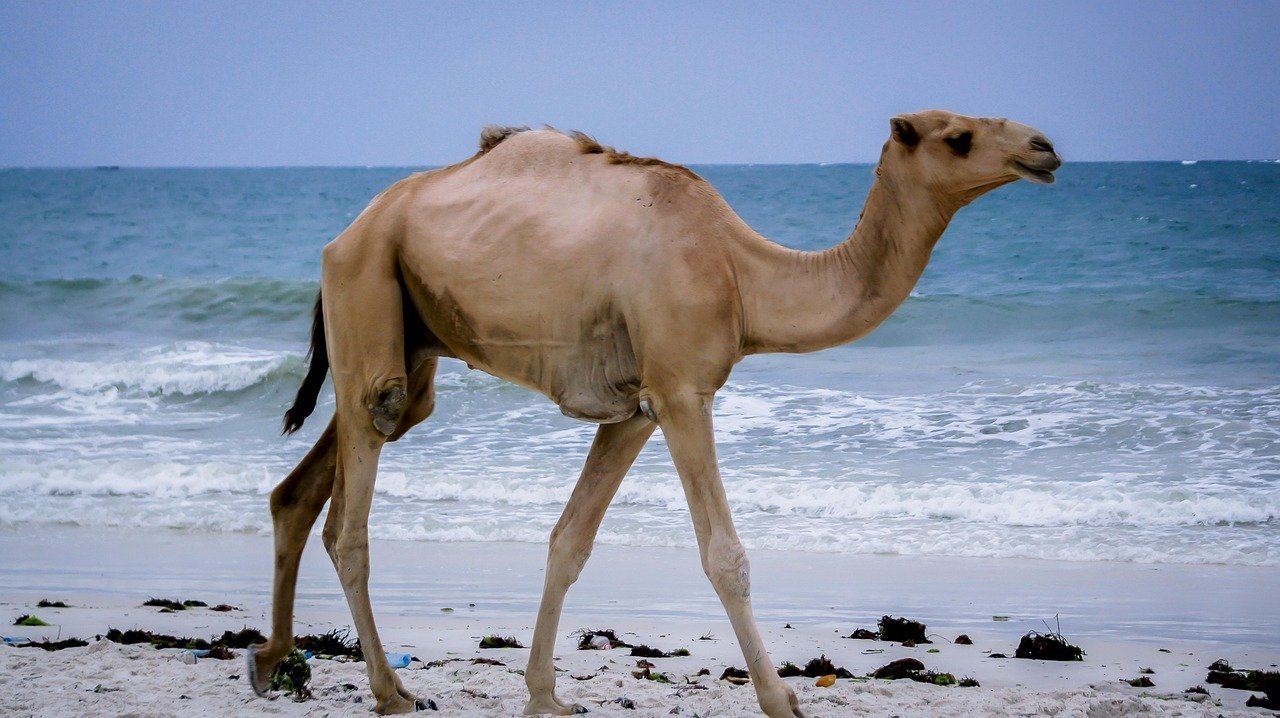
Mombasa’s beaches lured with spice and Swahili vibes. Kenya hit 2.4 million arrivals last year, 70 percent coastal bound.[1] Polluted oceans, littered sands, and raw sewage kill mangroves. Cruise traffic jumped 164 percent in 2024.
Roads clog, buildings crumble under pressure. Social strains from unchecked growth fester. Even dhow sails can’t hide the overburdened paradise feel.
Madeira, Portugal
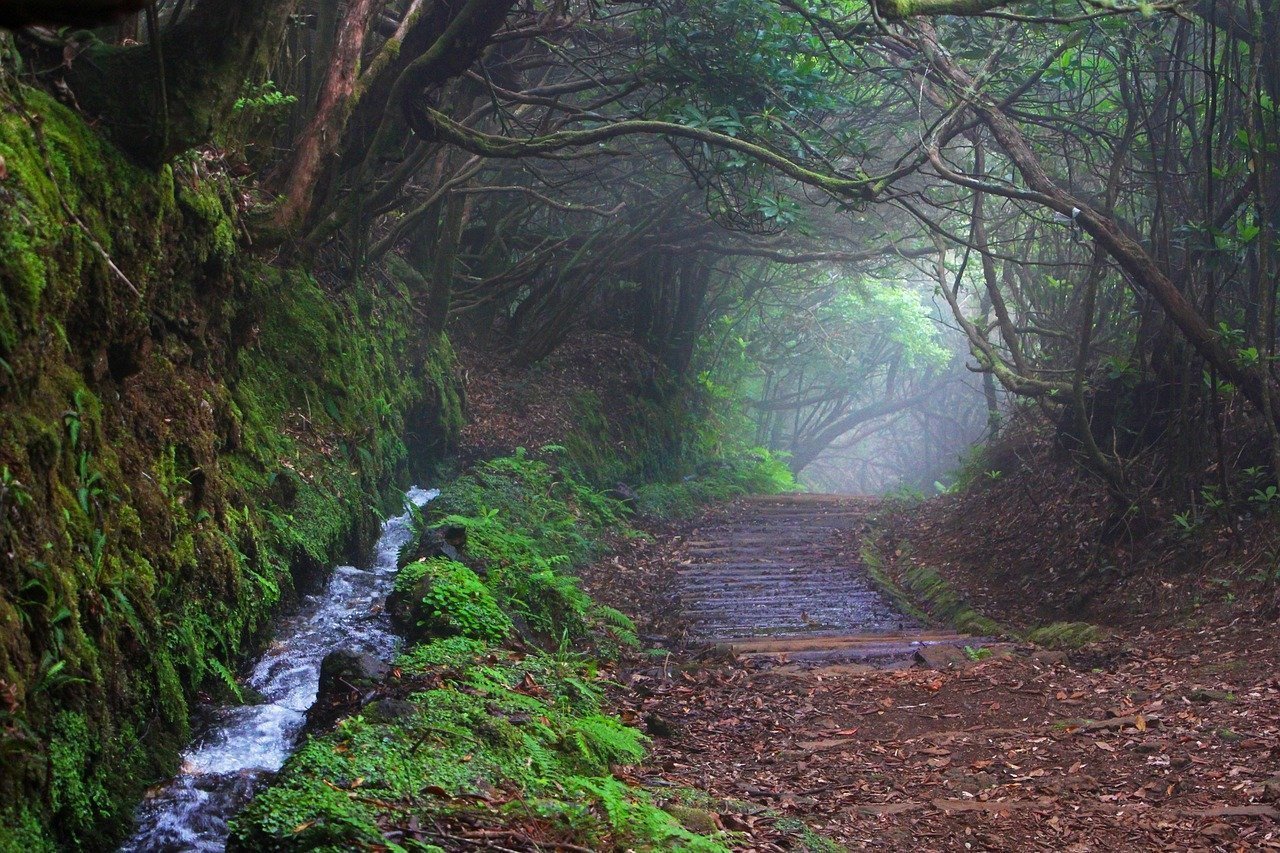
Madeira’s levadas and cliffs offered rugged bliss. New 2026 fees target trails like PR 1, exempting locals but registering all.[13] Overtourism fuels resident revolts over crowds. Hiking paths wear thin from masses.
Laurel forests strain as visitors multiply. Infrastructure lags the boom. That misty allure risks turning obligatory selfie stop.