
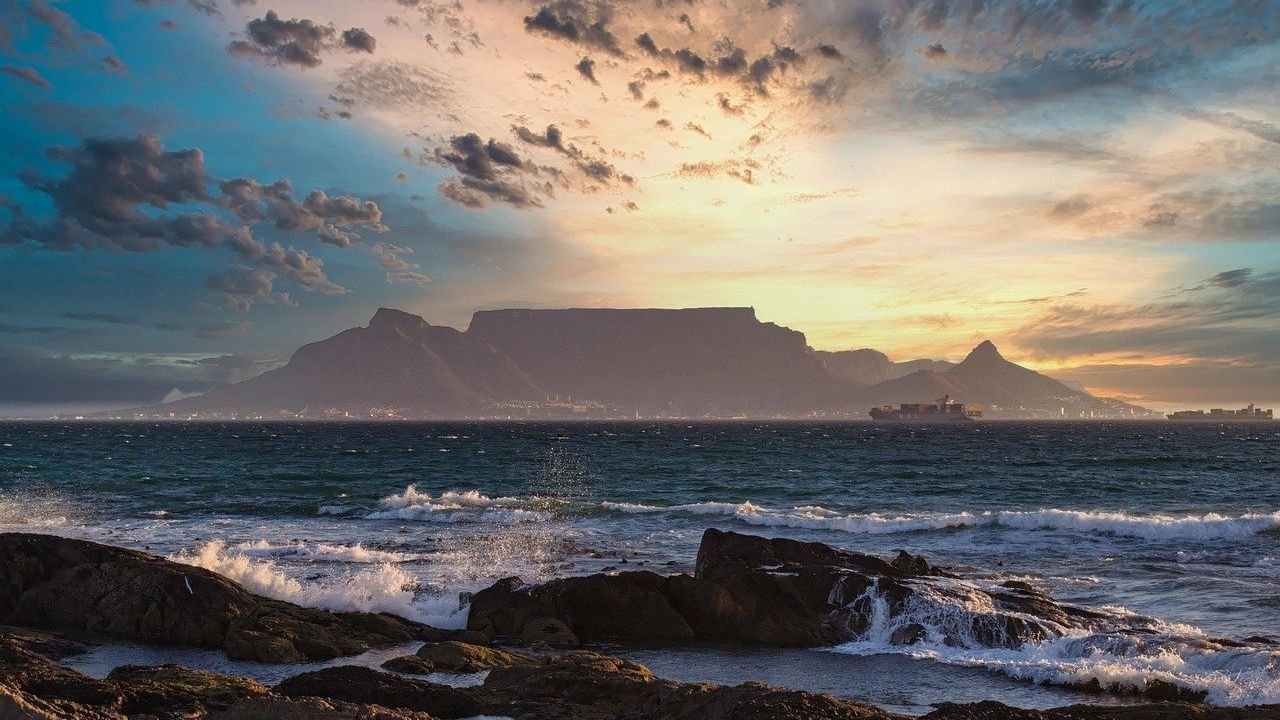
Something big is happening at the southern tip of Africa. Millions of people are booking flights, packing bags, and pointing their compasses toward one of the world’s most dramatically beautiful cities. Cape Town isn’t just trending on social media. It’s breaking real, measurable records, attracting everyone from backpackers to luxury cruise passengers, and collecting international awards at a pace that would make even Paris blush.
So what exactly is going on? Is it hype, or is there something genuinely extraordinary pulling the world toward the Mother City right now? Let’s dive in.
A Record-Breaking Airport Tells the Story First
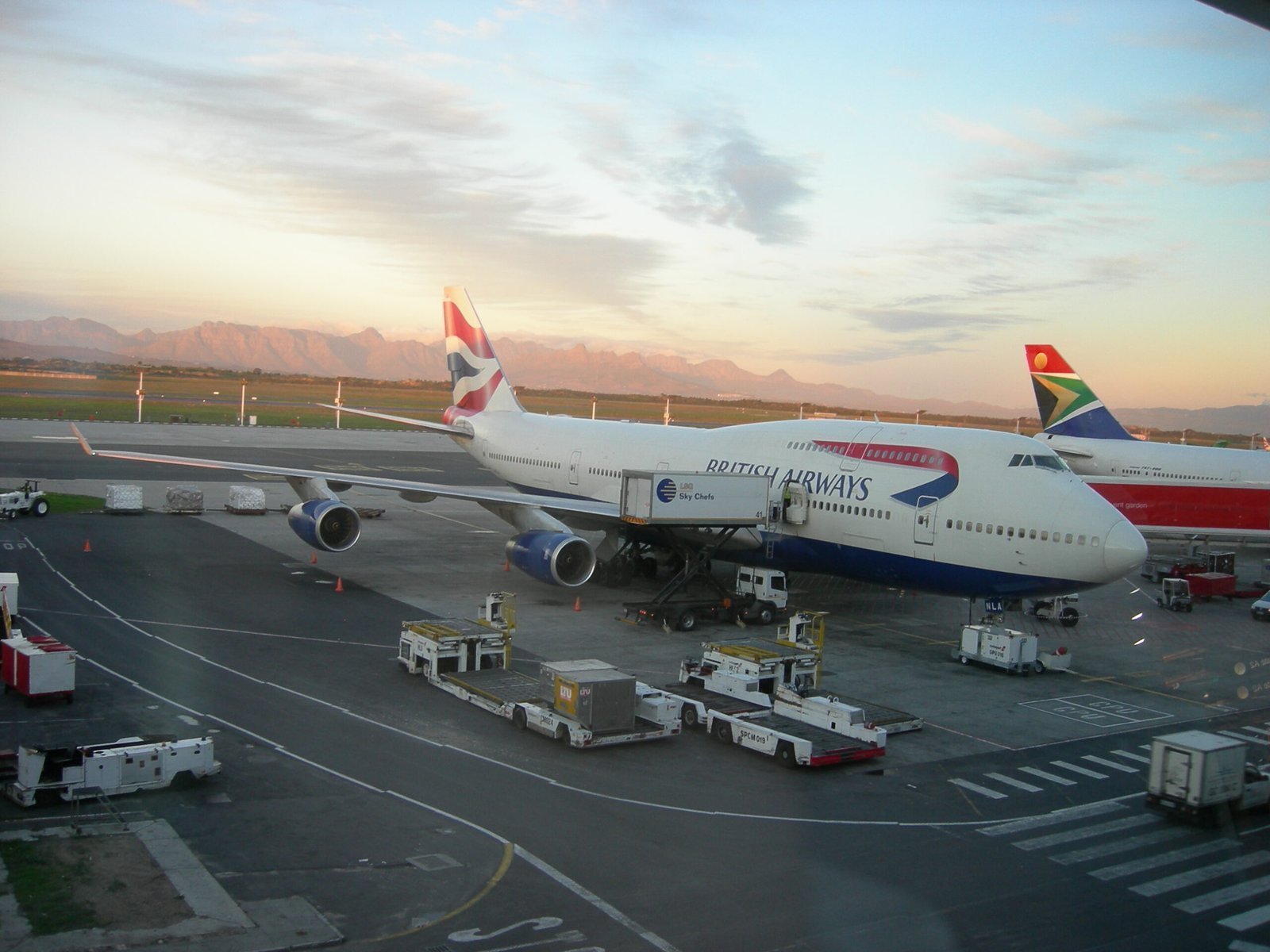
Here’s the thing about Cape Town’s rise: the numbers don’t lie, and the numbers are staggering. Cape Town International Airport handled a record 11.1 million two-way passengers during the 2025 calendar year. That’s not just impressive for an African city. That’s world-class.
The festive season alone saw an 8% increase in passengers compared to the previous year, with international arrivals rising by 11%, regional arrivals climbing by 13%, and domestic visitors up by 6%.
Cape Town now receives 228 international flights every week, linking the city to 31 destinations operated by 24 airlines. Think about that for a moment. More access means more visitors. More visitors means more economic energy. It’s a beautifully simple equation that Cape Town has mastered better than almost anyone else in Africa.
New routes like Air France’s seasonal daily service to Cape Town and SAA’s Cape Town to Mauritius route have further expanded that reach. Honestly, the city is more connected to the world than it has ever been.
The World Keeps Voting Cape Town Number One
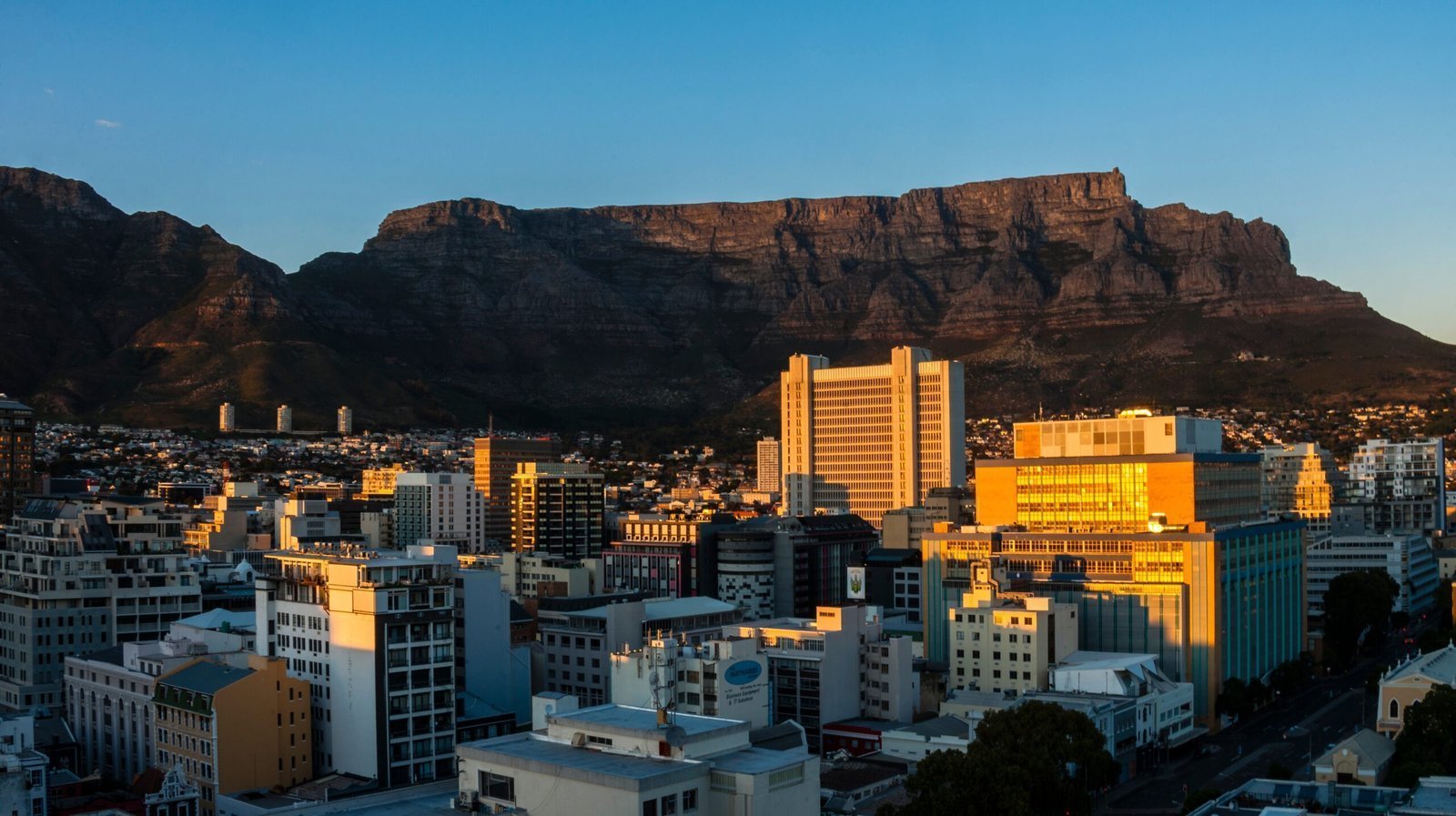
It’s one thing to be popular. It’s another to be consistently crowned the best. Cape Town was named 2025’s Best City in the World by Time Out, climbing to the top of the global list from second place the year before. The ranking wasn’t just a gut feeling or editorial opinion.
The annual ranking was based on extensive input from over 18,500 residents worldwide, evaluating 44 different criteria including food, nightlife, cultural offerings, affordability, happiness, and overall city vibe. Cape Town didn’t just win. It dominated across categories.
The Telegraph also named Cape Town the Best City on Earth in its Travel Awards 2025, after more than 20,000 readers around the world cast their votes. In the past 11 years, Cape Town has come out on top every single time readers have been asked.
Cape Town was additionally awarded Best City, Editor’s Choice at Travel + Leisure India’s Best Awards 2025. Three major global publications. Three top-tier awards. In one year. That’s not luck. That’s a city doing something deeply, genuinely right.
South Africa’s Tourism Is Booming, and Cape Town Leads the Way
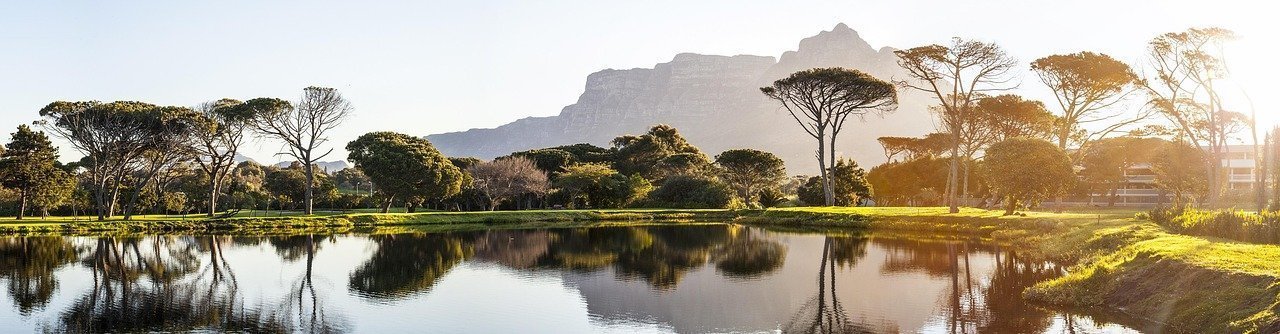
Let’s be real. Cape Town doesn’t exist in isolation. The entire country of South Africa is experiencing a tourism surge, and the Mother City sits at the absolute center of it all. South Africa welcomed 10.48 million international arrivals between January and December 2025, marking a 17.6% increase compared to 2024 and representing the highest number of arrivals on record.
While the national recovery rate sits at just under 82%, Cape Town has outperformed expectations thanks to a coordinated effort by stakeholders.
The concentration of visitors in Cape Town is striking. Cape Town and Kruger National Park together accounted for roughly 60% of total room nights in 2019, a share that rose to about 69% by 2024. Travelers are clearly making deliberate choices, and Cape Town keeps winning those choices.
South Africa was also named Best Destination in Africa 2025 by the Travel Weekly Reader’s Choice Awards. The tide is rising, and Cape Town is riding the wave higher than anyone.
Cruise Tourism: A Billion-Rand Boom on the Waterfront
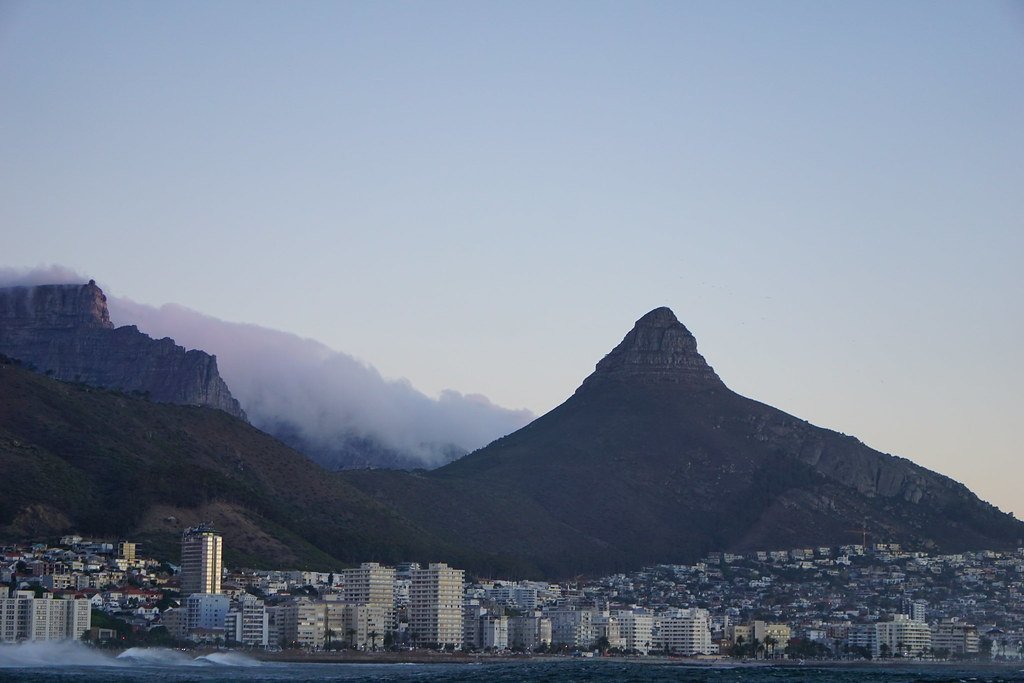
If you’ve ever stood on the V&A Waterfront and watched a massive cruise liner ease into port with Table Mountain in the background, you’ll understand why this segment of tourism is exploding. The visuals alone are extraordinary.
The 2024/25 cruise season was the longest and most successful to date. Though the season traditionally runs from October to April, cruise activity extended into May and June, with the Cape Town Cruise Terminal recording 83 ship calls, an 18% increase from 67 ships in the previous season.
Passenger and vessel spending reached nearly R2 billion during the season, while the cruise sector supported over 1,200 direct full-time equivalent jobs, primarily in retail and markets, hotels and restaurants, and tour operators.
Long-haul world cruises linking multiple continents accounted for 42 arrivals. Eleven ships made their maiden voyage to Cape Town, and March saw a record 22 ship calls, signalling the emergence of a year-round cruise tourism season. That last point is remarkable. Even in traditionally quieter months, ships are coming.
Food, Wine, and Culture: The Experience Economy at Its Best
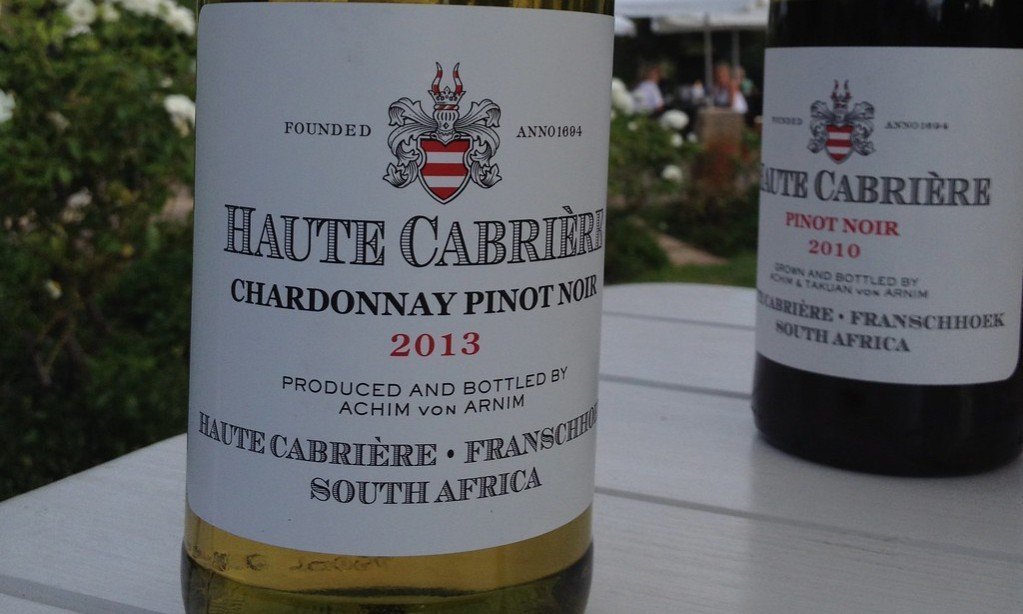
I think one of Cape Town’s most underrated superpowers is what it offers beyond the iconic scenery. Yes, Table Mountain is magnificent. Yes, the beaches are world-class. Still, it’s the food and culture scene that truly hooks visitors and makes them want to return.
Cape Town boasts what many call the most exciting restaurant scene on the African continent, with culinary experiences blending global trends with African produce and home-grown inspiration. The city is home to three restaurants on the extended list of the World’s 50 Best.
The Western Cape is home to some of the world’s most celebrated vineyards, with Cape Town and the Western Cape standing as a gastronomic wonderland featuring award-winning restaurants and a history deeply intertwined with the vine.
Think of it like this. Where else on Earth can you sip Chenin Blanc at a 300-year-old Stellenbosch wine estate, eat Cape Malay cuisine in Bo-Kaap, and still be back in time for sundowners on Camps Bay Beach? Cape Town isn’t just a destination. It’s a full sensory experience packed into one remarkably compact city.
Events like the Cape Town International Jazz Festival continue to draw world-class talent from across Africa and the global diaspora, alongside select international stars. The cultural calendar alone could fill an entire travel itinerary.
The Economic Engine Behind the Boom
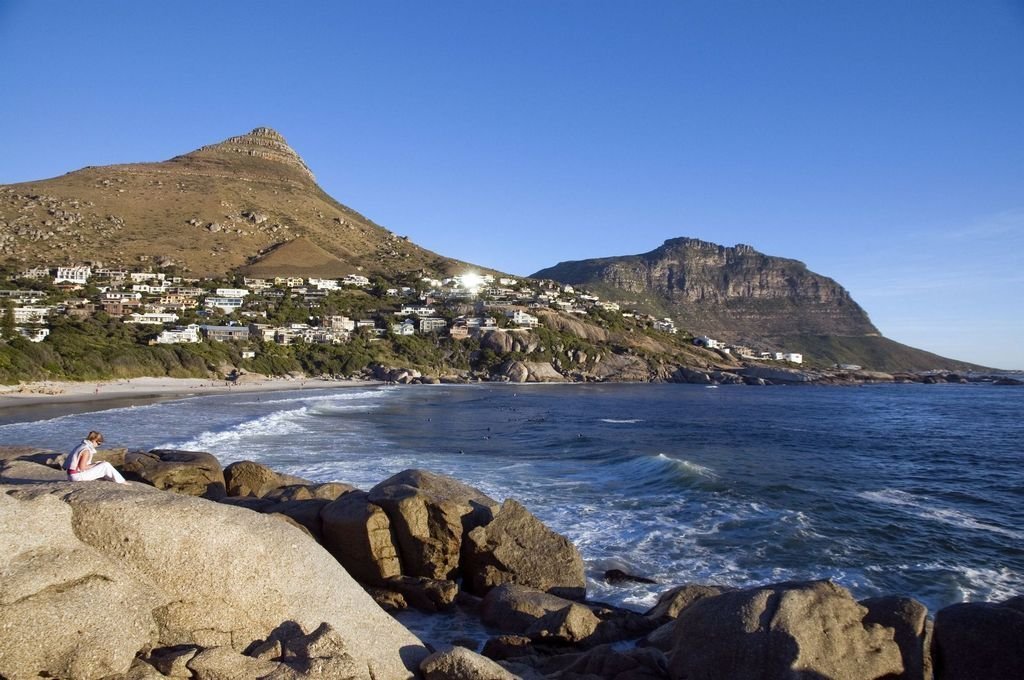
Tourism in Cape Town isn’t just about beautiful Instagram posts and happy tourists. It’s an economic force that is reshaping jobs and livelihoods across the city and the wider region.
Tourism already employs close to 7% of Cape Town’s entire workforce. That’s not a small number. In a city of millions, that translates to tens of thousands of people whose livelihoods depend directly on visitors arriving, spending, and returning.
The increase in international arrivals has had a ripple effect across the local economy, with local businesses in hospitality seeing marked improvements in revenue. Hotels, restaurants, tour operators, and retail outlets are all experiencing a boost.
Tourism campaigns like MyCapeTown, 50 Things to Do in Cape Town for Under R50, and One Small World have been particularly effective in engaging a wide range of travelers, including locals and international visitors, showcasing how Cape Town can offer world-class experiences without breaking the bank. That last point matters more than people realize. Cape Town is not just for the wealthy. It pitches to a broad, diverse audience, and that inclusivity is part of its growing appeal.
What 2026 Looks Like: The Momentum Continues
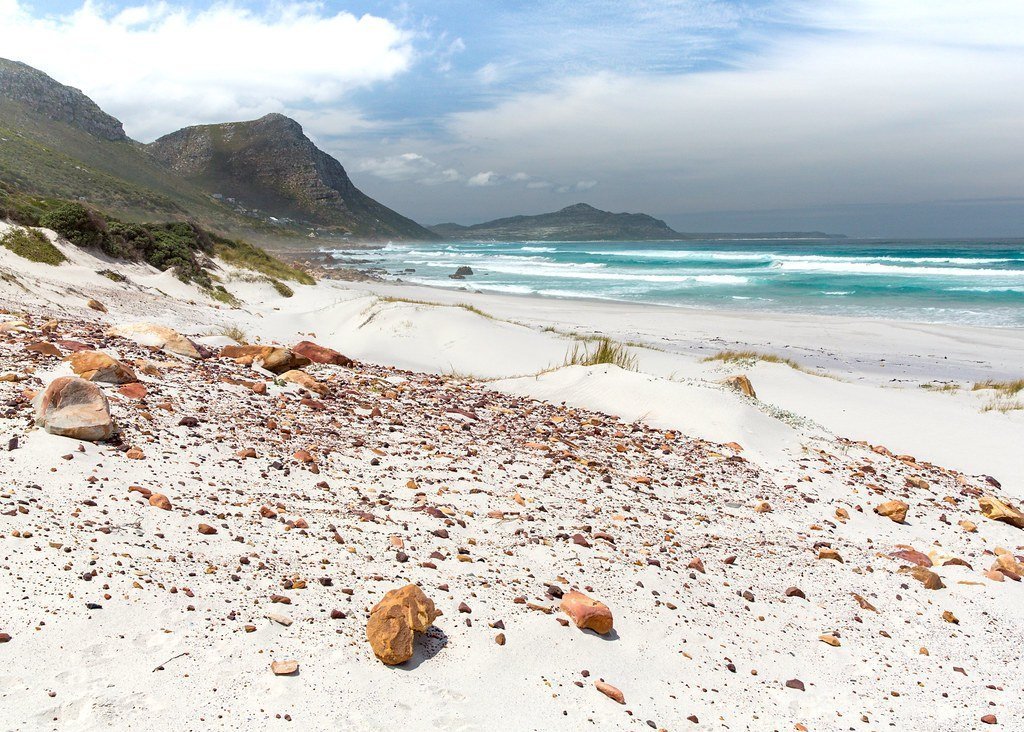
If 2025 felt like a breakout year for Cape Town, 2026 appears set to push things even further. The early signs for 2026 are promising, with Cape Town maintaining its momentum and attracting more tourists, thanks to successful campaigns, robust partnerships, and a strong brand.
The 2025/2026 cruise season officially kicked off with the arrival of MS The World, one of more than 70 vessels scheduled to call at Cape Town in the coming year. The ships keep coming, and so do the visitors.
The Cape Town Marathon is also aiming to gain official ‘Major’ status alongside the likes of New York, Boston, and London. If that happens, the global sports tourism market will add yet another powerful reason for travelers to book a flight to the Mother City.
Sustainable tourism initiatives are also being introduced to protect Cape Town’s natural beauty while allowing visitors to enjoy its unique attractions, including promoting eco-friendly accommodation options and encouraging responsible tourism practices.
The city isn’t just growing. It’s growing thoughtfully.
Conclusion: The Mother City Isn’t Just a Destination Anymore
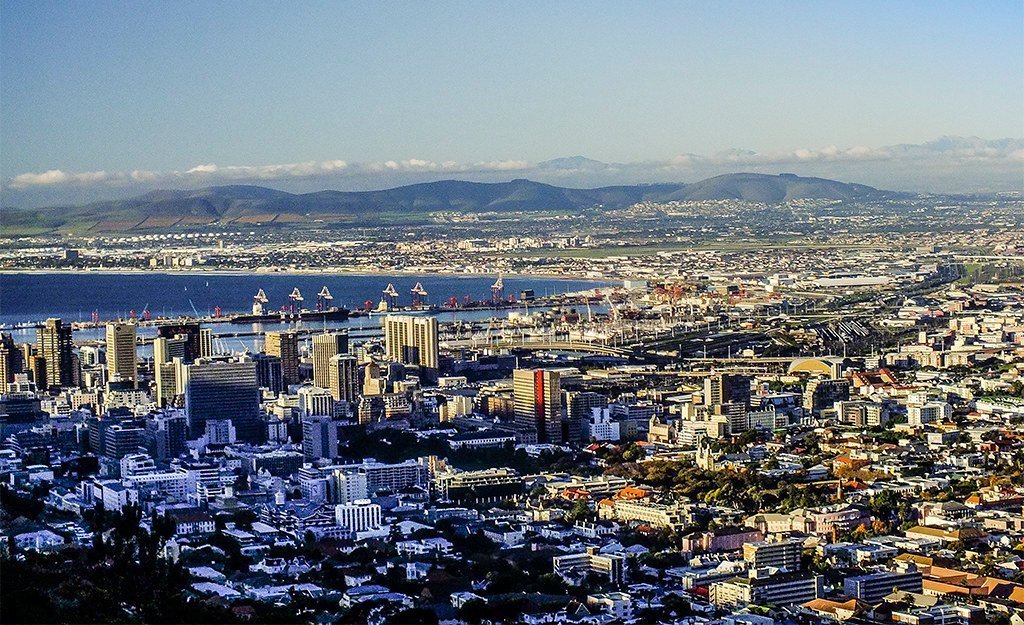
Cape Town has moved beyond being a beautiful place on a map. It has become a global benchmark for what a city can be. World-class nature. Extraordinary food and wine. A booming economy. A cultural heartbeat that pulses day and night. All wrapped inside one of the most photogenic settings on the planet.
The people visiting now are not all tourists in the traditional sense. Some come for business events. Some come off cruise ships. Some come chasing the winelands. Others arrive simply because every magazine and travel poll on earth keeps pointing them toward the same coordinates.
The real question isn’t why so many people are going to Cape Town in 2025 and 2026. The real question is: why would you not?
What do you think – is Cape Town on your travel list yet? Share your thoughts in the comments!