
East Africa is one of those destinations that gets under your skin and stays there. From the sweeping savannahs of the Serengeti to the mist-covered mountains of Rwanda, this corner of the world offers a range of experiences that few places on earth can rival. Honestly, it can feel almost overwhelming just deciding where to begin.
Still, arriving unprepared can turn an adventure of a lifetime into a stressful ordeal. Whether you’re planning your first safari or dreaming of tracking mountain gorillas, there are some things you absolutely need to sort out before you pack a single bag. Let’s dive in.
1. The Best Time to Visit Depends Heavily on What You Want to See
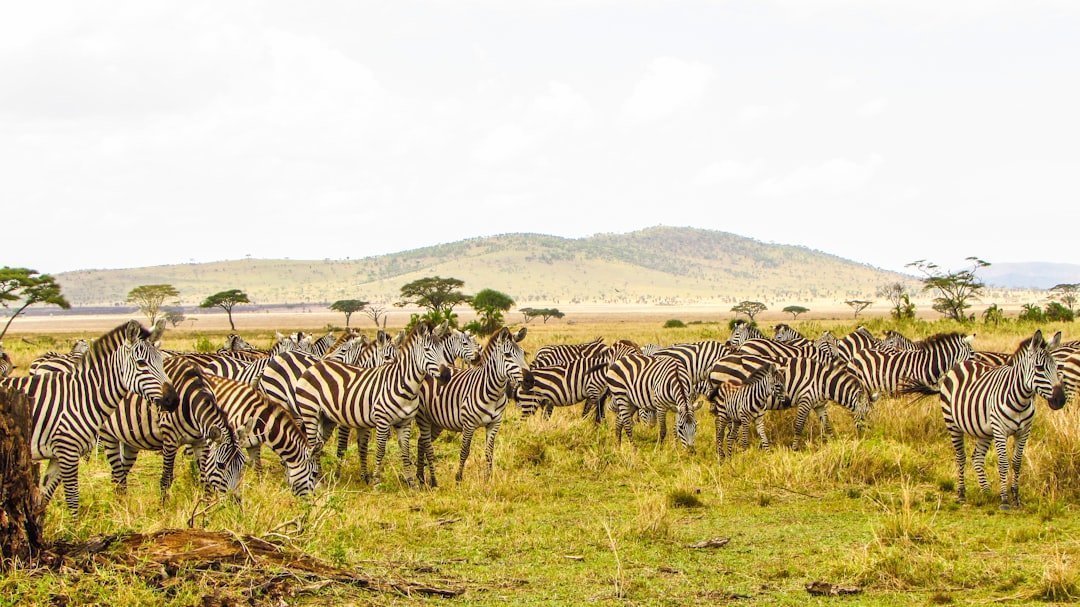
East Africa experiences two primary seasons: the dry season and the wet season. The dry season, which typically runs from June to October, offers excellent wildlife viewing opportunities as animals gather around limited water sources. However, this period also tends to be peak tourist season, meaning higher prices and more crowds.
There are actually two wet seasons to be aware of. The short rains fall in November and December, and the long rains run from mid-March to May. The rainy seasons showcase the landscape in its most vibrant hues, while also bringing fewer crowds and lower prices. Think of it this way: if you want the classic postcard safari, go dry. If you want solitude and lush green scenery, the shoulder seasons are surprisingly rewarding.
2. Visa Rules Differ by Country, So Plan Accordingly
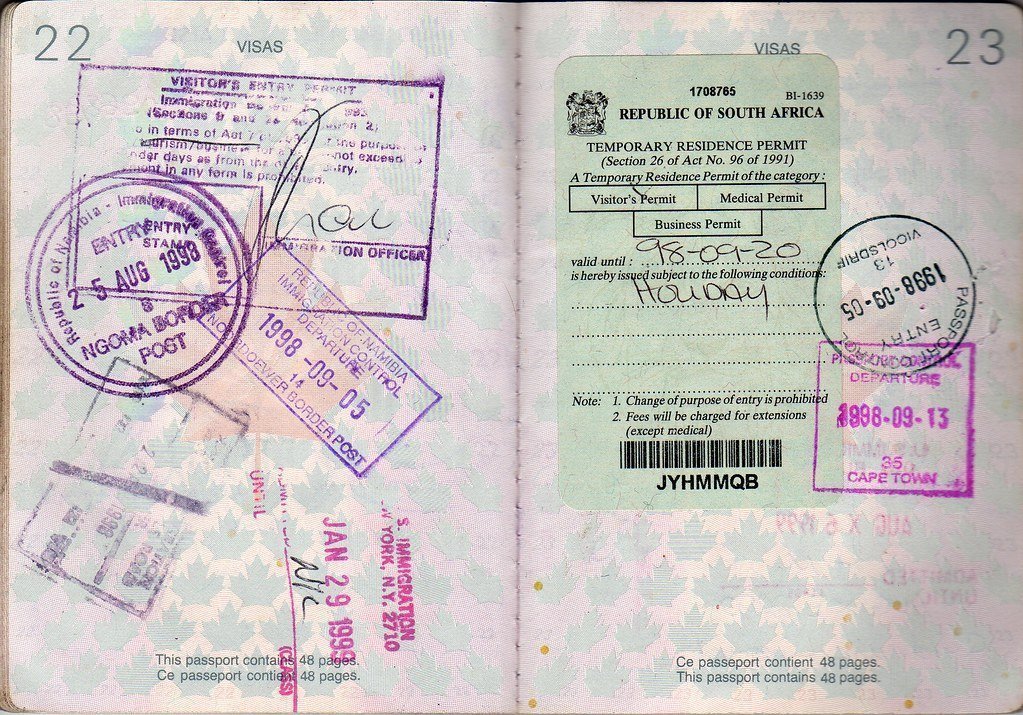
Each country in the region, including Kenya, Uganda, Tanzania, and Rwanda, has its own visa rules, health regulations, and entry policies. The region also offers a joint East African Tourist Visa that can simplify multi-country travel. This is one area where a lot of first-timers get caught off guard, so it is worth giving it serious attention early in your planning.
The East Africa Tourist Visa costs USD 100, is valid for 90 days, and is a multiple entry visa for stays within the three countries. It does not, however, cover Tanzania, Burundi, or South Sudan, so travelers visiting those countries must apply for separate visas. All travelers arriving in Kenya are required to apply for an Electronic Travel Authorisation online prior to departure. Always double-check the latest requirements before you book your flights.
3. Vaccinations and Health Prep Are Non-Negotiable

Yellow fever is the most commonly required vaccine for travelers to Africa. Hepatitis A, typhoid, tetanus, and malaria protection are often strongly recommended. You should start vaccine planning four to six weeks before your trip to avoid delays, missed doses, or rush fees. Getting this wrong can mean being turned away at the border, so do not leave this until the last minute.
Malaria is one of the most common diseases in Africa, but is easily preventable and treatable with antimalarial medication. Visit your doctor to get advice about whether you should take antimalarial prophylactics as soon as you know when and where you will be travelling. If gorilla trekking is on your itinerary, be aware that you must be in optimum health before your trek, as gorillas are hyper vulnerable to human diseases and a common cold can be fatal to them.
4. Safari Costs Range Wildly, Know What You’re Getting Into
Daily safari costs in East Africa vary considerably. Budget safaris range from roughly $150 to $400 per day, including shared accommodation, simple meals, and group game drives. Mid-range options run $500 to $1,000 per day, with private tents or more comfortable lodges and guided game drives. Luxury safaris can cost $1,000 to $3,000 or more per day, offering private guides, night game drives, and gourmet dining.
Let’s be real: this is not a cheap destination if you want to do it properly. A budget group safari may cost roughly $2,000 to $3,000 per person, while luxury fly-in tours can exceed $7,000. Gorilla permits are an extra cost on top of that, ranging from $700 to $1,500 depending on the country. All-inclusive packages often provide better value than pay-as-you-go itineraries, since bundling accommodation, meals, transfers, game drives, and park fees eliminates most surprise expenses.
5. Gorilla Permits Sell Out Fast, Book Early
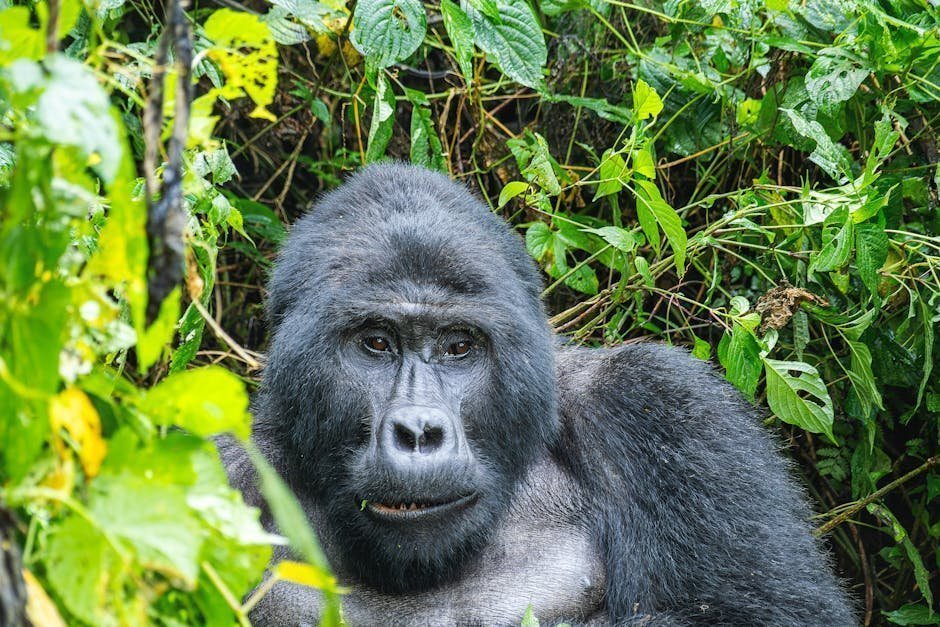
Whether you dream of witnessing the Great Migration in the Serengeti, tracking gorillas in Bwindi, or photographing elephants beneath Mount Kilimanjaro, planning well in advance is essential for securing your preferred experiences. Gorilla trekking in Uganda and Rwanda is one of the most unforgettable things a traveler can do on this planet, but demand is fierce and supply is limited by conservation rules.
Gorilla trekking permits in Bwindi or Mgahinga sell out fast, so apply early and align your visa accordingly. Trek slots are non-refundable and non-transferrable, so look after your health and address even the smallest health issue before you go. Missing out because you waited too long is a heartbreak that is entirely avoidable with a bit of forward planning.
6. The Dry Season Is Peak Season, Timing Affects Both Price and Crowds
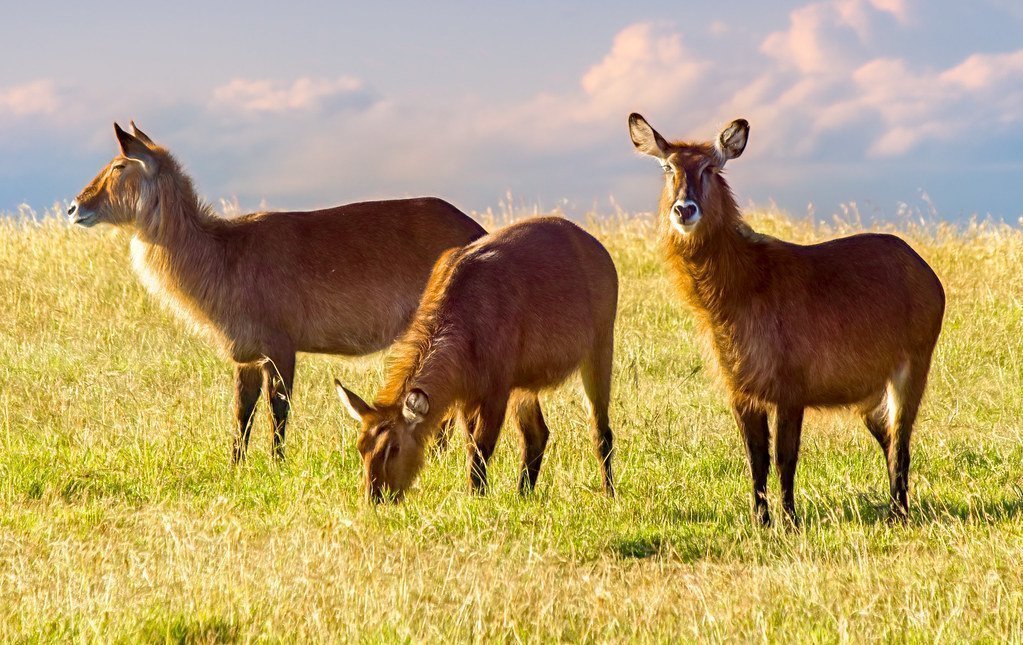
The long, dry season usually lasts from July to October and this is the best time to visit safari spots like the Serengeti and the Masai Mara. Wildlife viewing during this window is at its most spectacular, as animals concentrate around scarce water sources. Think of a crowded watering hole as nature’s greatest drama playing out on a stage you get front-row seats to.
Wet season safaris offer fewer crowds, lower prices, and lush scenery, but sometimes make it harder to spot animals. Safaris in April, May, or November can offer lower rates and fewer tourists with beautiful, lush landscapes. Although wildlife is more scattered, it can still be an excellent time to visit. If money or crowd-avoidance is a priority for you, the shoulder seasons deserve a serious look.
7. Cash Is King, Especially Outside Cities
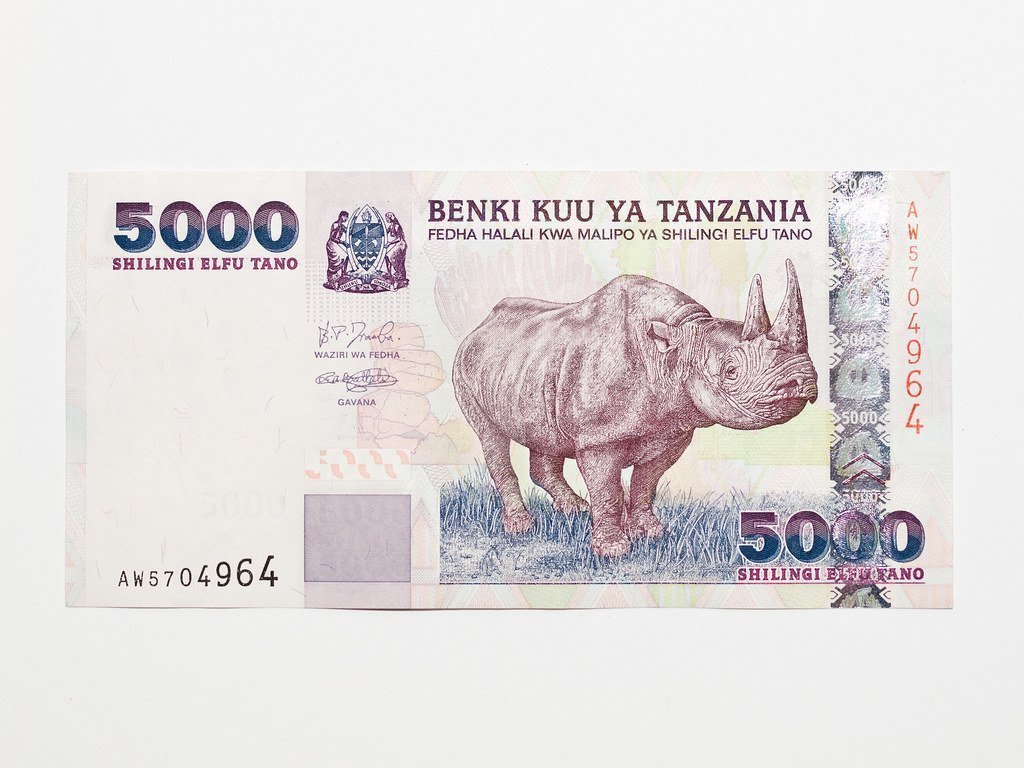
The Tanzanian currency is the Tanzanian Shilling, yet tourism-related costs including safari packages, park fees, accommodation, and tipping guides are typically paid in US dollars. Debit cards are not guaranteed to work in Tanzania, though it is good practice to notify your bank that you plan to use your card there. Always carry cash, as card machines may not work during power cuts or other interruptions.
In East Africa, the US dollar is widely accepted. However, local currency in smaller denominations is preferred by porters and service staff, since exchanging foreign currency may not be easy for people working with smaller amounts and will incur exchange fees. It is advisable to change a small amount of money into local currency and ask for it in small denominations. Try to avoid $100 bills or notes older than 2006, as both of these can be problematic.
8. Tipping Is a Meaningful Part of Safari Culture

Tipping in East Africa when on safari is considered customary, but not mandatory. It is a way of showing your appreciation for the people who work to make your safari experience an unforgettable one. Many safari staff have to travel long distances to work, which is expensive. Some staff stay on the premises semi-permanently, spending long periods away from their families and homes. Most staff are supporting their extended families and don’t keep all the money they earn.
A general guideline for tipping your safari guide is roughly $15 to $20 per day per guide, with the cost split equally between the members of the group. In safari camps and lodges, you will normally find a gratuity box where anything left will be distributed to all members of the general camp staff. A suggested amount is around $10 to $20 per person per day. Carry smaller bills. Handing over a $100 note and expecting change is an awkward situation nobody wants.
9. Safety Varies by Region, Research Carefully
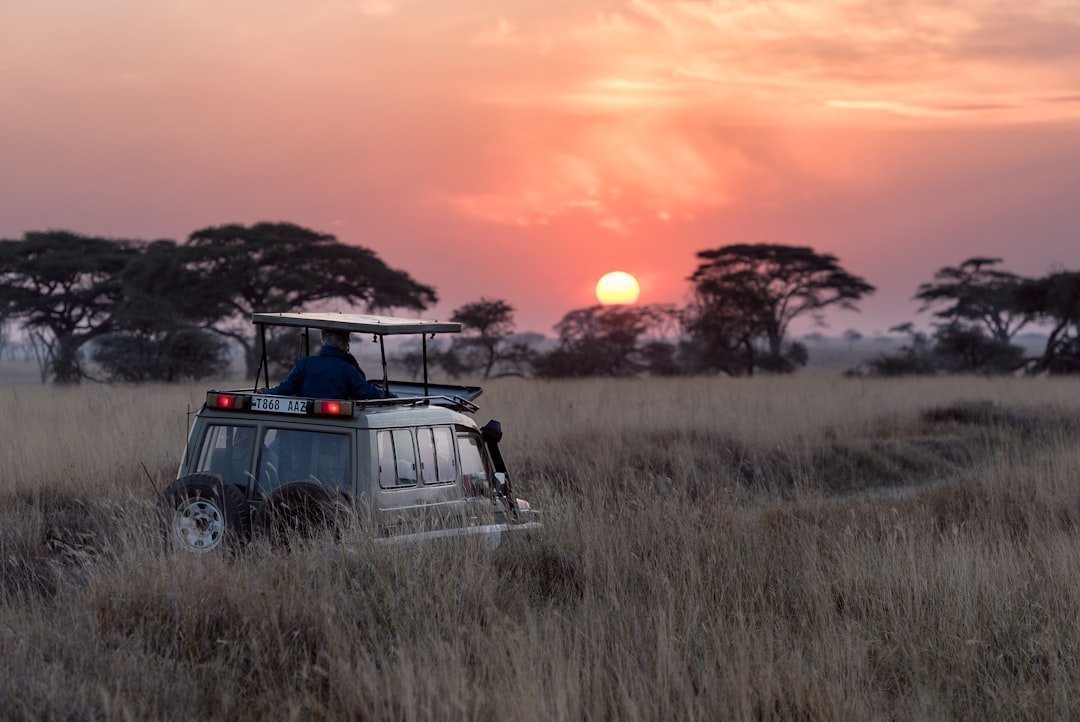
In 2025 and into 2026, countries like Tanzania and Rwanda are consistently ranked among the safest on the continent, with enhanced security in popular tourist areas. Kenya and Uganda also offer safe travel experiences, though vigilance is advised in specific urban and border regions. It is hard to say for sure how conditions will evolve in every area, so always check your government’s latest travel advisory before you go.
Petty crime such as pickpocketing and bag snatching can occur, especially in crowded markets or bus stations. Violent crime is rare for tourists but not unheard of. Avoiding walking alone at night and using reputable transport are two of the most effective precautions you can take. Using reputable tour operators also contributes significantly to a safe and enjoyable journey.
10. Plan Your Safari Duration Thoughtfully
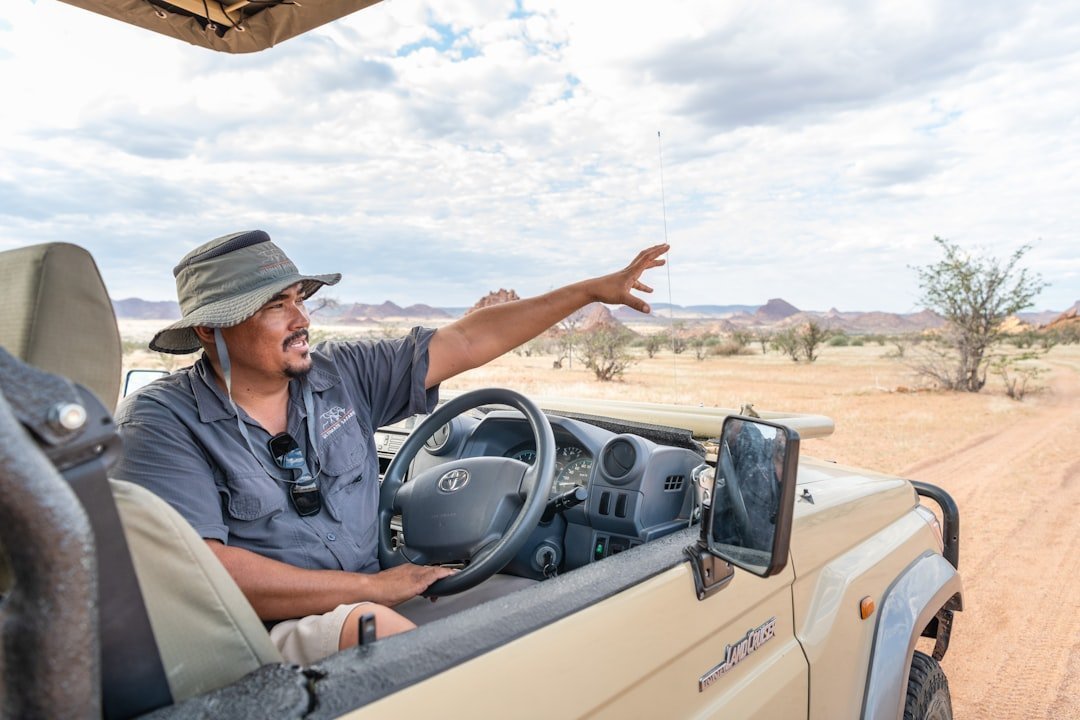
A common mistake is underestimating how much time you will want on safari. A single game drive might not show you much, while the next could be full of lions and elephants. On the other hand, waking up before dawn and sitting in a dusty jeep for days is not everyone’s idea of a dream vacation. Knowing yourself as a traveler is half the battle here.
Experts generally suggest a minimum of two to three nights per major national park. An ideal safari duration is five to seven days, split between two or a maximum of three different parks or lodges for variety. Resist the temptation to do too many countries in one trip. It is consistently better to spend quality time in one or two parks than to rush across half the continent. East Africa rewards those who slow down. The magic rarely happens when you are in a hurry.
East Africa is a destination that will challenge you, astonish you, and leave you wanting to return before you have even landed back home. With the right preparation covering visas, health, budget, and timing, the logistics fade into the background and what remains is pure, unforgettable experience. What part of East Africa are you most excited to explore? Drop your thoughts in the comments below.