
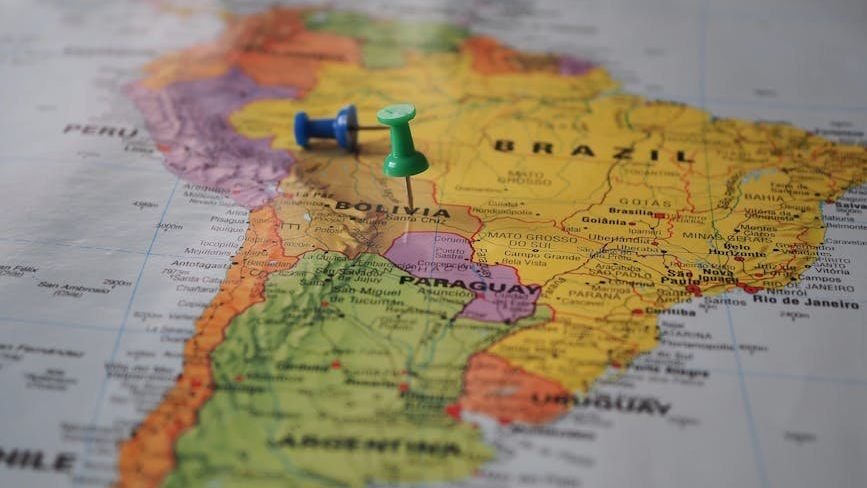
South America is, without question, one of the most breathtaking travel regions on the planet. From the sweeping Patagonian glaciers to the electric energy of Cartagena’s walled old city, the continent keeps pulling people back. Yet for many travelers, a quiet question lingers before booking: is it actually safe?
Here’s the honest truth – the answer is complicated, nuanced, and far more encouraging than most headlines suggest. Safety across South America varies wildly by country, city, neighborhood, and even time of day. What follows is a destination-by-destination, protocol-by-protocol breakdown of what you genuinely need to know in 2026. Let’s dive in.
Understanding the Safety Landscape: What the Data Actually Says
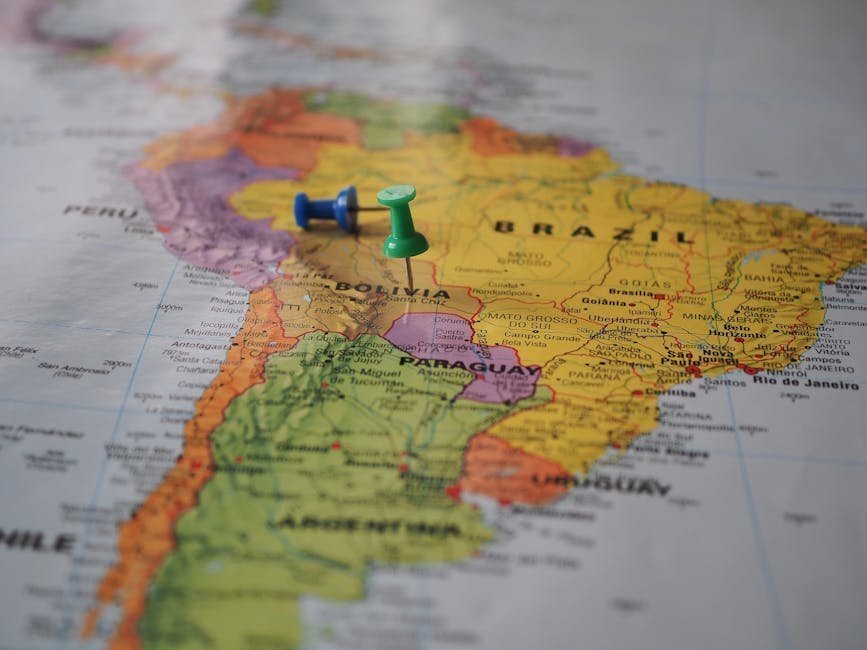
According to the Institute for Economics and Peace, South America was the only region in the world to record an improvement in peace in 2024, with overall peacefulness rising by 0.59%. That’s a remarkable headline that almost nobody talks about. Eight out of eleven countries improved their ranking. Think about that for a second – a whole continent quietly getting safer while the reputation stays frozen in the past.
Safety across South America varies significantly from one country to another, influenced by different factors like political stability, crime rates, and local laws. Generally, higher crime rates do not directly affect tourist safety because it depends on the nature of the crimes most prevalent in the country in question. For example, a country could have problems with white-collar crimes, which don’t directly threaten or affect tourists. So reading crime indexes alone can actually mislead you.
The Safest Destinations: Argentina, Uruguay, and Chile Lead the Way
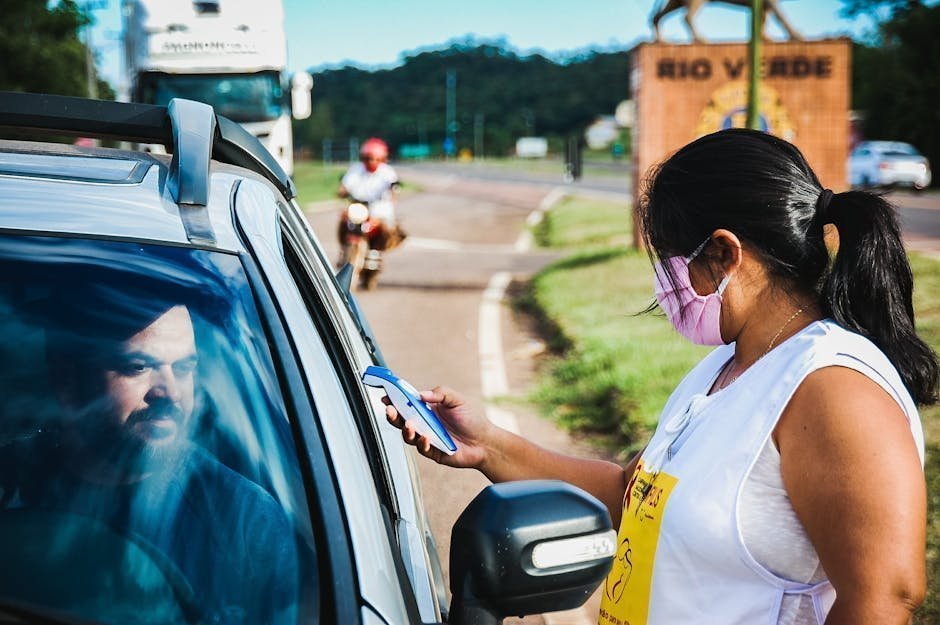
Argentina is ranked 46th in the 2025 Global Peace Index and is considered the safest South American country, having increased in the rankings by 5 places since 2024 to overtake Uruguay. Notably, Argentina, Paraguay, and Suriname hold Level 1 U.S. State Department travel advisories – the same classification as popular destinations like Canada, Singapore, and many European countries. That’s a comparison that genuinely surprises most people.
Political stability, strong rule of law, and minimal violent crime have made Uruguay a model of peace for decades. Unlike other Latin nations, it has kept drug cartels largely at bay. Tourist hotspots like Colonia del Sacramento and Punta del Este are considered exceptionally safe. Chile stands out for its economic stability in the region, which correlates with its lower crime rates compared to neighbors. This stability has allowed for significant investment in infrastructure, contributing to safer travel conditions within the country.
Colombia and Peru: High Reward, Higher Awareness Required
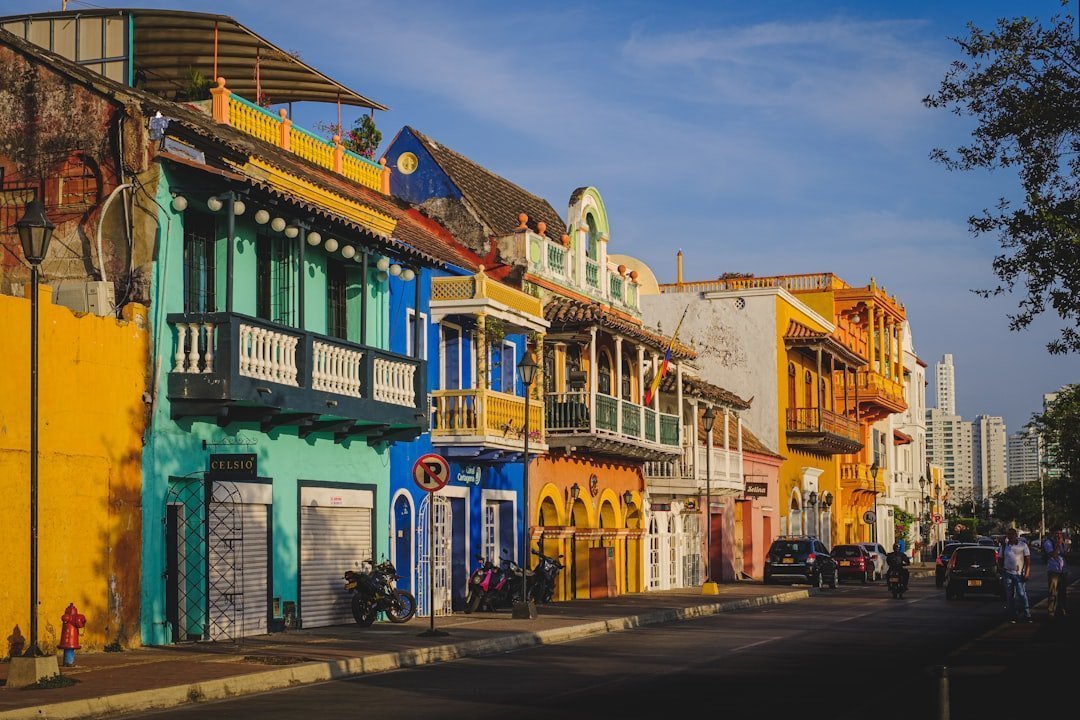
Colombia has undergone one of the most remarkable safety transformations of any country in the world. Medellín, once synonymous with cartel violence, is now a thriving tech hub and digital nomad destination. Bogotá’s historic La Candelaria district, Cartagena’s walled old town, and the coffee region around Salento are all well-trodden tourist areas that feel genuinely safe during the day. Still, let’s be real – Colombia demands respect and situational awareness.
Colombia still requires more awareness than Uruguay or Chile. The country has significant income inequality, and opportunistic crime targeting tourists does happen – particularly in nightlife areas where drink spiking with scopolamine, known locally as “burundanga,” remains a real risk. In late 2022, protests in Peru saw Machu Picchu closed and many parts of the country inaccessible. It has since been climbing the ranks back up the list, moving up 14 places to 96 in 2025.
Countries That Require Serious Caution: Ecuador, Venezuela, and Beyond
The 2025 Global Peace Index ranks Ecuador as 129th worldwide – up one place from 2024, but down from 79 in 2023 due to an increasing drug trade and gang violence. Despite these threats, certain regions like Cuenca or the Galapagos remain relatively tranquil. So it’s not a blanket situation – it’s about choosing where within Ecuador you go.
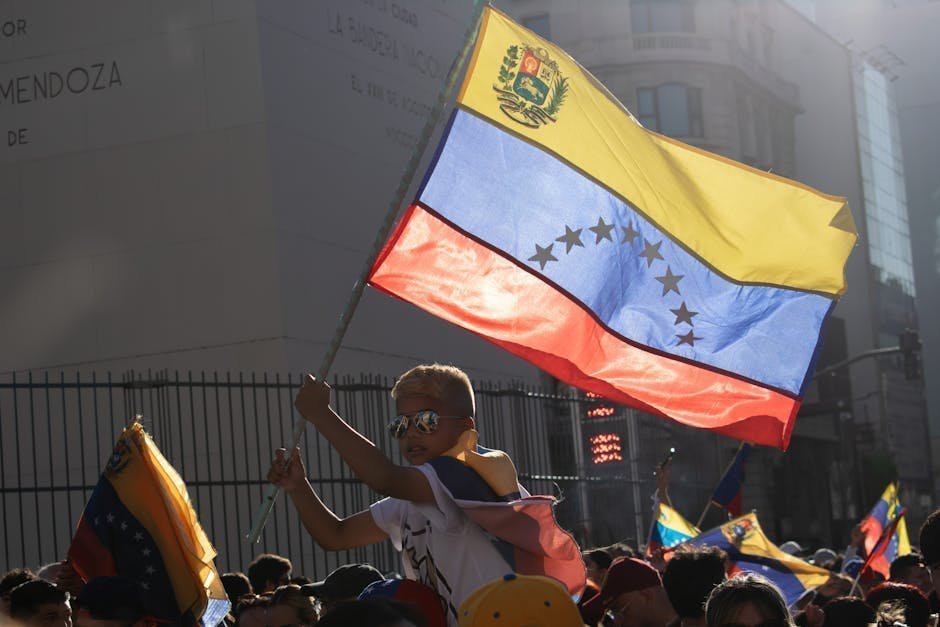
Countries under a Level 4 “Do Not Travel” designation include Haiti and Venezuela. Venezuela remains on the list because of serious risks, including wrongful detentions, terrorism, kidnapping, civil unrest, and inadequate health care infrastructure. The Colombian government has also declared a state of emergency due to increased violence in the Catatumbo region, adjacent to the Venezuelan border. There may be increased military presence and movement restrictions in the area. These are not places to test your luck.
Petty Crime, Scams, and Everyday Street Safety
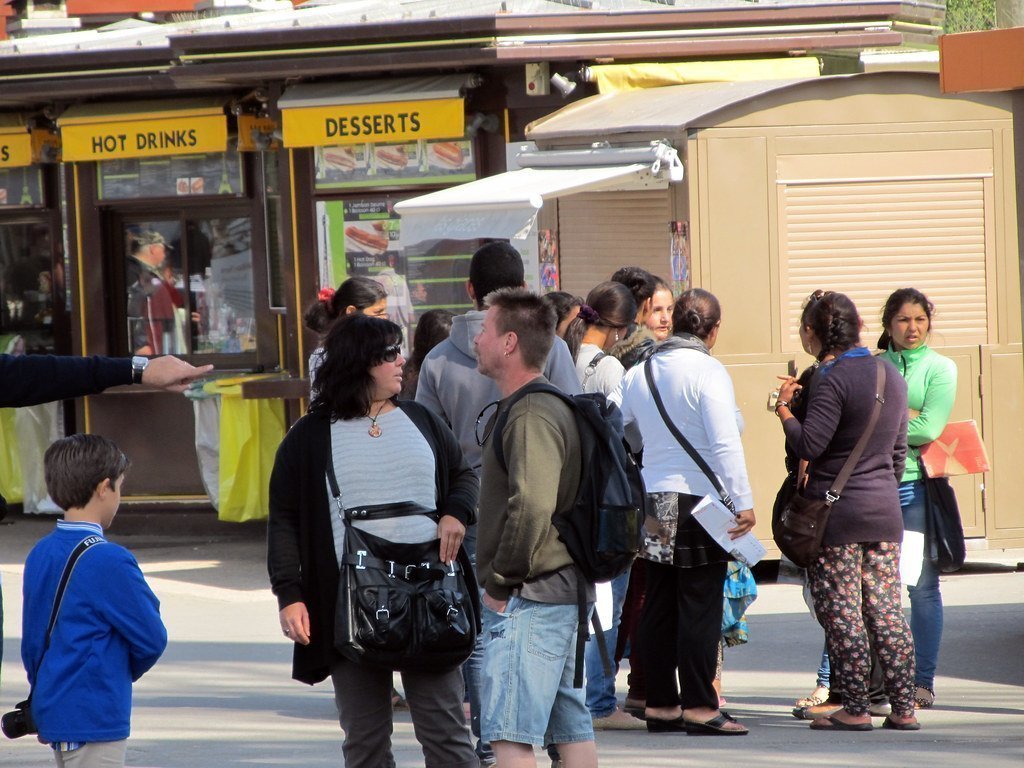
Petty crime targeting tourists remains the primary concern across the continent, with pickpocketing, phone theft, and opportunistic robbery being more common than violent crime. Cities like Buenos Aires, Santiago, and Montevideo experience these issues similarly to major European capitals, requiring the same basic precautions. Honestly, it’s not much different from navigating Rome or Barcelona at peak tourist season.
The crimes most frequently reported by tourists in South America are robbery and pickpocketing. Therefore, the more cautious you are with your belongings, valuables, documentation, and money, the less likely you are to be targeted by thieves. Keep a low profile: avoid displaying signs of wealth, such as wearing expensive jewelry or carrying high-end electronic devices in public, to not attract attention. Simple rules, massive difference.
Getting Around Safely: Transportation Protocols That Actually Matter

Having reliable mobile data is not just a convenience in South America – it is a genuine safety tool. Ride-hailing apps like Uber, DiDi, Cabify, and InDriver are available across most major South American cities. They are tracked, cashless, and far safer than street taxis. Think of them the same way you’d think of a seatbelt – non-negotiable.
Use trusted transportation and avoid informal taxis. In major cities, opt for official taxis or reputable ride-hailing apps rather than unlicensed street cabs. This is especially important at night or in unfamiliar neighborhoods. Safety concerns on public transportation have boosted the popularity of ride-hailing services, which offer features like GPS tracking and price transparency. The technology is there – use it.
Health Safety and Vaccinations: A Priority Before You Board
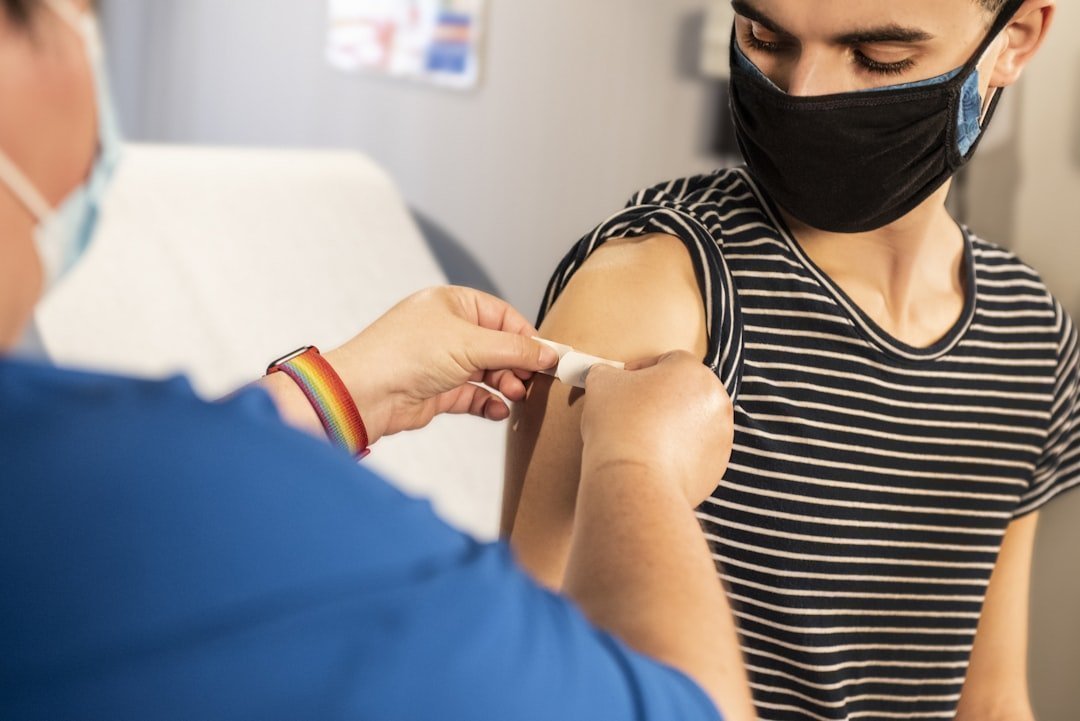
The CDC and WHO recommend the following vaccinations for travelers to Central and South America: hepatitis A, hepatitis B, typhoid, cholera, yellow fever, and rabies. Yellow fever vaccination is mandatory for entry into several South American countries, including Bolivia, Venezuela, Guyana, Suriname, and parts of Brazil. Some countries, like Argentina and Paraguay, may also require proof of vaccination if you’ve recently travelled to or transited through a yellow fever risk area.
In just the first three months of 2025, 131 cases and 53 related fatalities from yellow fever were reported in the Americas – more than double the total for all of 2024. Brazil, Colombia, and Peru have been the most impacted countries. Particularly concerning are new cases reported since October 2024 in Colombia’s Tolima department, indicating the virus is appearing in areas not previously affected. Dengue and Zika are present in most countries in the region. Unfortunately, there is no vaccination or medication to prevent these infections. Make sure to bring and use mosquito repellent and netting.
Digital Safety and Communication Protocols on the Road
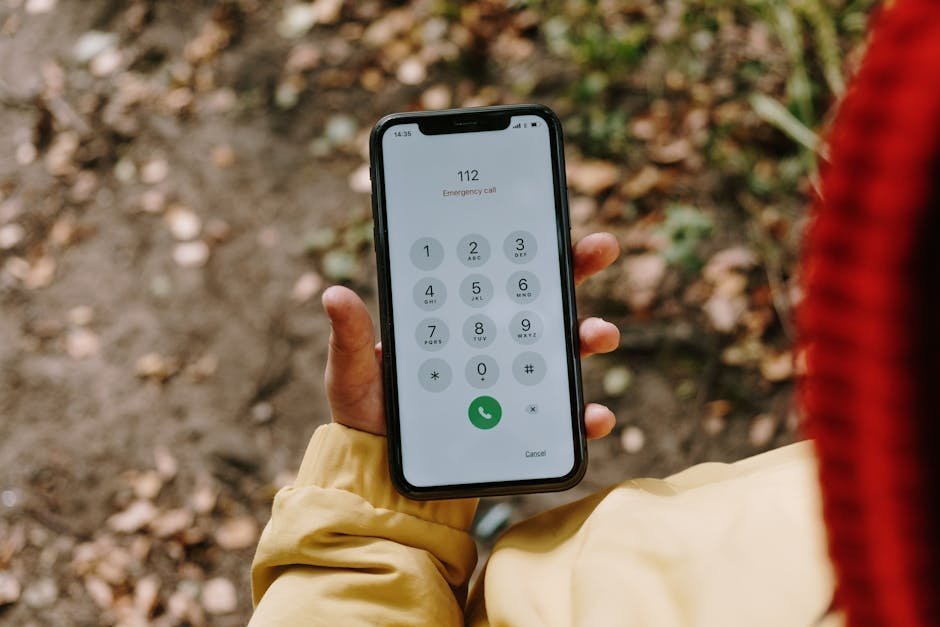
Digital security requires attention given the prevalence of phone theft. Cloud backup for important documents, photos, and contact information prevents total loss, while password protection and remote wipe capabilities limit damage from theft. Think of your phone as both your greatest travel tool and your most vulnerable possession. Guard it accordingly.
GPS navigation and offline maps prevent dangerous situations caused by getting lost. Downloading maps before traveling to areas with poor connectivity ensures navigation capability even without internet access. Establishing check-in protocols with family or friends provides safety nets for solo travelers. These habits cost nothing and could genuinely save you from a bad situation in a remote area.
Working with Local Safety Infrastructure and Embassy Support
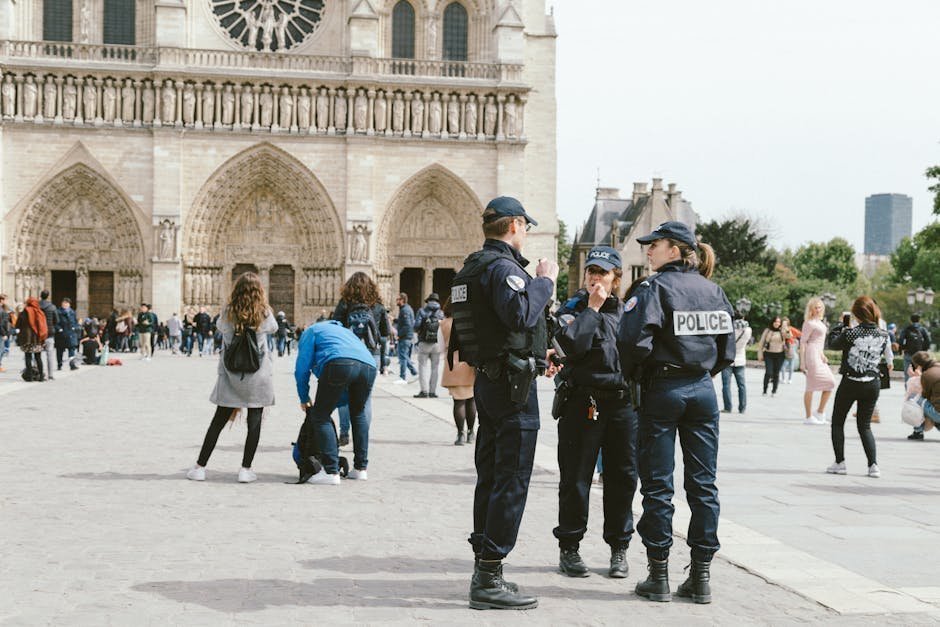
In Colombia, the government has implemented special “tourist police” units in major cities like Bogotá and Cartagena. These units focus on areas with high tourist traffic, aiming to enhance safety and assist visitors with any issues they may encounter. Similarly, Peru has tourism police departments that specialize in helping tourists, particularly in popular destinations like Lima and Cusco. Knowing these resources exist before you need them is half the battle.
Register your itinerary with your country’s consular service. Pre-travel briefings offer comprehensive safety information, including emergency response strategies and contact information for local embassies or consulates. Buy travel insurance that covers medical emergencies, theft, or cancellations. This combination of local police awareness, embassy registration, and solid insurance is the trifecta of smart travel preparation – and it’s astonishing how many people skip all three.
Timing Your Visit and Staying Informed in Real Time
Seasonal timing affects safety considerably, with shoulder seasons offering optimal weather conditions and manageable tourist crowds. Countries with stable governments and less corruption tend to have better security and lower crime rates. Travelers should stay updated on current political climates, especially regarding any recent changes that might affect security, such as upcoming elections. An election cycle in a politically charged country can turn a quiet city tense almost overnight.
Check travel advisories and local news before and during your trip to stay updated on political stability, civil unrest, or natural disasters. In some Latin American countries, protests may sometimes disrupt transportation or prohibit access to certain areas. Traveling informed is traveling safely, and it’s the best guarantee to fully experience the wonders that South America has to offer. A quick check of your government’s advisory page the morning of a planned outing takes two minutes and could save you hours of trouble – or worse.