
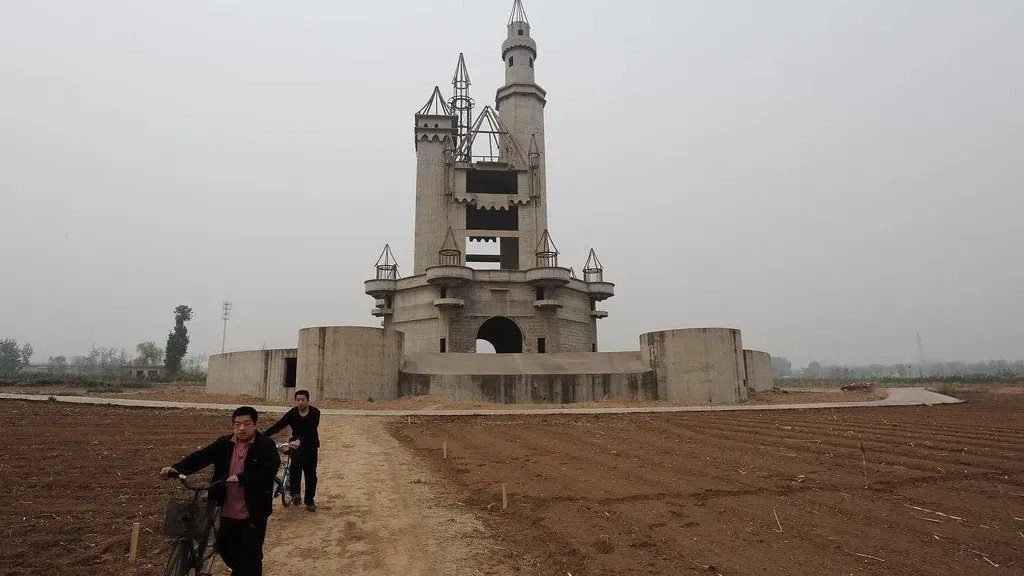
Imagine glamorous beaches packed with celebrities one day, then silent ruins the next. These spots drew crowds chasing sun, thrills, and luxury, only to crumble under disasters, economic shifts, or scandals. What turned the buzz into eerie quiet?
From polluted paradises to storm-ravaged parks, the stories shock. Let’s explore eight that vanished almost overnight.[1]
1. Salton Sea, California
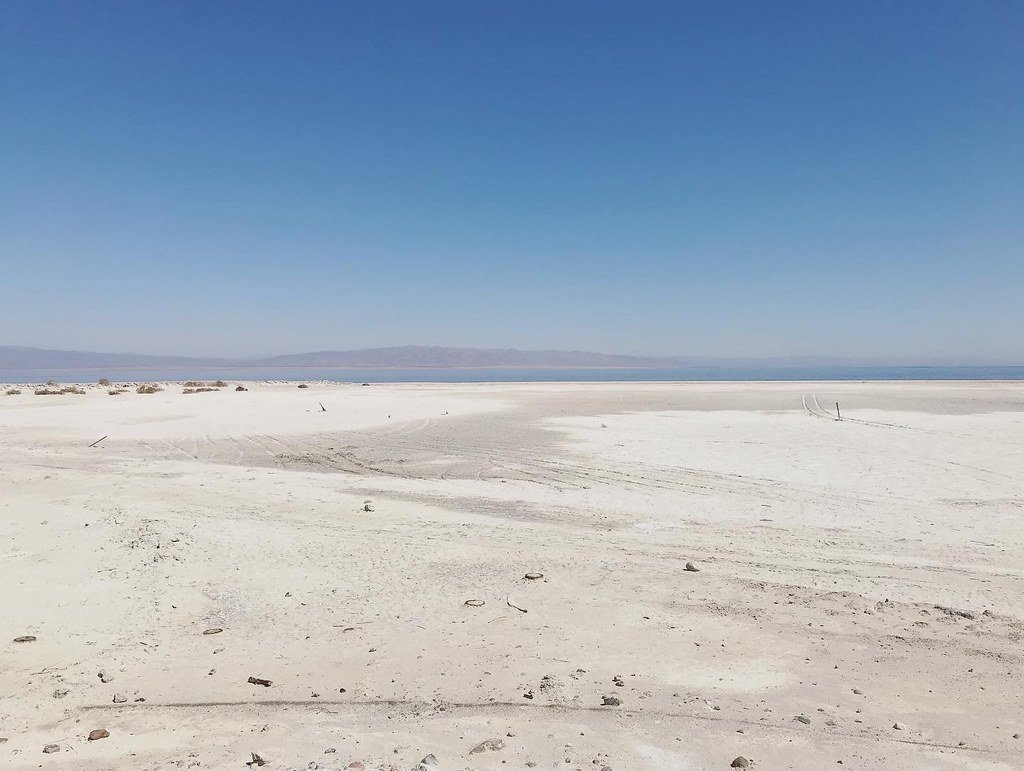
The Salton Sea exploded as a mid-century hotspot in the 1950s and 1960s. Dubbed the Salton Riviera, it lured Hollywood stars and politicians to its desert shores for boating and relaxation. Resorts, marinas, and yacht clubs popped up everywhere, promising a chic escape.[1]
Then pollution hit hard. Agricultural runoff turned the water hypersaline, killing fish and creating toxic smells that chased everyone away by the 1980s. Today, crumbling motels and empty beaches stand as relics, drawing only the curious or lithium hunters.[1]
2. Six Flags New Orleans, Louisiana
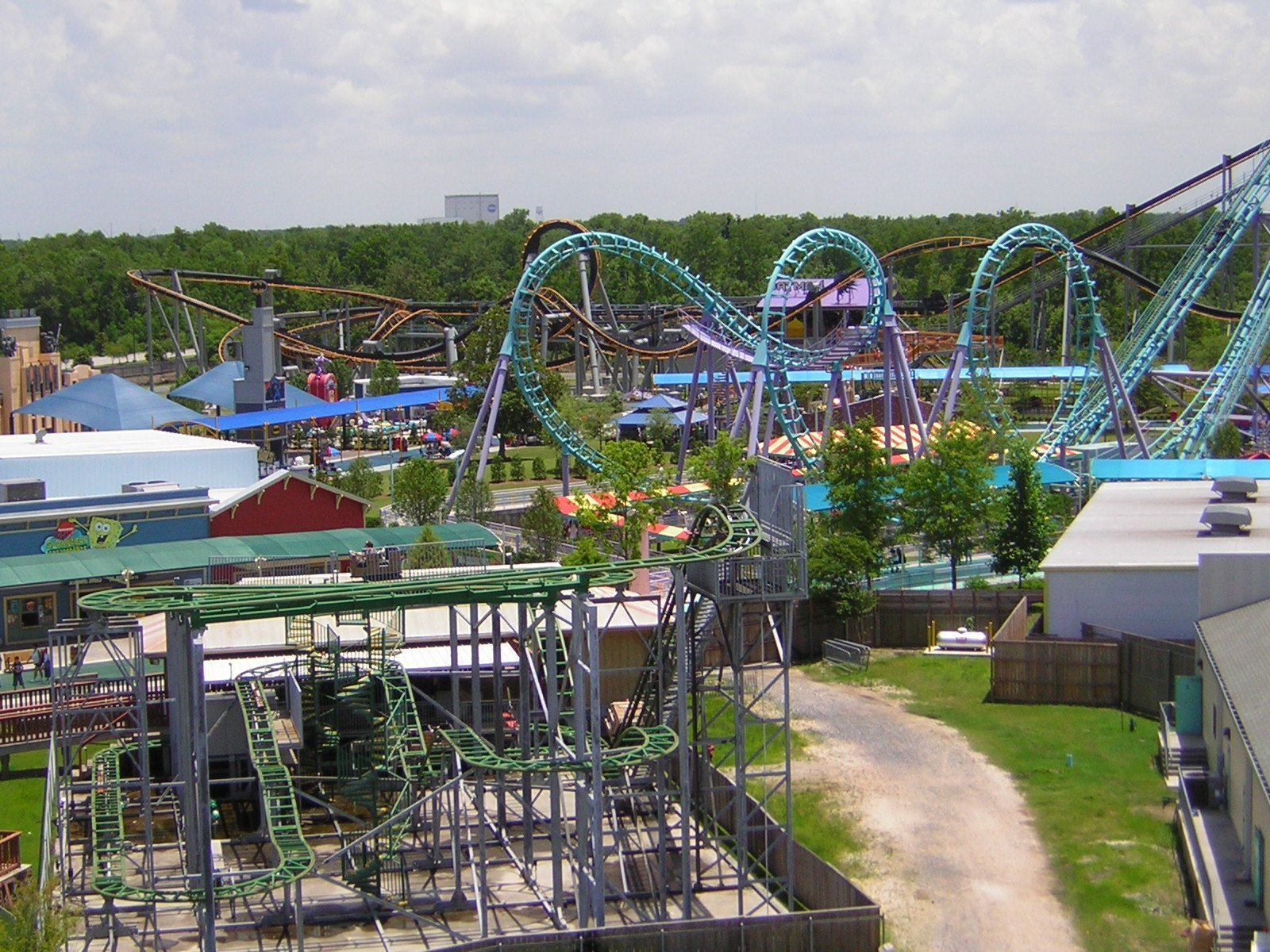
This massive theme park opened in 2000 as Jazzland and quickly became a city favorite. Roller coasters, family rides, and New Orleans flair packed the 140 acres alongside Bourbon Street vibes. It thrived for five solid years, blending thrills with local charm.[1]
Hurricane Katrina changed everything in 2005. Floodwaters swallowed the site, and it never reopened despite ownership shifts. As of 2025, vines choke rusted coasters on city-owned land, with redevelopment talks dragging on endlessly.[1]
3. Heritage USA, South Carolina
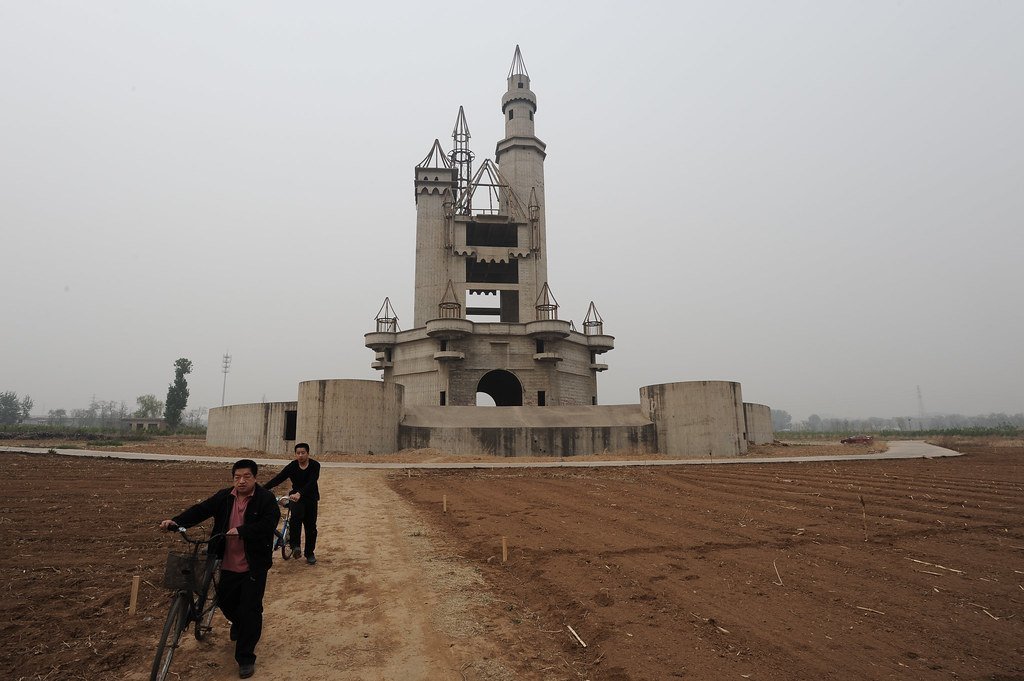
Launched in 1978 by televangelists Jim and Tammy Bakker, this Christian theme park mimicked Disneyland. Nearly six million visitors flocked yearly by 1986 to its 2,300 acres of biblical rides and shows. It felt like holy ground for families nationwide.
Scandals rocked the Bakkers, then Hurricane Hugo battered it in 1989. The park shut down, leaving towers and buildings to rot. In 2025, remnants linger amid new businesses, a post-apocalyptic shell of faith-based fun.[1]
4. Kinugawa Onsen, Japan
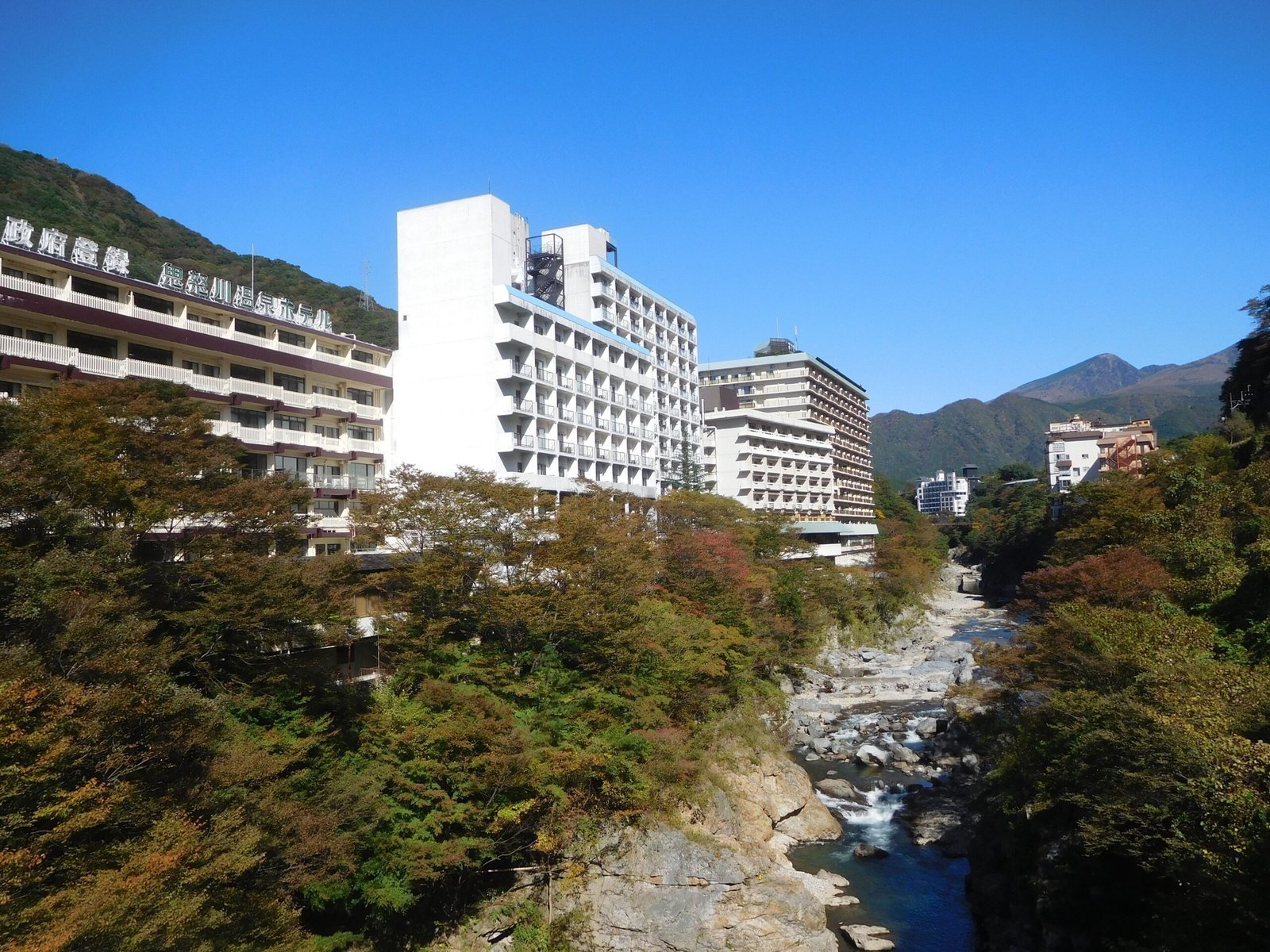
Nestled in Tochigi, this riverside resort boomed with natural hot springs drawing crowds during Japan’s economic peak. Towering hotels and baths filled with tourists seeking relaxation amid cliffs. It pulsed as a go-to getaway for decades.
The 1990s downturn killed tourism stone dead. Strict laws left empty hotels untouched, owners gone or deceased. By 2025, it’s a time capsule of decay, overgrown paths leading to frozen rooms and eerie silence.[2]
5. Spreepark Berlin, Germany
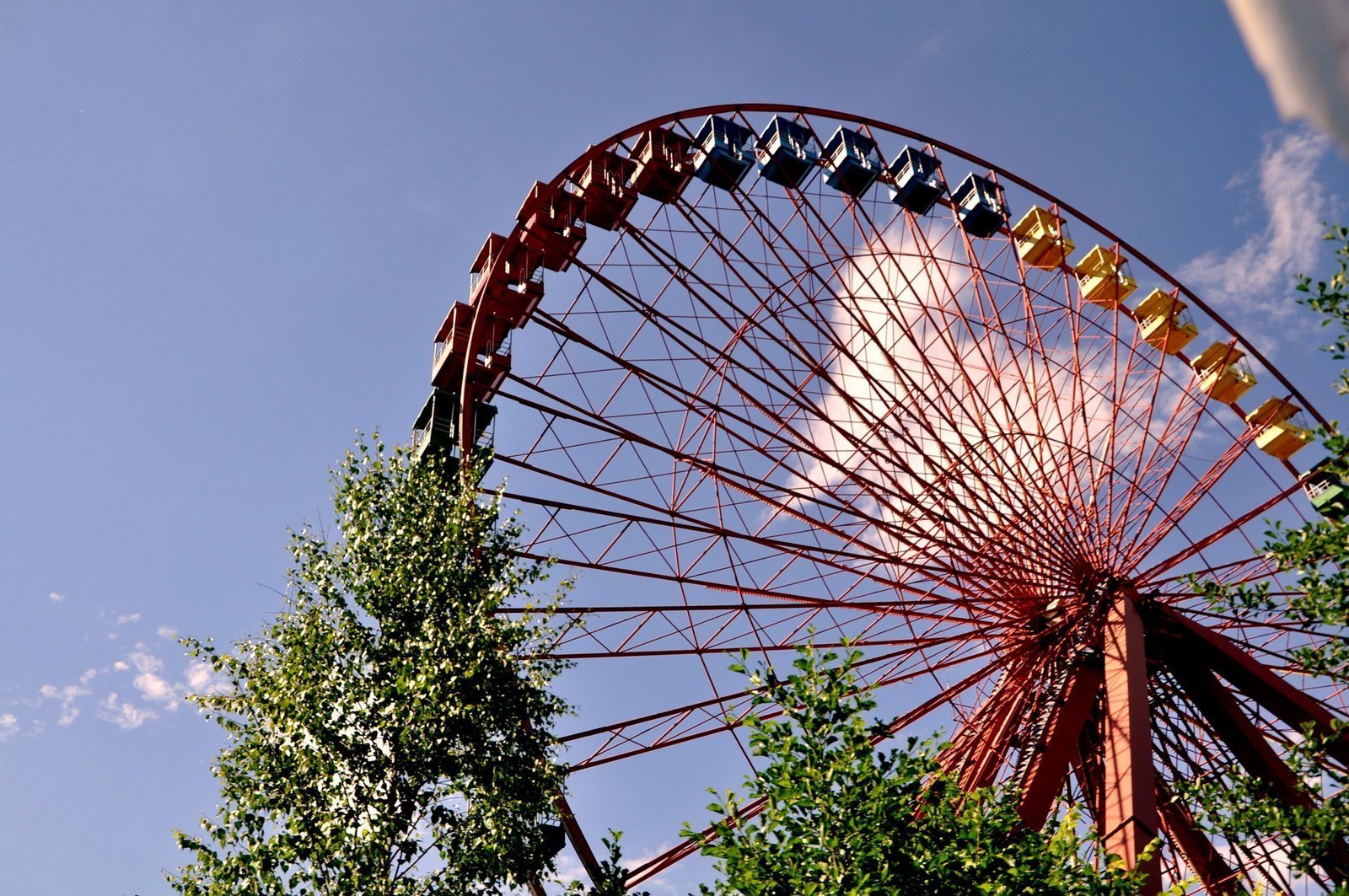
East Germany’s Kulturpark Plänterwald opened in 1969, evolving into a thrill-packed amusement park post-reunification. Dinosaurs, roller coasters, and fake English villages entertained hordes just outside Berlin. Norbert Witte’s upgrades kept the energy high into the 90s.
Dwindling crowds and Witte’s drug scandal forced closure. Nature reclaimed the Ferris wheel and coasters, turning it feral. Though 2024 saw cultural center plans, it sits overgrown and deserted in 2026.[1]
6. Villa Epecuén, Argentina
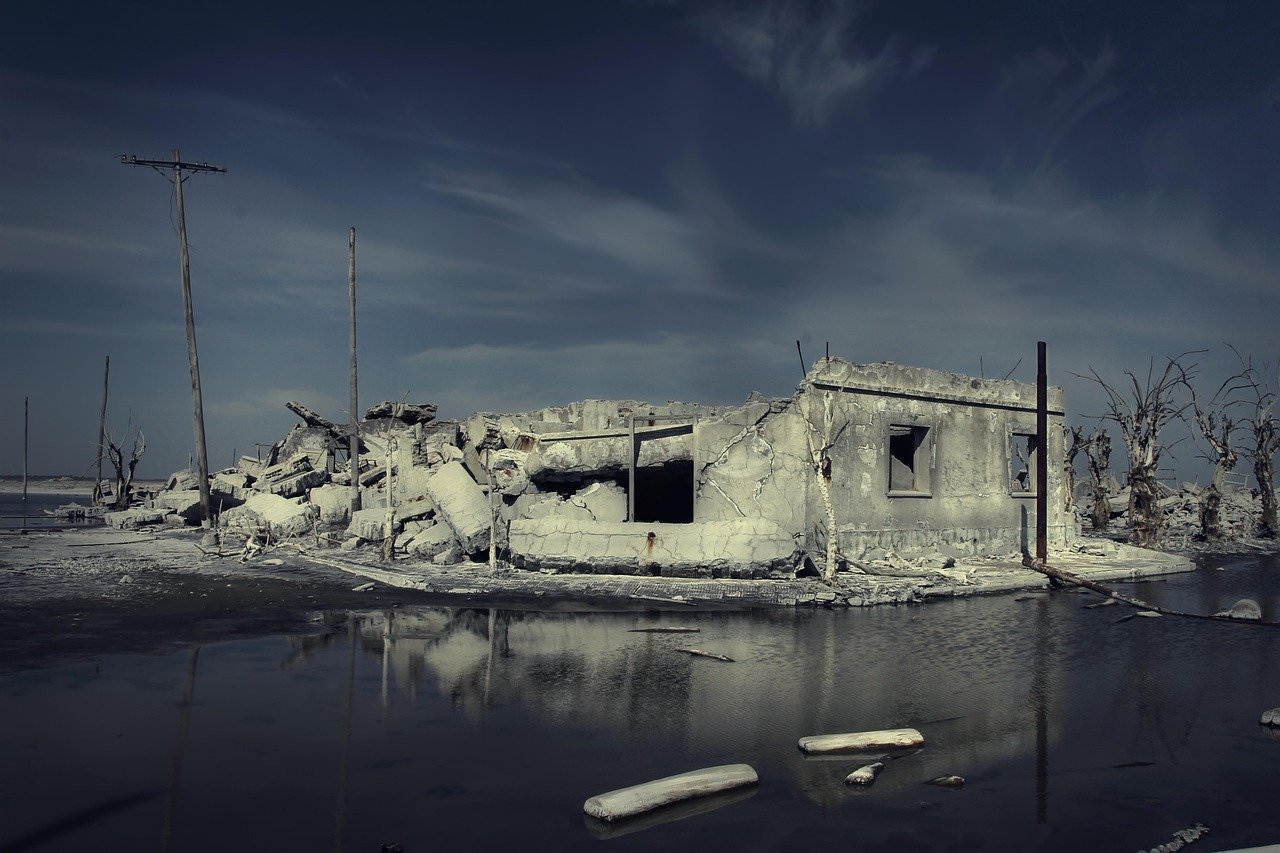
This lakeside haven shone in the 1970s and 80s thanks to therapeutic salty waters. Tourists poured in for health cures, filling hotels near Lago Epecuén. It rivaled top spa spots with its healing promise.
A brutal 1985 storm unleashed 30 feet of floodwater, burying the town. Waters receded around 2009, exposing mineral-crusted ruins. Streets and buildings stand ghostly empty, a stark warning from nature.[1]
7. Wanli UFO Village, Taiwan
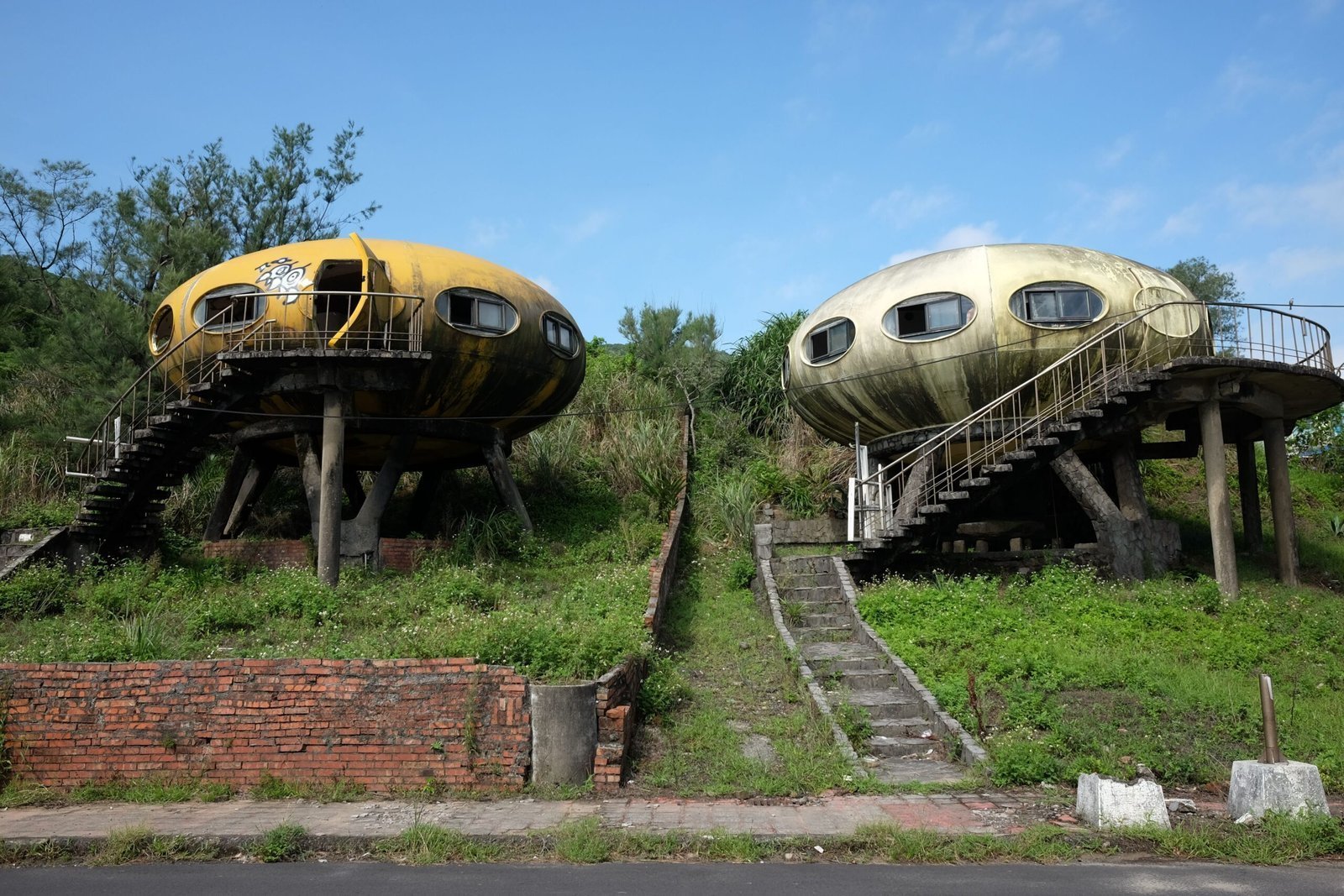
In the 1980s boom, developers built futuristic pod homes mimicking 1960s designs for vacationers. Wealthy Taiwanese and US soldiers snapped them up as quirky getaways on Wanli’s coast. It kicked off a grand resort vision with hot springs planned.
Economic slowdowns halted everything cold. Investors bailed, leaving half-built spheres to rust. Today, the unfinished pods dot the landscape like alien relics, mostly vacant save for photo ops.[1]
8. Plymouth, Montserrat
As the Caribbean island’s capital and port, Plymouth buzzed with tourists until 1997. Stars like Paul McCartney recorded at nearby Air Studios, boosting its fame. St. Patrick’s Day festivities drew crowds to this lively hub.
The Soufrière Hills volcano erupted, blanketing it in ash and pyroclastic flows. Officials declared it unlivable forever. Dubbed the Pompeii of the Caribbean, it remains off-limits, buried under volcanic waste.[1]
These faded gems remind us how fragile fame can be. One disaster or downturn, and paradise turns phantom. What hidden hotspot might vanish next in your backyard?