
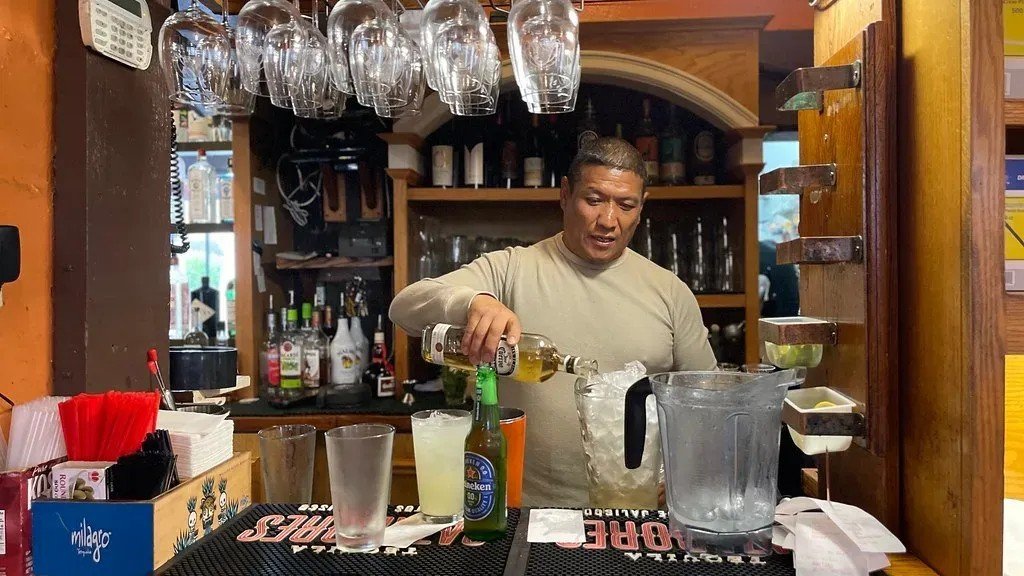
There is something almost magical about the moment you walk into a bar. The music hits you, the lighting shifts, and somewhere behind the counter, a pair of trained eyes has already started reading you. It happens fast. Faster than you think.
Behind the bar, where ice clinks and shakers rattle, something quieter but more revealing unfolds: a silent, rapid-fire assessment of human behavior. Seasoned bartenders don’t just mix drinks. They read people through years of pattern recognition, contextual awareness, and calibrated empathy. Honestly, it’s a little unsettling once you realize it’s happening. So let’s pull back the curtain.
1. How You Walk Through the Door
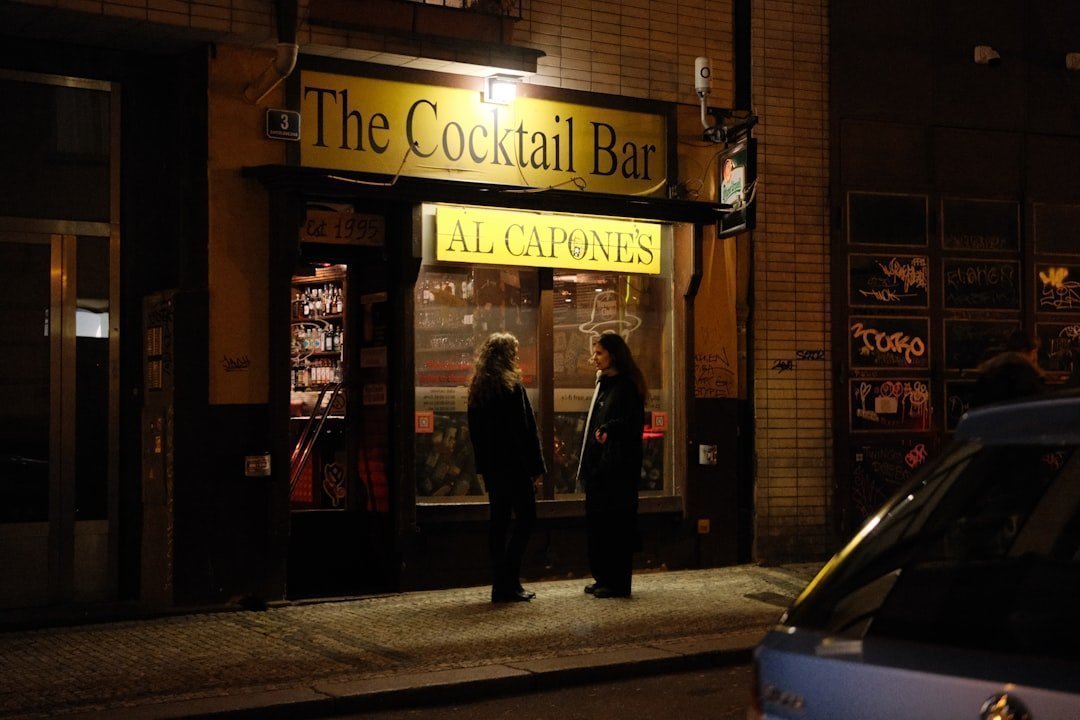
Your entrance sets the tone for everything that follows. The way someone walks up to a bar, looks around, and places an order creates a tiny snapshot of their mood and social style. Think of it like the opening line of a book. The bartender has already started forming a picture before you say a single word.
If you’re disheveled, slurring your words, or walking in a strange way, a bartender will likely offer you water or a nonalcoholic drink. On the other hand, if you walk in confidently, the bartender will feel comfortable serving you. The way you enter and your overall body language can show whether you’re comfortable and know what you want, or if you might need guidance.
In loud bars with low lighting, bartenders rely less on verbal cues than body language to determine which customers are trying to buy a drink. Your posture, your pace, even the direction your shoulders are pointing. It all gets absorbed in those first few seconds.
2. Whether You’re Already Intoxicated
One of the first things a bartender scans for is how inebriated someone is when they come in. This is not judgmental curiosity. It’s a professional obligation and, in most places, a legal one.
Difficulty in articulating words is a common sign of intoxication. Slurred speech indicates impaired motor control and coordination. The individual may struggle to form coherent sentences, and speech may be slow or difficult to understand. Stumbling, swaying, or having trouble walking often indicates impaired motor skills.
When an individual first enters an establishment, servers are expected to look, listen, and smell to determine whether or not to serve them. They may enter already intoxicated. It is the bartender’s responsibility not to over-serve patrons whether they started drinking there or not. That quiet glance as you walk in is far more purposeful than it looks.
3. Your Body Position at the Bar
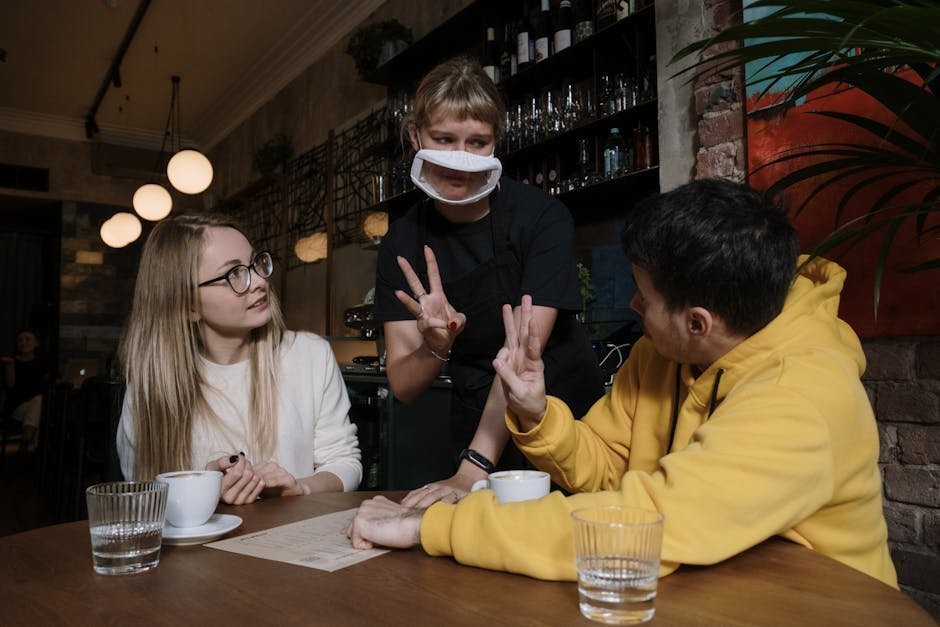
Here is something most people get completely wrong. Waving your hands or flashing cash does almost nothing to get you served faster. In fact, it might slow things down. A research team analyzed how the body language of the potential customer helps bartenders identify who would like to place an order and who does not. The team found that real-life observations were at odds with the widespread belief that customers wave for signalling that they would like to order a drink.
Customers wish to place an order if they stand near the bar and look at the bartender. It is irrelevant if they speak. Presence and eye contact. That’s really the whole formula. Researchers found that customers who did not wish to order a drink instinctively avoided certain positions. They sat slightly farther from the edge of the counter, and faced away from the bar or toward their companions.
4. Your Emotional State Right Now
A good bartender is not just mixing drinks. They’re reading the room, one person at a time. People order differently when they’re running toward something versus running away from it. Stress drinking has a particular cadence. The order comes fast with minimal eye contact. These customers often check their phones while drinking, as if the alcohol is just fuel for whatever they’re avoiding dealing with.
On the flip side, celebration drinking is slower and more intentional. People ask questions about the bourbon selection or want to know what’s in the seasonal cocktail. They’re present with the experience because they want to be present with the moment they’re celebrating.
Bartenders cross-reference vocal tone, posture, eye contact, and secondary behaviors like fidgeting, checking a watch, or touching one’s face. Think of it as the world’s fastest psychological profile. Done in seconds, refined over years.
5. Whether You’re on a First Date
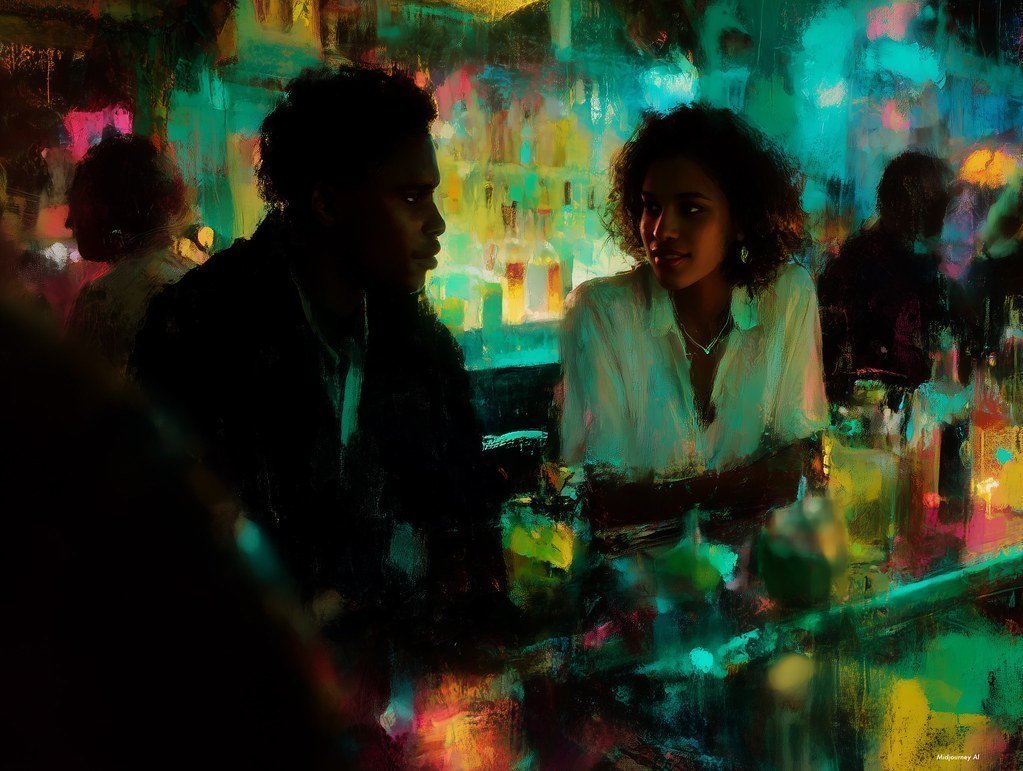
Let’s be real. Bartenders have seen every variety of awkward human interaction imaginable. If you’re on a first date, they know from the moment you pass through the doors. They can see how uncomfortable you feel with someone you are meeting for the first time. Most of the time these guests request to sit at the bar so they can talk with the bartenders if needed.
It’s actually kind of sweet when you think about it. The best part is when one person feels bored and is looking for a way to ‘escape.’ That is when the bartender does their part, starting a conversation and trying to find things in common to help them enjoy the moment. A good bartender quietly becomes a social glue, and you never even notice it happening.
6. How You Treat Them as a Human Being
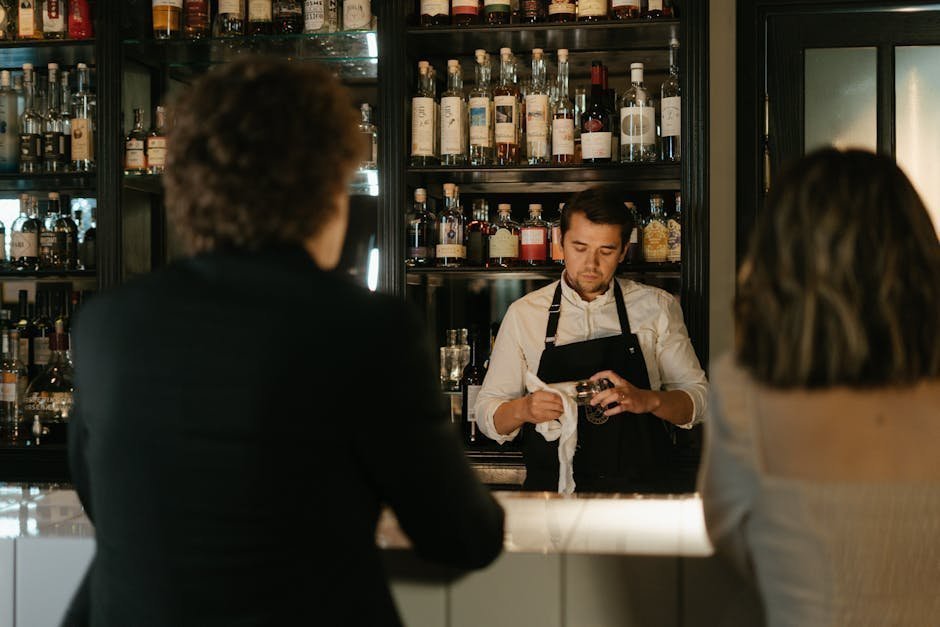
One thing they notice is whether you greet them like a person or like a vending machine. Using “please” and “thank you” is basic. It is also surprisingly rare on a packed Friday night. I think most people underestimate just how much this single thing affects their entire experience at the bar.
Bartenders are a combination of mixologist, server, nurse, janitor, and therapist, so their people-watching skills are top-notch. They carry a lot during a single shift. The ones who acknowledge that tend to get far better service. A bartender must be able to build good relationships with customers through friendly, communicative interactions, and be able to listen to their needs and preferences.
7. Your Group Dynamic
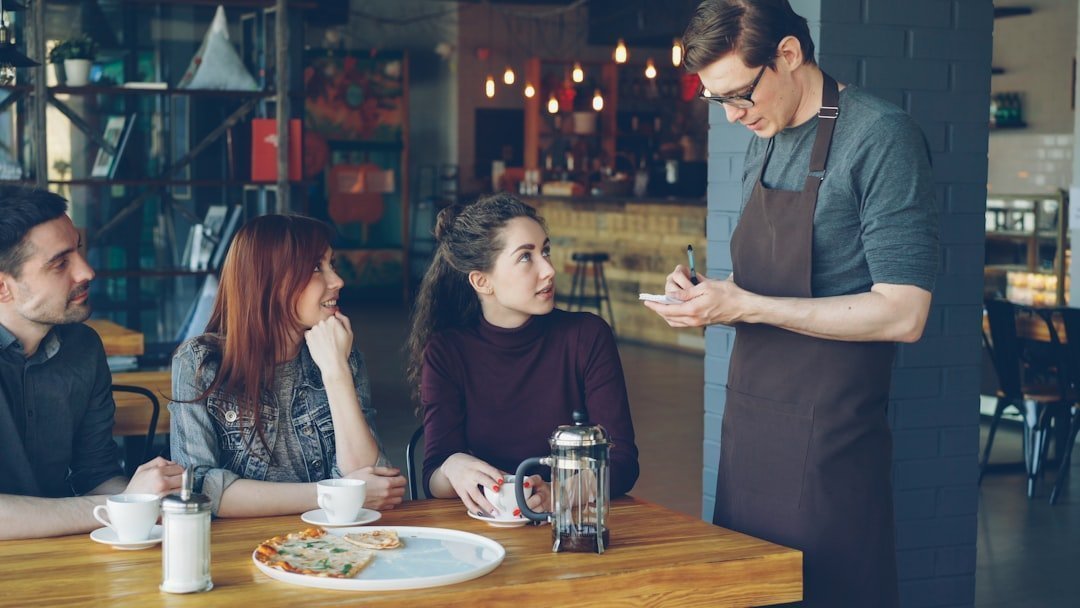
Walk in with friends and your individual behavior suddenly becomes a group signal. When you’re with friends, your hello becomes a group signal. If you approach as a unit and one person barks the order, the bartender may assume the whole group runs hot. If one person says, “Hey, we’re all set to order when you are,” the group comes across as easygoing.
Ordering for a group also carries its own subtext. Ordering four different cocktails with complex swaps can quietly communicate high-maintenance energy. If you love custom drinks, the smoother route is picking one “house style” cocktail for the group and saving the personal requests for a slower moment. Think of it from their side. It’s like juggling while someone keeps changing the rules.
8. Your Payment and Tipping Signals
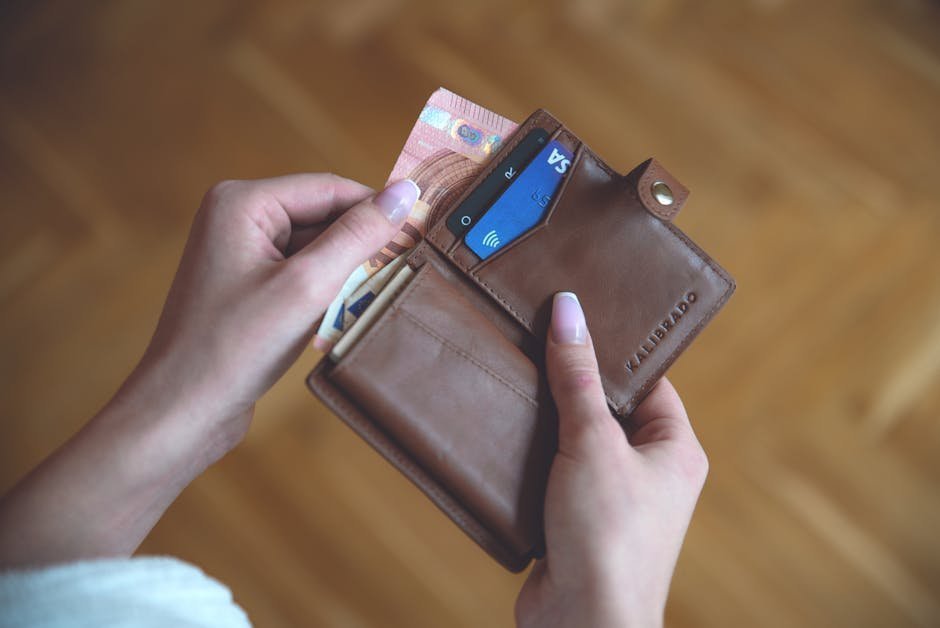
Before you’ve said a word about your drink, how you handle your wallet or card already speaks volumes. They notice how you place your card. Waving it in the air can feel pushy. Setting it down near you, then making eye contact, feels calmer.
Tipping cues come through early. Saying “I’ll take care of you” sets a tone. It’s a small thing, but experienced bartenders have learned to read intent from these tiny behavioral cues. Waving or holding cash out doesn’t have the slightest effect on how quickly you will be served. More times than not, it’s just annoying. The more relaxed and prepared you look, the smoother things go.
9. The “Thin Slice” of Who You Are
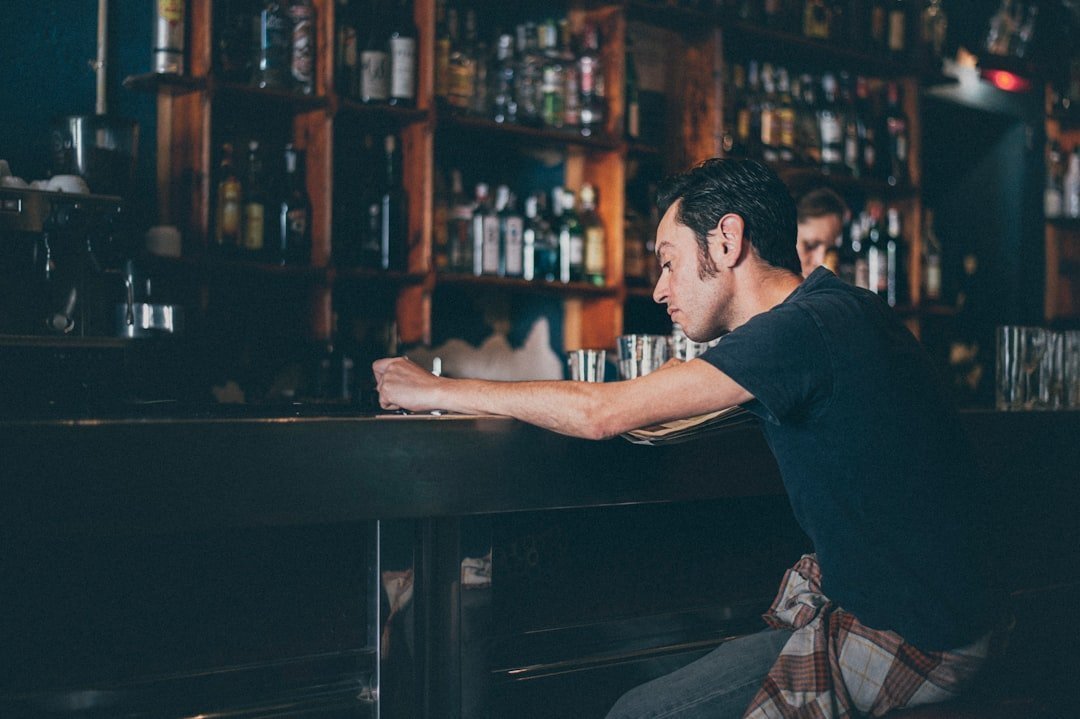
Psychologists have a name for the kind of rapid reading that experienced bartenders do naturally. Psychologists call these quick impressions “thin slices,” meaning you form a guess based on a brief moment of behavior. Research suggests those brief observations can be surprisingly informative in real-life social settings, especially when reading tone, facial expression, and body language.
A customer’s order, what they choose, how they phrase it, when they pause, whether they deviate from habit, is rarely just about flavor or alcohol content. It’s often a micro-expression of identity, emotional state, social intention, or even unspoken vulnerability. This isn’t mind-reading; it’s applied behavioral observation, refined over thousands of interactions.
A bartender can turn a mediocre drink into a great night, because service is part of the flavor. That’s the part nobody talks about. The craft isn’t just in the shaker. It’s in the read. And by the time you open your mouth to order, they’ve already started.
What You Can Take Away From All This
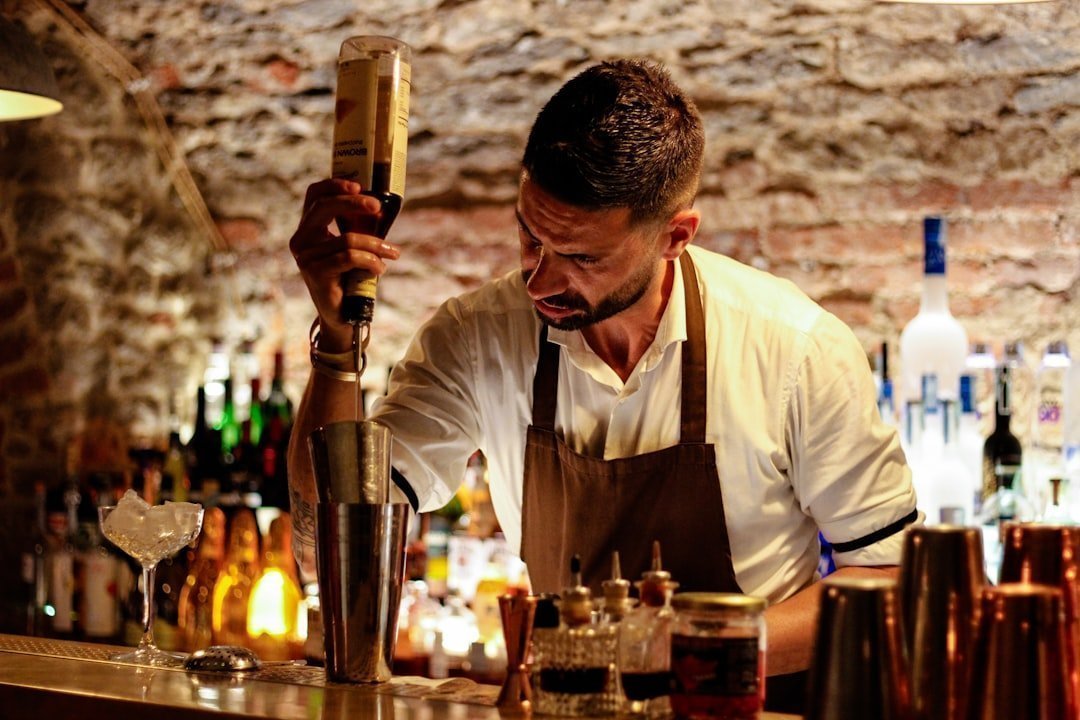
Next time you walk into a bar, try a small experiment. Stand close to the bar, make eye contact, keep your posture open, and greet your bartender like a real human being. If you want to feel more confident, decide your plan before you order. Tab or cash. One round or multiple. That small decision reduces stress and your body language will look calmer too.
Direct interactions between consumers and employees play an important role in shaping consumer perceptions and experiences. Friendly, courteous, and helpful service from employees can create a positive experience that stays in the minds of consumers. That exchange goes both ways, though. Your bartender is reading you. The question is: what story are you telling?
What do you think? Did any of these surprise you? Drop your thoughts in the comments below.