

Mexico has long carried an almost mythic reputation among expats. Warm weather, low costs, rich culture, and a relaxed pace of life drew over a million Americans south of the border, making Mexico home to more U.S. citizens than any other country in the world. As of the latest U.S. State Department estimates, approximately 1.6 million Americans live in Mexico, making it the largest population of U.S. citizens outside the United States. Yet a growing number of those same expats are now packing up and heading home, or elsewhere. The reasons are rarely simple, and almost never what the influencers on social media would have you believe.
1. The “Cheap Mexico” Myth Is Breaking Down
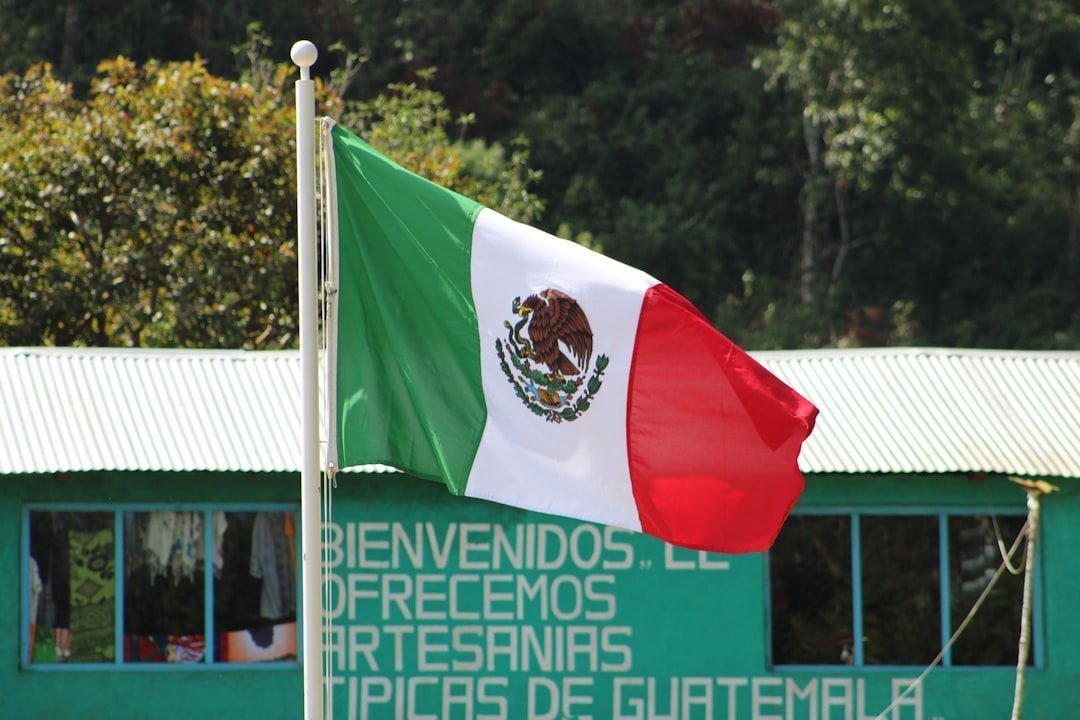
For decades, a weak peso was the silent subsidy that made expat life in Mexico feel magical. Groceries, restaurants, rent – everything converted favorably from dollars. For decades, expats in Mexico were able to rely on a weak peso, which would often offset any inflation and make the country an affordable place to live for those from the U.S. or Canada. Those days are over. The peso strengthened significantly, and inflation compounded the pain. In recent years, the Mexican Peso has appreciated significantly vs the U.S. dollar, cutting expat purchasing power by roughly 13%, meaning expats with retirement savings or passive income in USD pay more for living expenses. The country remains comparatively affordable, but the dramatic cost advantage that originally drew so many foreigners has quietly narrowed.
2. Rents Are Skyrocketing in Popular Expat Cities

If there is one issue that keeps coming up in expat forums and Facebook groups, it is the cost of housing. The average apartment rental price in Mexico City is projected to rise to 21,000 pesos (approximately US $1,134) per month by the end of 2025, an increase of between 12 and 15% over 2024, according to the rental platform Mercado Libre Inmuebles. This is not a local quirk – it is part of a national trend. In late 2024, the national house price index saw an 8.7% increase compared to the previous year. For expats who moved to Mexico expecting long-term affordability, these numbers represent a serious recalibration of their financial plans. Mexico has a housing problem in 2025 – there is more demand than supply for housing due to issues like expensive materials, high interest rates, and land scarcity.
3. Anti-Expat Sentiment and Gentrification Pressure
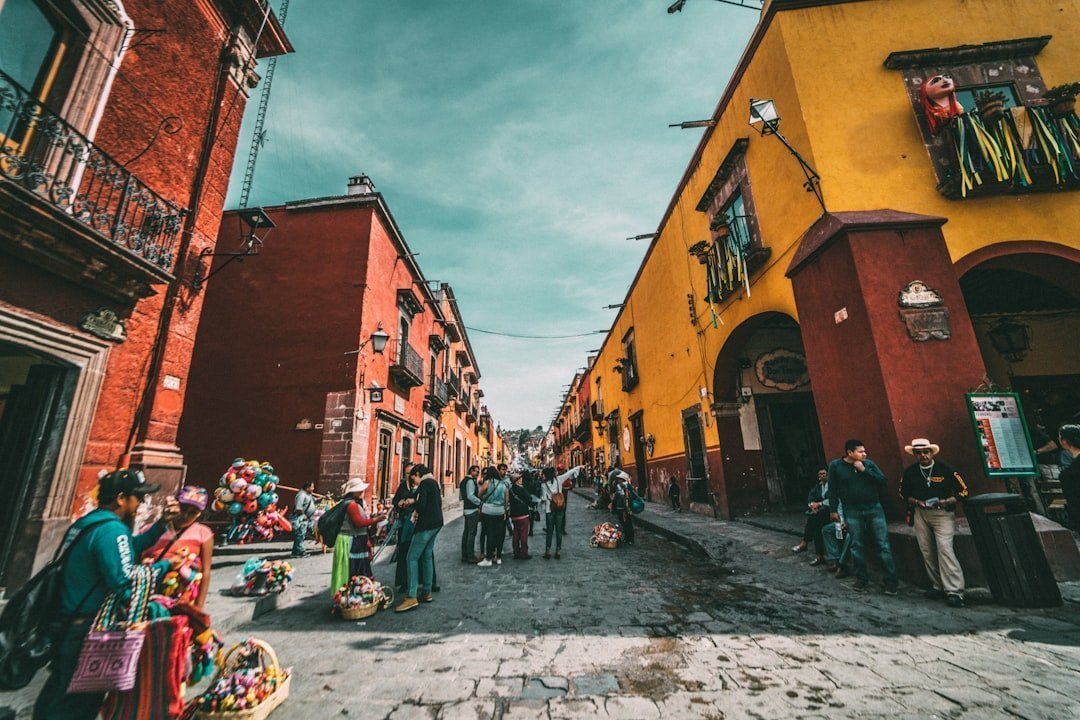
The sheer volume of foreign arrivals has triggered a growing backlash in some of Mexico’s most beloved neighborhoods. In 2024 and 2025, protests in central districts highlighted concerns that an influx of higher-income foreigners paying in dollars or euros was contributing to rapid rent increases and the conversion of long-term housing stock into short-term rentals. This tension has become visible and difficult to ignore. Graffiti across the city screams messages against “digital colonizers” and “expat invaders,” and in places like Oaxaca and San Miguel de Allende, protests have erupted with signs reading: “Oaxaca is not a commodity.” For many expats who moved to Mexico precisely for its warmth and community spirit, encountering organized resentment has been a jarring and deeply uncomfortable experience.
4. Tighter Immigration Rules and Doubled Residency Fees
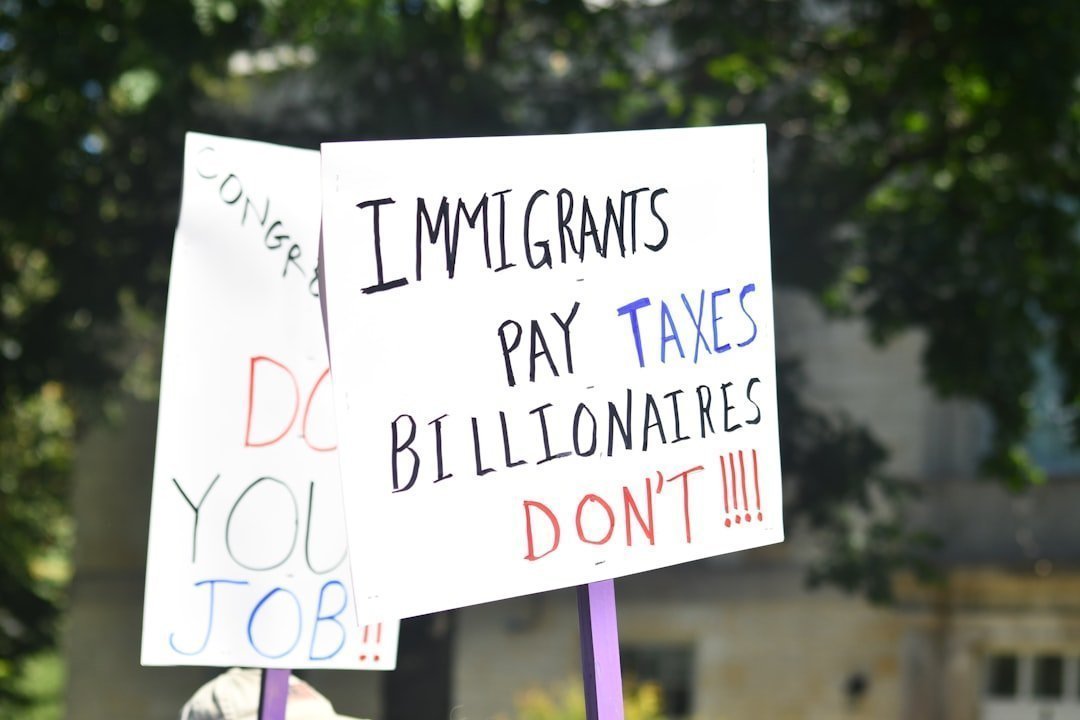
The administrative gateway into Mexico has become noticeably narrower. In 2025, Mexico’s lawmakers enacted changes that made it more difficult for foreigners to qualify for legal residency and more expensive to obtain and renew residency starting from January 1, 2026. The financial hit is real and immediate. The 2026 fee increase abruptly breaks the long-held pattern of inflation-rate rises for residency fees, increasing the total typical fees for the “five-year journey” from Temporary to Permanent residency per applicant from around 25,000 pesos (approximately US $1,350) to over 50,000 pesos per applicant (approximately US $2,700). On top of higher fees, the processing itself has slowed dramatically. Applications for residency based on Family Unit, which until recently were being processed and completed within a week, are now taking considerably longer – immigration officials are now routinely making home visits as part of these applications, with some applicants waiting 2–3 months for their cases to complete.
5. The RNE Regularization Lifeline Has Been Cut Off

Thousands of expats had been surviving in a legal gray area, relying on Mexico’s Residency Regularization Program, known as the RNE, to eventually formalize their status. That option is now gone. In a significant immigration policy shift, the Mexican government officially suspended the RNE program nationwide on May 5, 2025, marking the end of one of the most accessible and humanitarian-focused pathways to legal residency in Mexico. The closure has left many in a precarious position. Unlike most residency paths, the RNE did not require proof of income or savings, which made it uniquely accessible to digital nomads, retirees, undocumented migrants, and families who otherwise did not meet the strict financial criteria. Now those same people face a choice between meeting steep new income thresholds or leaving the country.
6. Rising Crime Perceptions – Even Where Statistics Say Otherwise

Security concerns are not just a media invention. They reflect real anxieties that many expats live with daily. A national survey conducted by INEGI in the final quarter of 2025 found that 63.8% of respondents across 91 Mexican cities consider their place of residence unsafe, a figure that rose 2.1 points compared to a year earlier, reflecting an increase in perceptions of insecurity even though official statistics show declines in the incidence of many crimes. The broader data picture is grim at the national level. Over the past 10 years, the national homicide rate has risen by 55%, from 15 to 23 deaths per 100,000 inhabitants, with over 300,000 people murdered during that period. Expats in calmer cities and tourist zones face statistically lower risks, but the psychological weight of operating in a country with such numbers is something no relocation brochure adequately prepares you for.
7. Organized Crime Is Reshaping Everyday Life
Beyond homicide statistics, organized crime in Mexico has evolved into something that touches ordinary life in ways that expats often underestimate before moving. The rise in violence in Mexico is strongly tied to organized crime, which has evolved over the past decade in response to changing drug consumption trends in the U.S. market – the shift toward synthetic drugs like fentanyl, up to 50 times stronger than heroin, has reshaped criminal operations. The economic cost is staggering. The economic impact of violence in Mexico is alarming – in 2024 it rose for the first time since 2019, reaching an estimated 4.5 trillion pesos (USD $245 billion), equivalent to 18% of GDP. Extortion of businesses, checkpoints on rural roads, and cartel territorial disputes have made certain regions functionally off-limits for expats who once dreamed of rural or coastal escapes.
8. Healthcare Gaps Hit Harder Than Expected

Mexico’s healthcare is often praised for its affordability, and rightly so in many contexts. But as expats age or develop health conditions, the system’s limitations become harder to navigate. Mexican policies typically exclude pre-existing conditions, leaving many retirees paying entirely out of pocket for their most common health needs – according to a 2024 Pacific Prime analysis, between 60% and 70% of expat insurance claims in Mexico get denied for pre-existing conditions, with one retiree paying $5,000 out of pocket for diabetes care in 2023. Distance from specialists is another quiet stressor. Even with perfect health today, developing a chronic condition in Mexico means navigating inconsistent medication availability and frequent doctor changes, creating dangerous gaps in treatment. For retirees who chose Mexico specifically as a health-conscious retirement destination, this reality has driven many back to home countries with more reliable systems.
9. Corruption and Institutional Weakness Wear People Down

Petty corruption is something many expats laugh off in their first year in Mexico. By year three or four, the humor tends to fade. For expats living in Mexico, police corruption is not just an occasional annoyance – it is an unpredictable tax that never appears in any cost of living calculator. The structural problem runs deeper than individual encounters. In 2023, Transparency International’s Corruption Perceptions Index scored Mexico at just 31 out of 100, compared to the U.S. at 69 and Canada at 74, showing a stark gap in public sector trust. The judicial system offers little reassurance. Mexico’s 2024 judicial reform, which changed the selection of judges from appointments to popular elections, remains controversial, with critics warning that it significantly weakens judicial independence and could result in politically motivated rulings and a decline in the rule of law.
10. The “Dream” Was Always More Fragile Than Advertised

Perhaps the most honest reason so many expats are leaving is that the version of Mexico sold online rarely matches the lived experience over a span of years. Protests and policy discussions in 2024 and 2025 have specifically referenced the influx of Americans working remotely from the capital and the perceived impact on rents and local services. For those who arrived without Spanish, without community roots, and without a realistic budget buffer, the compounding pressures of rising costs, immigration bureaucracy, safety concerns, and cultural friction eventually reach a tipping point. For thousands of expats each year, the breaking point has already come – and it is rarely what they anticipated when they first moved. Mexico remains a genuinely compelling country, and millions of foreigners continue to build real, satisfying lives there. But the era of arriving on a shoestring, skipping legal paperwork, and assuming everything will work out has quietly come to an end.