

Something is shifting in the American psyche. Driven by rising costs of living, political tensions, and the search for a better quality of life, record numbers of Americans are making the bold decision to move abroad to Europe. This is no longer a trend limited to retirees or adventurous young backpackers. As of October 2024, the Association of Americans Resident Overseas estimates that approximately 5.5 million U.S. citizens live abroad. What makes this moment unique is that tiny, little-known villages across Europe are actively recruiting newcomers, offering cash, free land, and housing grants to anyone willing to trade their cubicle for cobblestones.
1. Why Americans Are Really Leaving: The Numbers Tell the Story

A 2024 Monmouth University report found that 34% of Americans wanted to relocate, up from 10% fifty years ago. That’s a dramatic shift in attitude, and it tracks with what is happening on the ground. As political and economic landscapes continue to evolve in the United States, a growing number of U.S. citizens are choosing to move abroad, driven by lifestyle aspirations, tax advantages, and dissatisfaction with domestic policies. Whether it’s for remote work, better healthcare, lifestyle, or safety, this trend is accelerating in 2026 amid surging interest, fueled by high U.S. living costs, limited healthcare access, and concerns over crime and political stability.
2. Remote Work Changed Everything

As of 2024, roughly 1 in 5 Americans work remotely, and the rise of remote work gives individuals more flexibility in where they choose to live. That flexibility is the key that unlocked the door to village life abroad. With the rise of remote work and global job markets, many Americans find job opportunities abroad that are either better suited to their career goals or offer a better work-life balance. Europeans’ emphasis on work-life balance, with generous paid vacation, shorter work weeks, and family leave protections, continues to attract U.S. professionals seeking less burnout and more personal time.
3. Village #1: Ponga, Spain – The Mountain Village That Pays Young Families

Ponga, Spain, is offering an enticing relocation program. This tiny village in Asturias fits the definition of “get paid to move.” It’s an old, ancient village with deep-rooted traditions and a gorgeous climate, but unfortunately, it only has a few hundred inhabitants, with less than 50% under 18 years old. The Ponga region in Northern Spain gives €3,000 to couples who move there and stay for at least five years, and they provide an additional €3,000 for each child, whether they move with you or are born in Ponga. This initiative aims to boost the population of this small region, which currently has fewer than 1,000 residents. The Asturias region in Northern Spain has a gorgeous landscape, welcoming communities, and booming job prospects.
4. Village #2: Presicce-Acquarica, Italy – Up to €30,000 to Call It Home

The small municipality of Presicce-Acquarica, in southern Italy, comprises the two towns of Presicce and Acquarica del Capo, and is currently offering grants of up to €30,000 for new residents. To be eligible, you’ll need to buy a pre-1991 property in the town and register as an official resident there. The village sits in the Puglia region, known for its whitewashed trulli buildings, olive groves, and long Adriatic coastline. The towns also grant €1,000 for each newborn child to counteract their ageing population. Europe’s rural crisis means schools close, businesses vanish, and cultural heritage is lost – so by paying newcomers, local authorities hope to boost population, stimulate local economies, and revive property markets.
5. Village #3: Antikythera, Greece – A Remote Island With a Stipend and a Free House

Antikythera is one of the smallest islands in the Aegean Sea, with just 24 permanent residents. Forty years ago, the island of Antikythera had 300 people, but the number has steadily decreased over the years. To address the island’s declining population, Greece is offering €500 per month to new residents of Antikythera for three years after their relocation, totaling €18,000, promising newcomers a serene, rural lifestyle with breathtaking scenery. The incentive is paid out as a monthly stipend in Euros, and the lucky selected families will also be provided with a house for as long as they choose to live on Antikythera Island. Antikythera is also renowned for the discovery of the Antikythera Mechanism, an ancient Greek analog computer dating back to 150–100 BCE, used for predicting astronomical positions and eclipses.
6. Village #4: Albinen, Switzerland – Nearly $28,000 Per Adult to Move to the Alps
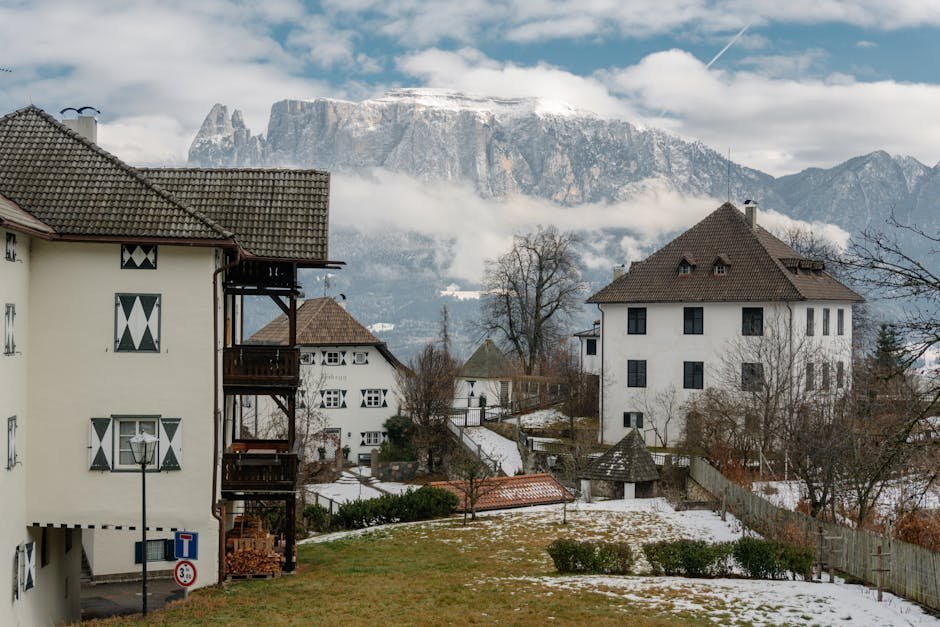
The picturesque village of Albinen in the Swiss canton of Valais faces a declining population of fewer than 250 residents. In an effort to address this, the Swiss government initiated a relocation program offering financial incentives: families who choose to relocate to Albinen can receive up to 25,000 Swiss francs (approximately $27,000) per adult and up to 10,000 francs (around $11,000) per child. To be eligible, residents must be under the age of 45 and buy or build a house they’ll live in for at least 10 years. While the initial investment is significant, the opportunity to live in one of the world’s most beautiful countries with a stable economy and high standard of living makes it an attractive proposition for many.
7. Village #5: Sardinia, Italy – €15,000 to Settle on a Mediterranean Island

Sardinia, due to an exodus of young Italians seeking employment in other countries, offers €15,000 to those willing to relocate. However, you must move to a municipality with fewer than 3,000 residents, use the funds to buy or renovate a home, and become a full-time Sardinian resident within 18 months. Beyond the money, Sardinia consistently ranks among the healthiest places in the world to live, known for its Blue Zone status and high concentration of centenarians. Italy also runs the famous “€1 house” program in regions like Sicily, Calabria, and Tuscany, where towns sell dilapidated houses for €1 to attract new owners who will renovate them. The €1 house program doesn’t pay you, but it dramatically lowers the entry cost for property investment, leaving more budget for renovations.
8. The Healthcare Factor Is a Bigger Deal Than People Admit

Affordable, high-quality healthcare in countries such as Spain, Portugal, and Germany offers significant cost savings compared to the U.S., even for non-residents using public or private options. With U.S. premiums surging due to expired subsidies, up to 114% in some cases, Europe’s systems remain a major draw. For many Americans, especially those without employer-sponsored plans, the math is simply impossible to ignore. Even without full residency, Americans in Europe often enjoy access to affordable, high-quality healthcare, and countries like Spain, Portugal, and Germany offer public healthcare systems and private insurance options that cost a fraction of U.S. rates.
9. What the Visa Process Actually Looks Like for Americans

Europe offers clear pathways to long-term residency and even citizenship, though some timelines have lengthened amid immigration reforms. Portugal, for example, offers permanent residency after 5 years, with citizenship now after 10 years. Spain’s path has its own structure – Spain offers a 10-year path to citizenship for U.S. citizens, though just 2 years for those with Latin American ancestry. Whether you’re a young professional, family, or retiree, the reasons to relocate to Europe in 2026 are stronger than ever, bolstered by expat incentives like villages paying newcomers to settle.
10. The Real Cost and the Real Conditions You Need to Know

Many of these programs are real, but most are conditional, local, or temporary. Always confirm the latest rules with the official program or municipality before making a move. Conditions can range from age restrictions to mandatory business creation. In Calabria, Italy, newcomers can get up to €28,000 to move to one of nine villages with 2,000 people or fewer, but they’ll be required to start a new business that will benefit locals or get a job in an industry needing more workers, such as hospitality. Other requirements include being under the age of 40 and being ready to move within 90 days of acceptance. Leaving early can lead to penalties, including repaying the incentive, and most programs require a minimum stay, typically between 2 and 10 years.