
Every time a new passenger steps through the aircraft door, something subtle happens. Flight attendants are trained observers, and in the few seconds it takes you to board, they’re already reading your clothing, body language, and behavior. In those first moments, attendants are gathering subtle cues about safety, confidence, and cooperation – reading your body language, tone, and even how you hold your bag. What you wear is one of the loudest signals you send without saying a single word. Knowing what those signals are can completely change how you’re perceived the next time you fly.
1. The Brand-New Luggage Tag and Matching Everything
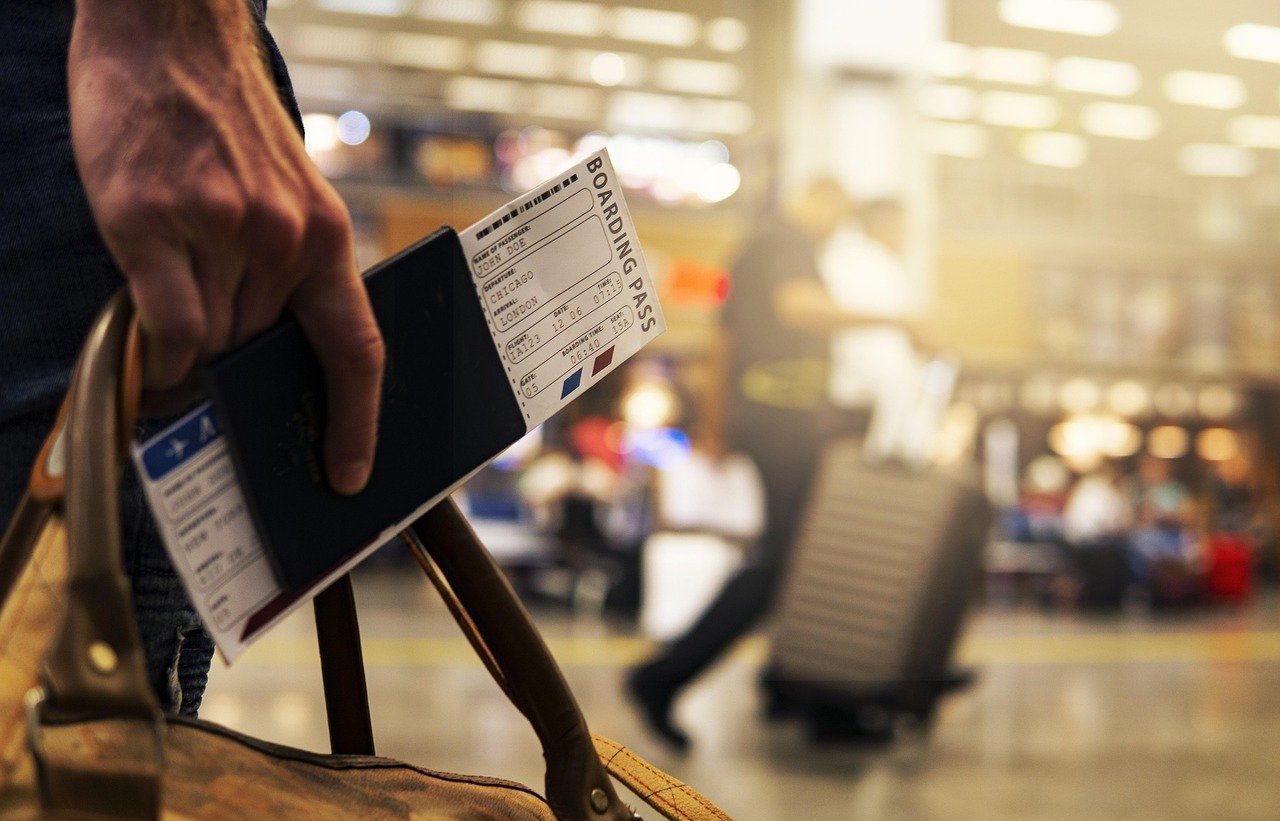
Flight attendants can tell if you’re a road warrior or a once-a-year flyer before you’ve even found your seat. It’s in how you navigate the jet bridge, how you handle your luggage, whether you know to step aside after entering the plane, and how familiar you are with the overhead bin situation. First-time flyers often show up with pristine, matching luggage sets that have clearly never traveled before, and the crisp tags attached are a dead giveaway. Seasoned travelers move with unconscious efficiency, while infrequent flyers broadcast their uncertainty in a dozen small ways.
2. Wearing High Heels or Impractical Shoes
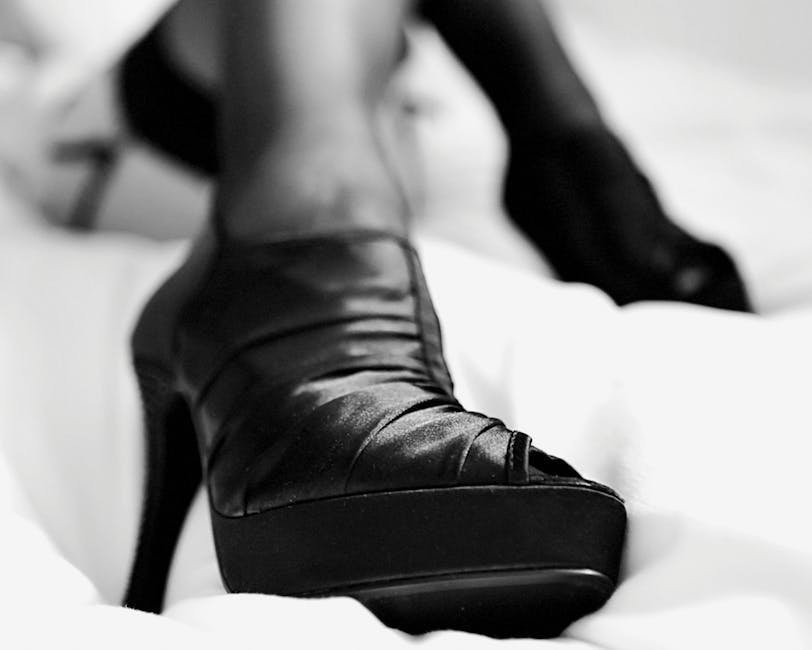
What you wear sends subtle messages about your readiness for flight. Flight attendants quietly assess if your outfit would be practical in an emergency. Comfortable, closed-toe shoes and flexible clothing earn approval, while high heels or tight outfits could hinder quick movement. Experienced travelers have quietly learned this lesson over multiple flights. During a planned or unplanned evacuation, all sharp items and high-heeled shoes must be removed to prevent them from puncturing the slide, and attendants will also notice if shoes are taken off during takeoff and landing, since shoes should be worn in an evacuation to protect feet from fire or sharp edges.
3. Wearing Synthetic or Highly Flammable Fabrics
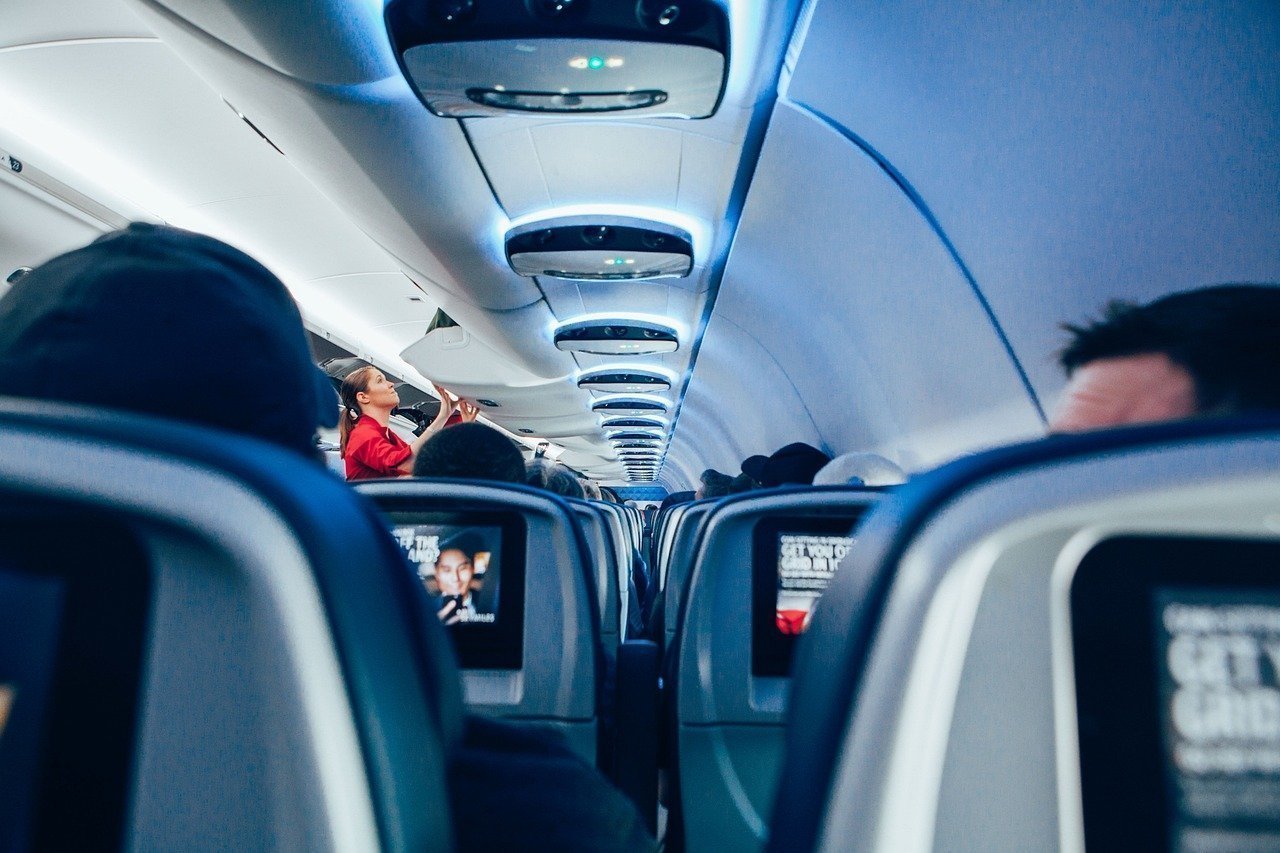
Flight attendants will also notice polyester clothing, which is flammable; natural fibers should be worn instead. Most first-time flyers simply don’t know this, and they board in full synthetic outfits without a second thought. Cabin crew uniforms themselves are made from flame-resistant materials to reduce the risk of injury in the event of a fire, since crew members may need to move through a smoke-filled cabin with fire present to evacuate passengers. Wearing cotton, linen, or wool tells the crew you understand the basics of flight safety – even if no one ever told you directly.
4. Dressing for a Restaurant, Not a Cabin
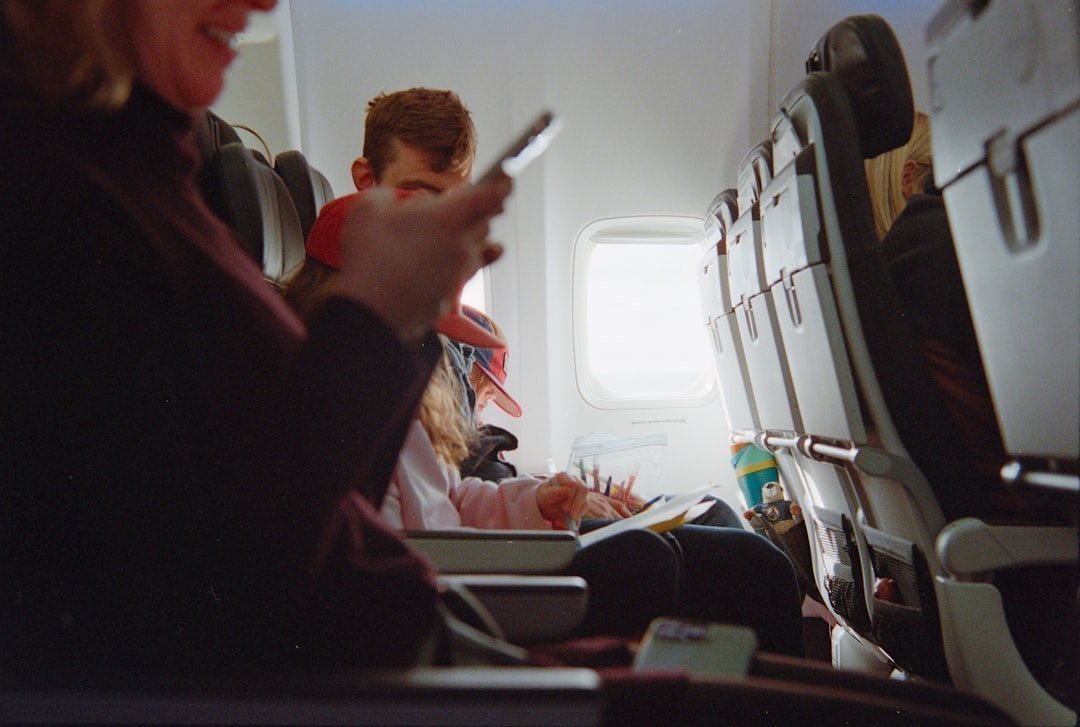
What you wear on a plane says a lot, and flight attendants take note. Practical footwear is something they appreciate because, in an emergency, passengers need to move quickly and safely. High heels, flip-flops, or slippery shoes might make an evacuation difficult. Similarly, clothing choices can hint at your travel experience – frequent flyers often dress in layers and choose comfortable attire, understanding the nuances of cabin temperature changes. First-time flyers regularly dress up as if they’re headed to a special event, wearing formal dresses, suits, or outfits that visibly restrict movement. The regulars have long since swapped all that for stretch fabrics and layers.
5. No Layers – and Looking Visibly Cold (or Hot)
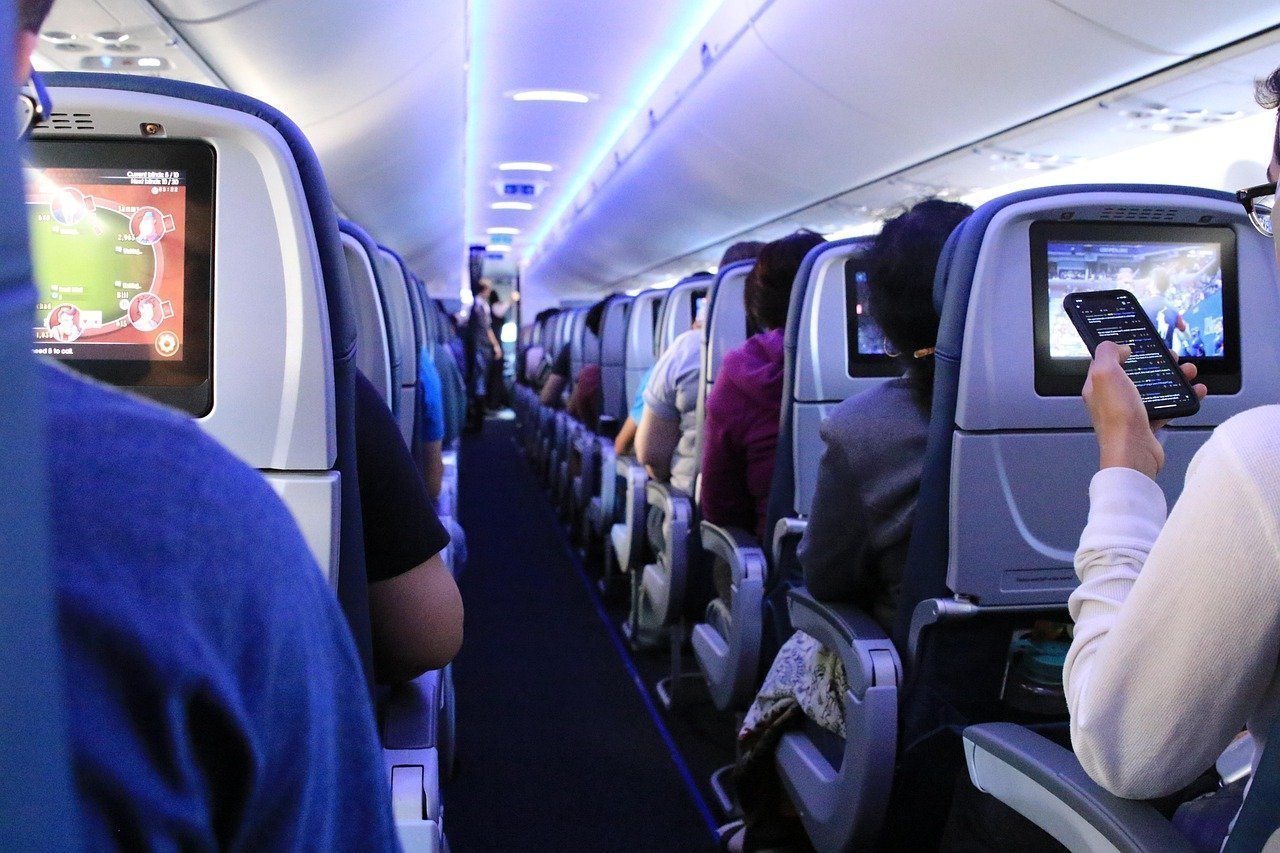
Flight attendants are also noting if you’re dressed appropriately for the flight conditions. Passengers in very light clothing might struggle with the often cold cabin temperatures, while those wearing multiple layers might be overheating, which can lead to discomfort or even fainting during the flight. Seasoned flyers know that cabin temperatures are wildly inconsistent and bring a light jacket or cardigan as a matter of habit. It also helps to dress in layers so that you can remove a layer if you start feeling warm. Showing up in a summer outfit with no layers on a long-haul flight is one of the clearest rookie signals there is.
6. No Compression Socks – and No Idea Why They Matter
Flight attendants observe if you’re wearing compression socks, which might indicate you’re a frequent flyer who understands the risks of deep vein thrombosis on long flights. It sounds like a small detail, but cabin crew genuinely notice it. While they won’t typically comment on your outfit unless it poses a clear safety issue, flight attendants are mentally categorizing passengers based partly on their attire, helping them anticipate who might need blankets, who might be uncomfortable during the flight, and who might move slowly during an emergency. First-time flyers rarely think about what happens to circulation at altitude, and that shows up in their footwear choices.
7. Overly Formal or Brand-New Travel Clothes
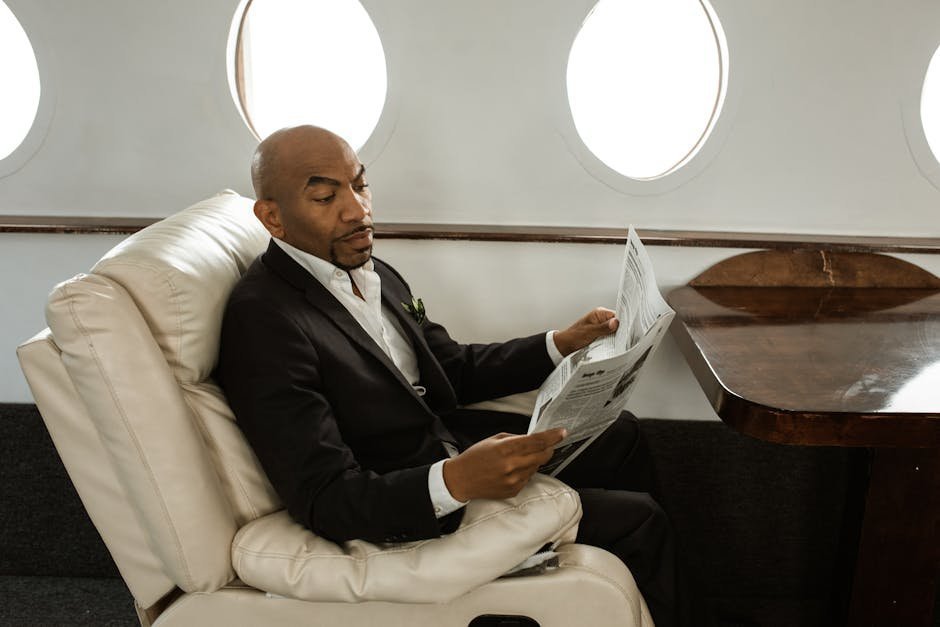
The passenger wearing designer clothes but flying basic economy, or the person in the expensive suit in first class who’s never flown premium before and doesn’t know how to act – these are the passengers flight attendants notice. Dressing up for a flight used to be the social norm decades ago, but today it’s a reliable signal of inexperience. Despite cataloguing your quirks and challenges in those first three seconds, most flight attendants still manage to treat everyone with professional kindness. They’ve seen your type a thousand times before – the anxious flyer, the demanding executive, the overwhelmed parent – yet they still bring you that ginger ale with genuine warmth.
8. Clothing That Sparks Safety Concerns
On November 19, 2025, the Transportation Department launched the “Golden Age of Travel Starts With You” campaign to ensure the safety of passengers, gate workers, flight attendants, and pilots. The campaign emerged after the DOT noticed an increase in in-flight outbursts and unruly passenger behavior incidents, and since 2019, the FAA has reported a 400% increase in in-flight unruly passenger behavior cases. Clothing plays a role in how crew assesses potential issues. Regarding inappropriate clothing, flight attendants can ask a passenger to cover up and give them a blanket, as it is disrespectful to all on board to wear inappropriate or offensive clothing – for example, a short skirt would be unsuitable in an evacuation and the passenger would receive burns from the slide.
9. The Energy That Completes the Outfit
As one flight attendant explained, “nervous flyers have a specific energy – they either overshare immediately, telling us it’s their first flight or that they hate flying before we even say hello, or they’re unnaturally still, like they’re afraid movement will make the plane crash.” Clothing amplifies this energy in a very real way. This assessment isn’t judgment – it’s triage. Flight attendants are identifying who might need extra reassurance during turbulence, who should maybe not be seated in an exit row despite saying they’re fine, and who might need a discreet check-in during flight. A YouGov survey commissioned by The Points Guy in 2026 found that 74% of Americans admit to some fear of flying, so first-time anxiety is genuinely widespread and crew are well-prepared for it.
10. What the Smartest Passengers Actually Wear
Flight attendants observe if you’re wearing compression socks, and while they won’t typically comment on your outfit unless it poses a clear safety issue, they are mentally categorizing passengers based partly on their attire, helping them anticipate who might need blankets, who might be uncomfortable, and who might move slowly during an emergency. The passengers who blend in seamlessly dress practically: closed-toe shoes, natural or breathable fabrics, easy layers, and nothing that restricts movement. Flight attendants conduct a discreet observational check as passengers enter the cabin, identifying travelers who may already show signs of distress, and observing families, nervous flyers, and passengers with dietary restrictions to plan service efficiently. Dressing with awareness isn’t just about looking experienced – it signals cooperation, calm, and safety-readiness before you’ve said a single word to the crew.