
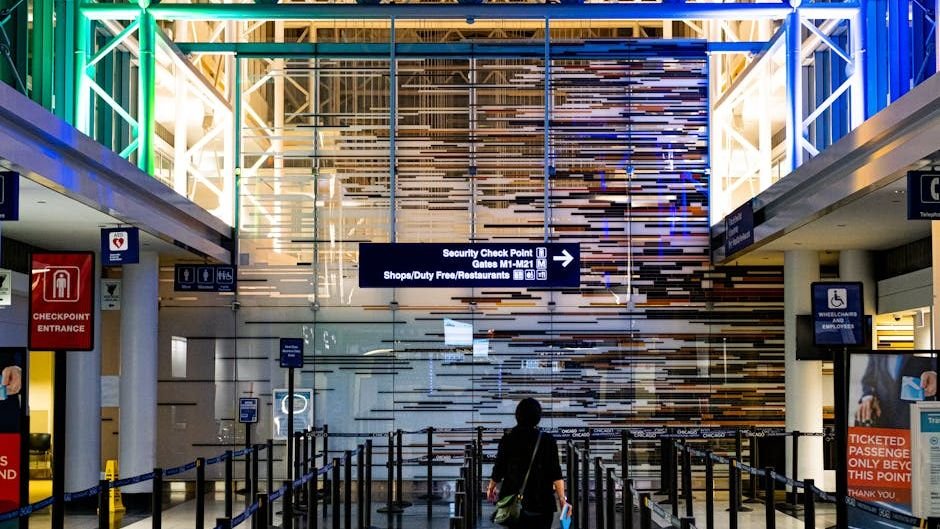
You’ve done it before. You’re standing in line, already running a little late, coffee in hand, feeling like you’ve got this whole airport thing figured out. Then the conveyor belt stops. A TSA officer leans in. The bag gets pulled. Sound familiar?
Here’s the thing: most security slowdowns aren’t caused by actual bad actors or dramatic contraband discoveries. They’re caused by ordinary, everyday travelers, just like you, who packed something completely innocuous without realizing it triggers a secondary screening. Let’s dive into the 11 most common carry-on culprits that are quietly costing everyone minutes, and sometimes much more.
1. Oversized Liquids and Gels That “Look Small Enough”
The most common reason for checkpoint delays continues to be liquids in carry-on baggage. Despite the introduction of advanced new baggage scanners, the federal government has not lifted the famous 3-1-1 liquid mandate for standard screening lanes. Think of it like this: that full-size conditioner you grabbed from the hotel bathroom? It’s not your souvenir to take through security.
The 3-1-1 rule requires each liquid container to be 3.4 oz (100 mL) or less and fit inside a single clear quart-sized bag. Large bottles of shampoo, drinks, or aerosol cans such as hairspray or whipped cream must go in checked luggage. The number of people who still attempt to bring full bottles of sunscreen or a large jar of face cream through is honestly staggering.
The most common items voluntarily surrendered at airport security checkpoints include “oversized liquids, oversized gels, oversized aerosols, knives and tools larger than seven inches,” according to TSA uniformed advisor TeaNeisha Barker. These aren’t rare mistakes. They happen hundreds of times a day at every major airport.
2. Laptops Left Inside Your Bag

TSA officers require travelers to separately screen personal electronic devices, including laptops, tablets, e-readers, and handheld game consoles, and may also instruct travelers to separate other items from carry-on bags such as foods, powders, and any materials that can clutter bags and obstruct clear images on the X-ray machine. Leaving your laptop buried inside a packed bag is practically an invitation for a manual search.
Devices larger than a cellphone, such as laptops and tablets, must be removed from your carry-on and placed in a bin for X-ray screening. Honestly, I think most people know this rule and still forget it. They’re tired, they’re rushing, and the laptop is already buried under three layers of clothing and a neck pillow.
The TSA is rolling out new CT scanners, which provide 3D images of bag contents, and eventually these scanners will allow passengers to leave electronics and liquids in their bags during screening. Though this technology is still being fully implemented, passengers should still remove electronics and liquids when passing through general TSA screening lanes. Until that nationwide rollout is complete, out comes the laptop, every single time.
3. Wrapped Gifts

If your wrapped gift triggers an alarm during X-ray screening or requires additional inspection, TSA officers have the authority to unwrap it. You’re left at the checkpoint with unwrapped items, loose ribbon, torn paper, and a flight to catch. This isn’t a rare occurrence. Travel + Leisure reports that TSA unwraps thousands of gifts every holiday season, particularly items that look suspicious on X-ray.
TSA recommends carrying unwrapped gifts if they may trigger alarms. Wrapped boxes might be opened for inspection. It seems obvious in hindsight, but every holiday season the same scene plays out thousands of times at checkpoints across the country.
TSA officers can’t identify every item conclusively through X-ray alone. Things that commonly require unwrapping include electronics with batteries, dense or irregularly shaped items like candles and decorative metalwork, bottles or containers, items with wires or circuits, and organic materials that obscure X-ray imaging like thick food items and cosmetics. If the wrapping paper is hiding any of those, expect a delay.
4. Power Banks and Spare Lithium Batteries
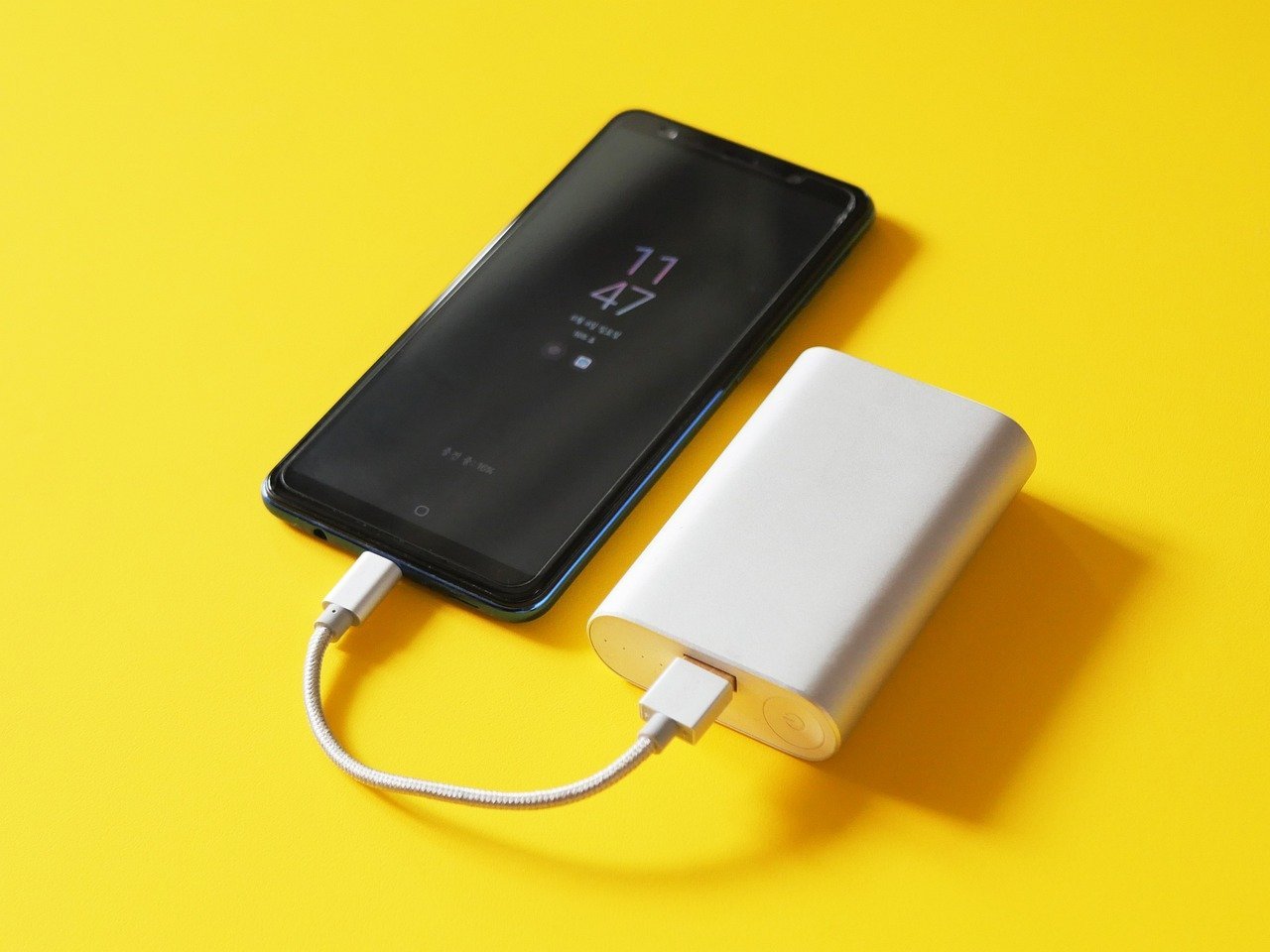
Spare lithium batteries and power banks should be in your carry-on, not checked, due to fire risk. That part is actually correct behavior. The problem arises when people pack multiple loose batteries without protecting the terminals, creating a chaotic X-ray image that demands a closer look.
Lithium batteries power phones, cameras, drones, and smart luggage. In 2025, power banks are not allowed in checked bags. Keep them in your carry-on with terminals protected, and remove batteries from smart luggage before check-in. The same rule covers spare lithium-ion and lithium-metal cells.
Portable chargers and power banks containing lithium-ion batteries must be in carry-on bags, as they are prohibited in checked luggage. Here’s a practical tip most people skip: tape over the exposed metal contacts on spare camera batteries before your flight. It prevents short circuits and makes the X-ray image dramatically less alarming to screeners.
5. Large Quantities of Powder
TSA has placed greater scrutiny on powdered materials, with more in-depth examination of powders greater than 12 ounces. This catches a surprising number of travelers: protein powder enthusiasts, people carrying dry shampoo in bulk, or anyone bringing large bags of spices as gifts.
As of June 2018, powdered items such as coffee, spices, and baby powder in excess of 12 ounces are subject to additional screening. You may be asked to remove them if they’re judged dangerous or if TSA is unable to identify them. That 12-ounce limit is roughly the size of a standard protein shake container. Above that, you are almost guaranteed a secondary look.
TSA officers may instruct travelers to separate foods, powders, and any materials that can clutter bags and obstruct clear images on the X-ray machine. The safe move is simple: pack large quantities of powder in your checked bag and keep anything you carry on well under the 12-ounce threshold.
6. Knives, Multi-Tools, and Bladed Objects
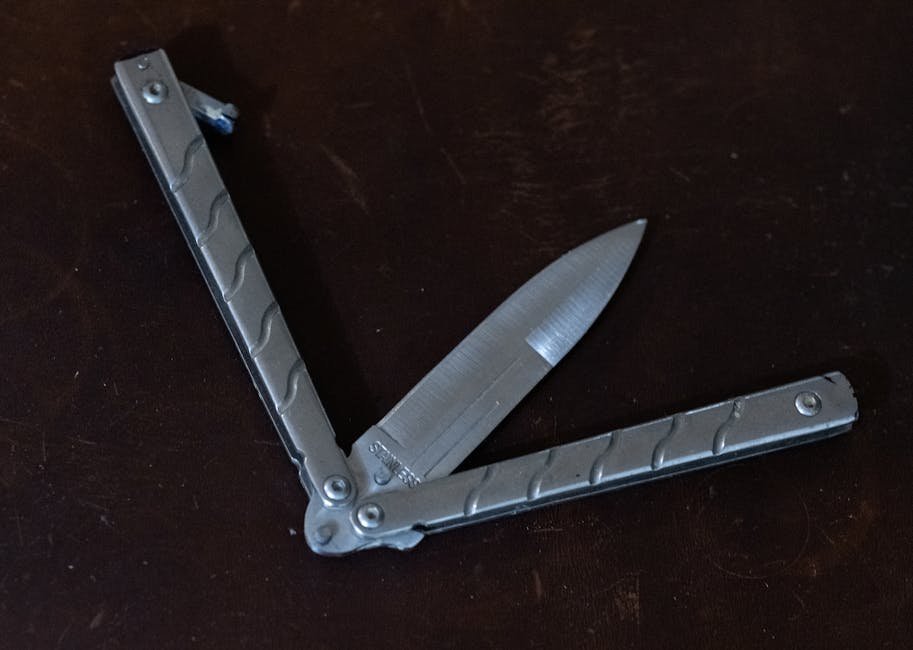
TSA bans all knives, including hunting or survival knives, kitchen knives, box cutters, swords, daggers, ice axes, darts, and large scissors from carry-on bags. Even hobby knives and metal razor blades are banned. Still, they turn up constantly. And every single discovery stops the line cold.
In March 2024, a passenger at Seattle-Tacoma International Airport was caught attempting to transport a knife concealed inside the shell of their laptop. TSA reminded that knives and other tools with blades or sharp edges must be placed in checked bags. That’s a creative hiding spot, but not quite creative enough.
Pocket knives and multi-tools with blades are a complete no-go in carry-on bags. The frustrating part is that most of these discoveries are genuinely accidental. Travelers simply forgot a Swiss Army knife clipped to their keychain, or a pocket knife left in a jacket from a camping trip. It costs everyone in line valuable minutes.
7. Snow Globes and Liquid-Filled Souvenirs

Musical instruments, specialized tools, and souvenir items like snow globes, which contain liquid, frequently trigger security alerts. This one surprises people every single time. That adorable snow globe you bought at a gift shop? It’s filled with liquid, and liquid is subject to the 3-1-1 rule.
Think of a snow globe like a miniature fish tank. It looks harmless and decorative, but to the X-ray machine, it reads as an unquantified liquid container, and that means a closer inspection every time. TSA’s official guidance confirms that snow globes larger than a tennis ball, roughly equivalent to more than 3.4 ounces of liquid, are not permitted in carry-on bags.
Even if an item is generally permitted, it may be subject to additional screening or not allowed through the checkpoint if it triggers an alarm during the screening process, appears to have been tampered with, or poses other security concerns. Snow globes routinely trigger exactly this kind of secondary attention, no matter how festive the intention behind them.
8. Dense, Cluttered, or Overpacked Bags
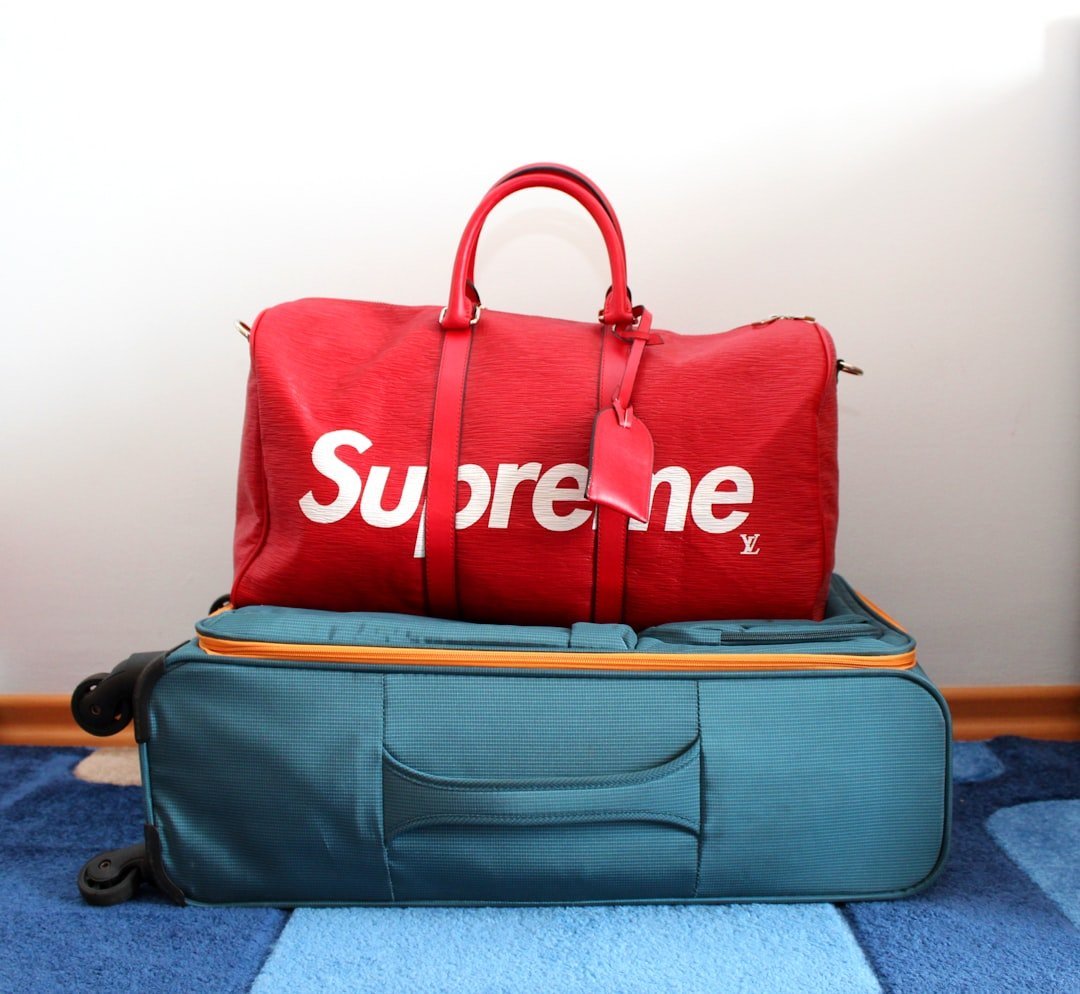
Anything that resembles an explosive device or obscures X-ray images, such as tangled wires, powder-like substances, dense foods like jars of peanut butter, and wrapped gifts, can easily trigger alarms. A bag so jam-packed that the screener cannot make out individual items is practically a guaranteed stop.
TSA’s top tip is to start with an empty suitcase, because it prevents forgotten tools, knives, or souvenir corkscrews from past trips from slipping through. Packing in layers ensures the X-ray image is clean and easy to read. It sounds almost too simple, but a tidy, layered bag clears the belt in seconds. A messy one can hold up a line for several minutes.
I think of it like this: an overstuffed carry-on is like trying to read a page where every word is printed on top of every other word. Nothing is legible. TSA officers see the same visual chaos on their screens, and they have to stop everything to figure it out. Pack smarter, and the whole line moves faster.
9. Firearms and Replica Weapons
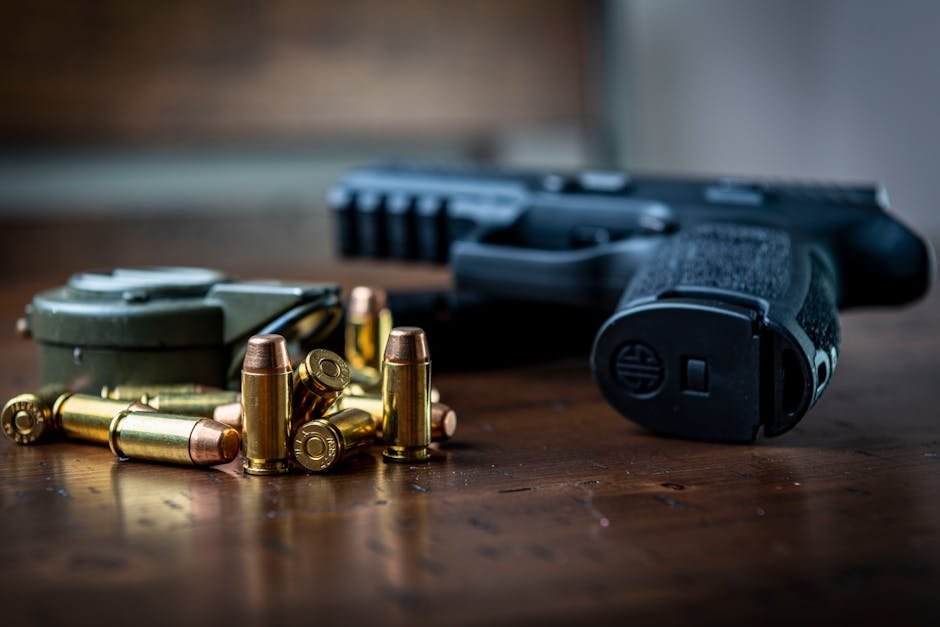
During 2024, TSA intercepted a total of 6,678 firearms at airport security checkpoints, approximately 94 percent of which were loaded. That is a staggering number. It also does not include the replica items, toy guns, and inert grenades that show up with alarming regularity.
TSA continues to intercept thousands of firearms each year, and bringing a firearm to the checkpoint can result in major delays, law enforcement involvement, and civil penalties. When a firearm or realistic replica is detected on the X-ray screen, everything stops. Law enforcement is called. The entire checkpoint can be disrupted for extended periods.
In addition to potential criminal citations, TSA can levy a civil penalty against the traveler of up to $14,950. Among the factors TSA considers when determining the penalty amount include whether the firearm was loaded and whether there was accessible ammunition. A loaded weapon in a carry-on is not just a personal delay. It is potentially a legal and financial catastrophe.
10. Medications and Medical Items Without Declaration

Medication in liquid form is allowed in carry-on bags in excess of 3.4 ounces in reasonable quantities for the flight, and it is not necessary to place medically required liquids in a zip-top bag. However, travelers must tell the officer they have medically necessary liquids at the start of the screening checkpoint process. Medically required liquids will be subject to additional screening that could include being asked to open the container.
Medically necessary liquids, prescription medications, and baby formula are exempt from the standard liquid limits, but travelers must declare them to an officer before the bag is scanned. The problem is not the medication itself. The problem is the traveler who silently sends it through the belt without telling anyone, triggering confusion and delay when the screener sees an unidentified liquid.
When you arrive at the checkpoint, let officers know about your medical device and any other equipment prior to screening. If you have an insulin pump, glucose monitor, or other medical device attached to your body, inform the officers where it is located before the screening process begins. A quick, proactive declaration takes about five seconds and saves everyone a lot of time.
11. Non-Compliant or Missing REAL ID
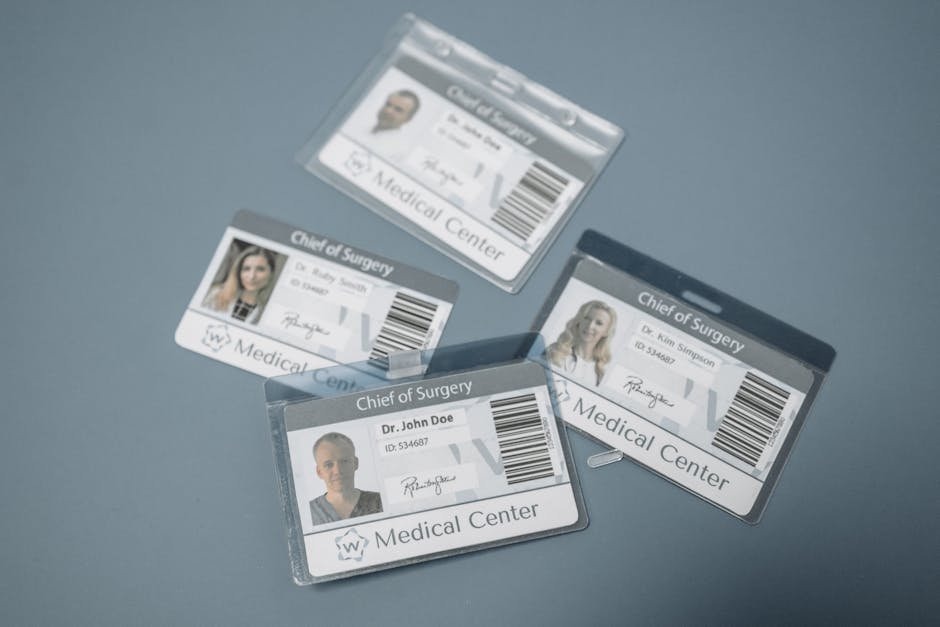
One of the biggest checkpoint changes in recent years is the official start of REAL ID enforcement. Beginning May 7, 2025, all travelers flying domestically must show a REAL ID-compliant driver’s license or another TSA-approved form of identification, such as a U.S. passport. Without compliant identification, travelers will not be allowed through TSA checkpoints.
If you arrive at the checkpoint without REAL ID or another acceptable ID, TSA introduced a fee-based identity verification option starting February 1, 2026. TSA’s official Confirm.ID page confirms a $45 fee option. That $45 fee is non-refundable, and the verification process takes time, enough time to miss a flight if you are already cutting it close.
With REAL ID enforcement finalized in 2025, travelers need compliant ID for domestic flights. Although not a banned item, inadequate ID can lead to “enhanced screening” delays. It is the kind of delay that feels deeply unfair in the moment, standing there with the line backing up behind you, but the rule has been publicized for years. Check your ID before you pack your bag.
A Final Word at the Gate
Most of these delays are entirely preventable. That is the honest truth. They do not require expensive solutions or special knowledge. They require roughly five minutes of mindful packing and a quick scan of the TSA’s “What Can I Bring?” tool before you zip up your bag.
TSA officers encounter prohibited items daily at the security checkpoint, and each discovery slows down the security screening process for all travelers. Every extra minute spent at a bag inspection is a minute added to everyone else’s wait. The line is a collective experience, even if the culprit is usually just one person with a forgotten pocket knife or an oversized shampoo bottle.
So next time you’re packing for a trip, take an honest look at what’s going in that carry-on. You might just be the reason the line moves faster for everyone. What would you have guessed is the single biggest cause of checkpoint delays? The answer, almost universally, is the one thing most people swear they would never forget.