
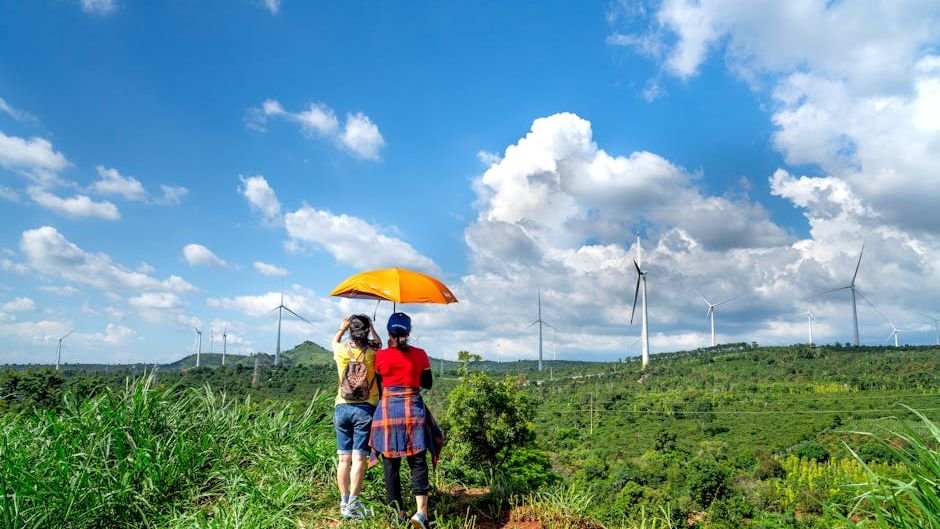
Something big is happening across Southeast Asia, and it’s not just the return of crowded beaches and packed temples. Governments from Bangkok to Bali, from Kuala Lumpur to Hanoi, are quietly but decisively rewriting the rulebook on how they welcome – and manage – the tourists who arrive on their shores. The changes range from new digital arrival systems and tourist levies to tightened visa-run rules and ambitious regional cooperation plans.
It’s a fascinating moment, honestly. The pandemic forced every country in the region to hit the reset button on tourism, and now that travelers have flooded back, nations are asking a harder question: do we want more visitors, or better ones? The answers have sparked a flurry of new policies that every traveler heading to Southeast Asia needs to understand. Let’s dive in.
The Big Picture: Tourism as an Economic Powerhouse
In 2024, tourism generated close to US$400 billion, accounting for almost 10 percent of South-east Asia’s GDP and supporting about 42.5 million jobs. That is a staggering number, and it helps explain why every government in the region treats tourism policy as a matter of economic survival rather than mere administrative tidying.
To build on this momentum while charting a path for more sustainable, inclusive, and resilient tourism, a new ASEAN Tourism Sectoral Plan (ATSP) for 2026 to 2030 was developed, reflecting emerging trends including the rise of regenerative tourism, expansion of intra-regional travel, new traveler segments, technological innovations, and environmental challenges reshaping ASEAN’s tourism agenda. Think of it less like a policy document and more like a 10-year blueprint for the entire region’s relationship with tourists.
The Shift From Quantity to Quality Tourism

ASEAN wants quality over quantity when it comes to tourism. Amid backlash against overtourism in some popular destinations, the regional grouping seeks to advance sustainable, inclusive, responsible, and high-quality tourism development. This is not just talk. It represents a genuine philosophical shift that is driving concrete policy decisions in nearly every member country.
ASEAN leaders issued a declaration reaffirming their commitment to strengthening efforts to create high-quality tourism, defining it as sustainable, inclusive, and responsible governance and management of infrastructure, facilities, products, and services that provide quality, value, and unique experiences while preserving natural, cultural, and heritage values. The language sounds formal, but what it really signals is that the region is trying to move away from a model where raw visitor numbers define success.
Thailand’s Major Visa Crackdown and Digital Overhaul
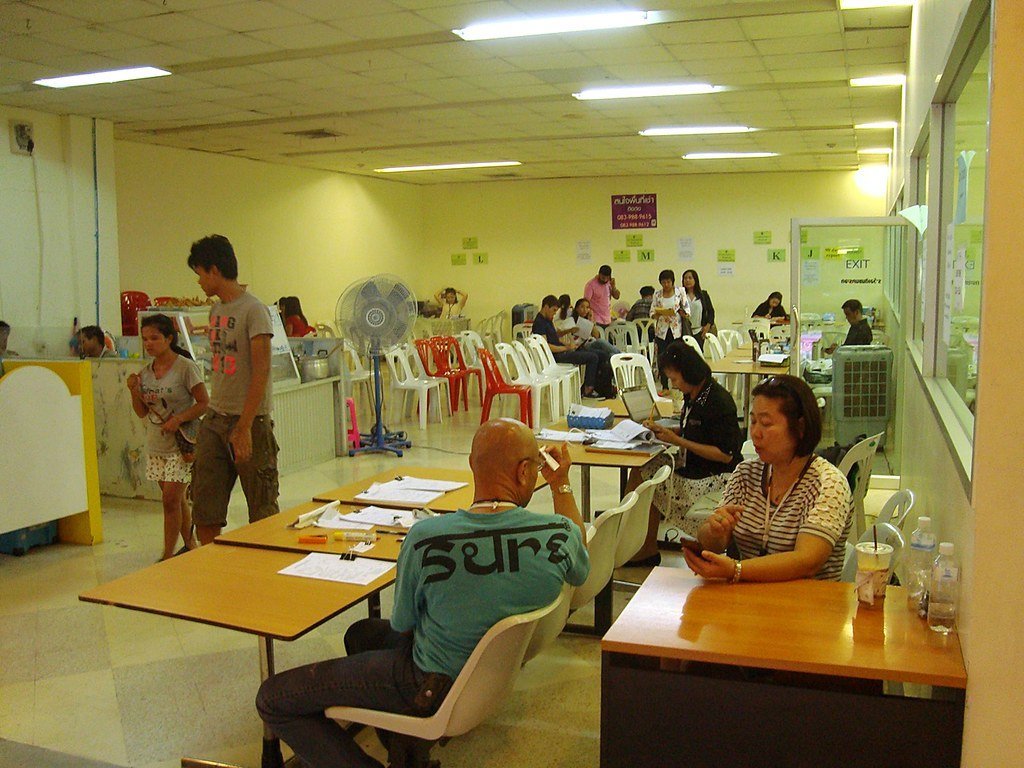
Thailand’s Immigration Bureau announced new visa exemption enforcement in November 2025. Immigration officers can now deny entry after two visa runs without justifiable reason, and visa exemption extensions are limited to two times per calendar year – a first extension of 30 days and a second of only 7 days. For the army of digital nomads and serial “visa runners” who had been practically living in Thailand on tourist exemptions, this is genuinely disruptive news.
The Thailand Electronic Travel Authorization and Digital Arrival Card has been mandated for most visitors. This system pre-screens travelers before arrival, streamlines immigration, and replaces the old paper TM6 arrival card. Since May 1, 2025, all tourists must also show proof of sufficient funds upon entry, such as bank statements. This requirement can be enforced at the discretion of immigration officers and is intended to ensure visitors have adequate financial resources during their stay. Thailand is clearly tightening up across the board.
Bali’s Tourist Levy and the Battle Against Overtourism

Implemented on February 14, 2024, by the Bali Provincial Government, a one-time tourist fee applies per entry, whether you’re arriving directly from abroad or traveling from another part of Indonesia. While this influx fuels the economy – tourism accounts for over 60 percent of Bali’s GDP – it also brings challenges like overtourism, waste management, and cultural strain. It’s a classic paradox: the very thing keeping the island alive is also slowly killing what makes it special.
Going by the 318 billion Indonesian rupiah collected, only roughly a third of foreign Bali visitors paid the tourist fee – even though a tourism police force had been formed partly to check that visitors had made the online payment. Going forward, tourists who do not pay the levy will be denied access to attractions, and violators of the other rules will face legal consequences in accordance with Indonesian law, such as fines, jail time, or deportation. Bali is clearly done being lenient about enforcement.
Malaysia’s Rise to the Top and Its Open-Door Strategy

In the first quarter of 2025, Malaysia surpassed Thailand to become the most-visited country in Southeast Asia, drawing 10.1 million international tourists. That is a remarkable shift that few would have predicted even two years ago. Malaysia’s rise was fueled by a combination of visa-free entry policies, targeted marketing, and infrastructure upgrades.
The Malaysian government recently extended its visa-free policy for Chinese tourists by five years, with a potential extension to 2036, with Indian tourists also included in the scheme, which currently runs through 2026. Visa-free agreements with major markets align with the government’s goals to sustain tourism growth, which saw record visitor numbers of over 38 million in 2025. It’s an aggressive, openly welcoming strategy – and so far, it’s working spectacularly well.
Vietnam’s Surprise Surge Through Visa Liberalization

The Vietnamese government issued Resolution 229 with updated visa exemption policies as part of a broader tourism stimulus program, an attempt to increase the nation’s accessibility for tourists. This announcement coincided with a period of rapid growth, with 12.2 million foreign visitors in the first seven months of 2025, a 22 percent increase over the same period in 2024.
In a startling development, Vietnam welcomed more Chinese tourists than Thailand for the first time in the first quarter of 2025. While Chinese citizens are still traveling abroad, many are choosing destinations other than Thailand. In the first quarter of 2025, 1.6 million Chinese tourists visited Vietnam compared to just 1.3 million to Thailand. The Vietnam National Authority of Tourism has launched targeted campaigns in China and increased direct flights to support this momentum. Vietnam’s transformation from a visa-restrictive outlier to a regional tourism powerhouse has been genuinely impressive to watch.
The Push for a Regional “Single Tourist Visa”
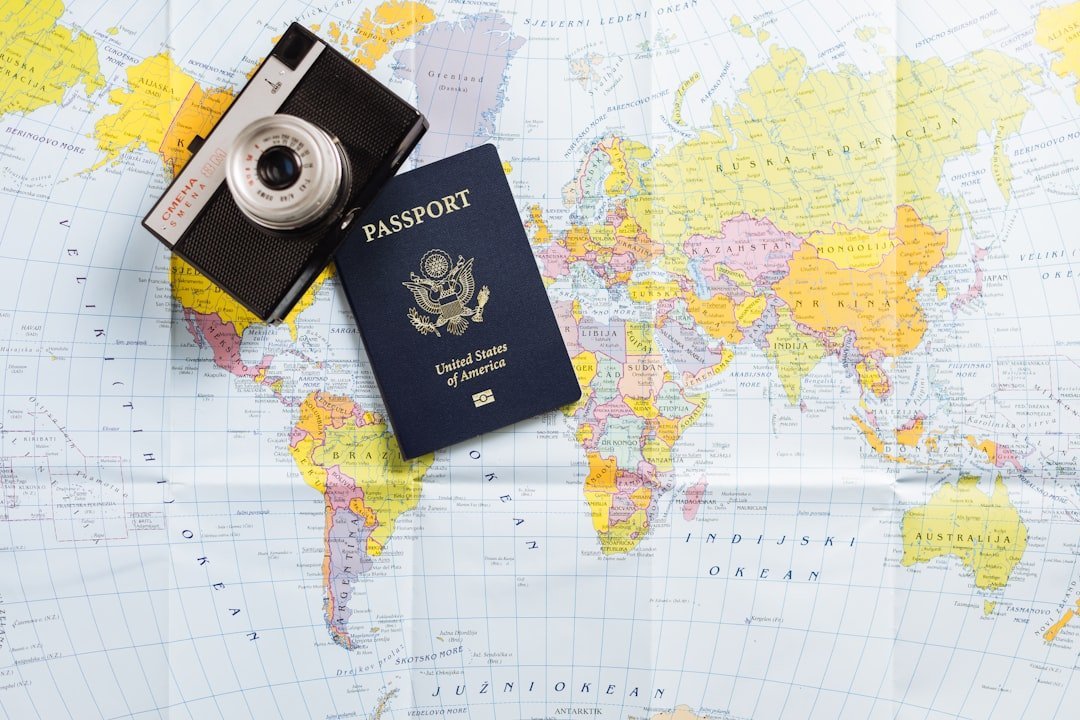
The ASEAN Tourism Agreement provides a framework, and a “Single Tourist Visa” pilot program, similar to the Schengen area, is planned for 2026, offering e-visas for all 10 member countries. If you’ve ever dreamed of hopping between Thailand, Vietnam, and Cambodia without navigating three separate visa processes, this is the development to watch. It could fundamentally change how multi-country itineraries in Southeast Asia are planned.
These successes are supported by strategic policies. ASEAN countries have facilitated travel with visa waivers and on-arrival benefits, simplifying regional travel. At the January 2026 ASEAN Tourism Conference, the Asian Development Bank announced a pipeline of over $3 billion in investments in Southeast Asia through 2030. The financial muscle being put behind this regional vision is enormous, suggesting these ambitions are far more than just aspirational statements.
Digital Transformation at the Border

Digital / Цифра, CC BY-SA 3.0)
Digital technology is playing an increasingly important role. Thailand and Singapore are leading with apps for easy bookings and AR-enhanced tours, transforming smartphones into personal guides. Vietnam’s online efforts have attracted tech-savvy millennials, while Indonesia’s platforms showcase lesser-known destinations. The visitor experience, from the moment you apply for entry to the moment you navigate a temple complex, is being rebuilt around digital infrastructure.
All travelers entering Singapore must complete the Singapore Electronic Arrival Card up to three days before arrival. Singapore, as usual, has been among the smoothest implementers of digital border systems. Many countries have streamlined entry with e-visas, extended visa waivers, and digital travel authorizations, making travel planning easier, though rising tourist fees, hotel taxes, and documentation changes mean travelers should budget carefully, check entry requirements well before departure, and understand local rules to avoid surprises at immigration.
Safety Concerns Reshaping Tourist Flows

Thailand saw a 24 percent year-on-year drop in Chinese arrivals in the first quarter of 2025, largely due to concerns over safety following the high-profile kidnapping of actor Wang Xing in January. This is a sobering reminder that perception matters as much as policy. A single widely covered incident can redirect millions of travelers almost overnight, regardless of how aggressively a country liberalizes its visa rules.
Bali has also been plagued by a rash of ill-behaved tourists. In 2023, one Russian influencer was deported from Indonesia after posing naked on a sacred tree. Dozens of others have been sent packing for working illegally on tourist visas. Reports of reckless driving, altercations with authorities, and disrespect for local customs have fueled calls for stricter regulations across the board. The region’s governments are finding that managing tourist behavior has become just as important as attracting tourists in the first place.
What Lies Ahead: Tourism Targets and Long-Term Vision

The region is expected to receive 187 million tourist arrivals by 2030, capturing 10.3 percent of global arrivals. That is a formidable target, and reaching it will require every country in the bloc to keep evolving its policies in real time. The Declaration on the Implementation of the ASEAN Tourism Sectoral Plan 2026 to 2030 was unveiled on January 29, 2026 at the ASEAN Tourism Conference in Cebu, Philippines, marking a decisive move from post-lockdown recovery towards long-term transformation of the region’s tourism sector.
Vietnam, the region’s newest tourism powerhouse, welcomed an estimated record-breaking 21.5 million visitors in 2025 and is setting its sights on 25 million foreign arrivals for 2026. The Visit Malaysia 2026 campaign aims to draw 26.1 million visitors from abroad and generate high revenue, building upon the 2025 record. The competition between these nations for tourist spending is intensifying, and it’s pushing every government to be bolder, faster, and smarter in its approach to travel policy. For travelers, that competition is ultimately a good thing – it means more openness, more digital convenience, and destinations that are genuinely fighting to earn your visit. What it also means is that the days of showing up anywhere in Southeast Asia completely unprepared are well and truly over.
What do you think about the direction Southeast Asia’s tourist policies are heading? Let us know in the comments.