

If you are planning a trip to Europe this year, things look meaningfully different at the border than they did just two or three years ago. The European Union has rolled out what it calls the most significant overhaul of its border management system in decades, and the changes affect millions of visitors from the United States, Canada, the United Kingdom, Australia, and scores of other countries. Whether you’re heading to Paris in the spring or Rome in the autumn, the way you enter the Schengen Area has fundamentally changed.
Two interconnected systems are driving this transformation. The Entry/Exit System, known as EES, is already live and fully operational as of April 2026. The European Travel Information and Authorization System, or ETIAS, is close behind, with a launch expected in the final quarter of 2026. Together, they replace decades of ink stamps with digital records, biometric scans, and online pre-authorization. Here’s everything you need to know before you fly.
The End of the Passport Stamp
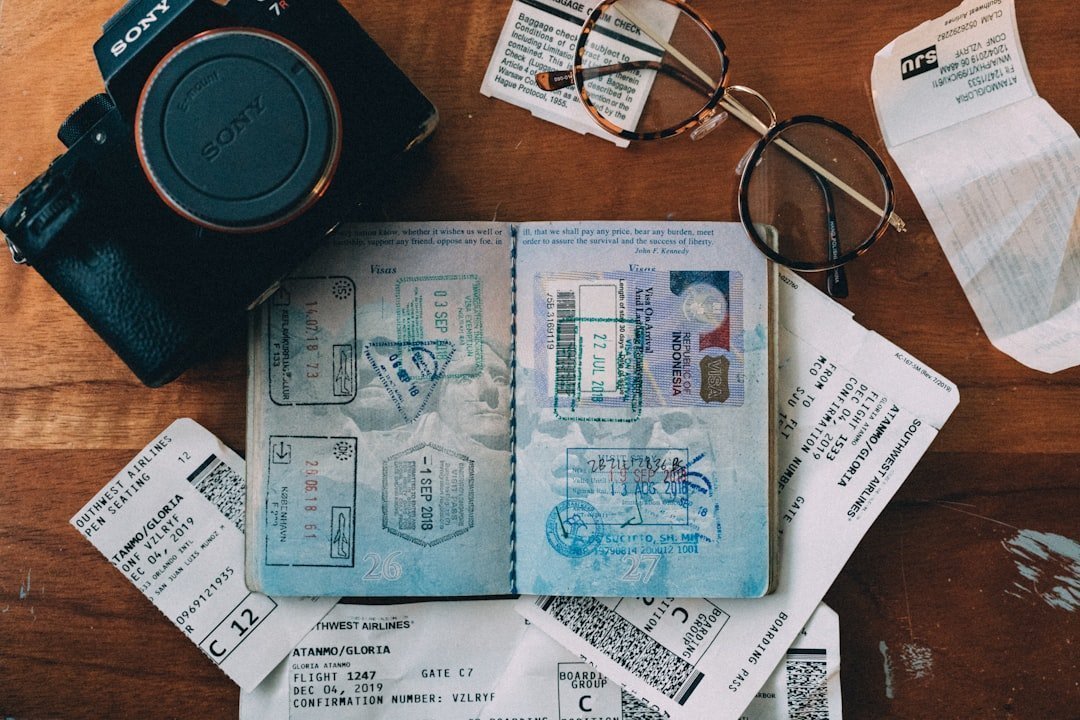
From April 10, 2026, travelers entering the Schengen Area moved away from the familiar passport-stamp ritual to an automated, biometric registration process designed to record entries and exits electronically. That quiet “thud” of an ink stamp that so many travelers used to collect like souvenirs is, officially, a thing of the past. That system no longer exists for non-EU nationals. Across all 29 countries of the Schengen Area, it has been replaced by the EU’s Entry/Exit System, a centralised digital database that collects biometric data and tracks every border crossing in real time.
For decades, passport stamping was the standard for recording entry and exit, but this method had its flaws: stamps could fade, be misplaced, or even be forged. The EES replaces this with electronic records, storing biometric information such as facial images and fingerprints for accurate identification. This modernization ensures that when you cross the border, your travel history is digitally logged, reducing the likelihood of errors or disputes about your time spent in the Schengen Area.
What Exactly Is the Entry/Exit System (EES)?
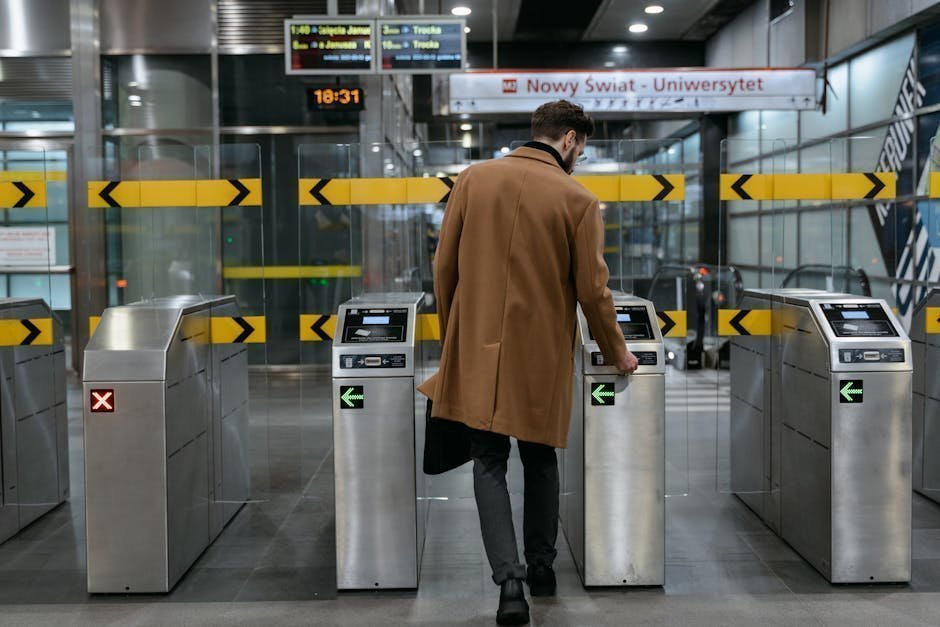
The EES is an automated IT system for registering non-EU nationals traveling for a short stay, each time they cross the external borders of any EU countries using the system. Think of it as a digital passport check that remembers everything. The system records key details, including facial images, fingerprints, travel documents, entry and exit dates, and any instances of refused entry. Each time a traveler crosses a border, the data is automatically checked and updated.
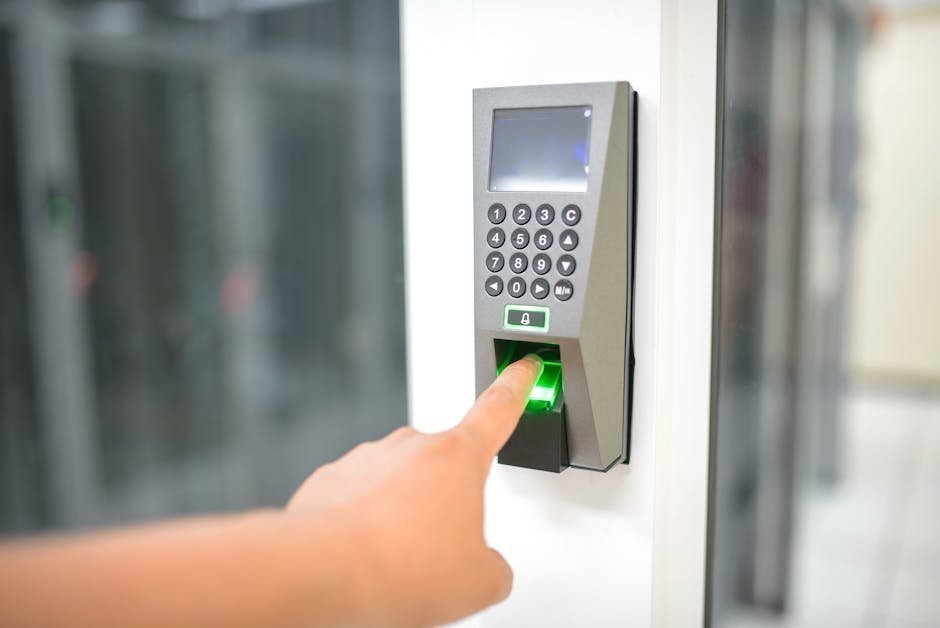
As part of the new process, the EES will collect travelers’ biometric data, such as facial images and fingerprints, and will allow border agents to access international travelers’ data and travel history, letting them quickly see whether they are authorized to enter the Schengen area. People of all ages will need to go through the EES checks. However, children under 12 will not need to provide fingerprints but they will need to have a facial scan taken.
Who Does EES Apply To – And Who Is Exempt?
This affects visitors from the United States, India, Australia, and other non-EU countries who plan to enter any of the 29 participating Schengen countries for short stays, typically up to 90 days within a 180-day period. It also applies to UK citizens, who since Brexit are now treated as third-country nationals at EU borders. Some travelers are exempt from the EES biometric checks. If you’re an EU or EFTA national, or hold a long-term visa or residence permit, you won’t be subject to the biometric data collection. The same goes for those with local border traffic permits and certain other status categories.
Irish passport holders are exempt from EES. If you are a British passport holder but have EU residency, you are also exempt from EES. It’s worth noting that Cyprus and Ireland are not part of Schengen border controls and will continue with their own entry procedures, so passports will still be stamped manually there. So if your itinerary takes you only to Dublin, you won’t encounter EES at all.
The Rollout Timeline: From October 2025 to April 2026
The new requirements include two steps: an enhanced Entry/Exit System (EES), started in October 2025 but fully rolling out in April 2026, and the new European Travel Information and Authorisation System (ETIAS), scheduled to begin in late 2026. The phased approach was deliberate. December 2025 saw borders operating EES start to take biometric checks. By January 2026, half of border points should have been operating EES, with at least a third of passengers going through the system. By March 2026, all borders were operating EES and taking biometrics, processing at least half of passengers. From April 10, 2026, the system is fully live, with all borders processing all passengers through EES and taking biometrics.
Since the progressive rollout began in October 2025, the system has registered over 45 million border crossings. In that time, it refused entry to more than 24,000 people, for reasons including expired or fraudulent documents and insufficient justification for a visit, and identified over 600 individuals flagged as security risks who were refused entry. More than 4,000 Schengen overstays were automatically detected. Those are not trivial numbers – the system is clearly doing exactly what it was designed to do.
What Happens at the Border: Your First Experience

Under the EU’s modernised screening regime, travelers from countries outside the EU or Schengen Area must undergo a biometric check the first time they enter. Border control officers or automated kiosks capture your personal travel document details, facial image, fingerprints, and other entry and exit data into a centralised digital system. This information is logged once and then used for faster verification on subsequent entries or exits during that trip period. Honestly, it’s a bit like the first time you set up a new smartphone – the initial setup takes a few minutes, but after that things run faster.
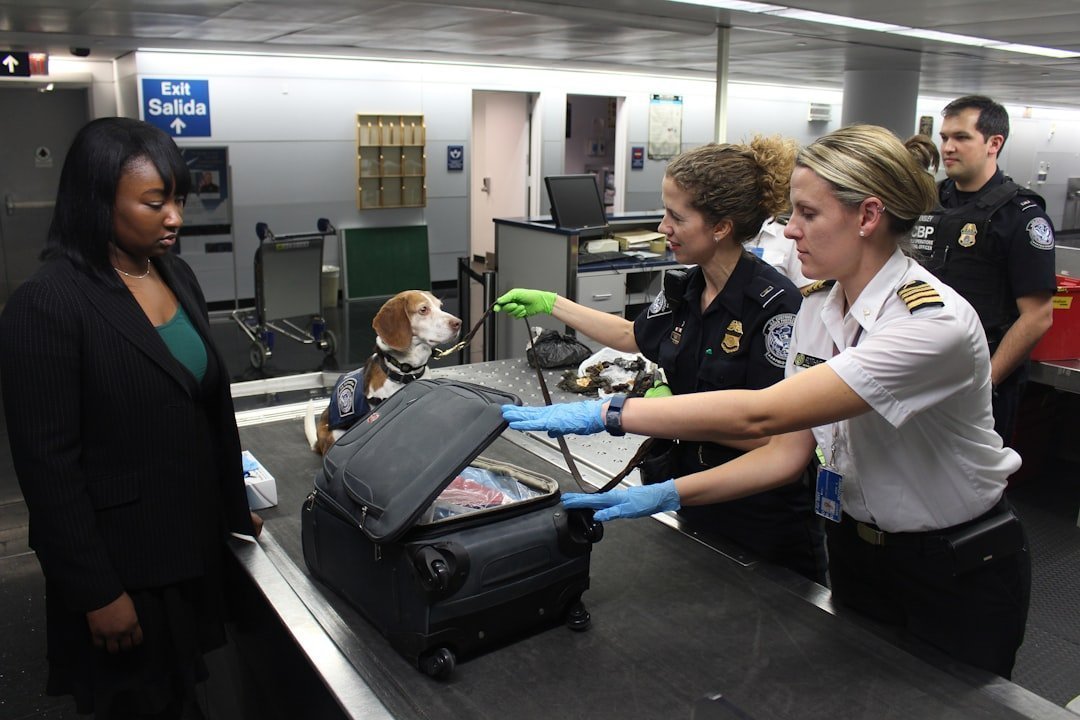
The good news is that once your biometric profile is created, it is stored in the system for three years. On return visits, only facial verification is needed. So the slightly longer queue you face on your first post-April 2026 trip should be a one-time inconvenience, not a permanent feature. In the next few months, visitors to the EU should allow for extra time at the border for the initial biometric data collection. That may mean planning for longer layovers, especially in large airports like Frankfurt or Amsterdam Schiphol.
ETIAS: The Pre-Travel Authorization Coming Later in 2026
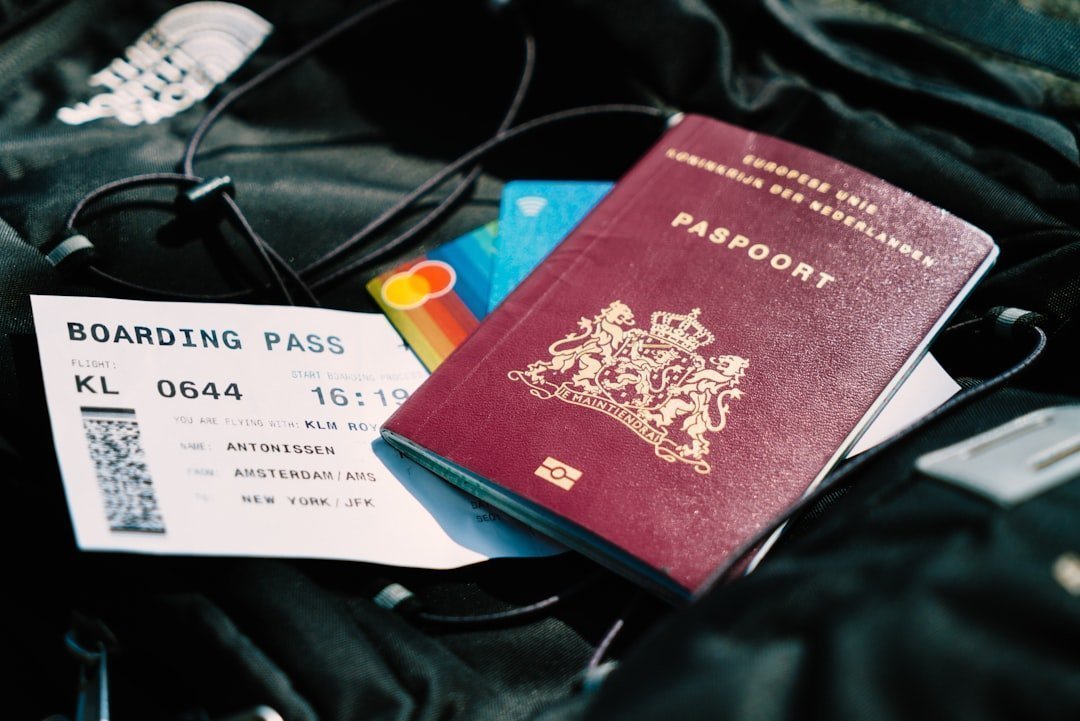
The ETIAS is an electronic travel authorization, not a visa. It applies to non-EU travelers who currently do not need a visa to enter European countries in the Schengen Zone. Think of it as the EU’s version of the American ESTA – a quick online form you fill out before your trip, not a full visa application. ETIAS will start operations in the last quarter of 2026. Travelers who previously did not need a visa will need to apply for this authorization online prior to their trip.
Citizens of visa-exempt countries, including Americans, Canadians, Australians, Brits, and many others, will need to apply for the digital travel clearance before crossing into the EU. The application requires travelers to provide personal information, passport information, travel plan information, and answer a few basic questions about their history and health. Most applications are expected to be approved automatically within minutes, though some may be flagged for manual review, which can take a few extra days.
ETIAS Fees, Validity, and Passport Rules
The cost of an ETIAS is €20. However, individuals under the age of 18, or over the age of 70, will not need to pay the fee. That is genuinely modest compared to other travel authorizations globally. One of the advantages of this system is that the ETIAS authorization is valid for up to three years or until your passport expires, whichever comes first. This means that if your passport remains valid, you can travel multiple times across the participating countries without having to reapply and pay again during that period. However, if you renew your passport, you will also need to obtain a new ETIAS authorization.
Your passport needs to meet certain requirements for your ETIAS to be approved: it must be valid for at least three months beyond your intended departure date from the Schengen Area. Passports issued more than 10 years ago may not be accepted, even if they are still valid. If your passport doesn’t meet these standards, you’ll need to renew it before applying for ETIAS. This catches many travelers off guard, so it’s worth checking your passport issue date well before you book flights.
The 90-Day Rule: Now Strictly Enforced
The 90 days refers to 90 days in any rolling 180-day period across the entire Schengen Area combined – not per country, and not per calendar year. Overstaying will be recorded and may affect future ETIAS applications. Many people have misunderstood this rule for years, assuming that a quick trip to the UK or a weekend in Switzerland would “reset” the clock. It does not work that way. The 90 days does NOT restart when you leave Schengen. It only restarts when enough days have passed outside the 180-day window that your previous stays fall outside it.
Even a single day over the 90-day limit can result in fines, deportation, and an entry ban across all 29 Schengen countries. With the new Entry/Exit System (EES) now digitally tracking every border crossing, overstays are detected automatically. There is no grace period. Travelers who overstay may face financial penalties. In France, the cited fine is €198. An overstay can also affect future visa applications, creating longer-term consequences for those who exceed their permitted stay.
Beware of Fake ETIAS Websites

Travelers should access official and accurate information on ETIAS and its requirements exclusively through the official ETIAS website: travel-europe.europa.eu/etias. A growing number of unofficial and/or fake ETIAS websites have been advertised recently, pretending to provide official information about the EU’s upcoming travel requirements in different languages. This is not a minor risk. There is only one official ETIAS website. Many unofficial websites charge €50 to €100 or more in fake service fees. As of early 2026, the system is not yet accepting applications. Any site claiming to process your ETIAS now is a scam.
As of January 2026, the application system is not yet open. EU officials say it will be accessible a few months before the system goes into effect. The safest approach is to bookmark the official EU portal, check it regularly as the Q4 2026 launch approaches, and never hand over your personal details or payment information to any third-party website claiming to offer ETIAS early. Once the system is activated, there will be a transitional period of at least six months, during which travelers will be asked to apply for an ETIAS travel authorization but won’t be refused entry without one.
How to Prepare for Your Trip to Europe in 2026
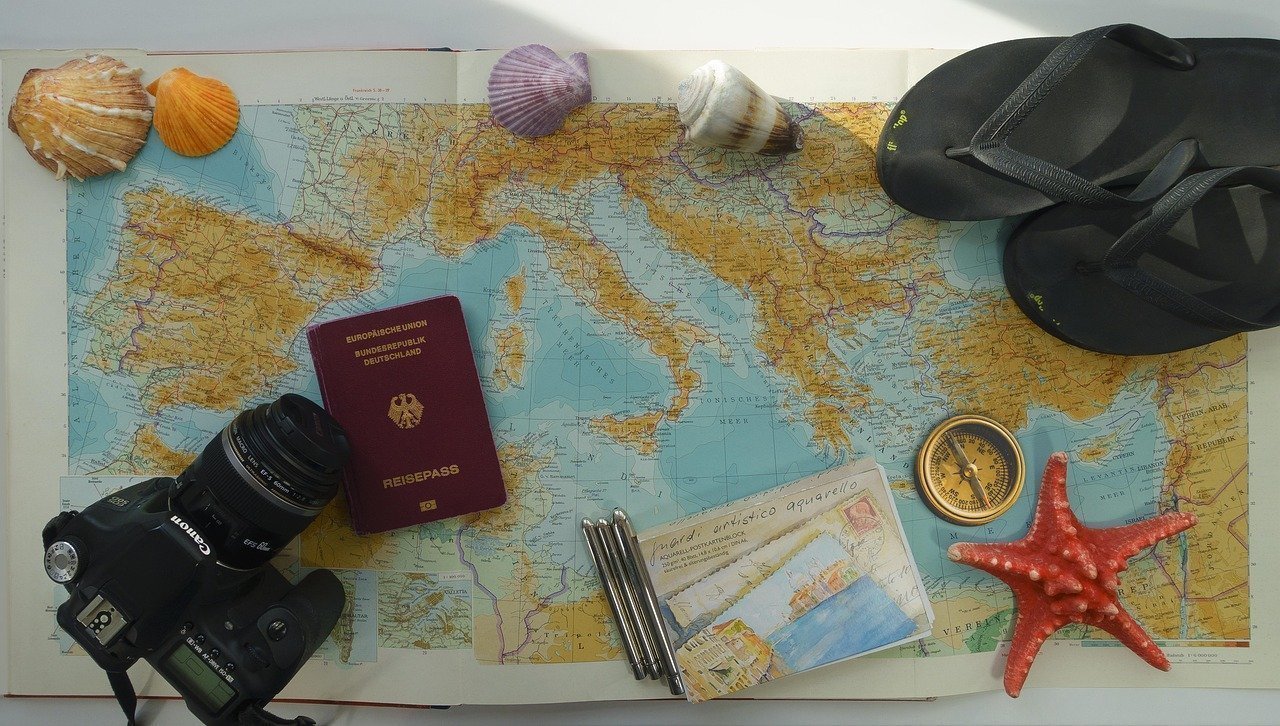
As Europe’s new border rules take effect, travelers should take proactive steps to prepare: check your passport’s validity – it should be issued within the last 10 years and valid for at least three months beyond your planned stay. Beyond the passport itself, allow extra time at border checkpoints. Tourists may experience longer queues, especially at major airports such as Amsterdam Schiphol, Paris Charles de Gaulle, Madrid Barajas, and Frankfurt. It is essential to arrive early and prepare documents in advance to avoid delays.
Travelers need to have a biometric passport, also known as an electronic or e-passport, to use the self-service passport kiosks. Visitors to the EU without biometric passports will be required to undergo additional screening at the border and will not be able to use the self-service kiosks. Travel forums and international travel planners also recommend that travelers familiarize themselves with the concept that passport stamps are increasingly replaced with digital records. This is not only a shift in procedure but also a cultural change in how travel history is documented and verified by host nations in Europe. In other words, that well-worn passport full of colorful stamps? It’s becoming a relic of a different era of travel – and the sooner travelers embrace that, the smoother their journeys through Europe will be.