
Eastern Europe is one of those travel regions that keeps surprising people. You expect it to be cheaper than Paris or Amsterdam, sure, but the actual numbers can be genuinely jaw-dropping, especially when you discover that world-class cities with stunning architecture, deep history, and vibrant food scenes can be explored for a fraction of what you’d pay in Western Europe. I’ve spent a lot of time digging into the real costs across the region, and the differences between countries are more dramatic than most people realize.
Whether you’re a budget backpacker stacking hostel nights in Krakow, a mid-range traveler wanting a private room in Budapest, or simply curious about what your money actually buys you when you head east, this breakdown is for you. The numbers tell a fascinating story. Let’s dive in.
The Big Picture: Why Eastern Europe Is So Affordable
Eastern Europe typically costs roughly half what you’d spend in Western Europe for equivalent experiences, though the gap is slowly narrowing in popular destinations like Prague and Budapest. Think of it like this: the same day of sightseeing, decent meals, and a comfortable bed that would cost you €150 in Amsterdam might cost you €55 in Bucharest. That’s not a minor difference. That’s a life-changing difference for anyone on a fixed travel budget.
Countries in Eastern Europe are much more affordable than countries in Western and Northern Europe, partly because most tourists tend to head west, meaning the eastern side of the continent sees less tourist traffic, giving you better value for money. The infrastructure is improving, the food scene is quietly becoming excellent, and the crowds are still manageable. Honestly, it’s one of travel’s best-kept open secrets.
Serbia: The Surprising Budget Champion
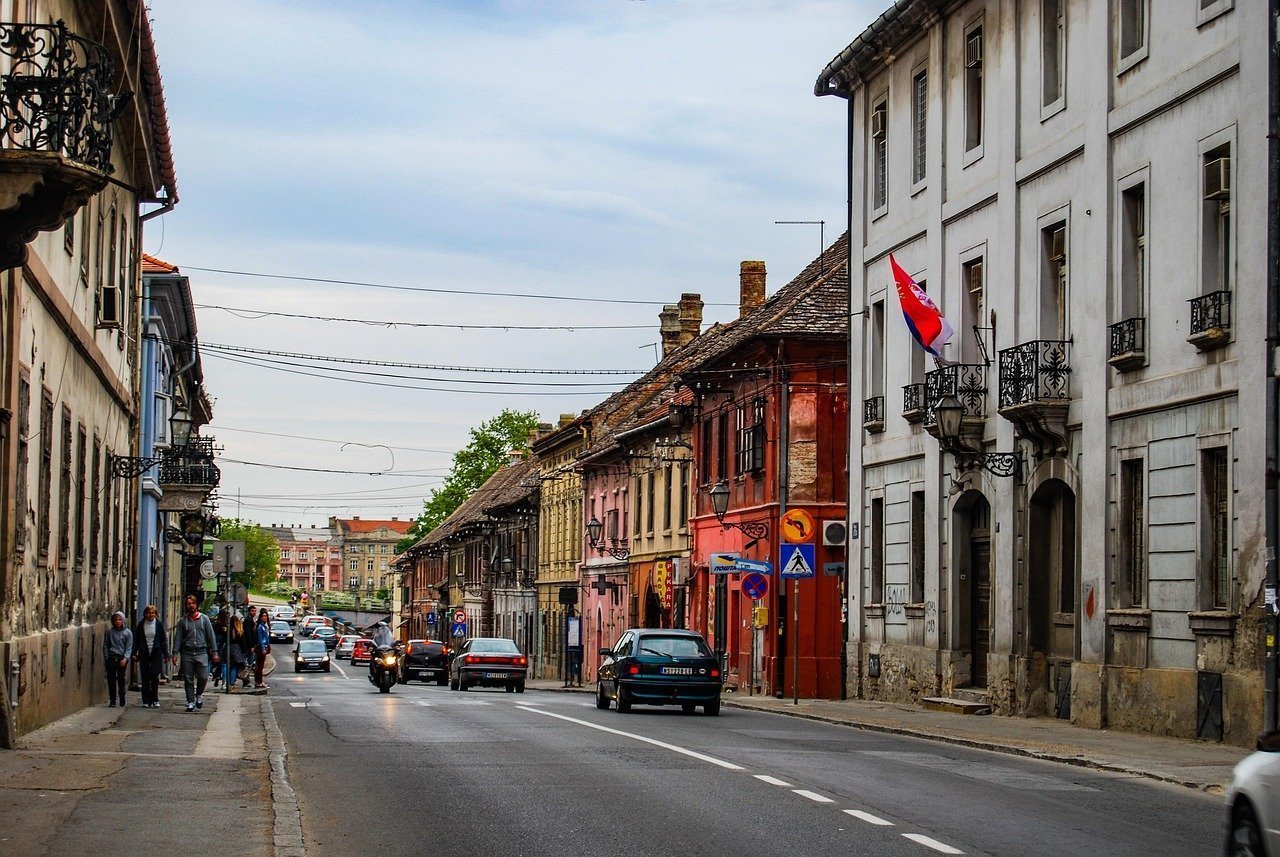
According to current travel cost data calculated from real traveler budgets, Serbia comes in at around €42 per day, making it one of the least expensive countries for travel in all of Europe. Belgrade, the capital, punches well above its weight. The nightlife is legendary, the food portions are enormous, and a sit-down meal with drinks rarely breaks the bank.
You could spend a week in Norway, one of the most expensive places on the continent, and then catch a flight from Oslo to Belgrade, Serbia, which stands as one of the most affordable destinations in Europe. That contrast is almost comical when you see it laid out. Serbia is the kind of place where travelers who thought they were “done with backpacking” suddenly find themselves tempted to stay an extra week.
Bulgaria: Beach, History, and Beer Money to Spare
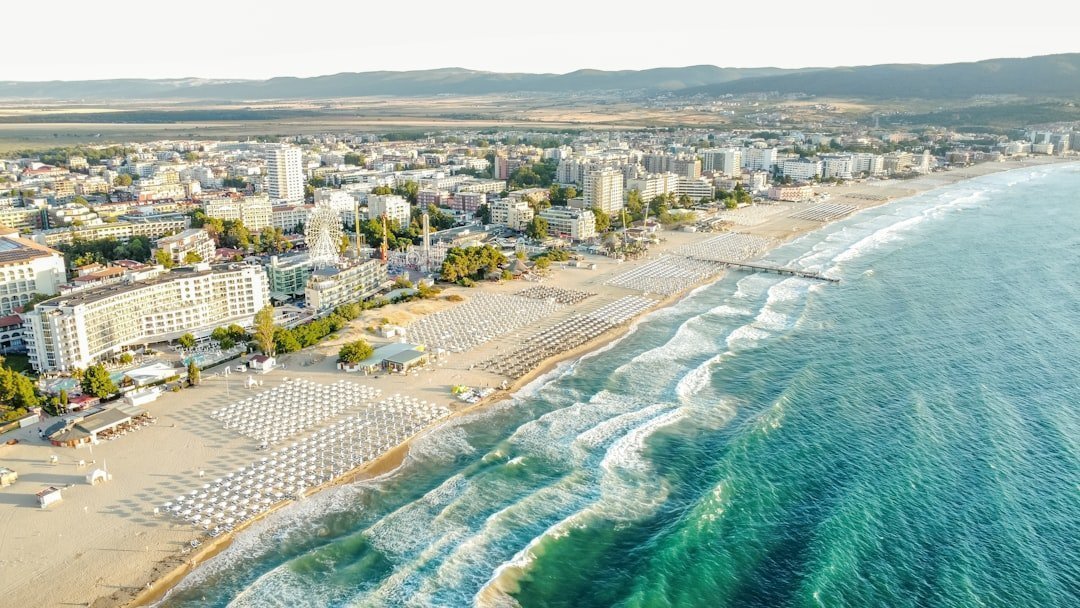
Real traveler data puts Bulgaria’s daily costs at roughly $44 USD per day, covering accommodation in hostels, local meals, and public transport across multiple cities. If you budget around $35 to $40 USD per day, that should be more than adequate for a solid backpacker experience, dropping slightly lower if you cut out alcohol and evening activities. For a country with Black Sea beaches, ancient ruins, and a mountain range full of hiking trails, that’s remarkable value.
Romania and Bulgaria sit at the very floor of European travel costs, and these are not compromise destinations. The Transylvanian countryside, Bucharest’s unexpected energy, Sofia’s growing food scene, and the Black Sea coast all offer genuine travel experiences. Sofia in particular is having a moment. Its restaurant scene has quietly evolved into something worth traveling for on its own.
Romania: Transylvania Without the Tourist Tax
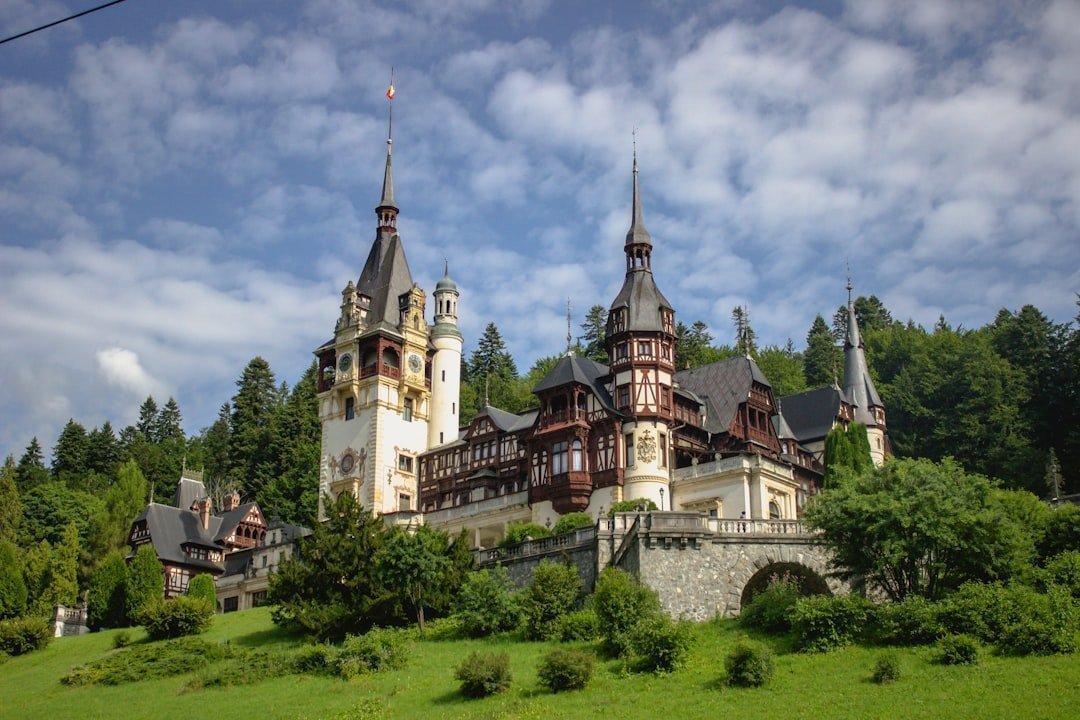
Most backpackers should aim for around 140 RON per day, roughly $31 USD, in Romania. That budget assumes staying in hostels, using public transportation, doing mostly free activities, cooking most meals, and limiting drinking. Step up your comfort level with a private room and regular restaurant meals and you’re looking at around $58 USD per day, still impressively affordable.
Romania has been growing in popularity over the years but remains relatively untouched compared to other European destinations. That’s starting to change, slowly, but the window to visit before prices catch up with the hype is still open. Current travel cost rankings place Romania at around €102 per day when averaged across all traveler types, but budget travelers operating on a hostel-and-local-food approach can keep it well below that figure.
Poland: Krakow, Warsaw, and a Wallet That Stays Intact
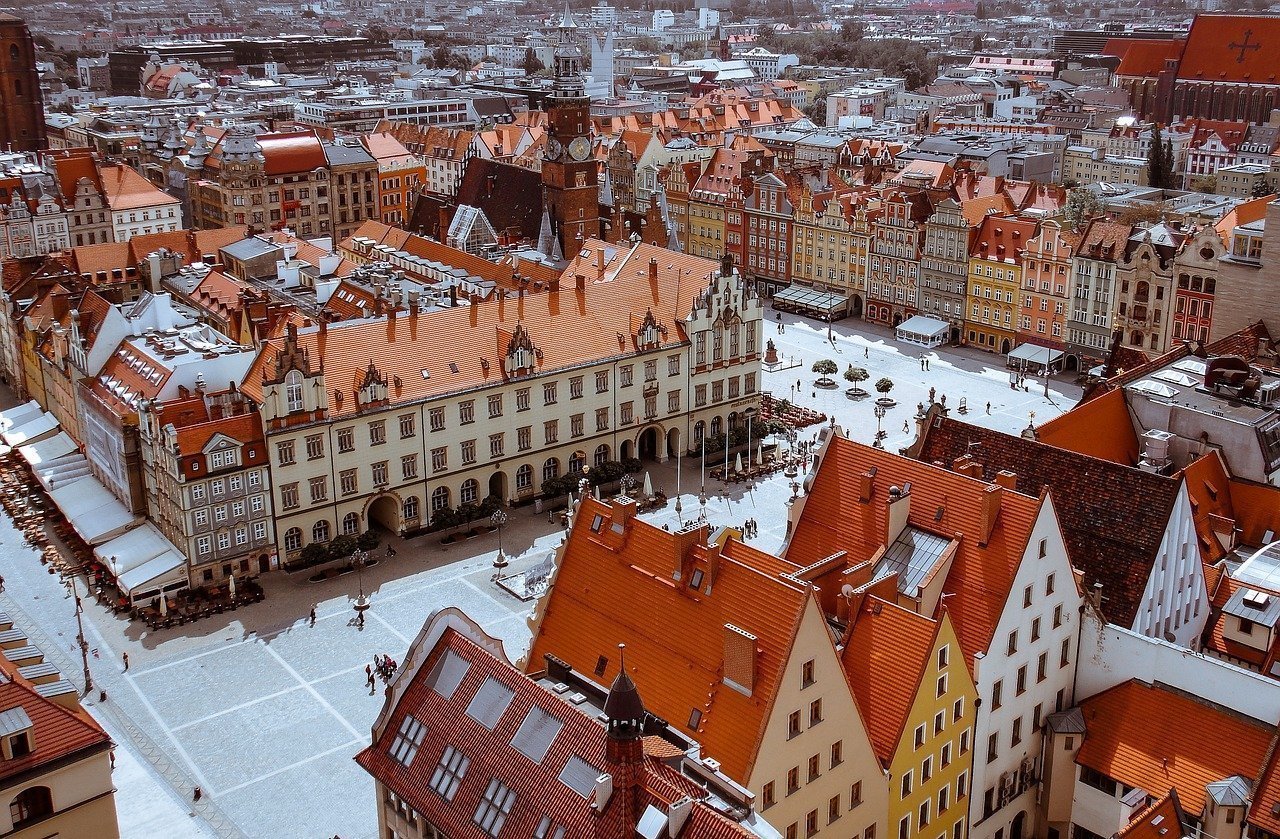
Poland currently sits at around €68.72 per day in average travel cost according to aggregated real traveler data, placing it firmly in the affordable tier of Eastern European destinations. Krakow in particular has earned a reputation as one of the finest budget cities in Europe. Hostel dorm beds in Krakow can be found for as little as €18 per night, which leaves considerable room in the daily budget for food, activities, and a cold beer in the Old Town square.
Cities like Krakow see prices jump a bit compared to smaller Polish towns, but even in a busy tourist hub, Poland remains genuinely affordable by any European standard. Warsaw tends to run slightly higher than Krakow, particularly for accommodation, but the food scene in both cities is excellent value. The pierogi-to-price ratio is, I would argue, one of the best in the world.
Hungary: Budapest on a Budget That Feels Like a Splurge
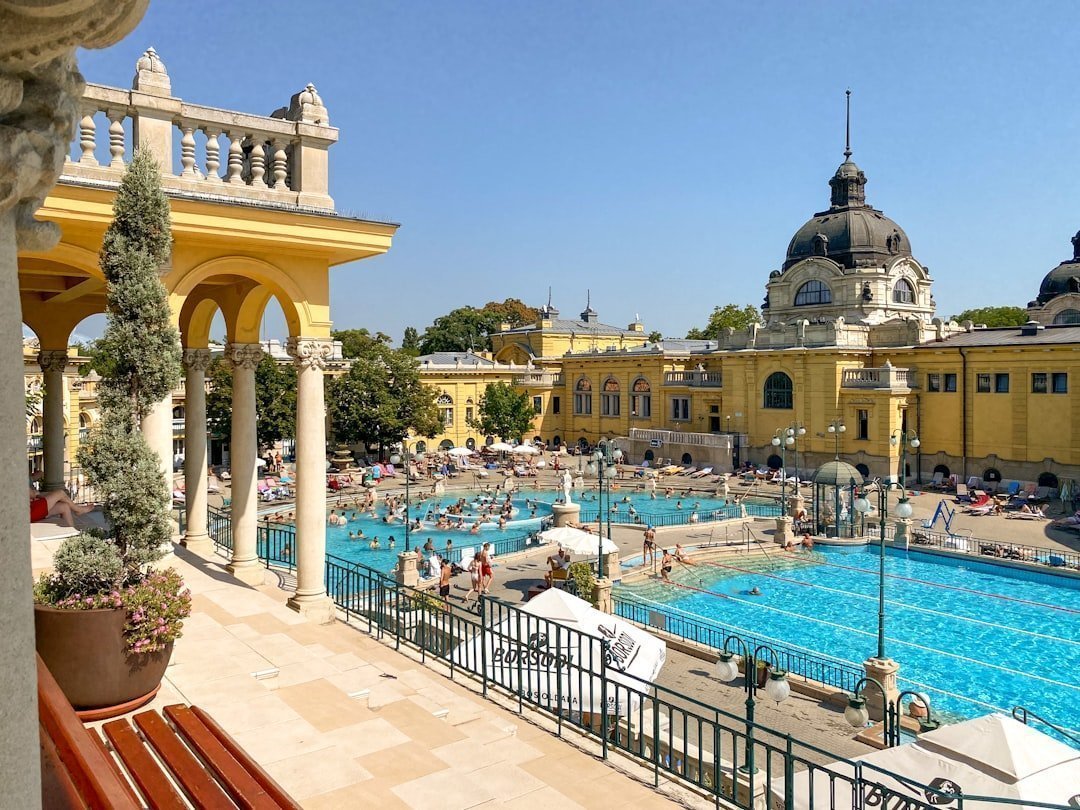
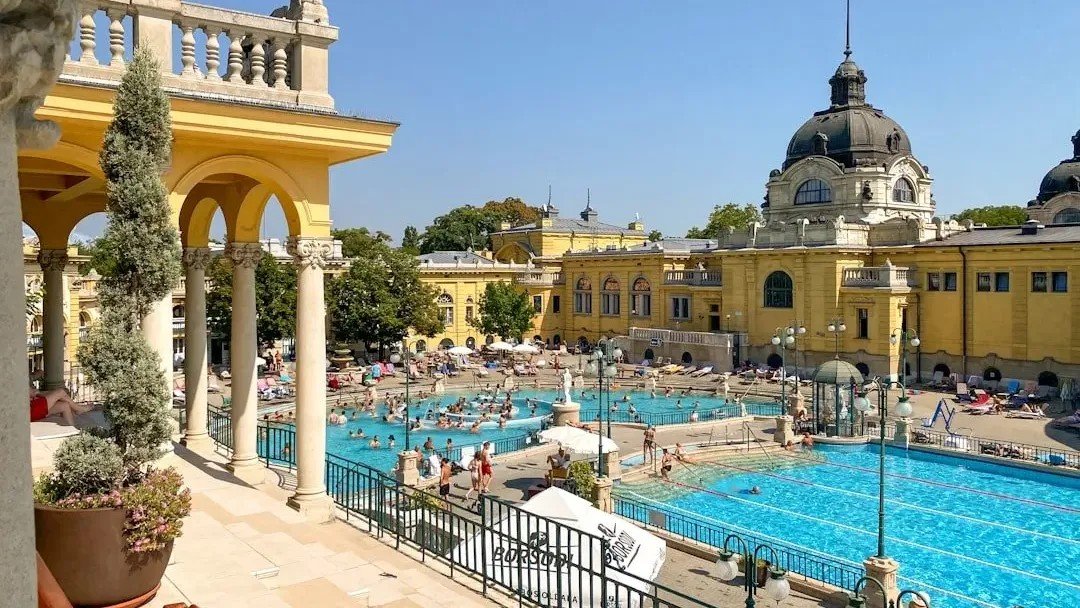
Hungary sits alongside Poland as one of Europe’s best value destinations, with Budapest offering thermal baths, stunning architecture, and a food scene at around $35 to $55 per day that would cost nearly three times as much in Paris, while the ruin bars of the Jewish Quarter deliver an atmosphere at a fraction of Western European prices. It’s the kind of city where you feel like you’re living well even while spending almost nothing.
Central and Eastern Europe still offers some of the best value in the region, though prices are slowly creeping upward. Vienna and Zurich operate in an entirely different league from Prague or Budapest, and while inflation has nudged prices higher in 2025, especially in Hungary and Czechia, these destinations remain strongly competitive compared to Western Europe. Honestly, if you’ve never experienced a Budapest soaking session in a thermal bath followed by dinner in a ruin bar for about €30 total, you’re missing something special.
The Czech Republic: Prague’s Price Tag and the Escape Route
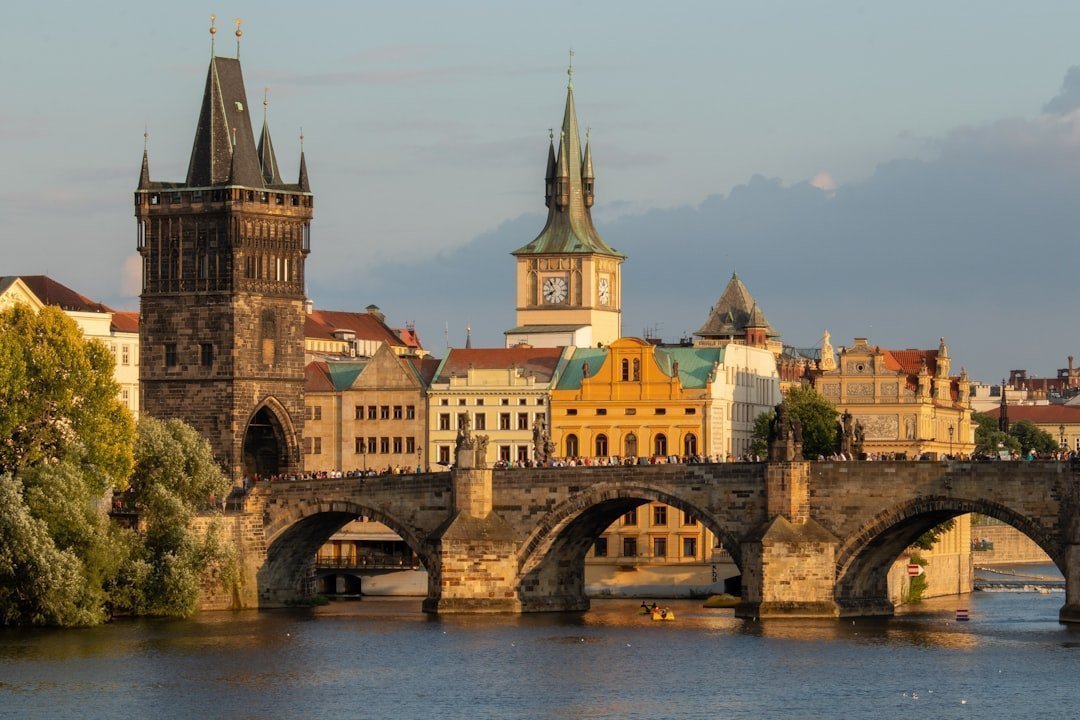
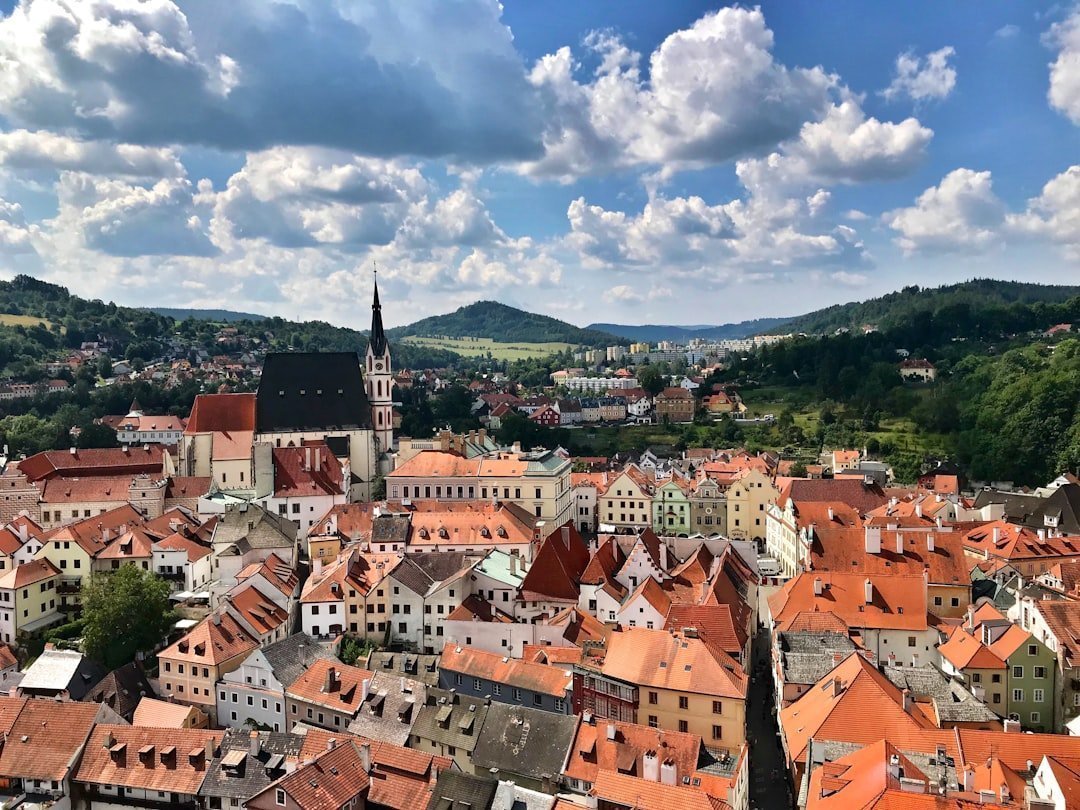
The Czech Republic comes in slightly higher than its neighbors at around $45 to $65 per day on a budget, mostly because Prague’s popularity has pushed accommodation prices upward. Even so, a beer still costs what a coffee costs in London, and food remains impressively affordable. Step outside Prague to cities like Brno or Cesky Krumlov and prices fall further still.
Prague offers excellent value for money, though travelers need to walk away from the tourist traps to access local prices. That’s genuinely good advice. The two-minute walk from the astronomical clock to a side street can mean the difference between a €15 tourist menu and a €7 lunch that’s actually better. Prague is also probably significantly more expensive than the rest of the Czech Republic, so a national average has limited validity for travelers staying only in the capital.
Albania and Bosnia: The Balkans’ Hidden Affordability
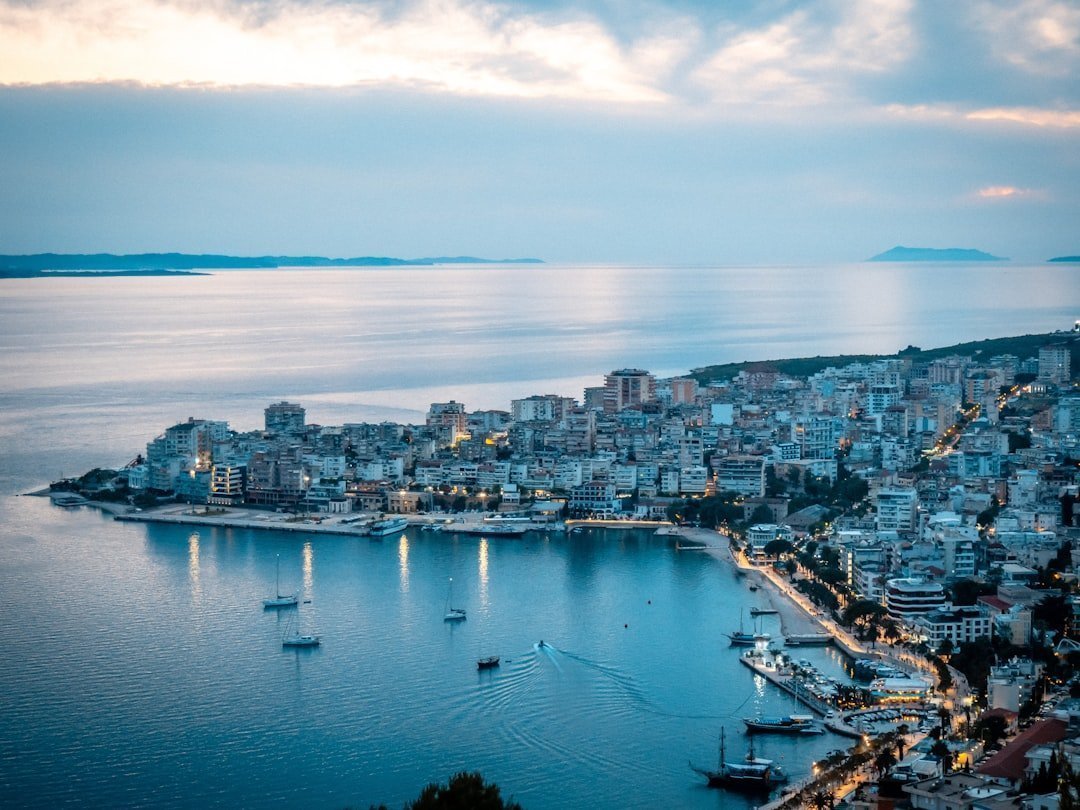
Albania comes in at around €91 per day on average across all traveler types, while Bosnia and Herzegovina sits at approximately €85 per day, making both countries highly competitive options for the budget-conscious traveler willing to venture off the well-worn path. Albania in particular has seen a surge in traveler interest in recent years as word has spread about its coastline and remarkably low prices.
Albania, Romania, Bulgaria, Serbia, Montenegro, and Hungary consistently appear among the cheapest countries to visit in the Eastern European region. Bosnia’s Sarajevo is a city that genuinely shocks first-time visitors. The culture is rich, the food is extraordinary, and the sense of history is palpable around every corner. All of that comes at a price that feels almost unfairly low compared to what you get.
Accommodation Costs: The Biggest Variable Across the Region
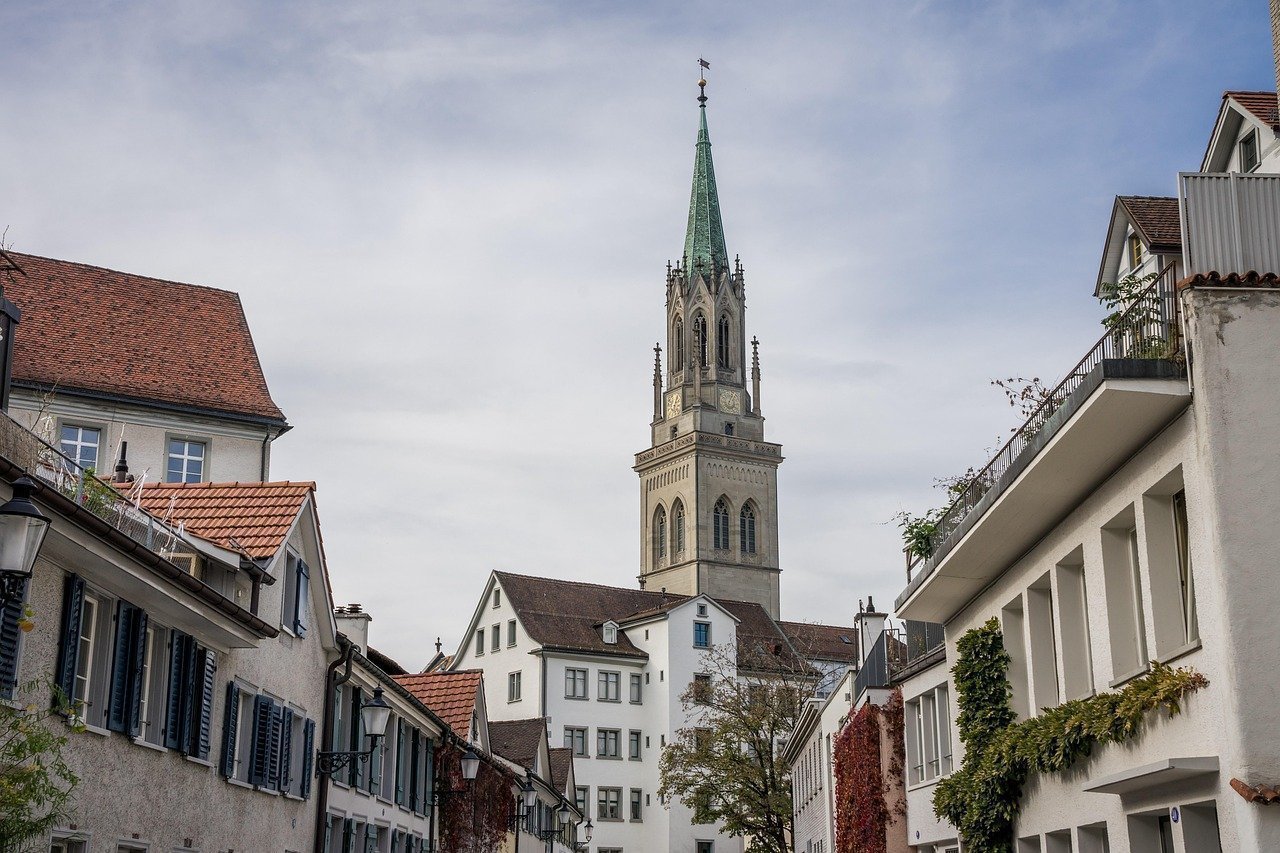
Hostel prices across Eastern Europe average around €20 to €40 per night, compared to €40 to €60 per night in Western Europe, which represents a meaningful daily saving that compounds quickly over the course of a longer trip. A two-week trip can easily see you save several hundred euros on accommodation alone simply by traveling east instead of west.
Cities like Warsaw, Budapest, Sofia, and Bucharest commonly see hostel dorm bed prices closer to €10 per night, which is extraordinary by any standard. Private rooms in budget guesthouses across the Balkans can often be found in the €20 to €35 range. When two people share a private room, the effective per-person cost drops by roughly a quarter to a third compared to solo travel, which makes traveling as a couple in Eastern Europe an especially smart financial move.
Food Costs: Eating Well for Almost Nothing
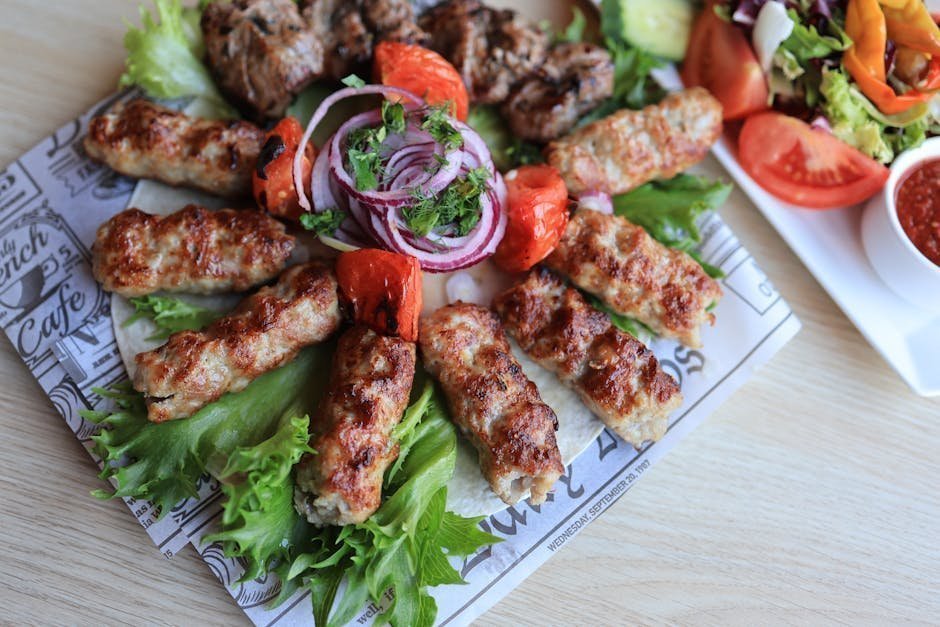
In Eastern Europe, money tends to go significantly further when it comes to food, with hearty meals readily available for under €10. That’s not street-food-only territory, either. In most Eastern European cities, a proper sit-down restaurant meal with a starter, main, and a local beer can still come in well under that mark, especially outside the main tourist zones.
For mid-range dining covering a bakery breakfast, a lunch special, and a casual dinner, budget around €30 to €45 per day, while budget travelers can manage on as little as €15 to €25 by using supermarkets and fixed-price lunch menus. The lunch special culture in Central and Eastern Europe is one of the great unsung travel advantages of the region. A proper two-course meal with soup for €5 to €8 is completely normal, and the food is genuinely good.
Seasonal Swings and How They Affect Your Daily Budget

Travelers should expect costs to increase by roughly 20 to 50 percent during peak season compared to base prices, with an equivalent reduction of 20 to 30 percent available during low season travel. That’s a swing wide enough to dramatically change your experience of a destination. Prague in August feels completely different from Prague in November, both in terms of crowds and in terms of what your money gets you.
Traveling in April through May or September through October can bring hostel prices down by 30 to 40 percent, with weather still generally good and crowds noticeably smaller. Shoulder season travel in Eastern Europe is, in my opinion, one of the single best travel decisions a person can make. The light is better for photos, the lines at major attractions are shorter, and the daily budget goes considerably further.
Transport Costs: Moving Between Countries
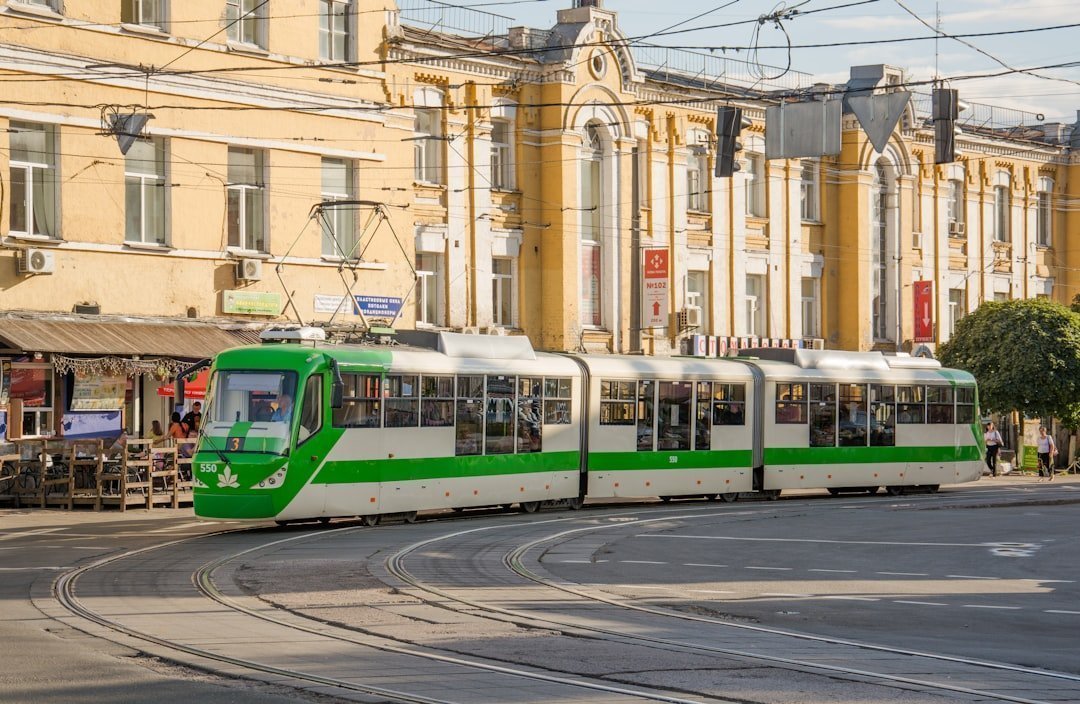
Domestic and short international train legs across Central and Eastern Europe often cost between €10 and €30, significantly undercutting short-haul flights once you factor in airport transfers and baggage fees. Getting between Warsaw and Krakow, or Budapest and Belgrade, by train or bus is not just cheaper but often more pleasant and more convenient than flying. The bus network across the Balkans in particular has improved dramatically in recent years.
A slow travel approach, using buses instead of trains and booking accommodation with kitchen access to save on meals, is consistently one of the most effective ways to keep daily costs low across Eastern Europe. It sounds like a small thing, but cooking even two or three meals a week in a hostel kitchen can save €50 or more over a fortnight. That’s a night of accommodation, or a whole day of activities, right there.
The Overall Picture: Where Your Money Goes Furthest
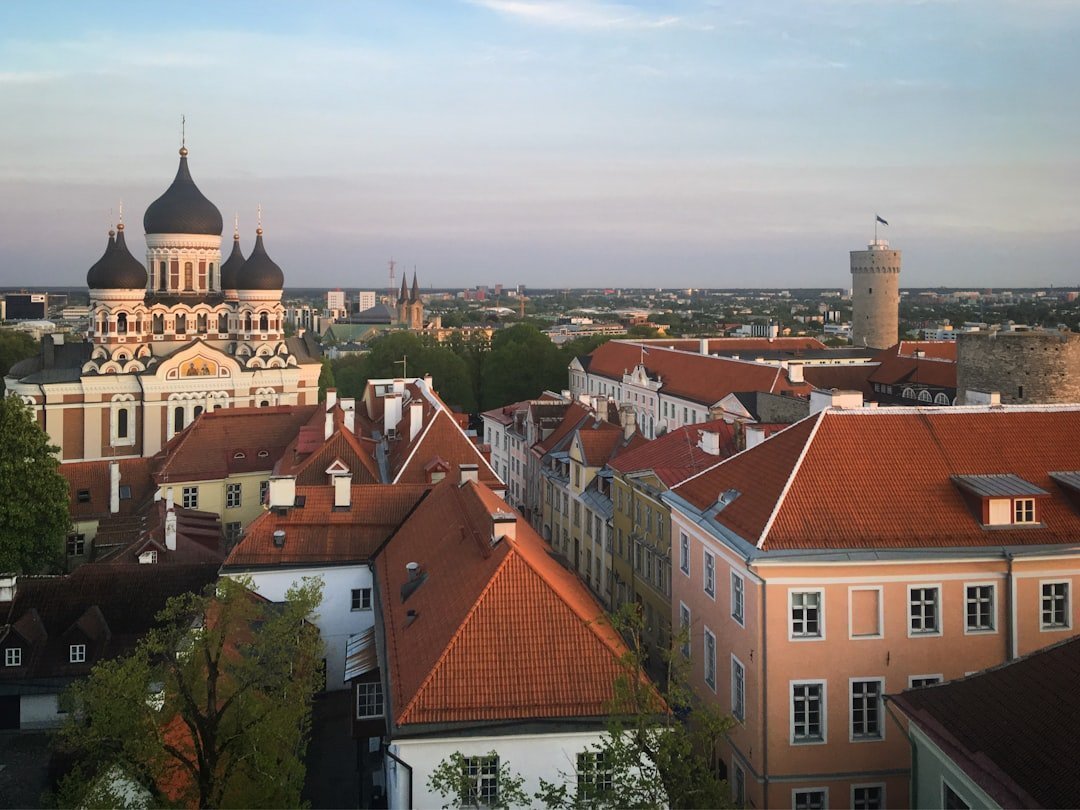
Budget backpackers in Eastern Europe can typically get by on around $40 to $90 per day, a range wide enough to accommodate both the most frugal hostel-hopper and the traveler who likes a private room and a restaurant dinner each evening. A rough monthly figure to aim for is around $900 in Eastern Europe, covering accommodation, local transport, food, and activities but not international flights. That works out to a lifestyle that, in most Western European capitals, would cost you two or three times as much.
The pattern is clear. Serbia and parts of Albania offer the absolute lowest daily costs in the region. Bulgaria and Romania sit just above that, still delivering exceptional value. Poland and Hungary represent a sweet spot of affordability combined with world-class cities. The Czech Republic is a step higher, pushed up mainly by Prague’s popularity, while Croatia and Slovenia edge toward the pricier end of the Eastern European spectrum. Central and Eastern Europe still offers some of the best value on the continent, though prices are gradually rising, and different cities can feel like different worlds for your wallet. The diversity within the region is part of what makes planning an Eastern European trip so endlessly interesting.
What would you have guessed before seeing these numbers? Tell us in the comments.