

Solo travel is booming like never before. The global solo travel market hit about $482 billion in 2024 and is projected to climb to roughly $1 trillion by 2030. That is an extraordinary number of people heading out into the world on their own, each one navigating busy terminals, crowded metro stations, and unfamiliar transit corridors without a travel companion by their side. It sounds romantic, and honestly it often is. Still, the freedom of solo travel comes with its own unique set of vulnerabilities that most people don’t fully think through until something goes wrong.
Surveys show that roughly one third of travelers have been victims of theft, scams, or other crimes abroad, and for those traveling alone, these incidents can be far more challenging to manage without support. Major global transit hubs, whether it’s Heathrow, Bangkok’s Suvarnabhumi, Charles de Gaulle, or Dubai International, are high-pressure environments where your guard is naturally down and opportunists know it. The good news? A little preparation goes a very long way. Let’s dive in.
1. Never Leave Your Belongings Unattended, Not Even for a Moment
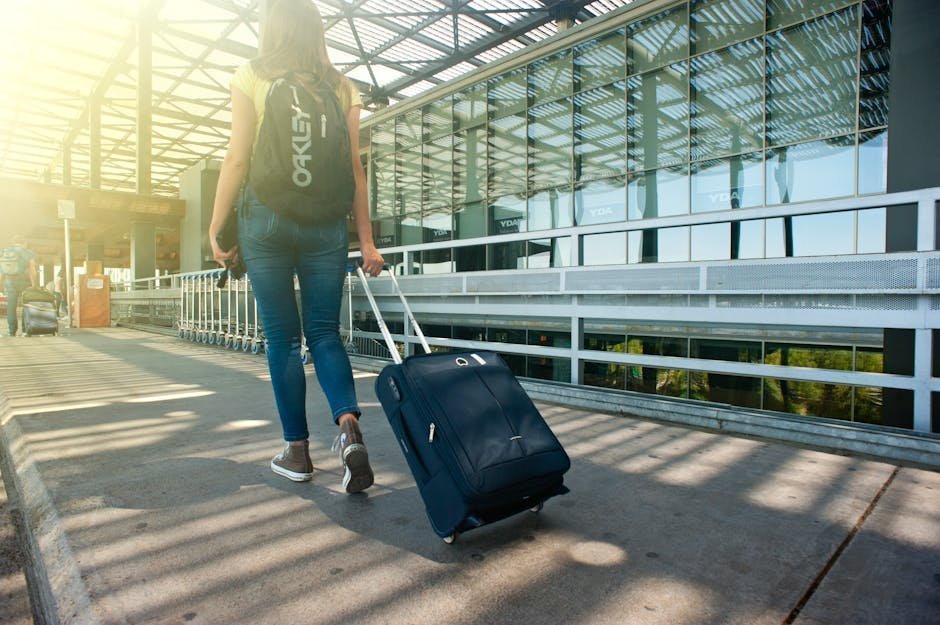
Solo travelers are disproportionately targeted precisely because they have no one to watch their belongings during bathroom breaks or food runs. Think about it like leaving your car unlocked in a busy parking lot. You might be gone for 60 seconds, but that is more than enough time. Airport theft targeting solo travelers is well-documented, with Airports Council International reporting that personal item theft increased by around 18 percent year-over-year in major international hubs in 2024.
Use a cross-body bag for your valuables, and when sitting, wrap the strap around your chair leg or your own leg. It sounds excessive until you watch someone’s backpack disappear from a seat right next to them at an airport café. Keep your passport and phone in a front pocket or hidden neck wallet, never in an outer bag pocket. The outer pocket is basically a gift-wrapped invitation to a thief.
2. Use Anti-Theft Bags and RFID-Blocking Gear
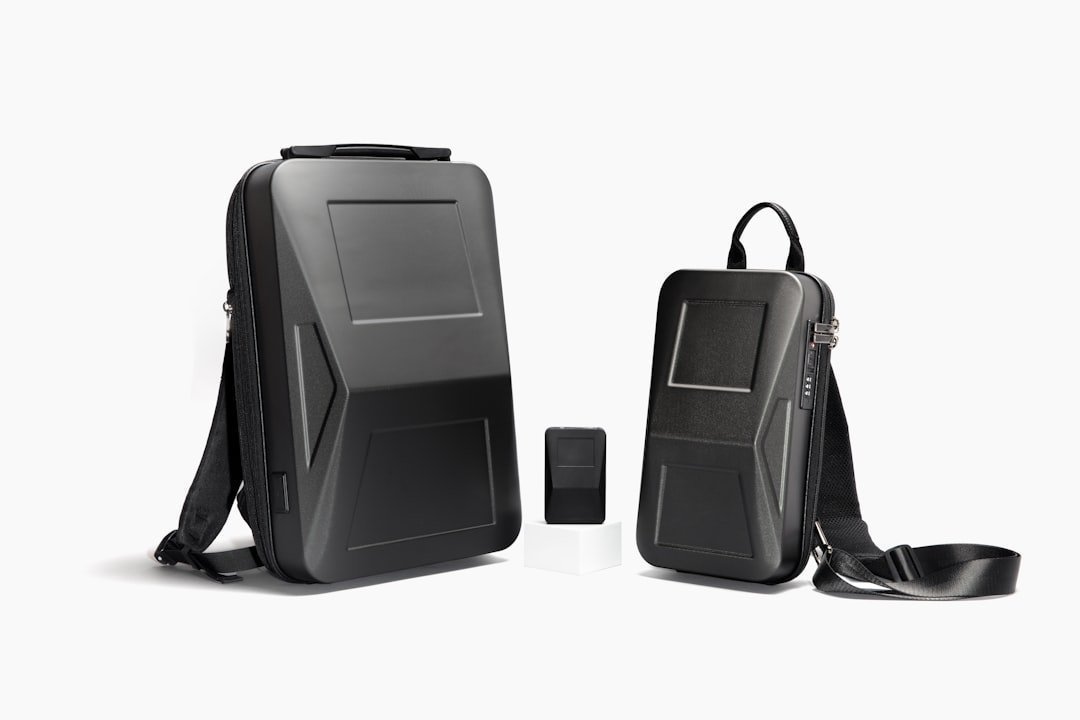
Always use anti-theft bags to deter pickpockets, as these specialized bags often feature hidden zippers and slash-proof materials. They are not just a marketing gimmick. In busy transit hubs where crowding is unavoidable, a slash-proof strap can genuinely be the difference between keeping your belongings and filing a police report in a language you don’t speak. Digital pickpocketing via RFID skimmers is increasingly sophisticated, making a slim RFID-blocking wallet or card sleeve essentially non-negotiable.
RFID-blocking wallets, passport holders, and card sleeves can help protect your information from electronic theft by blocking the signals that thieves use to scan and steal your data. It’s a cheap, lightweight solution to a very modern problem. Consider using a money belt or neck wallet to store cash, cards, and important documents, as these discreet accessories can be worn under your clothing, keeping your essentials safe and out of sight.
3. Protect Yourself on Public Wi-Fi with a VPN

Airport Wi-Fi networks are hunting grounds for data thieves, and according to Norton’s 2025 Cybersecurity Insights report, airports are the second most common location for public Wi-Fi attacks, right after coffee shops. Most people connect without even thinking about it, which is understandable. You’ve just landed, you’re jet-lagged, and you need your maps app. Here’s the thing though: that casual connection can expose your banking credentials, email, and personal data in seconds.
Public Wi-Fi in cafes, hostels, or airports is a hacker’s playground, and a reliable VPN encrypts all your traffic. Use it every single time you connect outside your secured mobile data or accommodation Wi-Fi. Avoid accessing banking apps on airport Wi-Fi, even with a VPN. Wait until you have a secure connection. Patience on this one is genuinely worth it.
4. Guard Your Devices and Go Offline When Not Needed
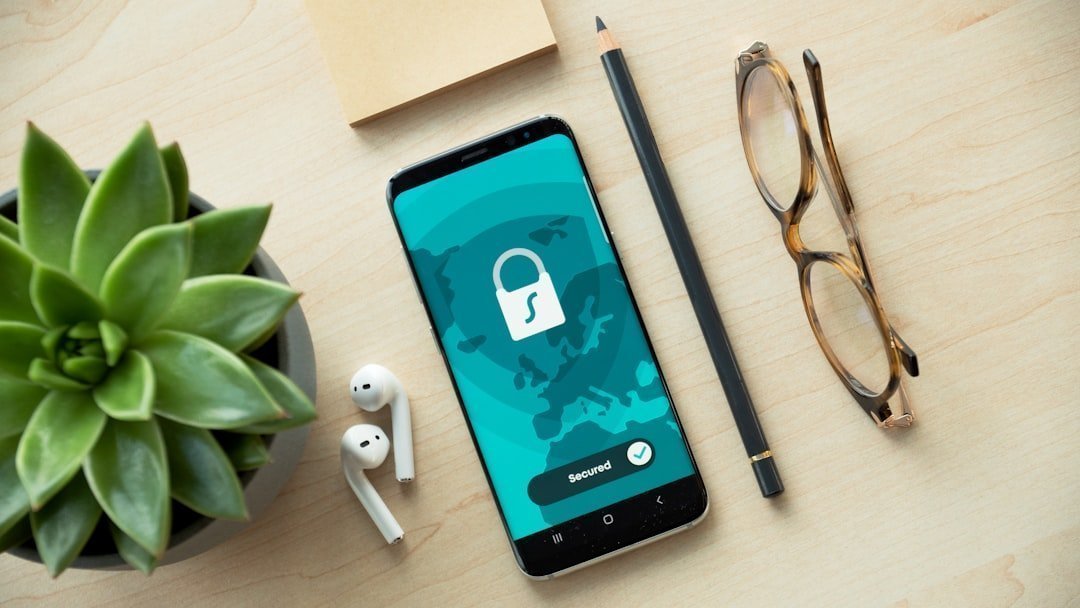
Turn off Bluetooth and AirDrop when not in use, as AirDrop harassment through unsolicited images sent to nearby devices is increasingly reported in airports. It sounds like a minor annoyance but can also be used as a distraction technique to get you focused on your screen while someone else is focused on your bag. Download safety apps like “Find My Device” to track your electronics if they’re misplaced or stolen, as many of these apps also offer remote locking and data wiping features.
Automatic cloud backups through services like Google Photos or iCloud are your safety net if your device is lost or stolen. Setting up emergency contacts and medical information on your phone lock screen, accessible without unlocking on most devices, is also a smart move. Think of your phone as a small vault. The more layers of protection it has, the less catastrophic losing it becomes. eSIMs are now considered the secure connectivity standard, with services like Airalo letting you buy and manage data packages instantly, meaning you can skip the sketchy airport SIM vendor entirely.
5. Spread Your Cash and Documents Across Multiple Locations

Most travelers report that splitting up their valuables was one of the best ways to prevent losing everything at once due to loss or theft, according to the Summer 2024 Global Rescue Traveler Sentiment and Safety Survey. It’s essentially the financial version of not keeping all your eggs in one basket. If a pickpocket gets your wallet, you still have the emergency cash tucked in your shoe, or the backup card buried in your carry-on. Dividing your money and cards between different secure locations means that if one stash is compromised, you’ll still have access to funds elsewhere.
Leave some money, ID, credit cards, or your passport locked in the hotel room safe so that if you do get pickpocketed you don’t lose everything. At transit hubs specifically, carry only what you need for that leg of the journey. Keep digital copies of important documents in encrypted cloud storage, with passport scans stored in secure, password-protected folders. A photo on your phone is fine as backup, but a properly encrypted cloud copy is far more resilient.
6. Be Extremely Cautious About Ground Transportation
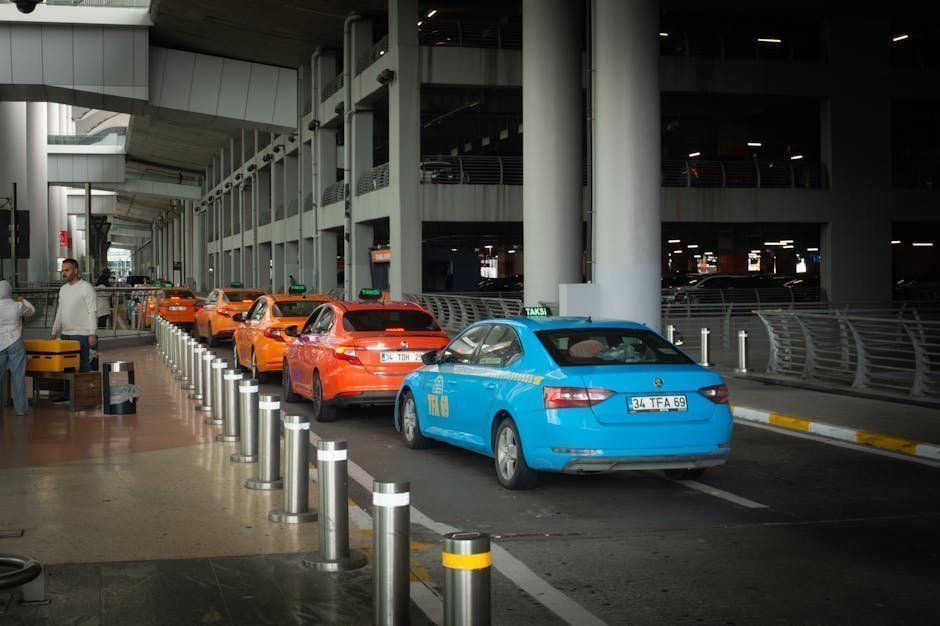
The stretch between the airport exit and your accommodation is statistically the most dangerous part of air travel for solo travelers, with a 2024 study published in the Journal of Travel Research finding that roughly a third of safety incidents reported by solo travelers occurred during ground transportation from airports. That corridor from arrivals hall to vehicle is where predatory actors specifically position themselves. Never accept a ride from someone who approaches you inside the terminal, as legitimate taxi and ride-share drivers do not solicit passengers inside the building.
Use only the official taxi queue with a dispatcher, or a ride-share app with GPS tracking. Screenshot your driver’s details including name, photo, and license plate and send them to your emergency contact before getting in the vehicle. I know it sounds overly cautious, but it takes about 20 seconds and could save your life in a worst-case scenario. Sit in the back seat behind the passenger seat, which gives you the most distance from the driver and easy access to the door, and keep your phone charged with GPS running so you can confirm the driver is following the expected route.
7. Master Situational Awareness in Crowded Terminal Areas
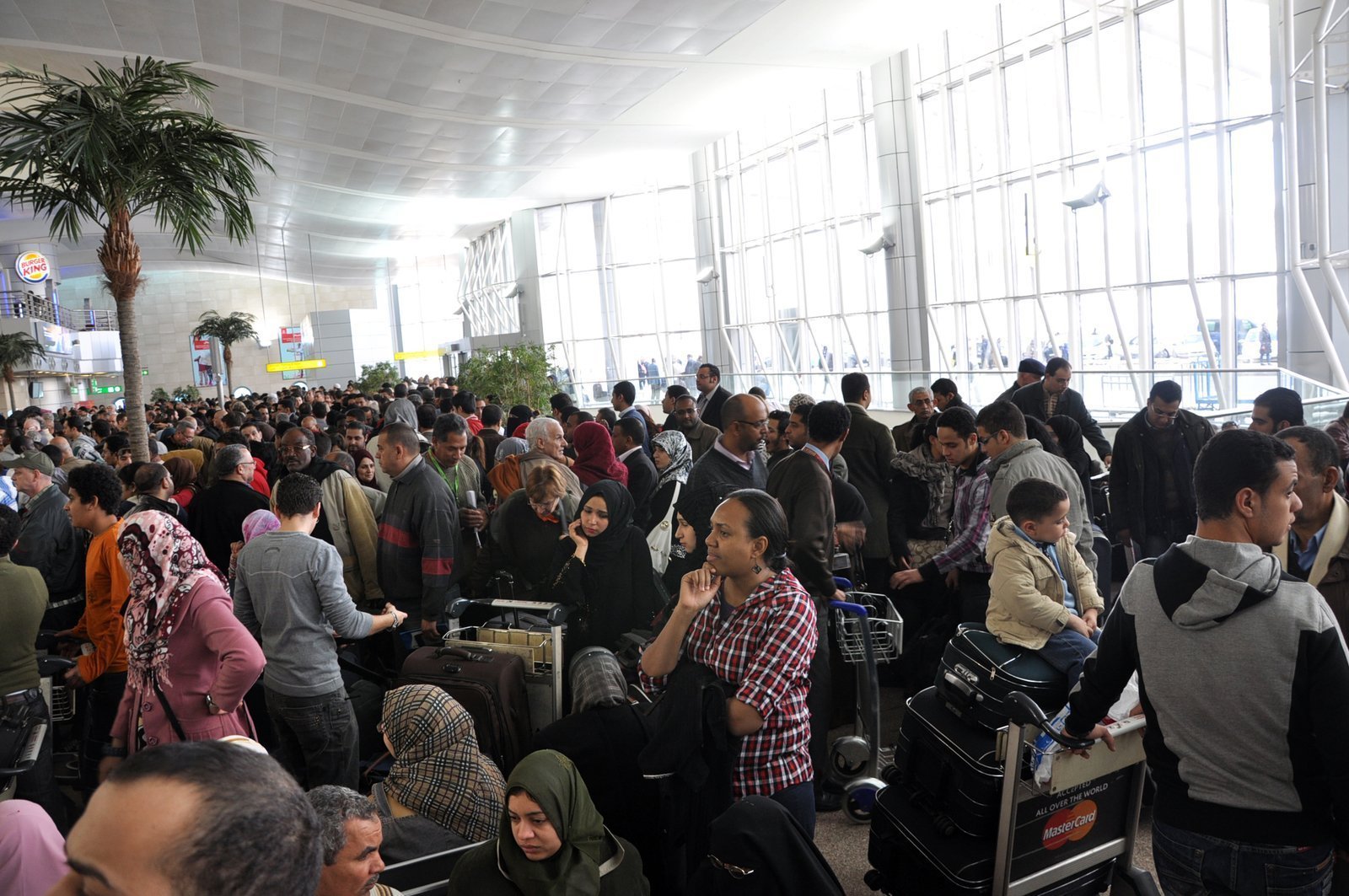
A remarkable 93 percent of solo travelers now prioritize situational awareness as a core safety behavior. That statistic tells you something important. The most experienced independent travelers in the world have all landed on the same conclusion: paying attention to what’s happening around you is your single best defense. When navigating crowds, walk confidently and purposefully, avoid looking lost or vulnerable, and if you need to check directions, step into a shop or a less crowded area.
Be cautious of common distraction techniques used by thieves, such as someone “accidentally” bumping into you or creating a commotion nearby. These techniques have been used for centuries and they still work because they are psychologically effective. Your brain follows the commotion. Your pocket follows the thief. Stay aware of your surroundings by avoiding distractions like headphones or excessive phone use, and scan the area regularly, trusting your instincts if something feels off.
8. Share Your Itinerary and Set Up a Check-In System
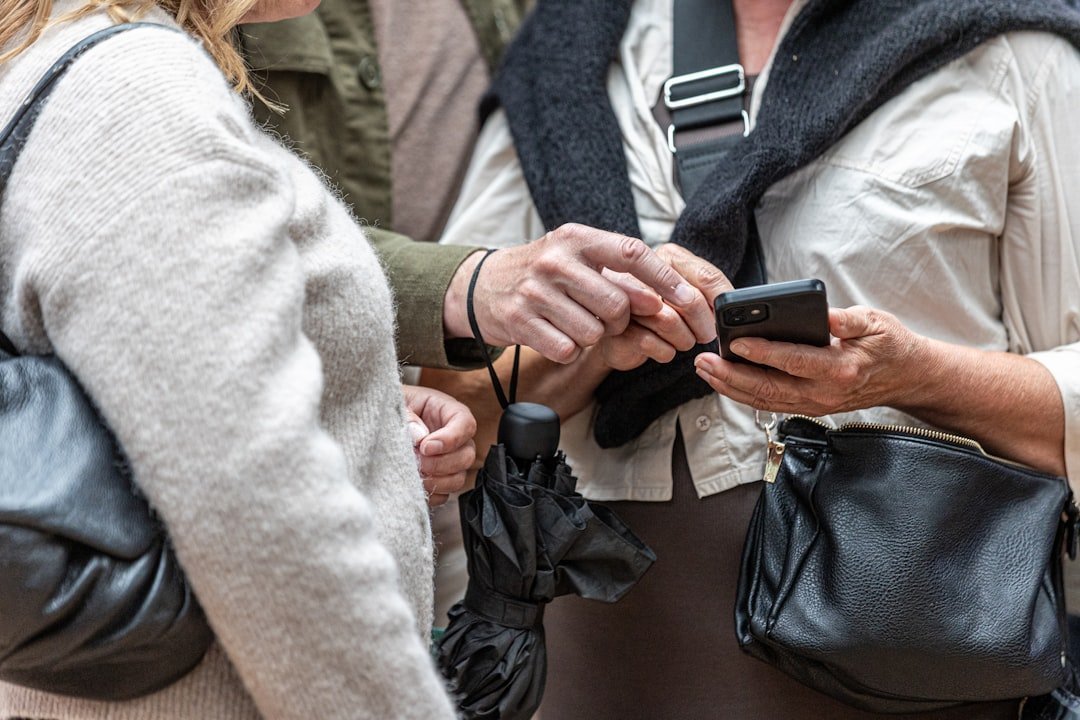
Before leaving for the airport, share your complete itinerary with at least two trusted contacts, including flight numbers, layover airports, accommodation addresses, and ground transport bookings. Using a shared Google Doc that updates in real time means anyone checking can see your current plans without needing multiple texts. It sounds like something a very organized person would do. Honestly, it takes about ten minutes once and then runs itself. Set up a simple check-in system where you text a specific contact when you land at each destination, so that if they don’t hear from you within a reasonable window, they know something may be off.
Download safety apps that allow you to share your location with trusted contacts or quickly alert authorities in case of an emergency. Apps like Life360 or Google Maps Location Sharing are widely used for exactly this purpose. Technological advancements including AI translation, real-time tracking, and safety alerts are genuinely transforming travel by increasing both safety and control for travelers. Use them. They exist for a reason.
9. Know the Specific Theft Hotspots at Your Transit Hub

Transit hubs present particular risks, with certain train lines connecting major tourist sites and airports being especially problematic for tourists. This is not a generic warning. Different hubs have very different threat profiles. Paris is considered the pickpocket capital of the world, with over 16 percent of all theft-focused reviews from the past year referring to the city, covering pickpocketing, fraud, and related incidents. Meanwhile, the train from the airport to the city center in Amsterdam is a known hunting ground for pickpockets.
The top safety concerns for solo travelers globally are mugging, road accidents, and scams in that order. Doing even 15 minutes of destination-specific research before you fly gives you a mental map of where to be especially alert. 78 percent of savvy solo travelers adapt their dress to local norms for added security, which is another underrated tactic. Looking like a tourist in a high-theft zone is essentially a flashing neon sign. Blend in as much as possible.
10. Arrive Early, Stay Alert at Security, and Trust Your Instincts
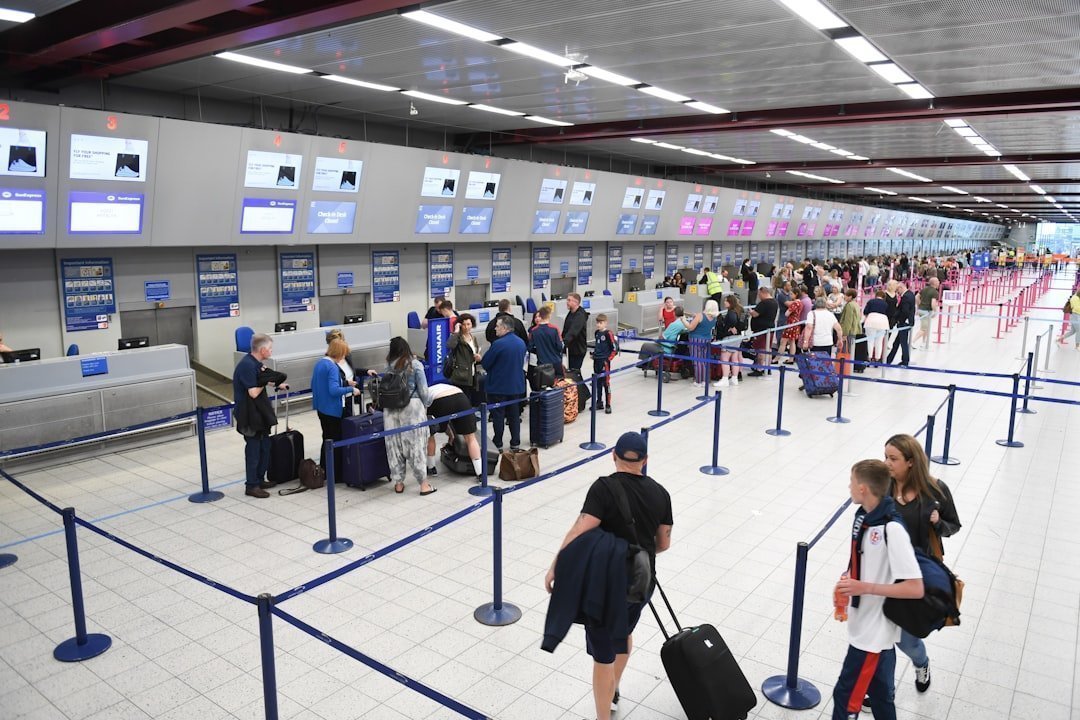
At the security belt, wait until the person ahead of you has cleared before placing your items on the conveyor. This one tiny habit prevents the classic security-line theft, where one person holds you up while an accomplice grabs your tray from the other side. It’s a coordinated scam that still catches thousands of people every year. For international flights, aim to arrive three hours before your flight, which gives you the breathing room to move calmly rather than rushing through security in a panic and losing track of your belongings.
Regardless of the security process, you can prepare for the airport and the various checks in advance, and doing so reduces the annoyances of busy airports for solo travelers wherever you are in the world. Beyond the practical steps though, there is something that no checklist can replace: your gut feeling. Research your destination thoroughly before you go and familiarize yourself with local customs, common scams, and safe areas to stay. When something feels wrong in a terminal, it usually is. Move away. Find a busy, well-lit area. Ask official airport staff for help. Your instincts have been running longer than any security app.
Solo travel remains one of the most rewarding ways to experience the world, and the vast majority of solo journeys happen without any serious incident. The tips above are not meant to frighten anyone into staying home. They are simply the toolkit that experienced independent travelers quietly rely on every time they step into a major transit hub. A small investment in preparation returns enormous dividends in confidence and peace of mind. So pack smart, stay aware, and go see the world. What would you add to this list from your own travel experience? Tell us in the comments.