
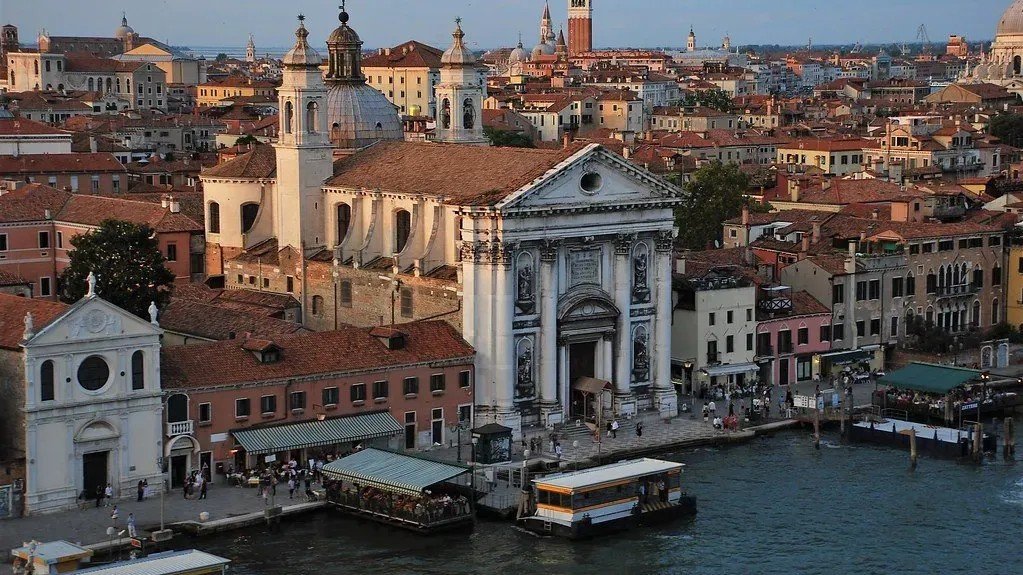
Venice has always been a city that defies easy description. It is part open-air museum, part working neighborhood, part miracle of human engineering floating improbably on a lagoon. For centuries, it drew visitors from around the world, and for just as long, those visitors were broadly welcomed. Lately, though, something has shifted. The city is fighting back, and it is using local legislation to do it.
From entry fees and QR code checkpoints to cruise ship bans and short-term rental crackdowns, Venice is now arguably the most regulated tourist destination in Europe. Whether you think that is overdue or overreaching, one thing is certain: visiting Venice in 2026 is a fundamentally different experience from visiting it a decade ago. So let’s get into exactly what has changed, and why it matters.
The Problem That Sparked It All: Overtourism on a Fragile Stage
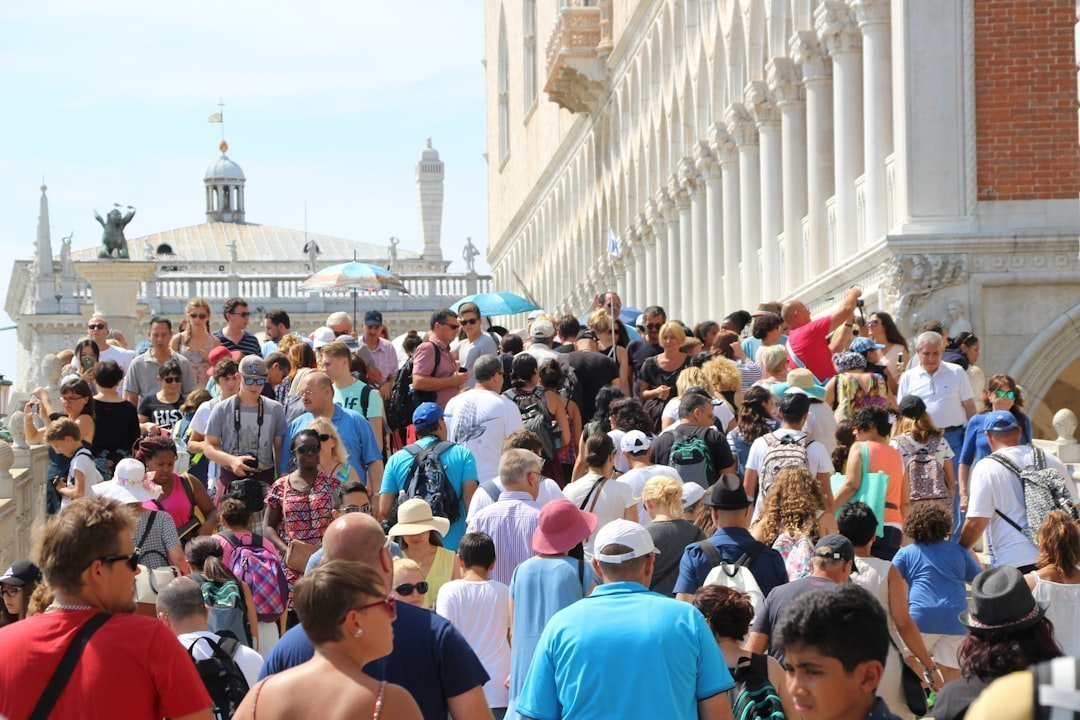
Let’s be real. Venice’s tourism problem is not like other cities’ tourism problems. We’re talking about a place that covers roughly three square miles, much of it taken up by canals, yet somehow tries to absorb the footfall of a small country. Around 30 million visitors pass through Venice each year, but only around three million actually stay the night. Venice is only about three square miles, with much of that space occupied by canals.
The Venetian capital has lost 125,000 residents since 1950, and as of April 2024, the resident population has dropped below 49,000, while accredited tourist beds have exceeded the 50,000 threshold. Think about that for a moment. There are now more beds for tourists than there are people who actually call Venice home. That is not a tourism challenge. That is an identity crisis.
For the fragile lagoon city, it is an existential crisis, with the relentless influx of tourists placing serious strain on both infrastructure and local character. Activists also blame the “mono-culture” of tourism, which they say has emptied the city of basic services like shops for everyday goods and medical care.
The Venice Access Fee: A World First That Keeps Growing
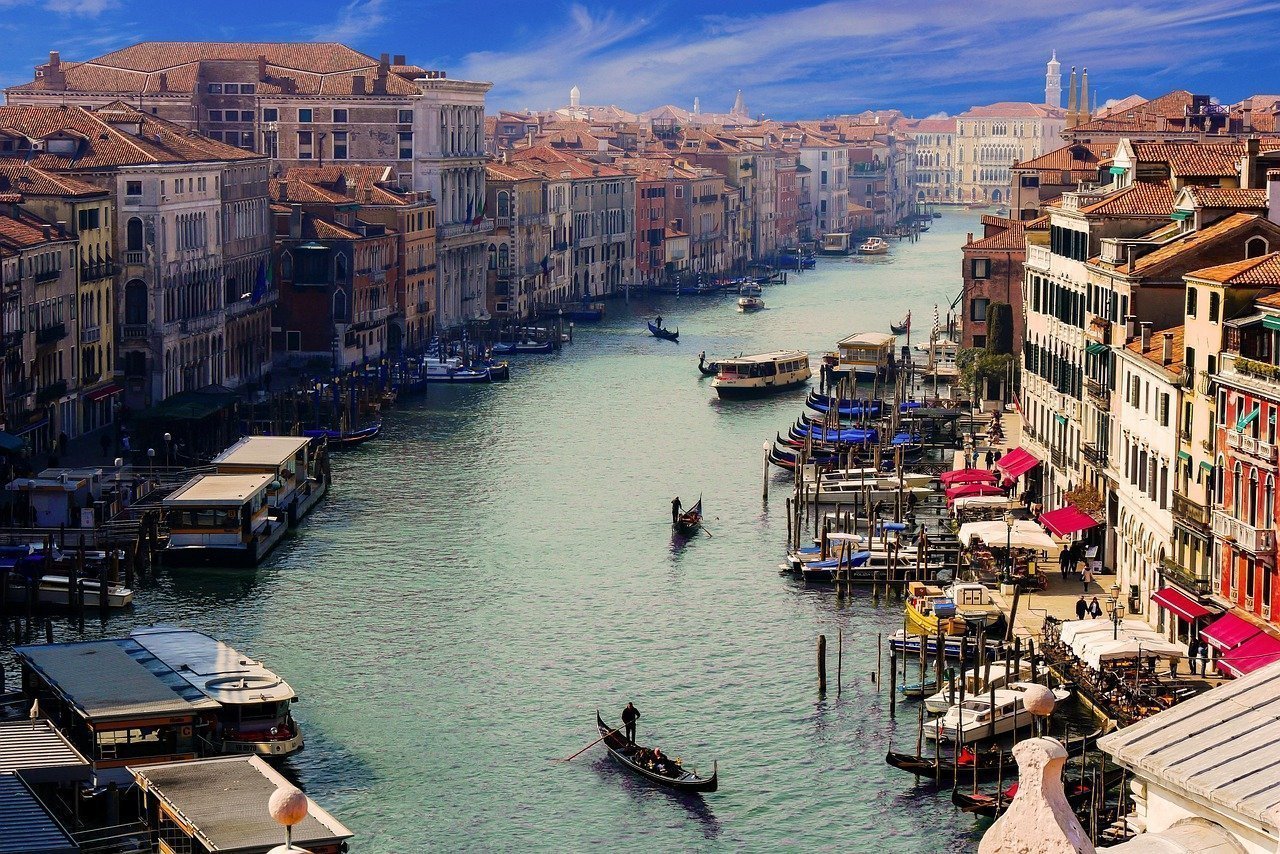
The Venice Access Fee, which premiered in 2024, was reintroduced in 2025, aimed at day-trippers as part of an ongoing battle against overtourism. It was genuinely the first scheme of its kind anywhere in the world, charging day visitors simply to set foot in a historic city center. Honestly, I think the concept itself is more radical than the fee amount suggests.
The five euro fee, first introduced in 2024, was required on 54 days in 2025, up from 29, between spring and the end of July, and starting in 2025, last-minute travelers were hit with a higher charge of ten euros for those who booked their visit less than four days in advance. The message is clear: if you want to show up on a whim on a sunny Saturday in June, you will pay a premium for that spontaneity.
Venice’s controversial entry fee for day visitors returned in 2026 starting on April 3, applying mainly on Fridays, Saturdays, and Sundays from April until the end of July, covering a total of 60 days, up from 54 in 2025. The program has expanded every single year since its launch, which tells you something about where city officials think this is heading.
How the QR Code System Actually Works on the Ground

The QR code is required from 8:30 a.m. until 4 p.m. and is checked at entry points to the city, including the Santa Lucia train station, the Piazzale Roma bus depot, and near St. Mark’s Square. Stewards physically check codes at turnstiles as visitors arrive, which gives the whole thing a rather airport-like feeling. It is a strange sensation, being asked to prove you belong somewhere before you can even enter.
Visitors arriving between 8:30 AM and 4:00 PM on blocked dates must prepay for an entry pass, or risk being slapped with fines ranging from 50 to 300 euros at random checkpoint screenings. The administration of the Municipality of Venice conducts regular checks to ensure compliance with the regulations, and penalties for non-payment range from 50 to 300 euros, in addition to the cost of the fee itself, while false declarations may lead to legal action.
Residents of Venice and the wider Veneto region do not pay either, and people with disabilities, students enrolled to study in the city, and people visiting the city for health reasons, a sporting event, or a concert are also exempt. The exemption list is genuinely long, suggesting officials were at pains to avoid punishing people who actually need to be there.
Revenue Generated and Whether It Is Actually Working
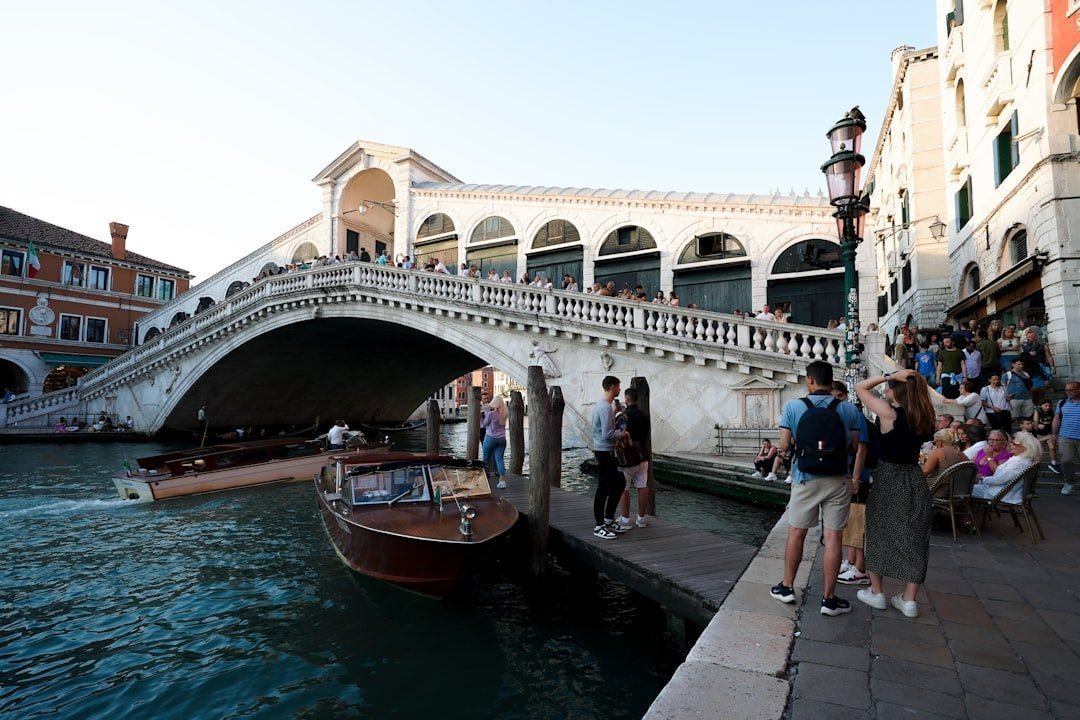
Here is where the debate gets thorny. The city says the fee is about managing crowds, not generating income. Critics suspect the opposite. The numbers are interesting either way. City authorities said the fee helped to slightly reduce crowds during the initial test phase and raised about 2.2 million euros. That is not nothing, but it is also not transformative.
During the 2025 season, more than 720,000 day visitors registered under the system, and the charges raised approximately 5.4 million euros. This revenue is intended to support city maintenance, preservation of heritage sites, and management of tourism infrastructure. The income roughly tripled year-on-year, which suggests the fee collected more even if it did not necessarily deter more visitors.
While last year’s figures show a slight decrease in visitors, from an average of 16,676 per day in 2024 to 13,046 in 2025, some critics argue that the levy has a limited effect. A reduction of a few thousand people per peak day might sound meaningful, but on a city that tiny, it probably still feels like being packed into a corridor.
The Cruise Ship Ban: Symbolic Victory or Half-Measure?
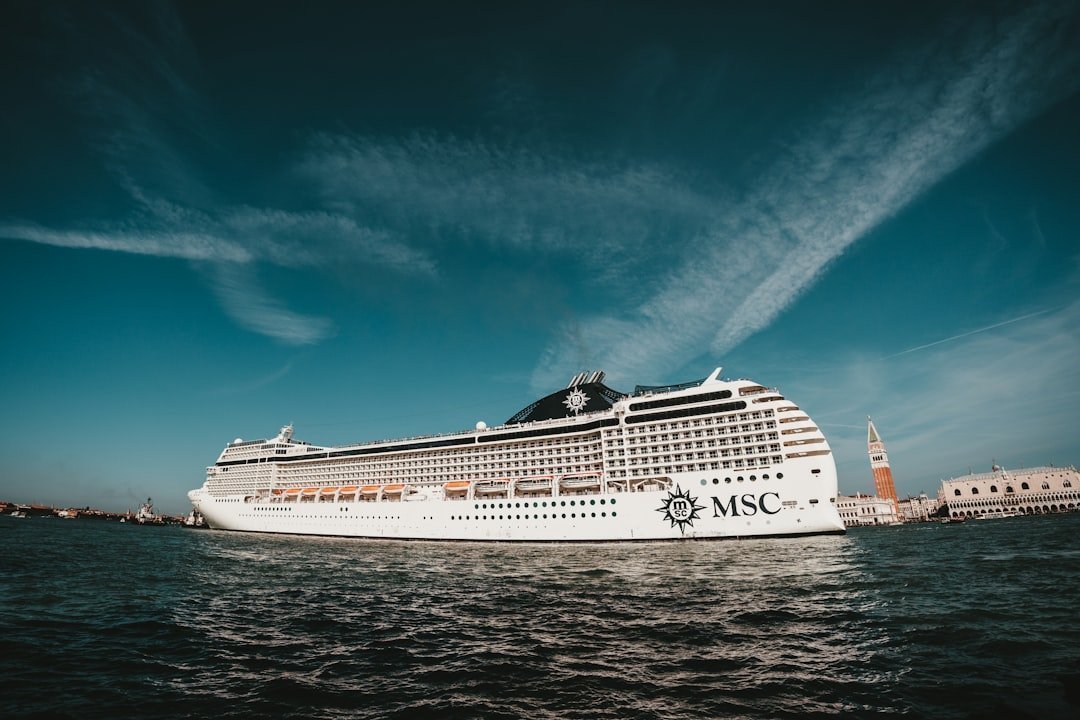
In 2021, the Italian government prohibited large cruise ships from sailing through the Giudecca Canal or from docking near St. Mark’s Square, redirecting them to mainland ports. The decision followed years of resident protests and a warning from UNESCO that Venice risked being placed on the World Heritage “in danger” list. The sight of enormous ships gliding past the Doge’s Palace had become one of the most hotly contested images in European tourism debates.
It was only a few years ago that a 5,000-passenger megaship could sail straight past St. Mark’s Square in Venice. Today that route is permanently closed to vessels over 25,000 gross tons. Cruise ships had brought 1.6 million people to Venice in 2019 alone. That is a staggering volume for any city, let alone one the size of a small Italian neighborhood.
Still, not everyone is celebrating. Despite the city conceding to a formal ban on large cruise ships entering St. Mark’s Basin, these colossal vessels remain emblematic of Venice’s unsustainable tourism model, with thousands of passengers continuing to disembark each week at the terminals of Marghera and Fusina. The ships moved. The passengers still arrive. It is hard to say for sure whether the net effect on the city’s daily life has been meaningful.
Short-Term Rental Rules: Tightening the Screws on Airbnb Culture

To counter the rapid expansion of tourist accommodations, the city has tightened regulations on short-term rentals, including platforms such as Airbnb. These measures aim to slow the conversion of residential housing into visitor lodgings and to create more opportunities for long-term residents to remain in the historic center. It is the same housing pressure story playing out in Barcelona, Amsterdam, and Lisbon, but Venice’s version carries existential weight.
In what Mayor Brugnaro called a “pact between the council and landlords,” from 2025 any property rented out for more than 120 days per year must register with the authorities, agreeing to “good practice” as hosts. This means meeting guests in person on the property and giving them trash and recycling bags with codes unique to the property, because tourists dumping bags of trash in the street or failing to recycle is a huge problem.
The reform promoted by the Meloni government changed the rules regarding short-term rentals in the northeast, where properties are accused of favoring strong increases in house prices and the depopulation of historic neighborhoods. Between Veneto and Friuli Venezia Giulia, it is estimated that there are over 70,000 properties registered as short-term rentals on online platforms, and these are now required to equip themselves with a national identification code.
The UNESCO Factor: How Heritage Status Shapes Local Policy
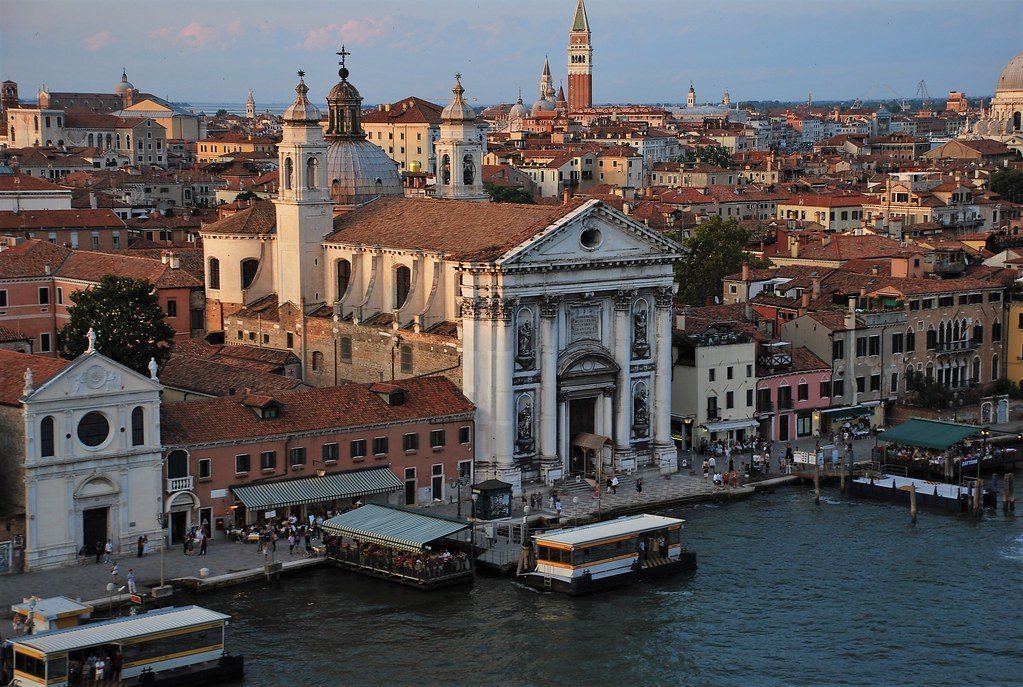
It is impossible to understand Venice’s legislative push without understanding what UNESCO’s involvement means in practice. Venice introduced the long-discussed day-tripper fee after the city narrowly escaped being placed on the UN’s list of endangered heritage sites, due largely to the impact of overtourism. The threat of that designation carries serious reputational and economic consequences that city officials clearly take personally.
A UNESCO body decided against putting Venice on its list of cultural heritage sites deemed in danger after the tax was announced. Whether or not that outcome was directly caused by the access fee, Venice’s politicians were quick to draw the connection. It gave the entry fee a moral legitimacy that went beyond simple crowd management.
The entry fee is part of a broader attempt by Venice to preserve its delicate urban ecosystem, as it faces rising tides both literal and metaphorical. The UNESCO World Heritage Committee recently warned that the city’s status could be at risk if sustainable tourism policies are not enforced. The pressure from an international body has, in a sense, given local legislators the political cover they needed to act more boldly.
The Human Cost: What Residents Think and Feel

The new tax is meant to curb overtourism, but critics say it is not enough to restore quality of life to Venice residents, who have been leaving the city in recent years. Activists sounded a warning when the number of tourist beds officially overtook the number of residents, saying the imbalance drains the city of services, clogging its tight alleyways and water buses with suitcase-toting tourists and pushing residents to the mainland with its conveniences.
Residents’ group Venessia.com has warned that the fee risks turning Venice into a “theme park,” stripping away its authenticity and offering little benefit to locals. Numerous critics see it as a token gesture, arguing that it fails to tackle deeper problems, including a shortage of long-term rentals as landlords prioritize more lucrative short stays.
While many locals applaud any effort to curb overcrowding, others believe the fee is mainly symbolic and are skeptical that a relatively small charge will have any real impact, either as a deterrent for day-trippers or as a fundraising measure. Some are dubious about the fact that even fellow Italians now must pay to enter one of their own cities. That last point stings in a way that goes beyond economics.
Venice as a Global Template for Tourism Control
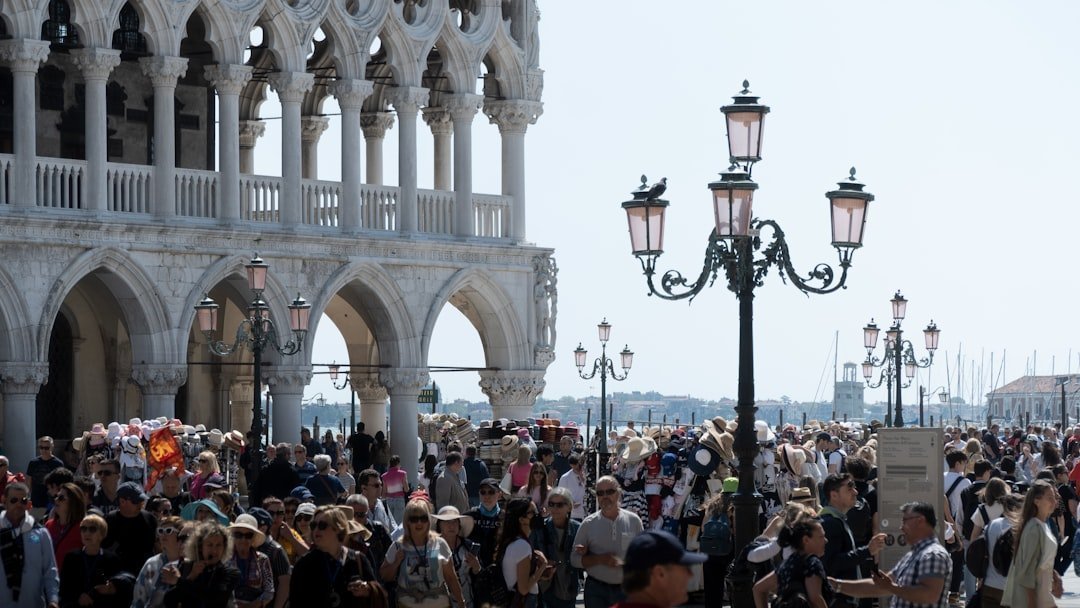
Venice is part of a wider trend in Europe where destinations are experimenting with visitor taxes or restrictions. Cities like Barcelona have increased their nightly tourist tax, while islands such as Capri are introducing limits on visitor numbers. Venice remains unique as the first city to charge day-trippers specifically, making it a global test case for managing tourism sustainably.
Other destinations from “the rest of the world” have contacted Venice authorities to ask about the scheme, including those from the Spanish island of Formentera and Kyoto in Japan. Data from last year’s visitor registrations shows that tourists to Venice came from 194 countries around the globe. The sheer diversity of that visitor pool underlines just how difficult crowd management really is when a destination appeals to practically everyone on Earth.
The debate over Venice’s entry fee reflects broader questions facing many popular global destinations: how to balance economic reliance on tourism with the preservation of cultural identity, community life, and environmental sustainability. Whether Venice’s approach becomes a lasting model or remains a contested experiment will depend on the outcomes of the expanded 2026 season.
What 2026 Looks Like for Visitors Planning a Trip
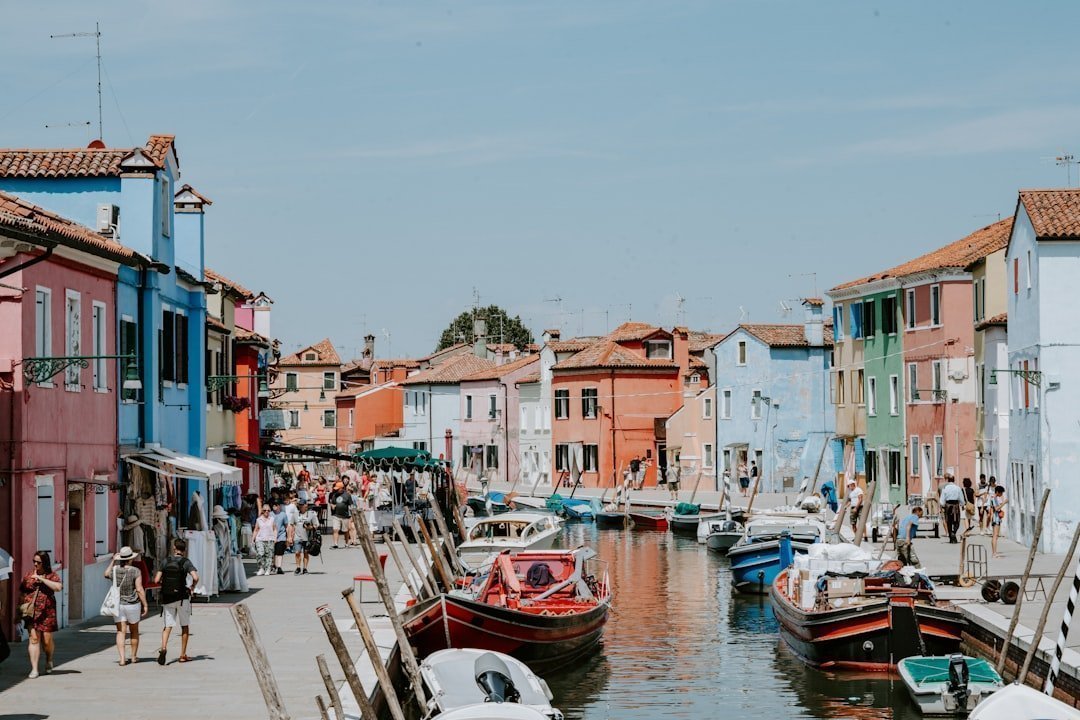
The mandatory ticket to access Venice will be valid on 60 days in 2026, from April 3 to July 26, from 8:30 AM to 4:00 PM. If you book your entry at least four days in advance via the digital platform Venezia Unica, the fee remains at 5 euros. For those who decide to visit on a whim or fail to secure their spot four days prior, the fee doubles to 10 euros. While the amounts might seem small, they serve as a psychological speed bump designed to encourage travelers to consider visiting on weekdays or during the off-season.
Venice charges an access fee and requires preregistration for visitors on select busy days in the spring and summer, designed in part to deter day-trippers including cruise passengers, whom locals view as having a negative impact on both infrastructure and crowd concerns, without supporting the local economy by paying for accommodations and the other expenses of a longer stay. That is the honest logic at the heart of the policy. Overnight guests spend money in restaurants, shops, and museums. Day-trippers often do not.
In recent years, peak days saw up to 25,000 day-trippers, nearly half the number of the city’s actual residents. By managing these flows, the city hopes to prevent bottlenecks in narrow alleyways and reduce the strain on the public waterbus system. The goal is a more sustainable Venice where locals are not pushed out by the weight of tourism and visitors are not spending their entire trip stuck in a crowd. Whether the legislation can truly achieve that balance remains one of the most compelling questions in travel right now. What would you have guessed when this all began back in 2024? Tell us what you think in the comments.