
Every year, millions of travelers pack their bags for the same iconic spots they saw on Instagram or in a viral travel video, only to arrive and wonder, “Is that… it?” There’s a peculiar, almost universal deflation that hits when the place you’ve dreamed about turns out to be a crowded, overpriced, and over-managed replica of its own image. Honestly, it’s one of the most common travel experiences nobody talks about.
Cheap flights, social media exposure, and the lure of bucket-list experiences drive tourists to the same small set of locations, all at once. The result is a global tourism machine that has become very, very good at one thing: selling a fantasy. What follows are twelve destinations where the gap between the brochure and reality has grown into something you could fall into.
1. Venice, Italy – The Sinking Stage Set
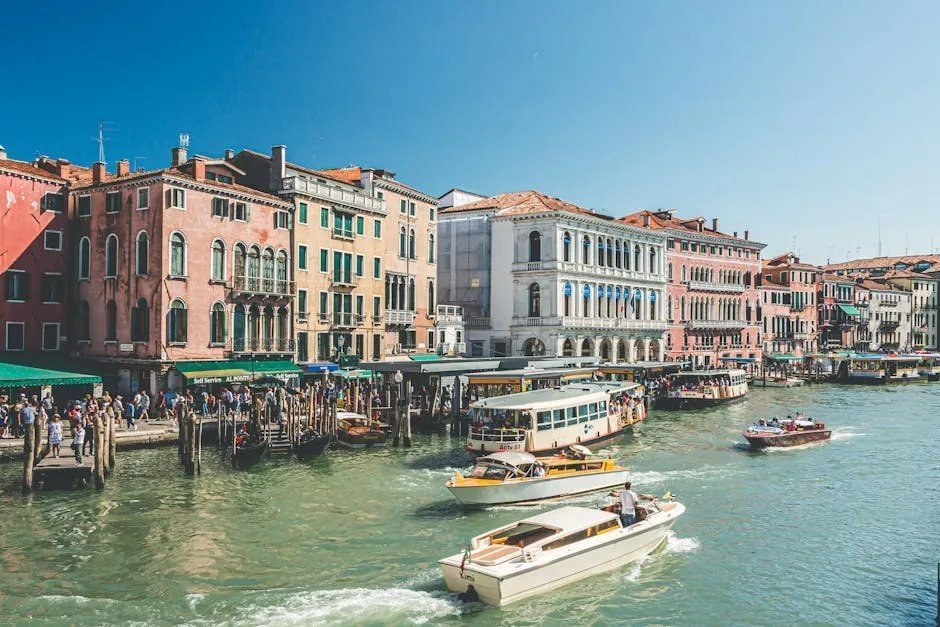
Let’s be real: Venice is breathtaking. In photographs. In person, in peak season, it’s something else entirely. Often called the “poster child” of overtourism, Venice recently implemented a world-first entry fee for day-trippers, and with a local population that has dipped below 50,000, the city often hosts over 100,000 tourists in a single day.
By 2024, fewer than 50,000 inhabitants remained in the center, marking a staggering 72% decrease from 1952, while the population on the mainland has remained relatively stable at around 180,000 over the last 20 years. This isn’t a living city anymore. It’s a tourist theme park with a postal code.
Prices are extraordinarily high, with a simple coffee costing between €15 and €20 in St. Mark’s Square, making the visit less enjoyable. Last September 2024, the number of tourist lodging beds actually surpassed the resident population for the first time – a startling statistic that reveals how thoroughly tourism has transformed the city into something unrecognizable to its own people.
2. Barcelona, Spain – When Locals Would Rather You Didn’t Come
Few destinations illustrate the collapse of the host-guest relationship quite as dramatically as Barcelona. The city of just 1.6 million residents welcomed over 26 million tourists in 2024, with more than 15.6 million staying overnight. That is over ten times the local population – and these numbers do not even count the cruise ship day-trippers, which add another 1.6 million visitors a year.
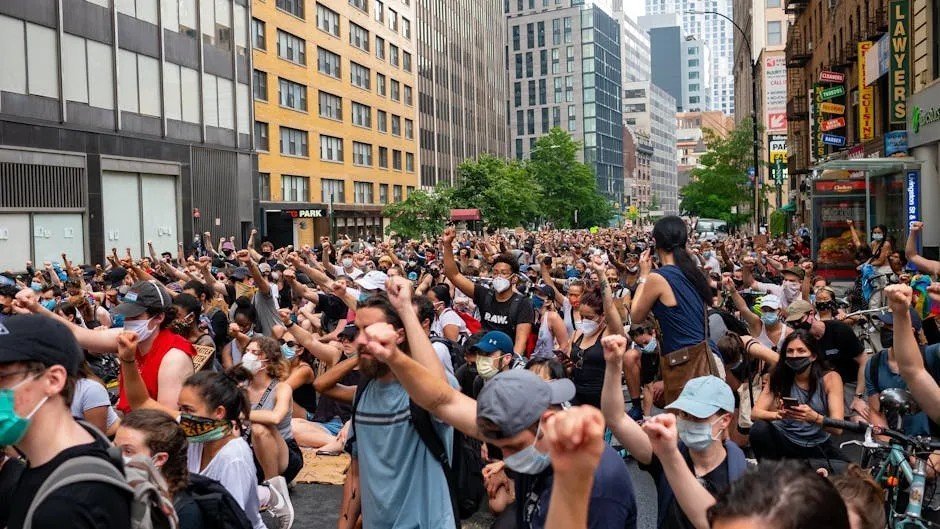
Barcelona suffered from severe overtourism, which resulted in 3,000 residents protesting on July 6, 2024, demanding reduced tourist numbers and for the government to prioritize fairer economies. In June 2025, the protests got even more theatrical. On June 15, 2025, 600 masked protesters took to the streets equipped with water pistols, smoke bombs, and protest banners, with one demonstrator saying “I can’t afford to live in my own city.”
Barcelona announced plans to eliminate all tourist rentals by 2028, while Valencia’s inspections of tourist apartments increased by 454% in 2024 alone, with the closure of 278 illegal residences already ordered. The city’s tourism tagline has literally been changed. That alone should tell you something.
3. Dubai, UAE – A City-Sized Advertisement
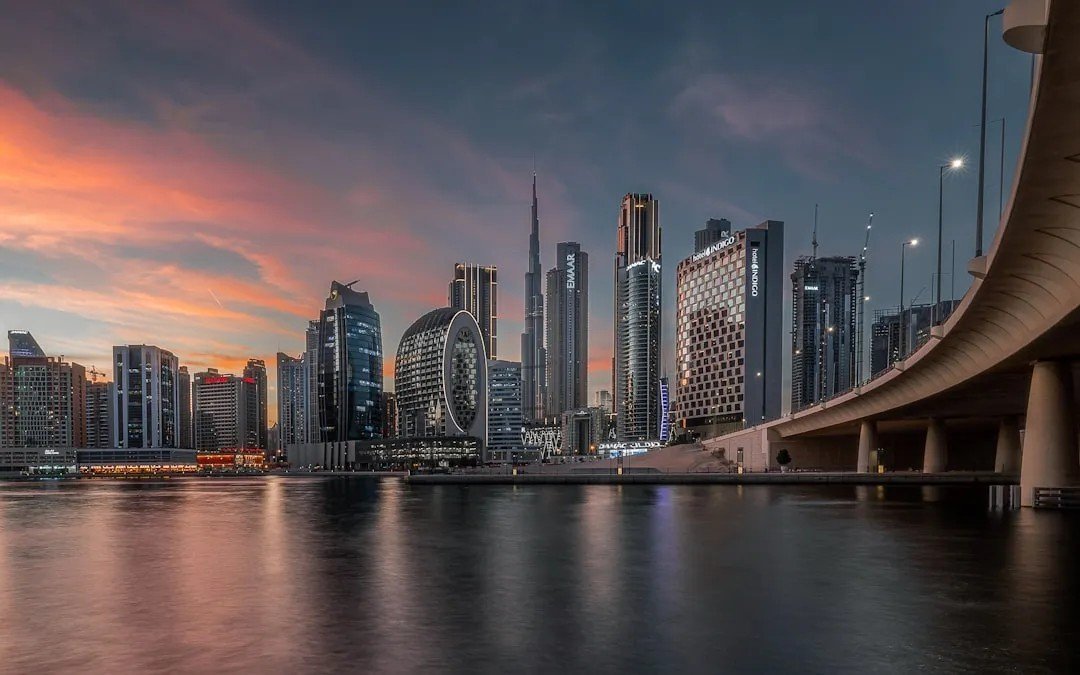
Dubai is, without question, the most expertly marketed destination on the planet. It’s also, for many travelers, one of the most underwhelming to actually live inside. Dubai markets itself as a futuristic paradise where luxury and innovation meet, and the city has successfully crafted an image of opulence and grandeur that attracts millions of visitors each year. However, many travelers report a disconnect between the marketed image and their actual experience.
Despite its glittering attractions, a recent poll on Reddit crowned Dubai as the top contender in a list of overhyped tourist spots. Dubai received over 15,000 votes on Reddit, labelling it as a destination that doesn’t quite live up to the hype. The heat is also something the marketing conveniently forgets to mention.
Dubai’s climate presents significant challenges for much of the year – from May to September, temperatures regularly exceed 40°C (104°F), making outdoor activities uncomfortable or impossible, a reality that contrasts sharply with the idyllic beach scenes often portrayed in tourism marketing. The roads in Dubai are becoming more jammed with every year, traffic feels worse than ever, and the price of housing continues to spike, even with new real estate projects being announced almost daily.
4. Bali, Indonesia – Paradise Sold Separately
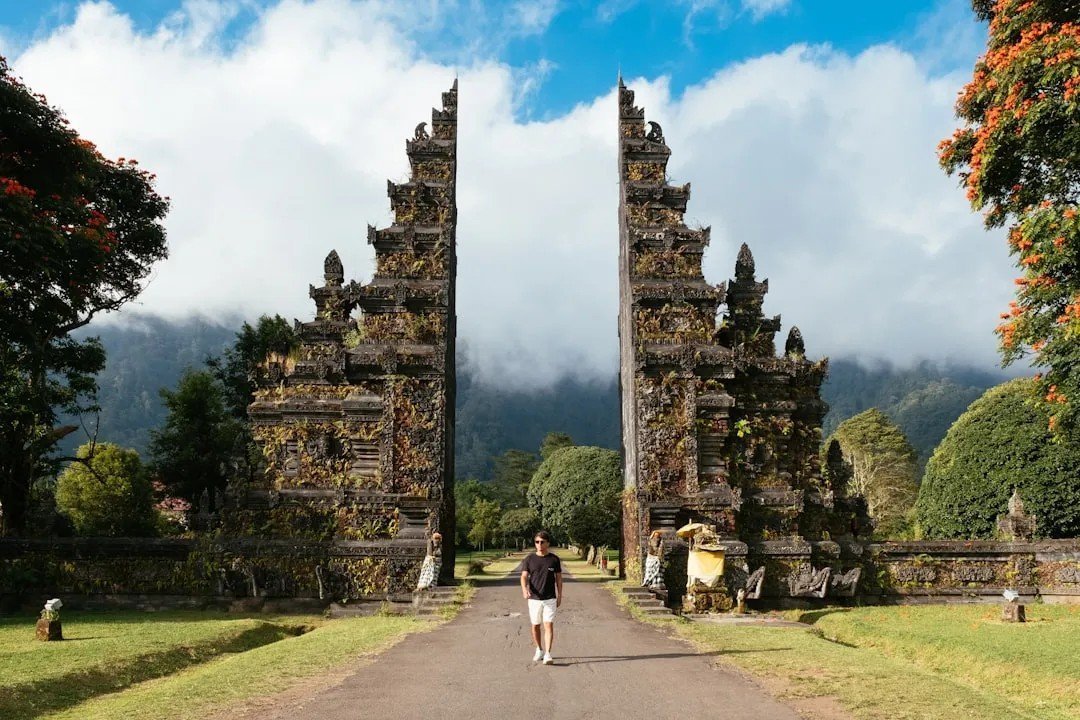
Bali has been packaged and repackaged so many times it’s almost unrecognizable from the spiritual island destination it once was. Bali’s lush landscapes and spiritual heritage have made it a global favorite, but the island’s natural and cultural fabric has been increasingly threatened by the volume of visitors, with nearly 15 million tourists arriving in 2024, and many local communities protesting against rapid, unchecked development. The replacement of sacred sites and traditional rice paddies with resorts and beach clubs has sparked widespread concern.
Bali has been called out as a repeat offender in major travel watchlists, this time for showing no improvements. Out-of-control visitor behavior became so problematic that the provincial governor required a do’s and don’ts list to be attached onto tourist passports, with rules including no swearing, touching sacred trees, or climbing structures. Bali-bound international tourists from February 2024 onwards also have to pay a new tax of around $10.
5. Santorini, Greece – The Filter That Ate an Island
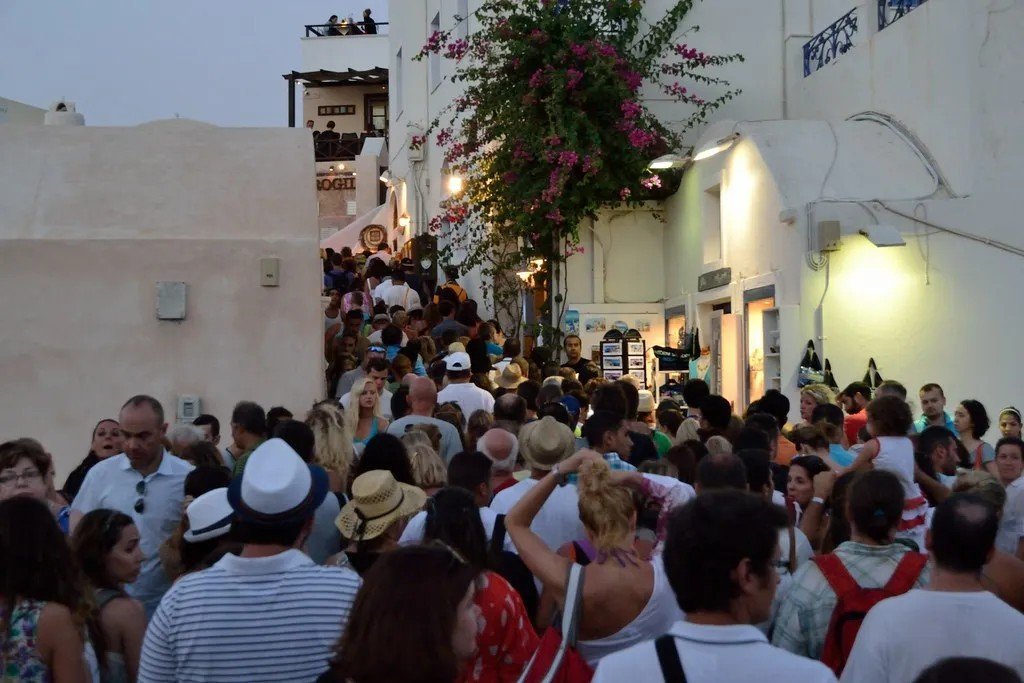
Think of Santorini and the image is immediate: white buildings, blue domes, impossibly dramatic sunsets. It’s one of the most photographed places on Earth. It’s also, during summer, one of the most claustrophobic. The flood of tourists, many arriving on large cruise ships, has led to severe overcrowding. In peak season, visitors often outnumber the island’s 15,000 residents several times over, resulting in traffic jams, overbooked hotels, and overwhelmed restaurants. Popular spots like Oia, where tourists gather to watch the sunset, are packed to the point where it’s nearly impossible to move through the narrow streets.
In 2024, there were reports of up to 18,000 cruise passengers overwhelming the island daily, straining resources for its 15,000 residents. Santorini’s infrastructure struggles under the weight of so many visitors, with concerns about the island’s water supply as well as the impact of constant construction to accommodate tourists. Santorini remains a high-risk destination for overtourism, with its natural beauty and traditional way of life increasingly at risk of being overshadowed by mass tourism.
6. Bangkok, Thailand – The Most Disappointed Tourists on Earth
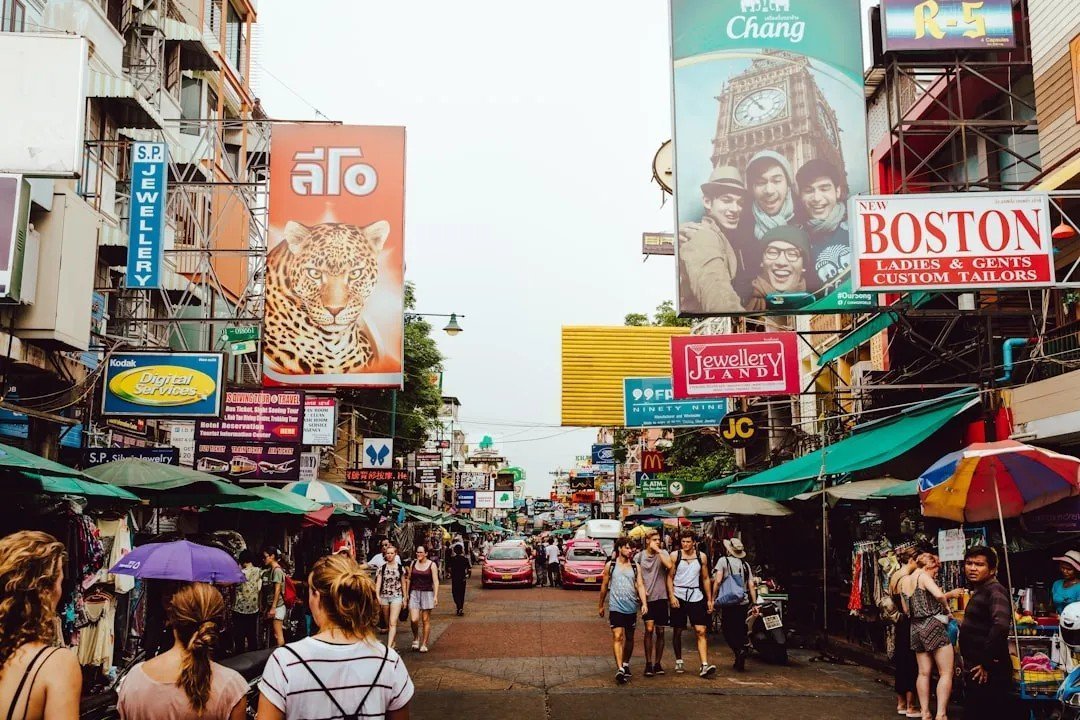
Bangkok is a genuinely fascinating city, but that doesn’t mean the hype machine hasn’t been working overtime. Bangkok comes in at the top spot as the most disappointing city for tourists, with the percentage of dissatisfied tourists climbing from 16.6% in 2023 all the way to 18.3% in 2024. That’s a significant proportion of people flying across the world to feel let down.
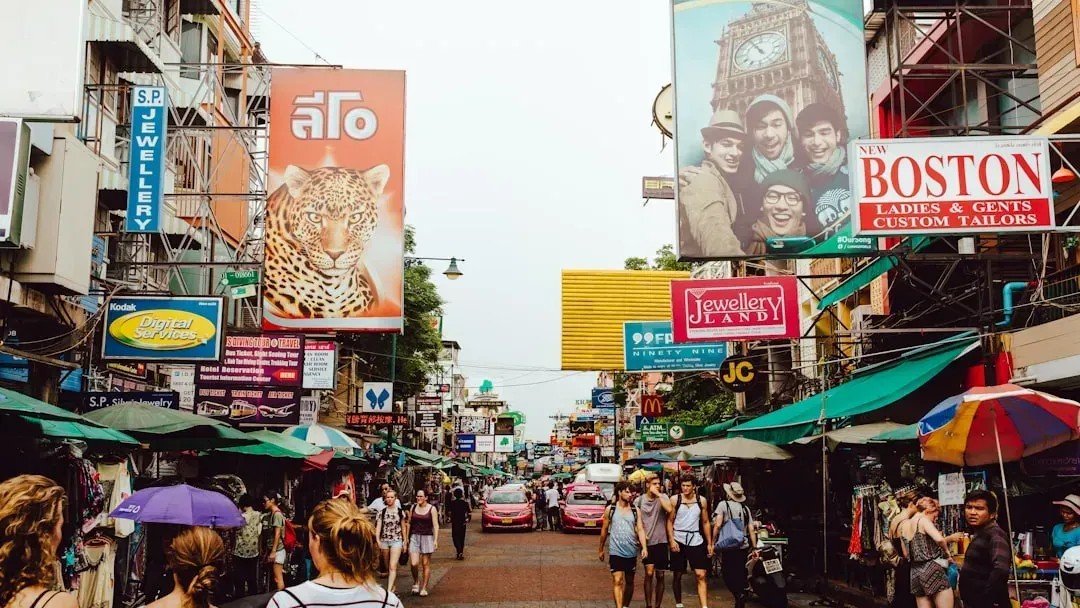
The streets of Bangkok are known to be overcrowded and the river waters quite murky, with the most disappointing attraction being the much-hyped Khaosan Road. Khaosan Road is perhaps the perfect metaphor for overhyped travel culture globally: a street that exists almost entirely for tourists, selling tourists back a version of themselves. It’s hard to say for sure whether it was ever magical, but it certainly isn’t now. The findings are based on Tripadvisor reviews from April 2024, drawn from the most popular destinations as identified by Euromonitor and the Global Destination Cities Index by Mastercard.
7. Machu Picchu, Peru – The Queue to a Wonder
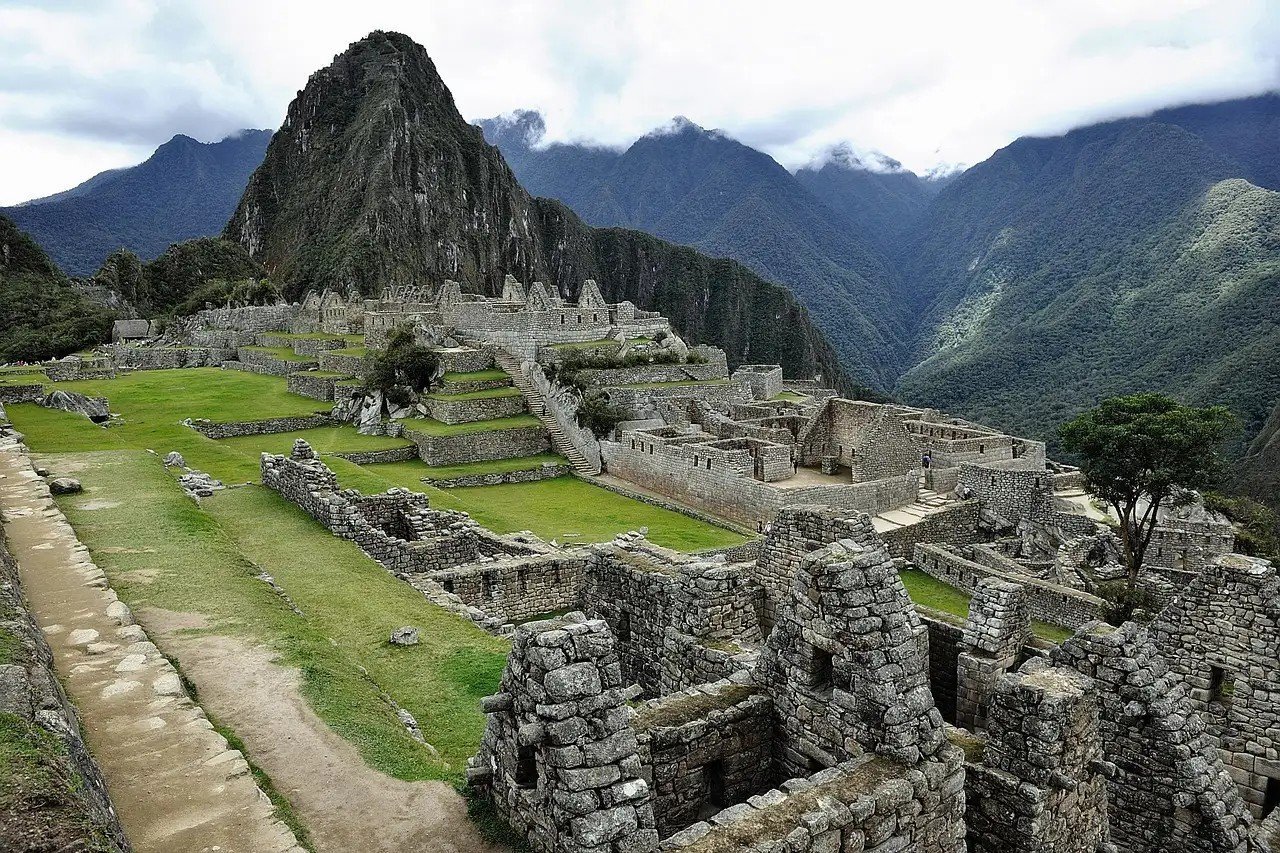
Here’s the thing about Machu Picchu: it is genuinely one of the great human achievements on this planet. The problem is that visiting it in 2025 feels less like a spiritual encounter and more like a highly organized queue management exercise. In 2024, Machu Picchu received 1.5 million visitors, matching 2019 levels and marking a 58% increase over 2023, corresponding to an average of over 4,000 visitors per day.
To manage the crowds, Peru now requires all tickets to be bought online in advance. Each visitor can stay up to four hours, and groups must stay small, with no more than ten people per guide. The government divided entry into three time slots to spread out visitors – changes that aim to keep the site safe but also make planning a trip considerably more complicated.
More visitors mean more wear on stone paths, more waste to manage, and higher prices for everyone, while locals often struggle with rising costs and crowded streets. The government and experts worry that if visitor numbers keep rising, Machu Picchu could suffer permanent damage.
8. Amsterdam, Netherlands – A City Tired of Its Own Reputation
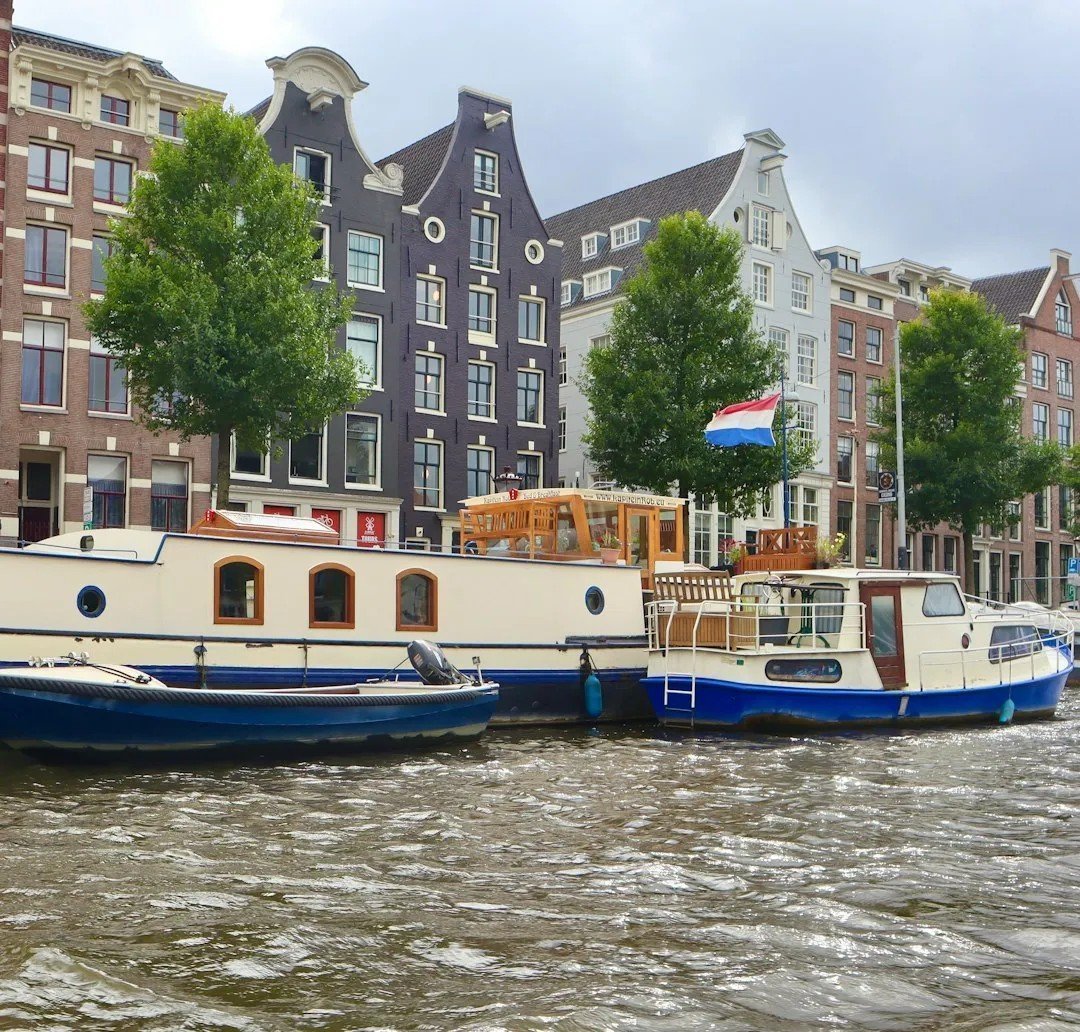
Amsterdam is actively, literally, trying to drive certain tourists away. That’s not a metaphor. Perhaps the most brash recent example: Amsterdam’s so-called “stay away” online campaign, which it launched in spring 2023 aimed directly at “wild,” hard-partying British males coming to the city in search of sex and drugs. That’s a city’s tourism board telling you, in plain language, that some of you should not come.
Visitors to Amsterdam face the highest tourist taxes in Europe, with the city announcing the daily fee for cruise ship day visitors going from 8 to 11 euros, while the nightly fee built into hotel room prices jumped to 12.5% of the room rate. Even with such initiatives in place, Amsterdam is still expected to host up to 23 million annual overnight visitors, not counting another 24 to 25 million day visits.
Amsterdam’s historic canals and cultural heritage attracted over 20 million visitors in 2023, leading to significant challenges for residents, with daily life affected by overcrowded public transport, rising rents, and noise pollution in residential neighborhoods. In 2024, the city enacted a new tourist tax aimed at funding infrastructure improvements and cleanliness initiatives.
9. Hollywood Walk of Fame, Los Angeles – Where Dreams Go to Fade

I think nothing captures the gap between expectation and reality in travel quite like this one. You imagine glamour. You get a cracked sidewalk. The Hollywood Walk of Fame in Los Angeles tops a list of the “worst” tourist destinations in a new travel report, with visitors calling it “run down, dirty” and more.
The findings were released by Stasher, a travel company specializing in luggage storage, based on Google Reviews ratings, TikTok engagement, airport accessibility, country safety and local accommodation quality. Located 23 miles from the LAX airport, the sidewalk of celebrity stars had the lowest Google rating and safety score of all analyzed locations.
The landmark is lined with overpriced retail shops and tattoo parlors, and the area has become so commercialized that finding authentic Los Angeles charm feels nearly impossible. The stars themselves, over 2,500 of them, are interesting for about eleven minutes. After that, you’re just standing on a busy street.
10. Times Square, New York – Sensory Overload as Tourism Product
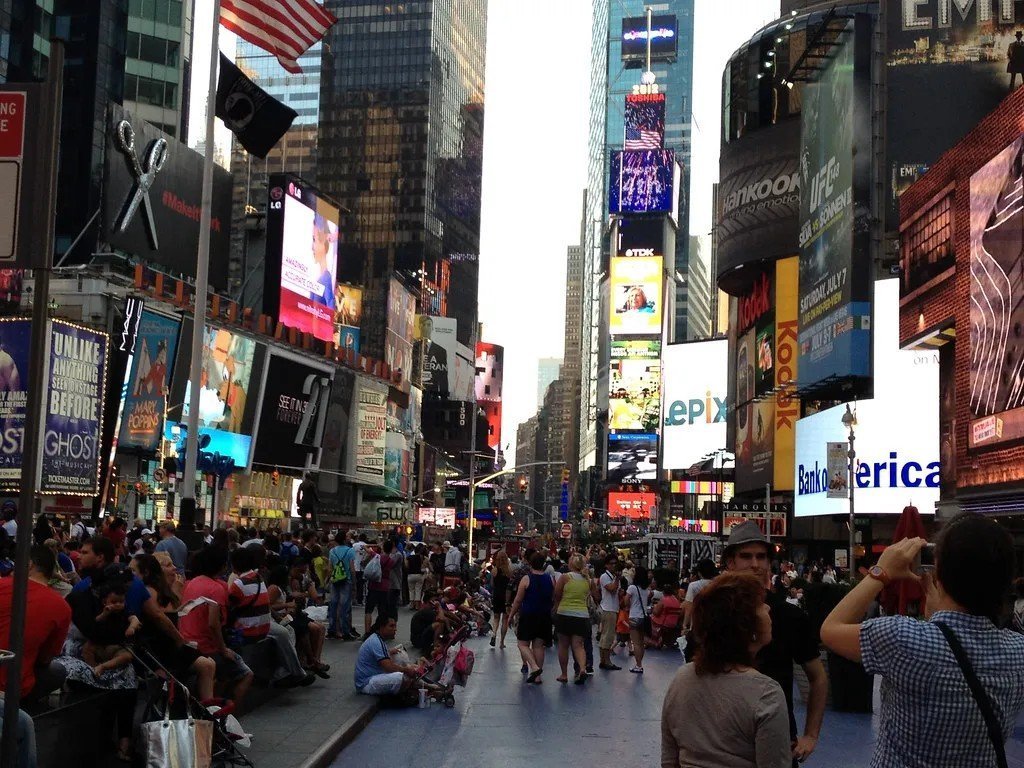
There is probably no destination on this list that better illustrates the concept of pure tourism theater than Times Square. It was never a neighborhood. It was always a performance. Nearly half the tourists surveyed in 2024 said their visit didn’t live up to expectations. In a 2025 survey, 40% of tourists admitted that their visit left them more disappointed than delighted. Times Square represents one of those places where the gap between expectation and reality creates genuine frustration.
Night or day, Times Square is jam-packed with crowds, dozens of tourists trying to take selfies, and scores of working people going about their day who wish the tourists weren’t there. The constant noise, blinding billboards, and aggressive street performers create an experience that’s more exhausting than exhilarating.
The shops and restaurants you’ll find here exist in practically every American city, making the whole experience feel surprisingly generic despite the iconic location. Think of it this way: if Times Square were a person, it would be someone who dresses in a tuxedo every single day but has nothing interesting to say.
11. Cancun, Mexico – The All-Inclusive Illusion
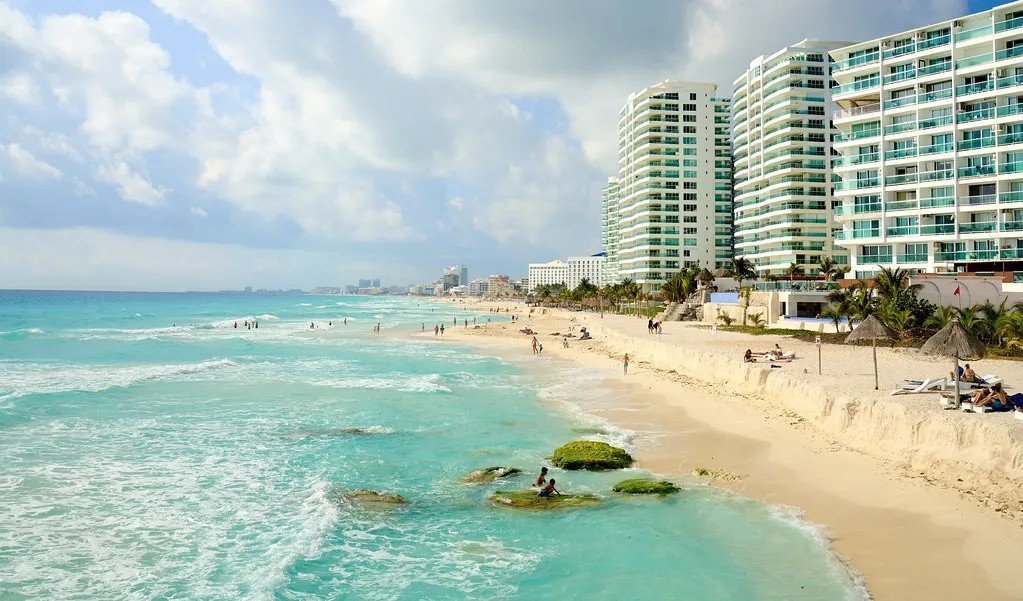
Cancun is, when you strip it down, a very specific product: a resort zone designed from the ground up for mass tourism, built on a narrow sandbar on the Yucatan coast. The pitch is paradise. The reality is more complicated. Cancun nabbed the top spot in an unflattering global analysis of over 97,000 Google visitor reviews, with 14.2% negative reviews. Travelers to the popular tourist destination were peeved about high prices, pushy vendors, and a lack of authenticity.
Most visitors never leave the Hotel Zone, a stretch of glittering resorts that bears almost no resemblance to actual Mexico. Cozumel, nearby, faces similar issues where overcrowding strains amenities and requires better management and preservation amidst pollution and community disruption. It’s worth asking whether a destination that has been so thoroughly engineered for tourist consumption can offer anything real at all. In Cancun’s case, that’s a genuinely hard question.
12. Mount Fuji, Japan – A Mountain Under Siege
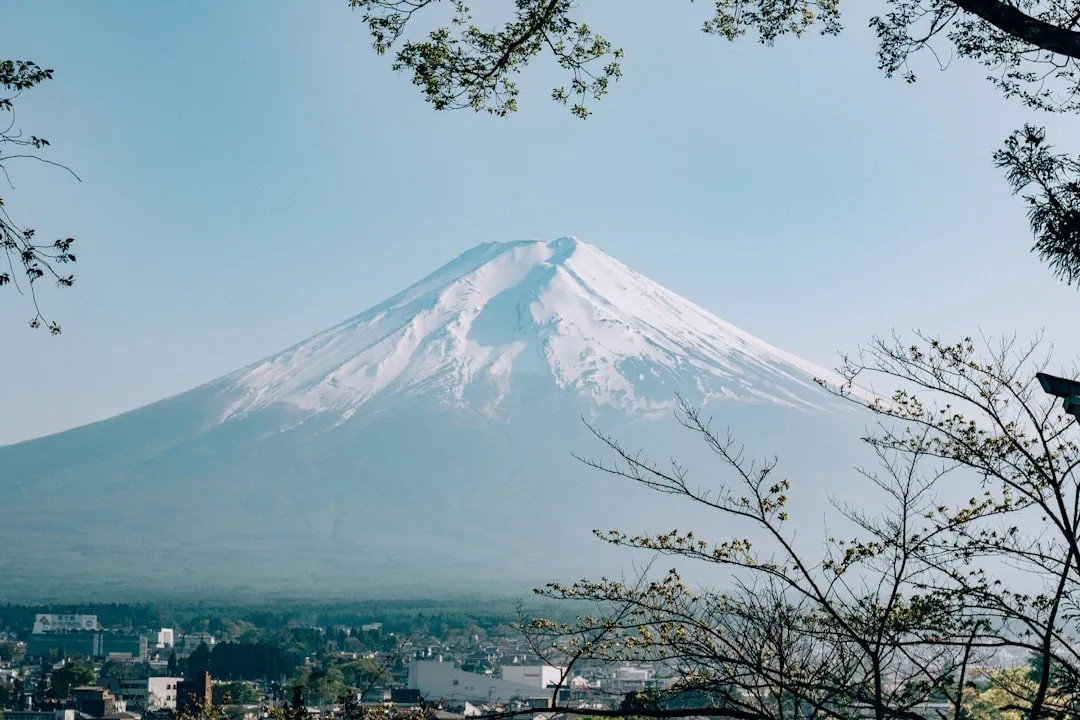
Mount Fuji is sacred to Japan, a UNESCO World Heritage Site, and one of the most recognizable natural landmarks in the world. It’s also, in recent years, become a symbol of everything wrong with how we treat places we claim to love. In May 2024, a temporary barrier was erected to block the view of a popular Mount Fuji photo spot near a convenience store in the town of Fujikawaguchiko – a striking image that went viral worldwide.
Mount Fuji in Japan subsequently capped daily visitors during peak season at 4,000 with a fee of ¥2,000. Instagram and TikTok play a crucial role in driving overtourism, and a single post from a popular influencer can turn a previously unknown destination into a must-visit location overnight, straining local resources, inflating housing prices, and eroding the cultural fabric of communities.
The irony, of course, is that the famous convenience store photo spot became famous because of social media, which then brought so many people that it had to be blocked. The United Nations World Tourism Organization predicts that the number of worldwide tourists, which peaked at 1.5 billion in 2019, will reach 1.8 billion by 2030 – meaning the pressure on places like Mount Fuji is only going to intensify.
So, Where Does This Leave the Traveler?
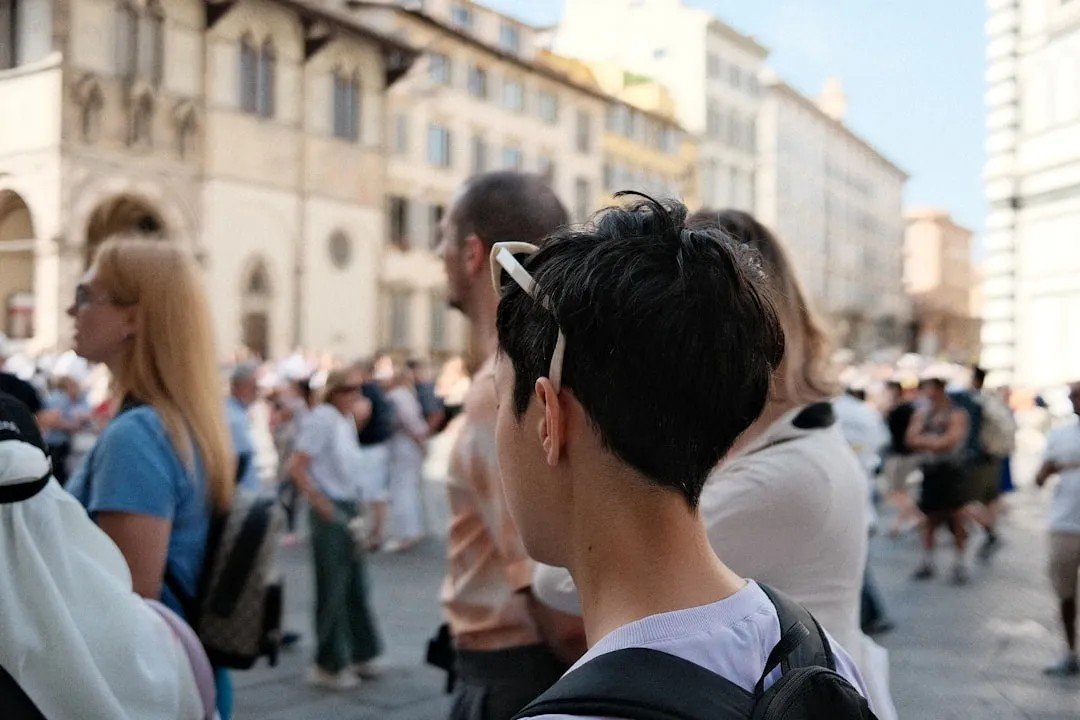
In 2024, with travel rebounding globally, overtourism hit harder than ever. Famous destinations like Venice, Bali, and Barcelona were already grappling with overcrowding, and the effects were noticeable: from environmental damage to overwhelmed local services and the displacement of residents.
The most heartbreaking aspect of overtourism is the displacement of culture. When a neighborhood becomes dominated by souvenir shops and tourist-menu restaurants, the authentic soul of the place dies. Small hardware stores, local bakeries, and community centers are replaced by luggage storage lockers and international coffee chains.
None of this means these places lack beauty or value. Most of them are genuinely remarkable. The skip list isn’t about dismissing them forever. It’s about recognizing that the version being sold to you through glossy marketing campaigns and algorithmically curated feeds is not the version you’ll actually find when you arrive. Perhaps most notably, a global shift is underway from a destination marketing approach, bringing in more tourists, to one focusing on destination management that balances the needs of the destination and its residents while creating a positive visitor experience.
The world is enormous. The places that will genuinely move you are often not the ones with the biggest advertising budget. What would you choose if Instagram had never existed?