
There is something quietly revolutionary happening in every airport, train station, and border crossing around the world. Travelers are landing in new countries and going online within seconds, no SIM card shop in sight, no fumbling with tiny plastic chips, no sim-ejector tool desperately needed. An eSIM, or embedded SIM, is a digital replacement for the physical SIM card that has powered mobile devices for decades – built directly into a device’s hardware rather than slotted in. That subtle shift changes almost everything for frequent travelers.
International roaming charges can genuinely destroy a travel budget, but eSIM technology in 2026 offers a smarter solution, with providers now offering plans starting from just $1.99 and features like built-in VPN protection. Whether you are hopping between three continents for business or spending four months slowly working your way across Southeast Asia, the question is no longer whether you need an eSIM. It is which one. Let’s dive in.
Why eSIMs Have Become Unavoidable in 2026
In 2026, eSIM is no longer positioned as an optional add-on. Many carriers now treat it as a default activation method, particularly for flagship smartphones and data plans. It is a bit like how contactless payments felt experimental in 2015 and are now simply how you pay for your coffee. The shift has been rapid and mostly quiet.
eSIMs are quickly changing the game for international travelers. They offer instant activation so you can set up your mobile plan before you even take off. Many eSIMs allow you to store multiple profiles, making it easy to switch between carriers or countries without hassle. And they often come with far more affordable data plans compared to traditional roaming options. Honestly, once you have traveled with an eSIM, going back feels unthinkable.
Airalo: The Household Name with a Loyalty Angle
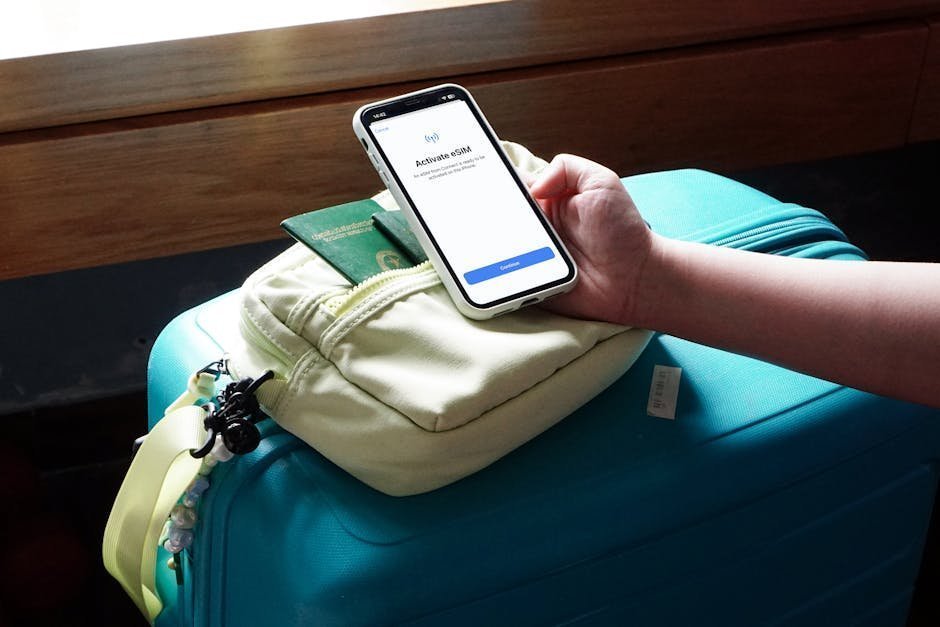
Founded in 2019, Airalo has already amassed over 20 million users, offering eSIMs to over 200 destinations. It is the name that comes up first in almost every conversation about travel eSIMs, and for good reason. Airalo is easily one of the best eSIM providers for travelers looking for an affordable and reliable option available in more than 200 countries. It collaborates with local telco companies worldwide, and its cost depends on the destination, data validity, and data limit. It also offers eight regional plans, including Latin America and the Caribbean Islands.
Airalo also offers Airmoney, a loyalty program where you earn cashback on purchases and referrals that can be used toward future eSIM plans. This rewards frequent travelers with ongoing savings. New users start as Travelers earning five percent cashback. They can advance their position within the loyalty system and unlock additional perks with each purchase. The highest attainable level is the Platinum Traveler, offering a ten percent cashback rate. That is genuinely valuable for people who buy eSIMs every few weeks.
Saily: The Security-First Budget Champion
With plans starting at just $1.99, Saily has the cheapest rates of any service reviewed by CNBC Select. It also supports personal hotspots on most devices, enabling you to limit your data usage. Although a newer player in the eSIM space, Saily has stepped up as one of the most reliable, affordable, and flexible eSIMs for international travel. Backed by the team behind NordVPN, it combines global coverage, affordable pricing, and built-in security features, all wrapped in one simple app. With plans available in over 200 countries, it is a reliable choice for both short trips and extended travel.
What sets Saily above the rest is its built-in VPN, ad blocker, and web protection. It encrypts your connection on public Wi-Fi networks in airports, hotels, and cafes, keeping your data safe from potential hackers. It even helps bypass local censorship so you can browse freely wherever you are. Saily recently announced the launch of its Ultra Plan, a premium all-rounder option for frequent travelers. A monthly subscription of $59.99 gets you 30GB of data plus security features from NordPass, NordVPN, NordLocker, and Incogni. That is a serious value stack.
Holafly: The Unlimited Data Powerhouse
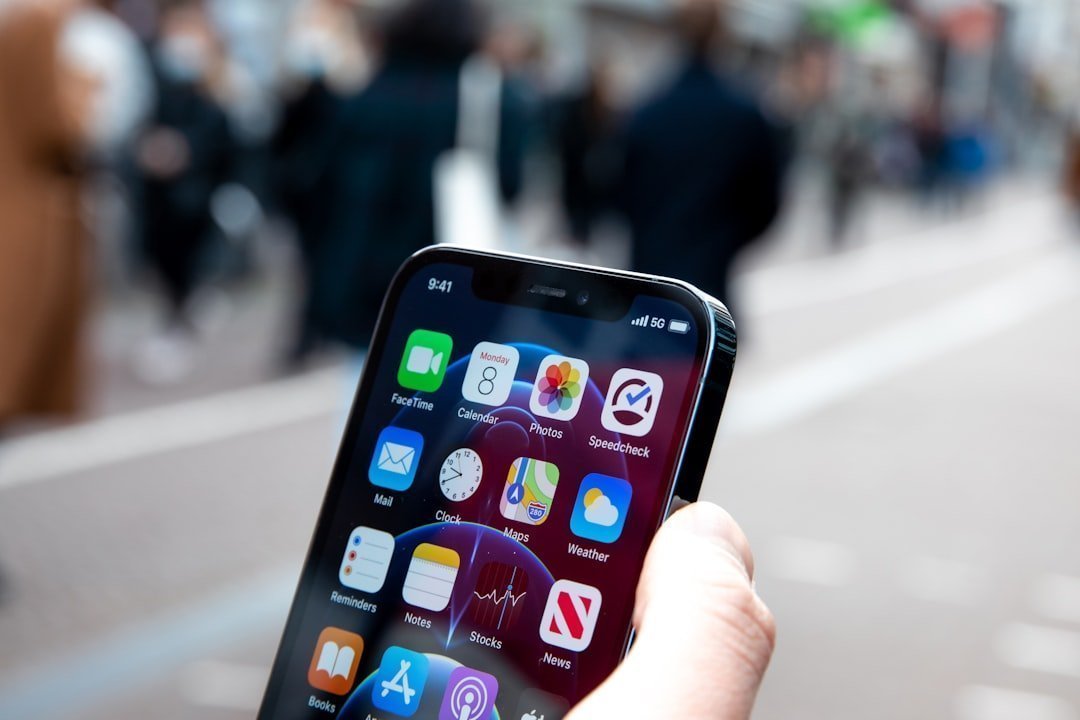
Holafly is a no-brainer for travelers who are glued to their phones, with unlimited data plans in Mexico, Europe, Japan, China, and over 160 other destinations. Here is the thing about unlimited data plans – when you are navigating through unfamiliar cities, using translation apps constantly, and uploading photos on the road, you simply cannot be checking a data counter every hour. With Holafly, the data is unlimited, which is a major advantage in today’s social media-driven world. The eSIM from Holafly is as fast as local providers in the region you’re visiting, as they partner with regional carriers.
Holafly holds a 4.6 out of 5 star rating on Trustpilot. About 85 percent of reviews are five stars. They also have over 65,000 reviews, so a consistently strong rating across that many users is significant. The main downside is that Holafly is significantly more expensive than other options. If you just need data to check your socials occasionally, you are better off with a more affordable provider like Saily or Jetpac.
GigSky: The Traveler Who Goes Everywhere – Including Cruise Ships

GigSky provides coverage in over 200 countries, with additional options for in-flight and cruise connectivity. It offers both fixed and unlimited data plans. Fixed options range from 1GB to 100GB, giving frequent travelers a wider selection than many competitors. Unlimited plans are available for durations of one to thirty days. I think GigSky deserves more attention than it gets. It solves a genuinely niche but real problem.
GigSky offers a separate Caribbean plan and cruise plans. Cruise plans are a notable differentiator, covering major cruise lines such as Carnival, Disney, and MSC – something few competitors currently offer. If you are new to eSIMs, GigSky offers a free 100MB trial plan. In addition to more than 200 countries, GigSky offers service in more unique locations including cruise ships and offshore sites, with 24/7 customer support available whenever you encounter issues.
Jetpac: When Your eSIM Comes with Airport Perks

Jetpac is a Singapore-based eSIM provider founded in 2022. It offers reliable internet access through both regional and global plans, catering to a variety of travel needs. Whether you are on a short four-day trip or an extended thirty-day journey, Jetpac ensures you stay connected. Backed by the telecom powerhouse Circles.Life, they have teamed up with top-notch carriers around the globe including KDDI, Vodafone, Claro, AT&T, and Verizon, offering strong bang-for-your-buck rates in areas like the US, Europe, and Japan.
Pros include frequent sales on data packages, sometimes as low as one dollar per gigabyte. It is the top-rated eSIM on Trustpilot. Some plans in fifty countries now also let you make outgoing calls to landlines. JetPro even offers seven-gigabyte plans that include perks such as Fast Track passes and lounge access. That combination of connectivity and airport lifestyle features is genuinely clever thinking for a product aimed squarely at the frequent flyer crowd.
Flexiroam: Maximum Network Coverage, Maximum Flexibility
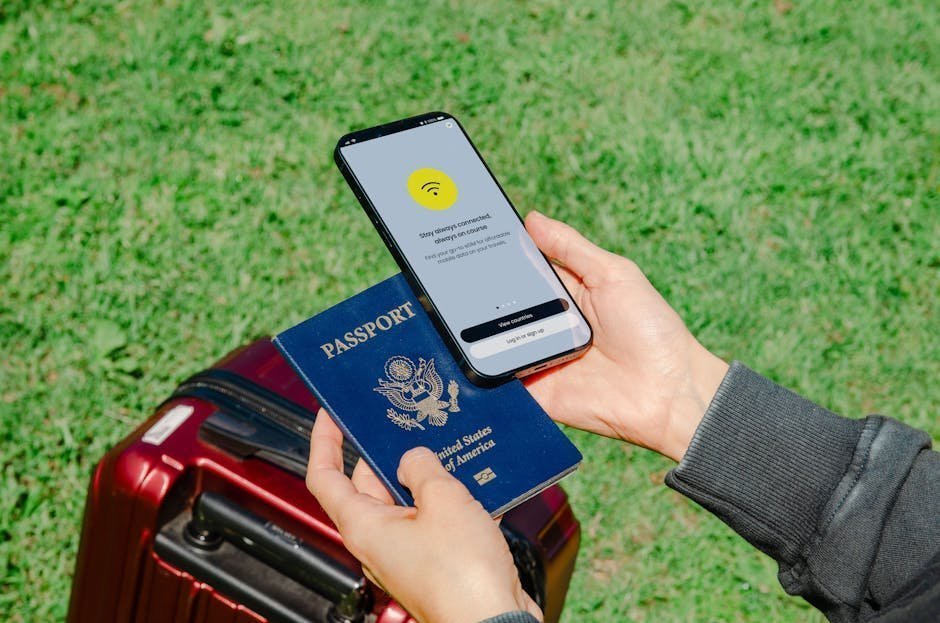
Flexiroam works with 520 different network partners, resulting in some of the best coverage possible when traveling. It offers data sharing, automatic top-up options, and flexible start dates, as well as both regional and global packages. If your trip runs longer than expected, the Flexi Roll feature allows you to upgrade to a global plan with more data. The sheer number of network partners is remarkable – it is like having a key that fits nearly every lock on the planet.
In addition, eligible Mastercard holders may qualify for Global Data Roaming with waived fees. That last point is a sleeper benefit most people overlook entirely when comparing eSIMs. It is often recommended to install and set up your eSIM before traveling, but make sure you do not activate your plan before necessary, as that may start the validity period. While some plans are country-specific, many providers offer global eSIM packages. However, there is no single eSIM that works in every corner of the world.
Device Compatibility and Carrier Lock: The Hidden Hurdle
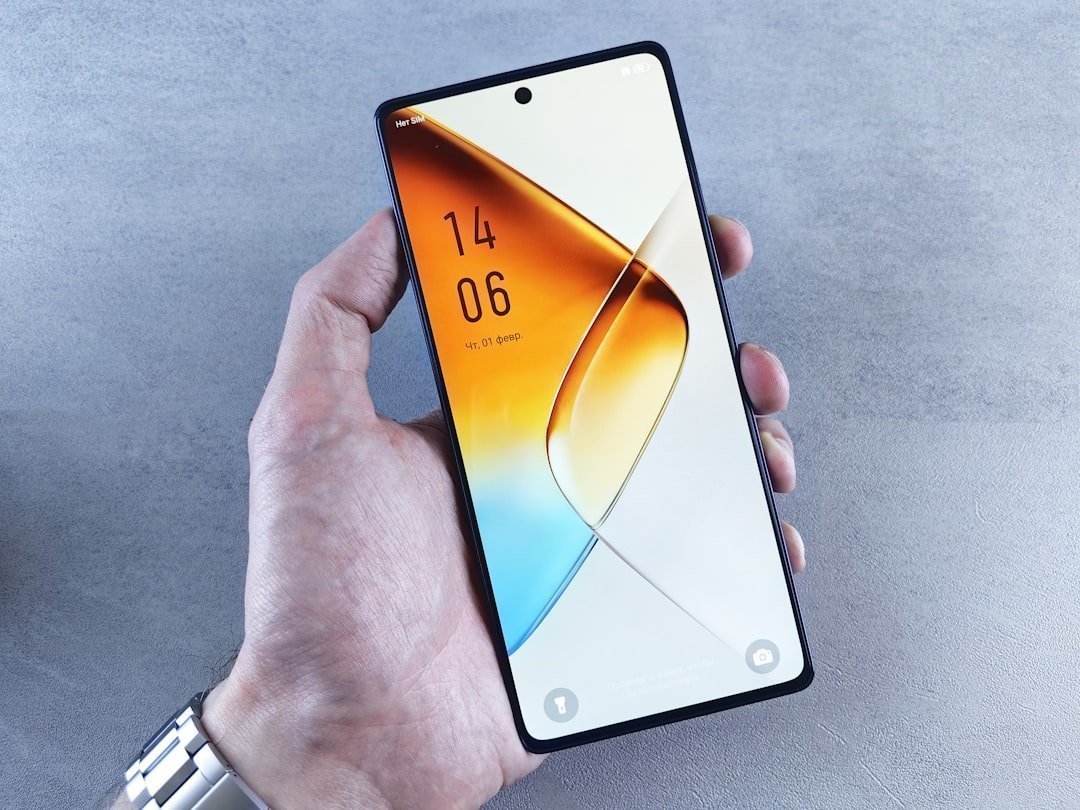
eSIM-compatible does not mean unlocked. A phone can support eSIM technology and still be locked to one carrier. Phones under contracts, installment plans, or corporate restrictions often remain carrier-locked until approved. This catches people off guard more than almost any other issue. It is a bit like buying a universal remote and then discovering your television has a proprietary receiver.
Device compatibility and carrier restrictions still matter. A device locked to a specific carrier may limit eSIM usage abroad, even if the hardware supports it. eSIM simplifies switching between carriers, but only when devices remain flexible. If you are shopping for a new phone with travel eSIM use in mind, buy unlocked from the manufacturer. This is the single best way to ensure full eSIM support. Carrier-purchased phones may have eSIM locked or disabled. Apple Store, Google Store, and Samsung.com sell unlocked devices directly.
Understanding Data Throttling on “Unlimited” Plans
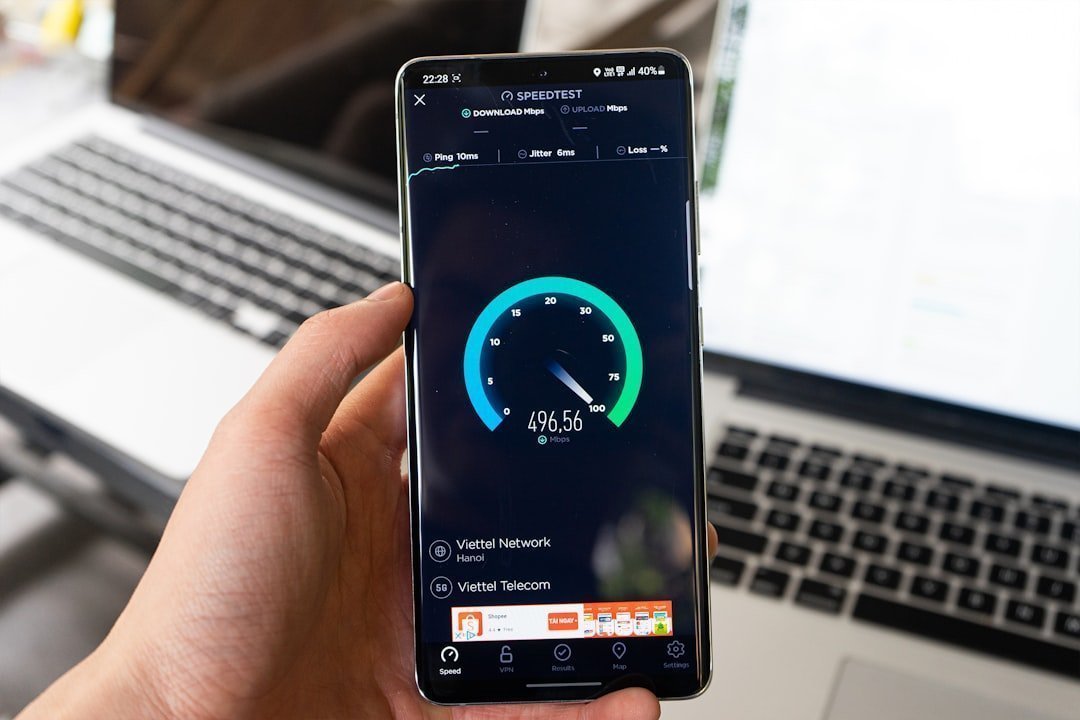
Let’s be real about one thing that a lot of marketing copy glosses over: unlimited does not always mean what you think it means. So-called “unlimited” plans are subject to a Fair Usage Policy. After a certain threshold, speeds are throttled, which can be a real issue if you are hotspotting for heavy work. For example, Airalo’s unlimited plans for the US actually offer three gigabytes of high-speed data per day. Once that daily allowance is used, speed is throttled to 1000 kbps, meaning the plans are not unlimited in the sense of offering unrestricted high-speed data.
Throttling is a way of ensuring that data usage does not reach unmanageable levels so that providers can continue to offer unlimited packages to a wide audience. The good news is that daily data caps are usually set well above what the average traveler uses in a day. For most light-to-moderate users – maps, messaging, a bit of social media – it is genuinely a non-issue. Heavy video streamers and remote workers running video calls all day? Worth reading the fine print carefully before you buy.
How to Choose the Right eSIM for Your Travel Style
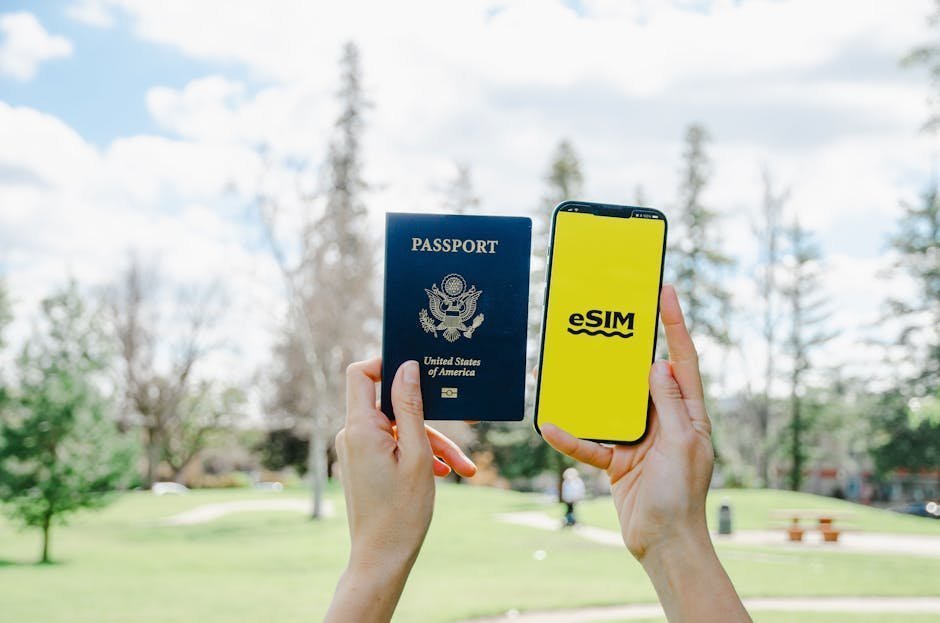
A few key things to consider before purchasing a travel eSIM include: whether the provider offers enough data for your needs, since some offer unlimited plans while others use a pay-per-GB model that can add up on longer trips. Coverage matters – make sure your eSIM offers strong regional or global coverage for where you are headed. Speed and reliability also count because a great price means nothing if the connection is slow or drops frequently. Look for an app that is simple to install and activate, ideally with a QR code setup so you can connect within minutes.
Budget-conscious travelers should compare Saily and newer providers, frequent flyers benefit from Airalo’s loyalty program, while digital nomads should prioritize providers with extended validity and flexible global plans. Transparent pricing is a must, with flexible options like pay-as-you-go, regional bundles, or no long-term contracts. The user experience matters too – look for providers with intuitive app interfaces, responsive customer support, and easy plan management. Bonus features like data sharing, hotspot capability, and broad device compatibility can make life even simpler. The eSIM market in 2026 is genuinely competitive, which means the traveler wins – as long as they do their homework before departure.
What do you think about it? Tell us in the comments which eSIM provider has worked best for your travels.