

Something remarkable has quietly happened over the last few years. Governments around the world, once indifferent or outright hostile to the idea of foreigners sitting in a cafe and collecting foreign paychecks, have started rolling out the welcome mat. Not just with a friendly wave, but with actual tax incentives, visa programs, and legal frameworks designed specifically to attract remote workers. The race to become the ultimate “digital nomad tax hub” is on, and the competition is fierce.
If you have ever wondered whether you could legally slash your tax bill while working from a sun-drenched coastline or a vibrant European capital, the answer is increasingly yes. More than 50 countries now offer dedicated remote-work residence visas as of 2025. The catch, of course, is that not all programs are equal, the rules change fast, and where you land on the tax spectrum depends enormously on which passport you carry. Let’s dive in.
Spain: The Beckham Law Makes It All Worth It

Spain might not be the first name you think of when you hear “tax haven,” but here’s the thing: it has one of the most generous remote worker tax frameworks in all of Europe. Spain tops the 2026 Digital Nomad Visa Index thanks to quality of life and a visa offering up to five years with a path to permanent residency, plus the “Beckham Law” with 0% tax on foreign income and a 24% flat rate on local earnings for up to six years. That is genuinely impressive for a Western European country.
Also known as “Beckham Law,” this Spanish tax regulation allows foreigners to benefit from a reduced tax rate on their Spanish-source income and exempts their foreign-source income from Spanish tax. After five years of living in Spain, a digital nomad can apply for a permanent residence permit, and after another five years, a foreigner is eligible for a Spanish passport. Few countries anywhere bundle lifestyle, career stability, and tax savings into one package quite like this.
Portugal: NHR Is Dead, Long Live NHR 2.0
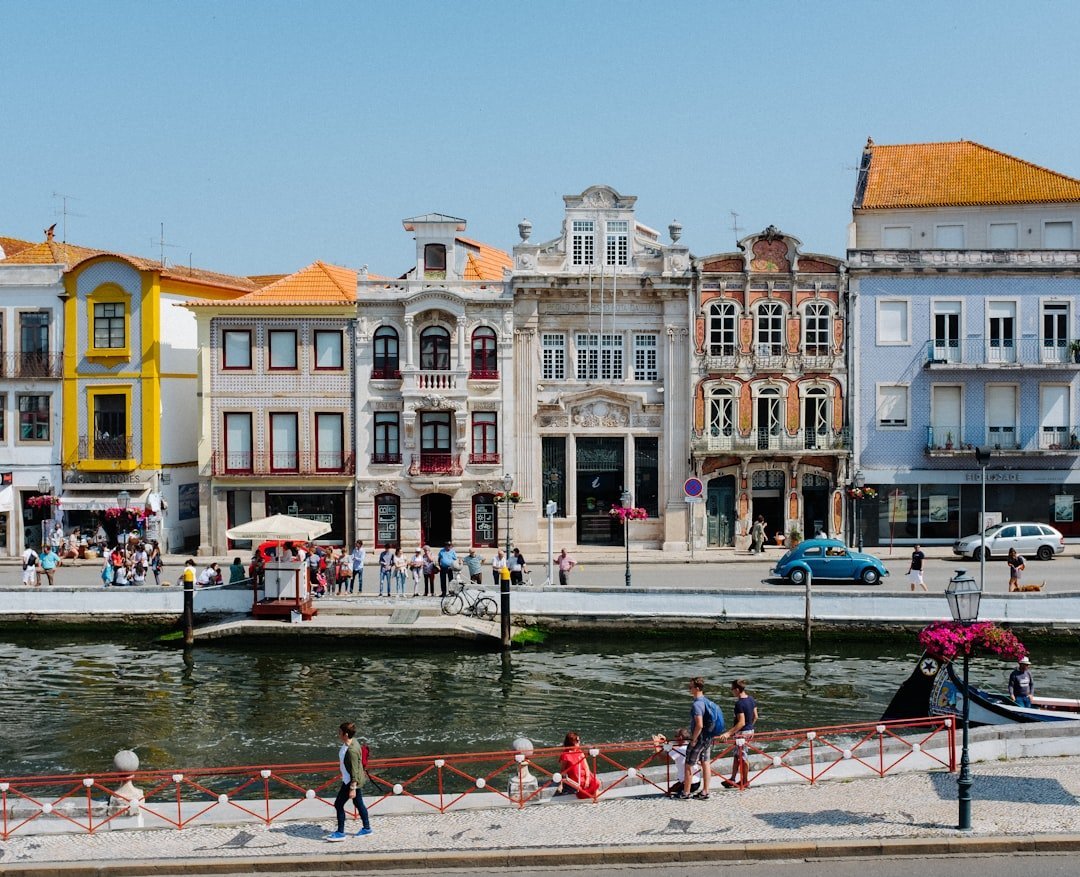
Portugal has long been the darling of the digital nomad world, and honestly it deserved the love. Portugal’s old non-habitual tax residence (NHR) program has ended and been replaced by NHR 2.0, which offers tax incentives to highly qualified professionals, innovators, and entrepreneurs who want to live in Portugal and work toward residency or citizenship. The change, though disappointing for some, does not mean Portugal has abandoned its nomad-friendly spirit entirely.
Portugal’s Non-Habitual Resident regime ended in early 2025 and the replacement “IFICI” (NHR 2.0) is restricted to “high value-added” sectors like scientific research, meaning most general nomads no longer qualify. Still, Portugal allows digital nomads to apply for citizenship after five years, and its D8 visa remains one of Europe’s most respected pathways for remote workers. It has narrowed its doors, but for the right applicant, Portugal still represents one of the most compelling long-term bets in Europe.
Greece: Half Your Tax Bill, Gone

Greece tends to come up in conversations about gorgeous islands and ancient ruins. Less talked about but arguably more exciting for remote workers: Greece’s 50% tax reduction for digital nomads is not just a temporary measure but a long-term strategy, set to remain in place until at least 2030, making it one of the most stable tax incentives for remote workers in Europe. Cutting your tax burden in half is not something you hear every day from a European government.
The 50% tax reduction applies not only to income from employment but also to capital gains from investments made in Greek companies during the nomad’s stay, potentially offering significant financial advantages beyond salary. The program’s minimum income requirement of €3,500 per month may limit accessibility for some remote workers, creating a potential barrier for those in the early stages of their careers. Still, for mid-to-high earners, Greece is an almost shockingly good deal wrapped in one of the world’s most stunning landscapes.
Dubai and the UAE: The Premium Zero-Tax Play

Dubai has been the flagship “no income tax” destination for years, and the appeal is obvious. With a flat monthly income requirement of $3,500 per month and an online application process that takes just a week to receive approval, Dubai’s digital nomad visa is one of the best when it comes to ease and tax benefits. The city is genuinely world-class in terms of infrastructure, safety, and connectivity.
However, the picture shifted in 2026. The UAE introduced a 5% personal income tax effective January 1, 2026, and the freelance visa was suspended in July 2025 and reinstated in November 2025 with strict tax-integrated auditing. I know it sounds dramatic, but 5% is still remarkably low by global standards. A 5% VAT applies to most goods and services, and a 9% corporate tax applies to business profits above roughly $100,000. For high earners, Dubai remains one of the most financially efficient cities on the planet.
Estonia: The Digital Pioneer That Still Delivers

Estonia was one of the first countries to embrace the digital nomad concept, and it still holds a special place in the ecosystem. Estonia was one of the first countries to embrace digital nomad visas, and its program remains a strong contender, with an income requirement of €3,504 per month and a fully online application process that benefits from the country’s advanced digital infrastructure. Think of it as the Silicon Valley of the Baltic.
The visa allows a stay of up to one year and while it doesn’t offer a path to permanent residency, Estonia’s tech-savvy culture and English-friendly business environment make it a great spot for launching or running digital ventures. The country’s reputation as a hub for innovation and its e-residency program are also major draws. Estonia’s digital nomad visa is tax-exempt provided you have no Estonian clients, which makes financial planning refreshingly straightforward for most remote workers.
Croatia: Europe’s Budget-Friendly Tax Exemption
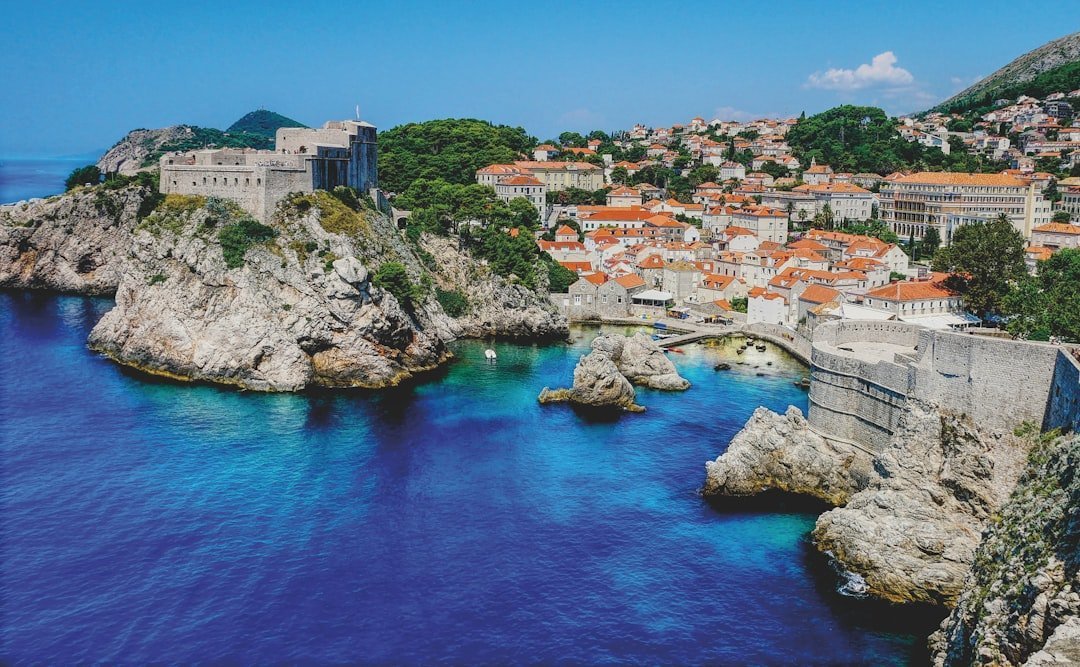
Croatia is one of those places that consistently surprises people. The Mediterranean coastline is spectacular, the cities are walkable, and the local food scene is genuinely underrated. More practically speaking, the visa includes a tax exemption on foreign income, adding to its appeal for remote workers. Croatia offers the lowest income requirement among EU countries at €2,540 per month, making it one of the most accessible European options for nomads who are not yet at peak income levels.
Croatia is one of two digital nomad visas in Europe that do not require digital nomads to pay local taxes, which may be connected to the fact that the visa only allows holders to live in the country for one year before they must leave. Unfortunately, the visa is not renewable. However, you can reapply after having been out of the country for at least 90 days. It is a one-year deal, not a long-term home, but as a tax-efficient base for a year it is hard to beat on price.
Panama: Latin America’s Territorial Tax Champion

Panama operates what many tax planners consider to be among the cleanest territorial tax systems in the Western Hemisphere. A resident of Panama who earns consulting fees from clients in Europe, receives dividends from a Singapore holding company, or realises capital gains on US-listed securities owes zero Panamanian tax on any of those amounts. That is about as clean a deal as you are going to find in any country with real banking infrastructure and a stable economy.
Panama offers a moderate cost of living and a U.S. dollar-based economy, making it appealing for long-term stays. While it doesn’t offer a dedicated digital nomad visa, its existing residency programs work well for remote professionals and its modern amenities make Panama a practical and welcoming choice for digital nomads. It is more “business expat” than “beach laptop,” but for remote workers who want serious financial infrastructure alongside zero foreign income tax, Panama consistently ranks near the top.
Costa Rica: Territorial Tax With a Pura Vida Twist

Costa Rica is one of those countries that sounds almost too good on paper. Lush rainforests, incredible biodiversity, a stable democracy, and a territorial tax system that leaves your foreign income completely untouched. Costa Rica operates under a territorial tax system, which means that income earned from foreign sources is not taxed locally. As a digital nomad visa holder, you are generally not treated as a tax resident for foreign-earned income.
The Digital Nomad Visa, introduced in 2021, provides a one-year renewable residence permit for remote workers earning at least USD $3,000 per month from foreign sources. Importantly, this visa does not create a Costa Rican tax obligation on foreign income. Costa Rica’s 2026 reform offers practical relief for independents by allowing a no-proof 25% deduction and a higher exempt threshold, meaning freelancers, digital nomads, and self-employed expats registered there may find their tax obligations further reduced. It is, in every sense, a country that is actively trying to attract and keep remote workers.
Georgia: The Underdog With Surprisingly Sharp Tax Teeth

If Estonia is the digital pioneer of Europe, Georgia is the underdog that quietly built one of the most creative tax frameworks for small-business owners and freelancers. Georgia’s mixed tax system provides a low entry barrier with a 1% tax rate for entrepreneurs earning under $500,000 annually, and it also boasts affordable living costs and reliable internet infrastructure. One percent. Let that sink in for a moment.
Georgia’s special regimes, including the 1% small business and 0% Virtual Zone IT regime, achieve similar results to territorial tax systems through different mechanisms. Even though Georgia’s digital nomad visa program ended, it still offers a great opportunity for remote workers, as many nationalities can stay in Georgia for 365 days visa-free. The cost of living is among the lowest of any country on this list, and Tbilisi has quickly grown into one of the most vibrant nomad communities in the world.
Paraguay: The Quiet Giant Nobody Talks About

Here is a name that almost never comes up at digital nomad meetups, yet arguably has one of the best tax setups of any country reviewed here. Paraguay applies a territorial system with a flat 10% personal income tax rate on local-source income, while foreign-source income is fully exempt. The cost of living is among the lowest in South America, and permanent residency is obtainable through a simple process involving a bank deposit of approximately USD $5,500.
Paraguay is the best choice for those prioritizing the lowest maintenance, a 0% pure territorial system with no minimum stay, and living costs between $800 and $1,500 per month. Paraguay offers one of the fastest citizenship timelines in the Americas, and its passport provides visa-free access to 146 countries. It is not glamorous, and Asunción is no Lisbon. But if raw financial efficiency and simplicity are what you are after, Paraguay deserves serious consideration.
What American Nomads Need to Know About All of This

No article about digital nomad taxes would be complete without a frank conversation about the elephant in the room: US citizenship-based taxation. The US uses a citizenship-based taxation system, meaning citizens and green card holders must report worldwide income annually via Form 1040, even if they live abroad. Digital nomads also need to report foreign bank accounts and investments. This does not disappear just because you move to Panama or Tbilisi.
The good news is that real savings are still on the table. The Foreign Earned Income Exclusion (FEIE) is the most valuable tax benefit for digital nomads. For the 2025 tax year, you can exclude up to $130,000 of foreign earned income, rising to $132,900 for 2026, by passing one of two tests: the Physical Presence Test requires spending 330 or more days outside the US in any 12-month period. Most digital nomads who file correctly owe $0 in federal income tax. Smart planning, not evasion, is the name of the game.