
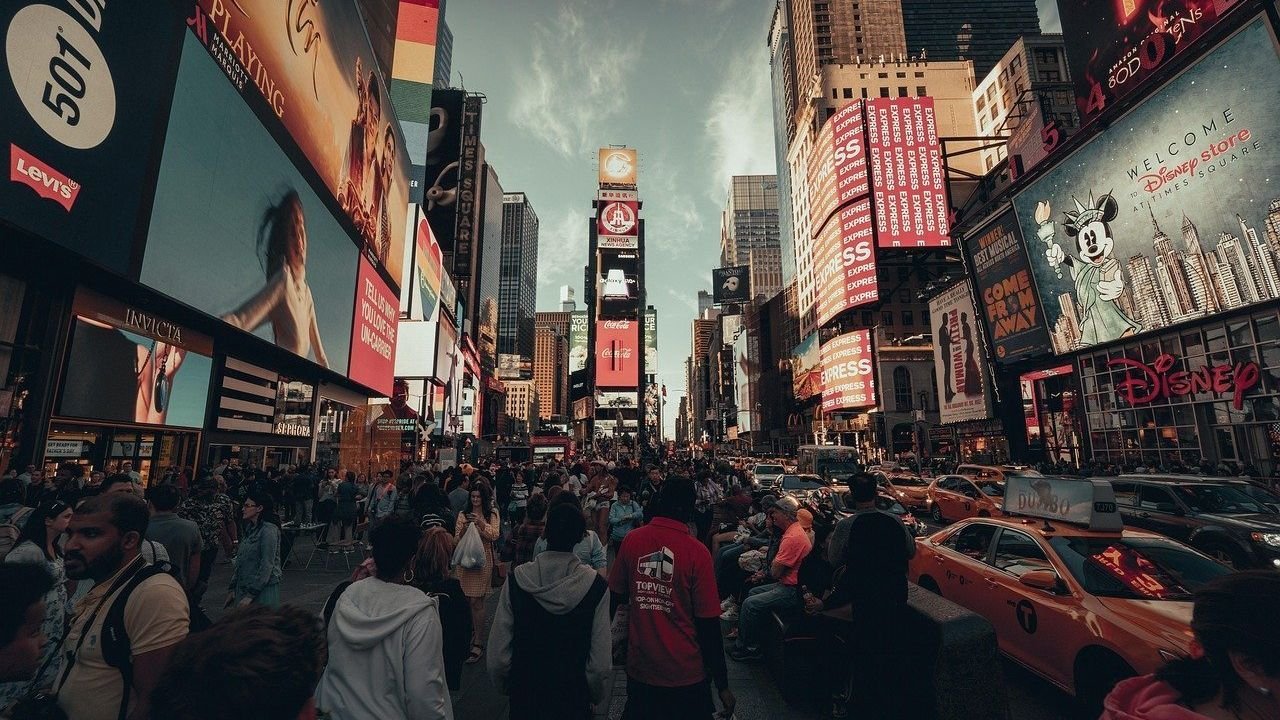
There is something quietly devastating about standing in a place that once inspired wonder and feeling nothing but shoulder-to-shoulder crowds, tour guide megaphones, and the relentless click of smartphone cameras. Our world’s most treasured historical landmarks are under a kind of pressure that no ancient civilization could have predicted. It is not war or earthquakes doing the most damage today. It is tourism itself.
The numbers are staggering and, honestly, a little uncomfortable to sit with. There were 1.4 billion travelers worldwide in 2024, an increase of roughly eleven percent over the previous year. That is a lot of footsteps on ancient cobblestones. In 2024, more than half of all global travel was focused specifically on cultural heritage, a figure expected to keep growing as more travelers seek meaningful, historically rich experiences. So let’s get into what this really means for the places we love most.
When Too Many People Love a Place to Death
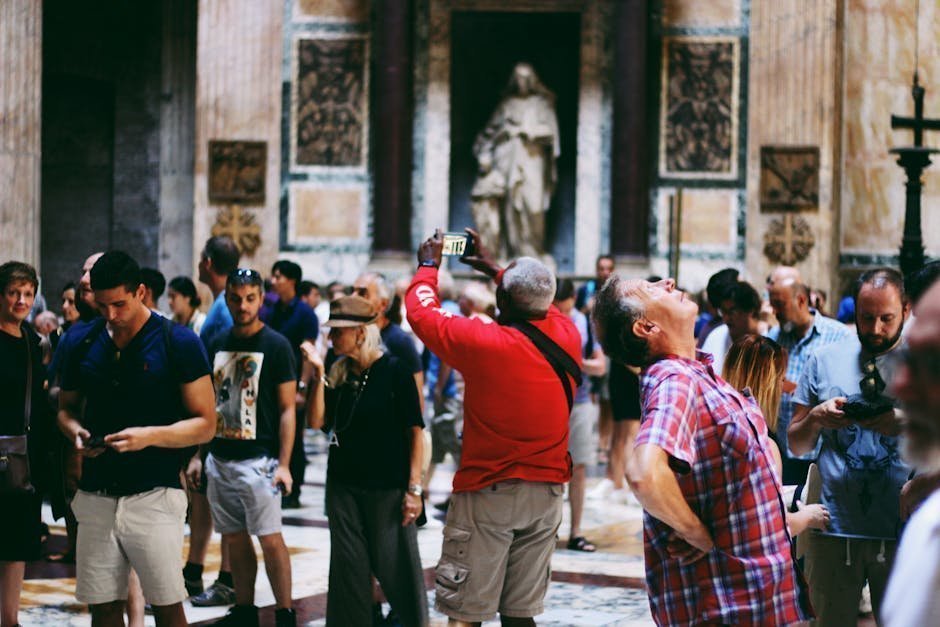
There is a phrase that keeps surfacing in sustainable tourism discussions, and it captures the problem perfectly. Overtourism occurs when too many visitors flock to a destination, exceeding its ability to manage them sustainably, leading to overcrowding, environmental degradation, strained infrastructure, and a diminished experience for everyone. In other words, it is when we love a destination to death. It is a slow, creeping kind of damage, not dramatic but deeply corrosive.
The concept goes beyond inconvenience: overtourism genuinely reduces the quality of life for residents and undermines the very experiences that draw visitors in the first place. Think of it like a beloved local restaurant that goes viral overnight. The food doesn’t change, but suddenly the magic does. Mass tourism blurs the cultural and historical importance of places by reducing unique experiences into purchased transactions.
The Post-Pandemic Tourism Surge Nobody Stopped
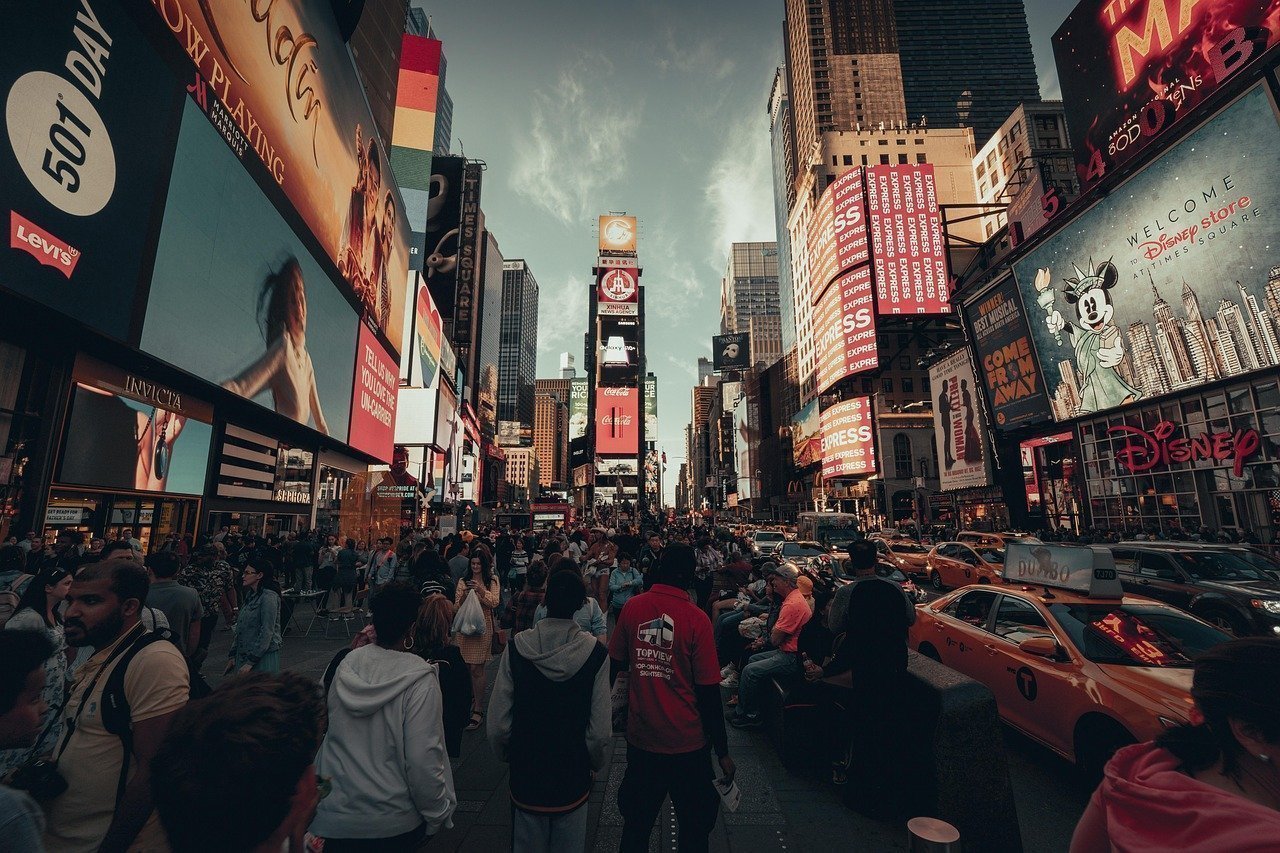
The COVID-19 pandemic brought international tourism almost to a halt in 2020 and 2021, prompting scholars and policymakers to call for a structural reset of global tourism toward greater sustainability. However, when travel restrictions eased in 2022 and 2023, tourism demand surged rapidly, quickly returning to pre-pandemic levels in almost all destinations. That window for meaningful change was essentially missed.
The year 2024 marked a roughly twenty percent increase in global tourist arrivals compared to 2023, surpassing pre-pandemic levels. Europe felt this particularly hard. Europe’s tourism numbers reached new heights in 2024, with foreign arrivals surpassing 2019 figures through a year-on-year increase of twelve percent since 2023, while Portugal alone saw a twenty-six percent increase in arrivals. The floodgates, it seems, reopened wider than before.
Venice: A City Eroding Under Its Own Fame
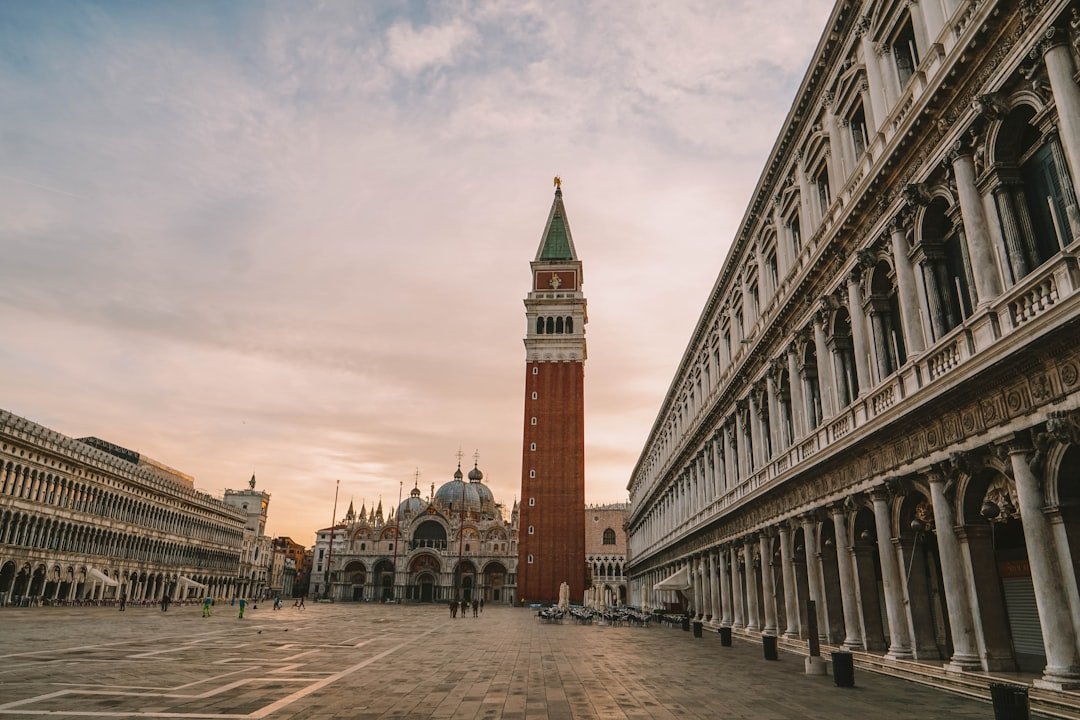
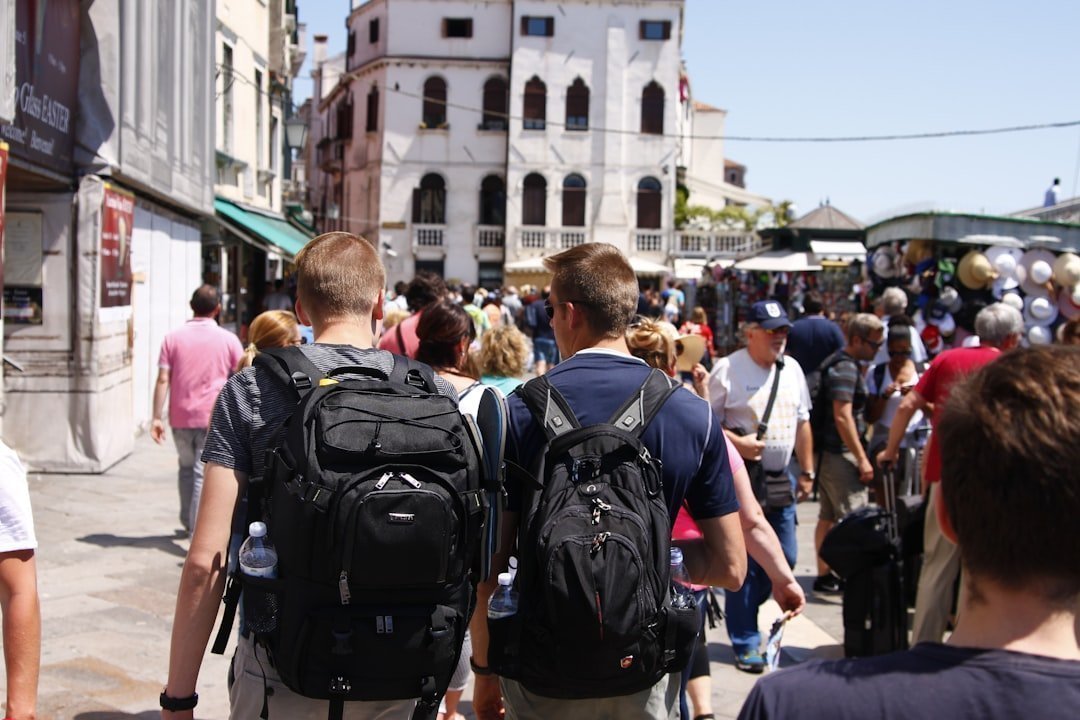
Few places on Earth illustrate the overtourism crisis more vividly than Venice. Overtourism in Venice is eroding the city’s very foundations, with frequent flooding exacerbated by both climate change and human activity, while narrow streets and iconic spots like Piazza San Marco are often too congested to enjoy, leaving both locals and tourists frustrated. That is not a metaphor. The physical structure of the city is under genuine threat.
Venice has introduced an access fee for peak-season visitors, enforced most recently over the 2025 Easter break. It is a bold and controversial move, and I think it was necessary. European cities including Venice and Amsterdam have introduced higher tourism taxes and banned cruise ships from their historic centers in recent years. Still, it is hard to say for sure whether entry fees alone can reverse decades of damage already done to a city built on water and memory.
Barcelona, Santorini, and the Rise of Anti-Tourism Protests

Barcelona is a city rich in history, art, and culture, but the immense popularity of landmarks like La Sagrada Família, Park Güell, and the Gothic Quarter has made it a victim of overtourism. The city’s compact design, with its narrow streets and densely packed historic areas, can only handle so many visitors at once, yet millions pour in each year. The result has been social friction on a massive scale.
In August 2024, local protests erupted over concerns that the city’s thirty-two million annual visitors were driving up housing costs and disrupting local life, while in Palma de Mallorca, twenty thousand people demonstrated against mass tourism. Across the Aegean, the story is equally tense. Santorini reported up to eighteen thousand cruise passengers overwhelming the island daily, straining resources for its fifteen thousand permanent residents. That ratio alone tells you everything.
The Physical Damage to Ancient Sites and Structures
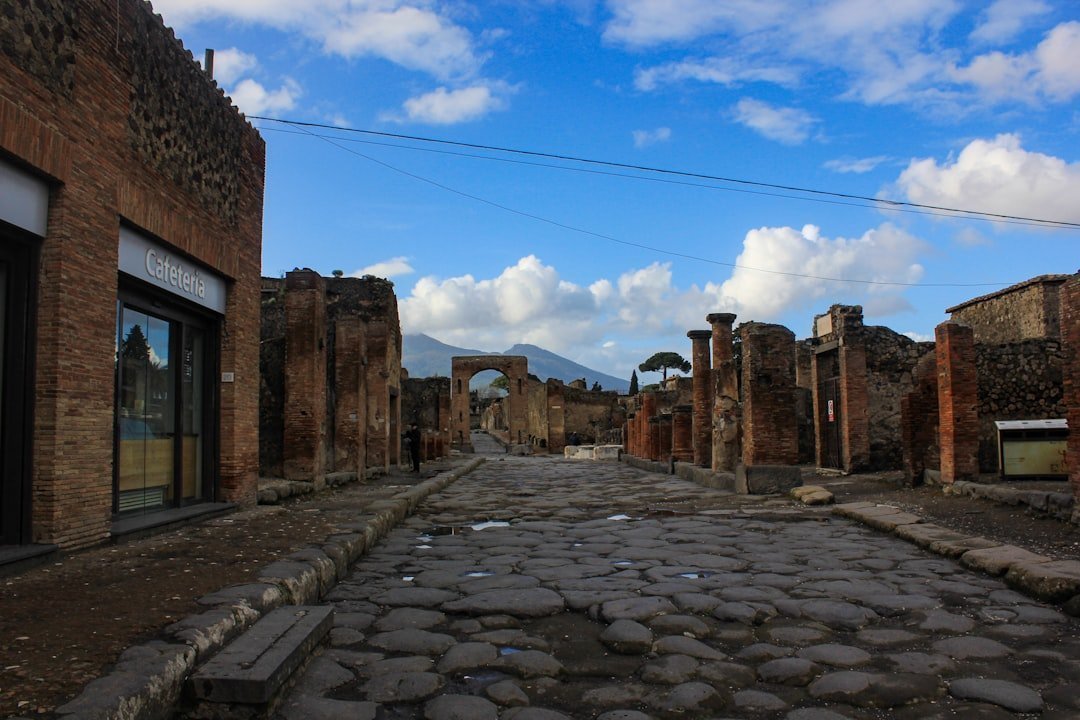
The large number of visitors takes a real physical toll, as seen in destinations like the ancient ruins of Pompeii. Excessive traffic wears down historical buildings and threatens preservation efforts, not to mention detracting from the visitor experience. Pompeii received more than four million visitors in 2024 alone and is now actively implementing visitor management measures. For a site that survived the eruption of Vesuvius in 79 AD, the threat today is a different kind of eruption entirely.
Overcrowding, a direct consequence of overtourism, makes emergency management at heritage sites extremely difficult. In the event of an earthquake, fire, or flood, an excessive concentration of tourists in confined historical spaces can hinder evacuation and rescue operations. This is a safety dimension that rarely makes headlines but deserves far more serious attention. Overtourism profoundly affects the lives of residents too, increasing the cost of living and contributing to crime, overcrowding, waste management failures, and noise pollution.
Japan’s Mount Fuji and the Barrier That Went Viral
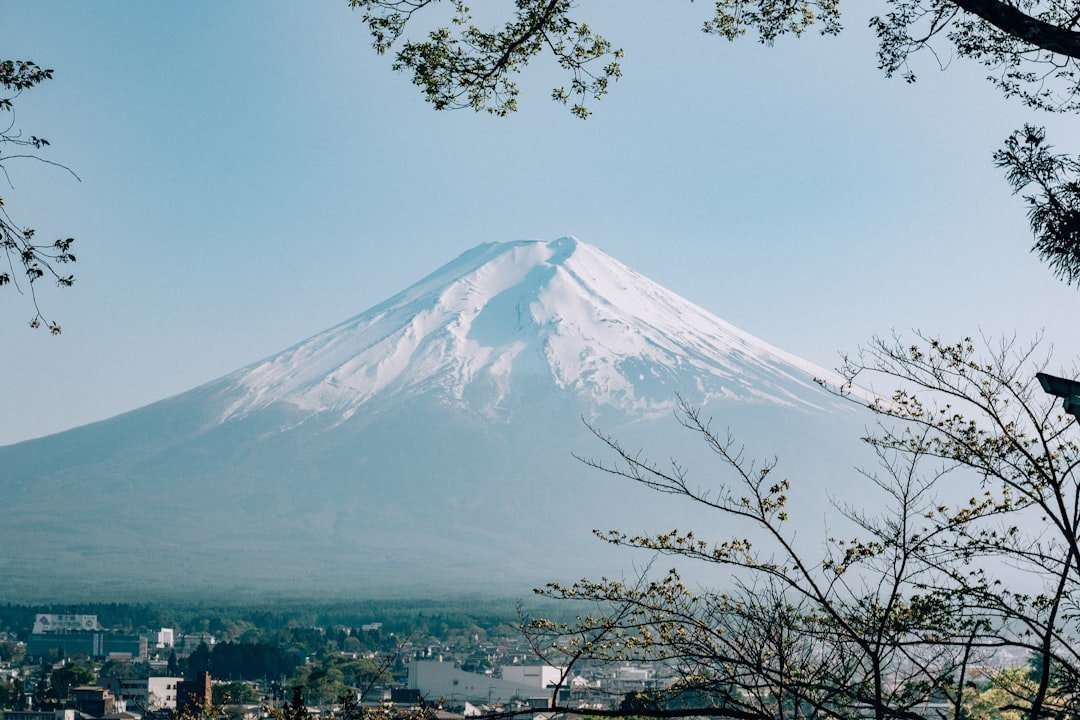
Few recent stories captured the desperation of overtourism management quite like Mount Fuji’s infamous convenience store barrier. In May 2024, a temporary barrier was erected to block the view of a popular Mount Fuji photo spot near a convenience store in the town of Fujikawaguchiko in Japan’s Yamanashi prefecture. The irony of putting up a wall to block tourists from photographing one of the world’s most iconic mountains is almost too on the nose.
Mount Fuji now requires climbers to pay a fee per person with a daily maximum of four thousand climbers on the popular Yoshida Trail. Authorities increased the fee for the 2025 climbing season and maintained the daily climber limit. Night climbing is also prohibited, with the trail closed from 2 p.m. to 3 a.m. daily. These are real, hard restrictions on one of the planet’s most visited landmarks. Public backlash against overtourism in Japan was cited by analysts as a factor behind the ultraconservative Sanseitō party’s gains in the 2025 Japanese House of Councillors election. Tourism policy, in other words, has become electoral politics.
The Economic Paradox: Tourism Funds and Tourism Destroys
Here is the thing about overtourism that makes it genuinely complicated: the money matters. Globally, the international tourism sector represented a projected ten percent of global GDP as of 2024. Entire economies are built around visitor spending, and telling a developing region to simply accept fewer tourists can feel tone-deaf when livelihoods are at stake.
Overtourism drives inflation and rising living costs, increases local taxes for infrastructure, and leads to a decline in traditional jobs as tourism dominates the economy. So it simultaneously funds and hollows out the very communities it descends upon. The Balearic Islands’ eco-tax, introduced to counteract tourism’s environmental effects, is set to generate nearly €377 million in revenue to be invested across seventy-nine sustainability projects in 2025, including environmental conservation and heritage preservation. That is one honest attempt to make the economics work in both directions.
How Governments Are Fighting Back in 2025 and 2026
Spain has emerged as something of a ground zero for the overtourism backlash, with cities like Barcelona and Valencia implementing some of the world’s strictest tourist controls. Barcelona has announced plans to eliminate all tourist rentals by 2028, while Valencia’s inspections of tourist apartments increased by four hundred and fifty-four percent in 2025 alone. These are not half-measures. They are structural changes to how cities function.
In December 2025, the Spanish government fined Airbnb seventy-five million dollars for advertising unlicensed rentals to tourists. Iceland has gone in a similarly firm direction. Iceland introduced a new per-passenger, per-day fee, with officials anticipating eighty fewer cruise ship visits in 2026. France’s Cannes will limit cruise ships to vessels carrying fewer than one thousand passengers starting January 1, 2026, with a daily cap of six thousand passengers disembarking. The era of unchecked access to historical places is, slowly, ending.
The Rise of Slow Travel and Regenerative Tourism
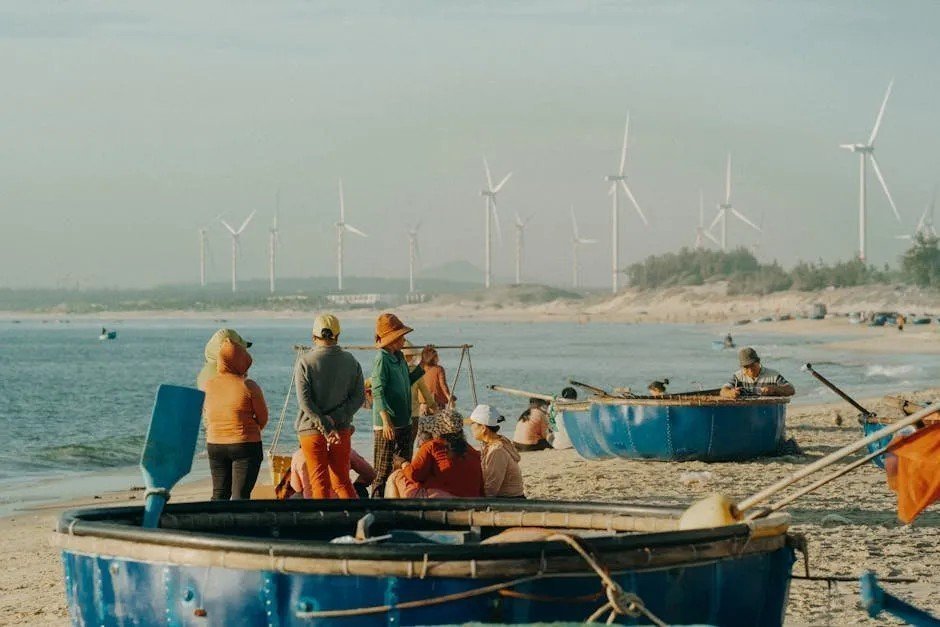
The conversation around sustainable travel has shifted in 2025 toward regenerative tourism, a philosophy that ensures tourism actively benefits the communities and environments it touches. Travelers are increasingly aware of their impact and prefer destinations that prioritize conservation, cultural preservation, and community well-being. This is not just a trend. It is a meaningful shift in values, especially among younger travelers.
The rise of “slow tourism,” where travelers engage more deeply with local cultures and environments, is gaining real momentum and offers a more sustainable approach to visiting UNESCO sites. Practically speaking, this means staying longer in one place, skipping the highlight reel, and letting yourself actually get lost in a neighborhood. Off-season travel can provide a more peaceful experience, allowing for a deeper connection with a place and its people, and sustainable tourism increasingly emphasizes slow travel, which involves traveling less frequently but staying longer at each destination.
How to Visit Historical Landmarks Responsibly Right Now
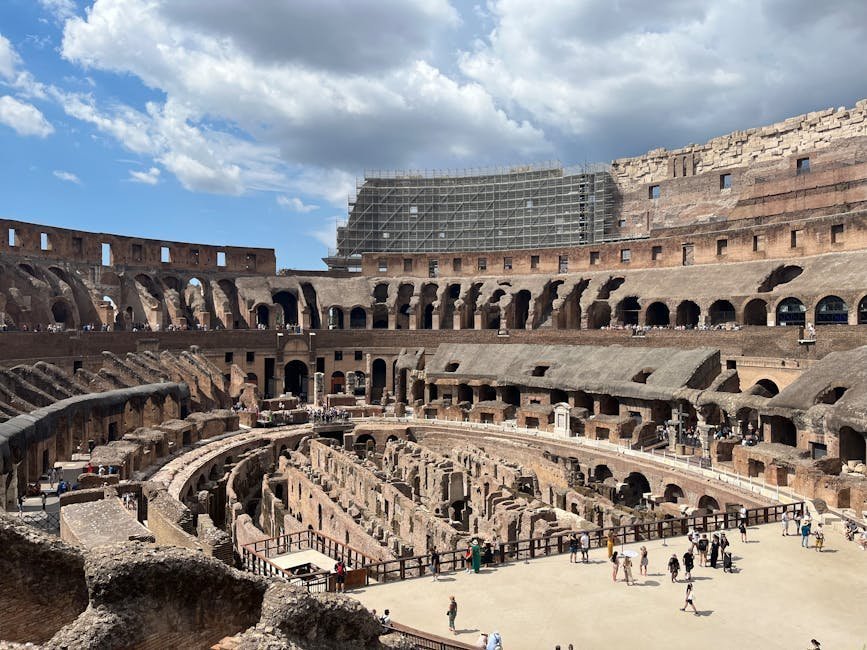
Let’s be real: most of us are not giving up travel. The goal is to travel better. When visiting a famous landmark, consider limiting the amount of time you spend there to reduce congestion. Plan your visit early in the morning or later in the evening to avoid the busiest hours. Visiting the Acropolis in Athens just after it opens, for example, can give you a quieter, more intimate experience compared to the midday rush.
Even in overtouristed cities, there are often hidden gems that remain relatively undiscovered. In Barcelona, neighborhoods like Gràcia or Poblenou offer a quieter, more authentic local experience compared to the bustling La Rambla. In Bali, instead of the packed beaches of Kuta, you might explore the tranquil rice terraces of Jatiluwih. By venturing beyond the main tourist hubs, you not only enjoy a more peaceful trip but also help spread the economic benefits of tourism to lesser-known areas. Sometimes the best version of a destination is the version nobody told you about. When it comes to souvenirs, always check that products are genuinely made in the region you are visiting. Avoid items misleadingly tagged with a location’s name but produced elsewhere. By consciously choosing local products, travelers contribute to a more sustainable and equitable tourism model.
Technology as a Tool for Preservation and Access
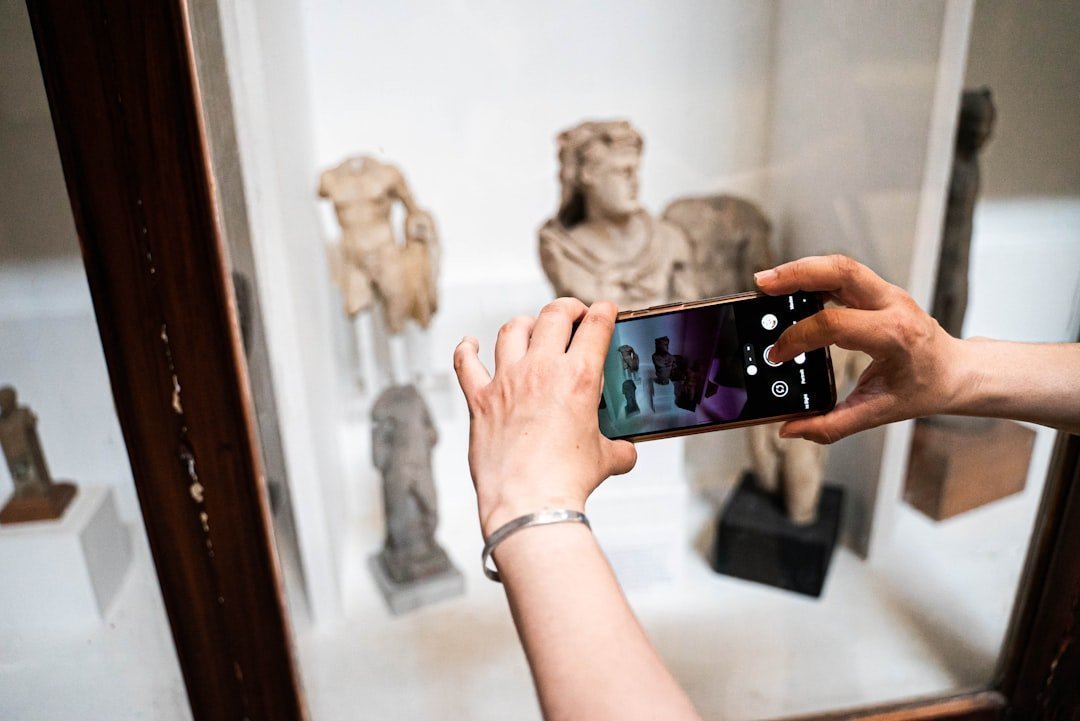
Emerging digital tools like Augmented Reality, Virtual Reality, and digital archives are revolutionizing heritage preservation by making cultural sites more accessible and sustainable. This is one of the genuinely exciting developments in the space. UNESCO’s “Dive into Heritage” initiative offers virtual experiences of World Heritage Sites through 3D modeling and interactive maps, enabling people around the world to explore historic landmarks without physical travel and making heritage education more globally accessible.
In July 2024, Tencent unveiled Microcosm, described as the most extensive virtual historical urban landscape ever created, offering an immersive digital portrayal of Beijing’s Central Axis. The launch aligned with the Central Axis’s designation as a UNESCO World Heritage site, and users could embark on guided, self-paced virtual tours of a highly detailed 3D replica of the landmark. Technology will not replace standing in a great ancient place. It can, however, take some of the pressure off. One of the most exciting developments in UNESCO heritage tourism is the increased use of the “UNESCO Sites Navigator” platform, an innovative tool that uses satellite data to assess environmental risks such as floods and wildfires to better protect vulnerable sites.
The bottom line is this: we are living in a strange and pivotal moment for the world’s historical landmarks. They have survived centuries of conquest, revolution, and neglect, only to now face the peculiar threat of being loved too enthusiastically. Every visit you take is a small vote for how this story ends. Will you vote for the landmark, or just for your photo? What kind of traveler do you want to be? Share your thoughts in the comments.